


 Pregledaj u prostoru
 Pošalji
 Podeli
 Detalji o delu
 Vodič
Vodič

 Preuzmi
 Slični predmeti
 Rendgenski snimak
 Automatska prezentacija
 Statistika
Grass and Insects


Experience Shin Saimdang's 'Grass and Insects,' a stunning 16th-century Korean painting of nature’s beauty. Admire the intricate details & vibrant colors in this masterpiece from the National Museum of Korea.
 Pročitaj više
Otkrijte Šin Sajmdang (1504–1551), pionirku korejske umetnosti dinastije Džoson. Istražite njene izvrsne slike prirode, kaligrafiju i poeziju – nasleđe lepote i mudrosti.
Ručno rađena uljana reprodukcija
Ručno oslikano uljanim bojama na platnu u dimenzijama i okviru po vašem izboru, izrađeno po porudžbini od strane naših umetnika. ( Pređi na štampu Pređi na digitalnu sliku)




P118B дин10

P118H дин10

P118W дин10

P438Z дин10

P508JH дин12

P508YH дин12

P805H дин10

P805Z дин10

P919BZ дин10

P919G дин10

P919XJ дин10

P959ZH дин10

P968JZ дин12

W106C дин8

W218G дин10

W218JH дин8

W218Y дин10

W307PJ дин10

W316G дин10

W316PJ дин8

W316Y дин10

W398PJ дин8

W4111J дин10

W500HY дин15

W500JH дин15

W692G дин12

W849H дин8

W940BG дин15

W953PJ дин8




Standardne dimenzije
po meri
CM
INCH
Izaberite jednu od naših unapred definisanih veličina koje odgovaraju originalnim proporcijama umetničkog dela.
Loading sizes...

širina
visina
Unesite potrebnu širinu i visinu kako bi se slika uklopila u vaš ram ili zid. Pošto je ovo ručno oslikano delo, umetnik može za dimenzije drugačijeg oblika naslikati malo više prostora oko slike ili malo skratiti ivice — izbor je na vama. Pre početka rada, poslaćemo vam digitalni prikaz radi potvrde. Slika prikazana na ovoj stranici ne predstavlja konačan rezultat — samo digitalni prikaz pokazuje stvarnu sliku.
Primeri mogućih izmena: Zamena lica fotografijom kupca; Dodavanje ljubimca (npr. zamena mačke psom); Uključivanje skrivene poruke u pozadini; Promena pejzaža ili elemenata pozadine.
Nakon narudžbine, tim TopImpressionists.com će klijentu putem e-pošte poslati uputstva i dostaviti prikaz predloženog rešenja
Nakon narudžbine, tim TopImpressionists.com će klijentu putem e-pošte poslati uputstva i dostaviti prikaz predloženog rešenja
Svetska isporuka () za 3/4 nedelje umesto uobičajenih 5 nedelja. (28 октобар). Bez kompromisa po pitanju kvaliteta.

Besplatna ekspresna dostava širom sveta

Visokokvalitetno laneno platno

Potpuno osiguranje transporta

Garancija povraćaja carine i uvoznih dažbina

Garancija vernosti boja

Politika povraćaja u roku od 100 dana (samo u slučaju nedostataka)

Garancija povrata 100% novca

Popust na više proizvoda
 Opcija sa staklom dostupna je samo za dimenzije manje od 110 cm

Grass and Insects
Tehnika reprodukcije
Dimenzije reprodukcije
-


Ukupna cena
дин 27865
A Symphony of Nature: Unveiling Shin Saimdang's "Grass and Insects"
Within the hallowed halls of the National Museum of Korea resides a treasure that transcends mere artistry – Shin Saimdang’s “Grass and Insects,” a captivating folding screen painting from 1504. More than just a depiction of flora and fauna, this work offers a poignant glimpse into the life, intellect, and artistic sensibilities of one of Korea's most remarkable women: Shin Saimdang, a pioneering figure who defied societal constraints to become a celebrated poet, calligrapher, painter, and mother.
The painting itself is a testament to Saimdang’s meticulous observation and refined technique. Executed in vibrant colors on paper, it embodies the essence of the mid-Joseon period. Delicate brushstrokes dance across the surface, capturing the subtle nuances of light and shadow, creating an illusion of depth and movement within the seemingly simple composition. The arrangement is carefully considered; a profusion of natural elements – watermelons plump with ripeness, vibrant poppies bursting with color, delicate hibiscus blossoms, and a myriad of insects – are interwoven amongst lush grasses, forming a miniature world teeming with life. Notice particularly the meticulous detail in rendering each individual leaf, petal, and insect wing, showcasing Saimdang’s mastery of her craft.
A Legacy Forged in Ink and Paper
Shin Saimdang's story is inextricably linked to her family history and the tumultuous political landscape of the Joseon Dynasty. Born into a noble lineage – her father, Shin Myeong-hwa, was a Confucian scholar who served under King Jungjong – she received an unusually comprehensive education for a woman of her time. Her upbringing fostered not only artistic talent but also a deep understanding of philosophy, literature, and history. This intellectual foundation profoundly shaped her work, imbuing it with layers of meaning and symbolism.
The painting’s creation coincided with a period of significant social change and political intrigue within the Joseon court. Saimdang's husband, Lee Won-su, was a man of modest means, leading to considerable hardship for their family. This backdrop of personal struggle likely informed her artistic choices – the abundance of natural imagery could be interpreted as a celebration of resilience and beauty amidst adversity, mirroring the enduring spirit of nature itself.
Symbolism Woven into the Landscape
Beyond its aesthetic appeal, “Grass and Insects” is rich in symbolic meaning. The inclusion of various insects – from delicate butterflies to industrious dung beetles – speaks to the interconnectedness of life and the cyclical rhythms of nature. The presence of watermelons and eggplants, staples of Korean cuisine, suggests a connection to daily life and the comforts of home. Even the meticulous rendering of individual leaves and grasses can be seen as an allegory for the complexities of human relationships and the passage of time.
Furthermore, the painting’s placement within a folding screen – a traditional format used for displaying important works – elevates its significance. The eight-panel design allowed for a panoramic view of the scene, inviting contemplation and offering multiple perspectives on the depicted world. The tenth panel, featuring a critique by O Sechang, a renowned calligrapher and art critic, underscores the importance of artistic judgment and the ongoing dialogue surrounding Saimdang’s work.
A Timeless Masterpiece: Capturing the Essence of Joseon
“Grass and Insects” is more than just a beautiful painting; it's a window into the soul of a remarkable woman and a vibrant era. It embodies the artistic spirit, intellectual curiosity, and profound empathy that defined Shin Saimdang’s life. Today, this exquisite work continues to captivate viewers with its delicate beauty, intricate detail, and enduring symbolism – a testament to the legacy of one of Korea's most celebrated artists.
Pitanja i odgovori
Koji umetnički pravac obuhvata „Grass and Insects”, autor Šin Sajmdang?
„Grass and Insects”, autor Šin Sajmdang pripada pravcu Joseon Dynasty Art. Ovaj pravac pruža stilski kontekst dela.
O kakvom se delu radi u "Grass and Insects"?
"Grass and Insects" je delo u tehnici WallArt.
U koji umetnički pravac i u koje doba pripada delo „Grass and Insects”, autor Šin Sajmdang?
„Grass and Insects”, autor Šin Sajmdang pripada Joseon Dynasty Art pravcu, unutar Renesansa ere svog tvorca.
Biografija umetnika
pionirska umetnica korejske dinastije joseon
shin saimdang, višestrana umetnica iz Južne Koreje, živela je tokom perioda Joseon, ostavivši neizbrisiv trag u istoriji korejske umetnosti. Rođena 29. oktobra 1504. godine u Gangneungu, u provinciji Gangwon, ona nije bila samo slikarica, već i vrhunska spisateljica, kaligrafkinja i pesnikinja.rani život i umetnički počeci
Umetnički talenti shin saimdang bili su očigledni još od najranijeg detinjstva. Sa svega sedam godina, ona je počela da oponaša stil slikanja koji je zastupao an gyeon, još jednog istaknutog korejskog umetnika. Njen rodni dom, ojukheon, koji je ujedno i dom njene majčine porodice, do danas je očuvan kao svedočanstvo tog vremena.umetnički doprinos i stil
Delo shin saimdang, prepoznatljivo po finim potezima četkice i živopisnim bojama, deo je rasklopljivog ekrana sa deset panela. Njena remek-dela, poput dela trava i insekti, prikazuju bogat spektar motiva koji uključuju lubenice, patlidžan, makove, hibiskuse i razne insekte. Ovi živopisni prizorima se mogu pronaći u Nacionalnom muzeju Koreje (Seul, Južna Koreja), gde i danas neprestano inspirišu ljubitelje umetnosti.- pogledajte umetnička dela shin saimdang na TopImpressionists: https://TopImpressionists.com/@/shin-saimdang
- istražite kolekciju Nacionalnog muzeja Koreje: /en/art/show/national-museum-of-korea-seoul/
- saznajte više o umetničkom pokretu dinastije joseon: umetnički pokret dinastije joseon
nasleđe i uticaj
Nasleđe shin saimdang prevazilazi njena umetnička dela, jer je poznata i kao majka čuvenog yi i, renomiranog učenjaka i političara dinastije Joseon. Njen život i rad služe kao nepresušan izvor inspiracije, olikavajući samu suštinu korejske umetnosti tokom perioda Joseon. ključna umetnička dela shin saimdang:- trava i insekti (Nacionalni muzej Koreje, Seul, Južna Koreja)
- druga značajna dela koja karakterišu fini potezi četkice i jasne, jarke boje, deo rasklopivog ekrana sa deset panela.
- an gyeon, još jedan istaknuti korejski slikar ranog perioda Joseon.

Šin Sajmdang
1504 - 1551 , Južna Koreja
Osnovne informacije
- Artistic Movement Or Style: Umetnički pokret ili stil: Umetnost dinastije Joseon
- Artists Or Movements Influenced By This Artist: Umetnici ili pokreti koje je ova umetnica uticala: Umetnost dinastije Joseon
- Artists Who Influenced This Artist: Umetnici koji su uticali na ovu umetnicu: An Gyeon
- Date Of Birth: Datum rođenja: 29. oktobar 1504.
- Date Of Death: Datum smrti: 1551.
- Full Name: Puno ime: Shin Saimdang
- Nationality: Nacionalnost: Korejska
- Notable Artworks: ['Značajna dela: Trava i insekti']
- Place Of Birth: Mesto rođenja: Gangneung, Južna Koreja
Povezani članci
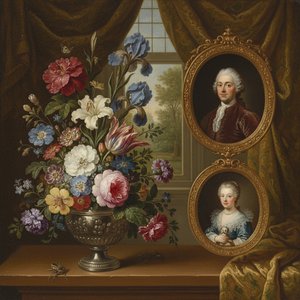
Jan van Kessel the Elder: A Baroque Master of Floral Still Life & Miniature Portraiture
Discover the exquisite detail of Jan van Kessel the Elder's Baroque floral still lifes & captivating miniatures. Explore his artistic legacy, scientific precision, and lasting influence on 17th-century Flemish painting.

Yi Eungro: Bridging East & West in the Landscape of Korean Modernism
Explore the captivating world of Yi Eungro (Lee Ungno), a pivotal figure in Korean modernism. Discover his unique fusion of Eastern and Western artistic traditions, abstract masterpieces, and lasting legacy. A must-read for discerning art collectors.