Pregledaj u prostoru
 Pošalji
 Podeli
 Detalji o delu
 Vodič
Vodič

 Preuzmi
 Slični predmeti
 Rendgenski snimak
 Automatska prezentacija
 Pitanja i odgovori
 Statistika
Žetva

- 51.0 x 71.0 cm


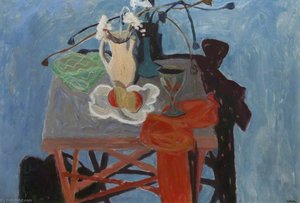
Žetva - Slika velikanskog škota William George Gilliesa iz godine 1952. prikazuje idiličan krajolik planinske doline, bogat zelenjem i drvećem, koji oslikava harmoniju prirode i ljudskog života.
 Pročitaj više
Istražite škotska pejzaža i statičke scene W.G. Gilliesa. Otkrijte uticaj Kubizma, veze sa 1922 Grupom, nasleđe Edinburgh College of Art i dubok uticaj na umetnost 20. veka.
Umetničko delo prikazano na ovoj stranici zaštićeno je autorskim pravima, što znači da zakonski nismo u mogućnosti da kreiramo niti prodajemo identičnu reprodukciju. Ova zaštita se sprovodi u skladu sa međunarodnim sporazumima kao što su Bernska konvencija i nacionalnim zakonima, uključujući i one koji su definisani u Američki zakon o autorskom pravu – Naslov 17.
Ovaj metod je u potpunosti usklađen sa regulativama o autorskim pravima jer ne podrazumeva kopiranje ili dupliranje zaštićenih umetničkih dela. Umesto toga, reč je o kreativnoj reinterpretaciji – novom slikarskom delu koje je inspirisano originalom, ali nije identično njemu.
Giclee štampa / Umetnički otisak
Giclée štampa ili print na platnu muzejskog kvaliteta uz brzu izradu i raznovrsne opcije završne obrade. ( Kupite ručno oslikano delo Pređi na digitalnu sliku)




P118B дин10

P118H дин10

P118W дин10

P438Z дин10

P508JH дин12

P508YH дин12

P805H дин10

P805Z дин10

P919BZ дин10

P919G дин10

P919XJ дин10

P959ZH дин10

P968JZ дин12

W106C дин8

W218G дин10

W218JH дин8

W218Y дин10

W307PJ дин10

W316G дин10

W316PJ дин8

W316Y дин10

W398PJ дин8

W4111J дин10

W500HY дин15

W500JH дин15

W692G дин12

W849H дин8

W940BG дин15

W953PJ дин8




Standardne dimenzije
po meri
CM
INCH
Izaberite jednu od naših unapred definisanih veličina koje odgovaraju originalnim proporcijama umetničkog dela.
Loading sizes...

širina
visina
Unesite željenu širinu i visinu kako bi se štampa uklopila u vaš ram ili zid. Štampu je moguće samo iseći, ali nikada povećati iznad dimenzija originalne slike, stoga format sa drugačijim proporcijama uzrokuje gubitak dela slike. Pre početka štampe, poslaćemo vam digitalni prikaz radi potvrde. Slika prikazana na ovoj stranici ne predstavlja stvarni isrez — to pokazuje samo digitalni prikaz.
Dostava širom sveta () za 2 nedelje umesto uobičajenih 4/5 nedelja. (6 новембар)

Besplatna ekspresna dostava širom sveta

Visokokvalitetno laneno platno

Potpuno osiguranje transporta

Garancija povraćaja carine i uvoznih dažbina

Garancija vernosti boja

Politika povraćaja u roku od 100 dana (samo u slučaju nedostataka)

Garancija povrata 100% novca

Popust na više proizvoda
 Opcija sa staklom dostupna je samo za dimenzije manje od 110 cm

Žetva
Giclee štampa / Umetnički otisak
Dimenzije reprodukcije
-


Ukupna cena
дин 7339
Hay Time – A Celebration of Scottish Pastoral
“Hay Time,” painted in 1952 by Sir William George Gillies, stands as a quintessential example of Scottish landscape painting from the mid-twentieth century. More than just a depiction of rural scenery, it’s an embodiment of nostalgia for a simpler time and a profound appreciation for the beauty inherent in the natural world – themes that resonate deeply with viewers even today.
Subject Matter and Composition
The painting captures a tranquil valley nestled amongst rolling hills. Dominating the scene are mature trees laden with hay bales, their golden hues reflecting the afternoon sun. Scattered throughout the landscape are modest cottages—evidence of human presence harmoniously integrated into the pastoral environment. A winding road traverses the valley floor, subtly guiding the eye across the canvas and emphasizing the expansive vista.
Style and Technique – Gillies’ Distinctive Vision
Gillies' artistic style is characterized by a masterful blend of Cézanne’s geometric simplification and Picasso’s understated color palette. Like Cézanne before him, he employs flattened planes to convey depth and solidity, prioritizing form over meticulous detail. However, unlike Picasso’s often fractured perspectives, Gillies maintains a sense of spatial coherence—a deliberate choice that contributes to the painting's serene atmosphere.
Historical Context – Echoes of Modernism
Painted in 1952, “Hay Time” emerged during a period marked by significant artistic experimentation and intellectual debate. The influence of Cubism lingered, albeit tempered by explorations into Surrealist ideas. Gillies’ embrace of Klee's expressive color palettes reflects the broader movement towards abstraction and psychological exploration that defined European art in the years following World War II. It represents a reaction against the prevailing formalism of earlier decades.
Symbolism – The Quiet Beauty of Rural Life
Beyond its visual appeal, “Hay Time” carries symbolic weight. The hay bales symbolize abundance and fertility—a cornerstone of Scottish agricultural tradition. The cottages represent stability and community—values cherished in rural Scotland during Gillies’ lifetime. More subtly, the painting evokes a feeling of contentment and connection to nature—themes that transcend time and continue to inspire contemplation.
Emotional Impact – A Balm for the Soul
“Hay Time” succeeds in conveying a palpable sense of peace and tranquility. The muted color palette—dominated by yellows, greens, and browns—creates an immersive experience for the viewer. Gillies’ meticulous brushwork captures the textures of bark, grass, and hay with remarkable accuracy, inviting contemplation of the natural world. Ultimately, it's a painting that speaks to our innate desire for beauty and simplicity—a timeless masterpiece celebrating the enduring spirit of Scottish landscape art.
Pitanja i odgovori
Kako se „Žetva”, autor Sir William George Gillies može iskoristiti u uređenju doma?
„Žetva”, autor Sir William George Gillies se preporučuje za Akcentni element, idealno u Dnevna soba. Upotreba i prostor zajedno ukazuju na to gde reprodukcija najbolje pristaje.
Mogu li da vidim „Žetva”, autor Sir William George Gillies na svom zidu pre kupovine?
„Žetva“ ima pregled proširene stvarnosti: na stranici AR prikaz možete videti umetničko delo u sopstvenom prostoru pomoću kompatibilnog uređaja.
Da li je "Žetva" jedno od najpopularnijih dela umetnika Sir William George Gillies?
Nivo popularnosti zabeležen za „Žetva”, autor Sir William George Gillies iznosi Priznato.
Srodna umetnička dela


Biografija umetnika
Сэр Вилијам Джордж Гилијс: Живот у шотландској umetnosti
Рани живот и образовање
- Рођен: Хедингтон, Ист Лотиан, Уједињено Краљевство, 1898. године.
- Гилијс је прво уписан на Единбургску колеџ артиса, али су му студије прекинуте службом у Првом светском рату са Краљевским инжењерима.
- Након рата, вратио се да заврши своје образовање на Единбургској колеџ артиса, дипломиравши и након тога поставајући посвећени учитељи тамо премањише 40 година.
Уметнички развој и утицаји
- Гилијсов пут кроз уметност започео је истракивањем кубизма након студија код Андре Лотоа у Паризу (1923) и путовања до Италије (1924).
- Рани дела, као што је „Две касе, тањир и воће“ (1933), демонстрирају овај утицај, приказујући композицију инспирисану Сезанманом са умеренм палетом боја Брака и Пикаса.
- Кључни тренутак дошао је 1934. године када је наишао на дела Павла Клеа, што га је инспирисало да усвоји маштаљивије коришћење боја и дечје квалитете у својим композицијама.
- Постепено се одступао од строгг кубизма, развивајући карактеристичан стил корењен у шотландским пейзажним и наменасним традицијама.
Група 1922 и дух сарадње
- Године 1922, Гилијс је задругао „Групу 1922“ са колегом уметницима укључујући Вилијама Крозијера, Вилијама Гајслера и Вилијама МакТагарта.
- Ово изложбено друштво пружило је платформу за појављивање шотландских уметника да покажу свој рад у Ној галерији у Единбургу током деценије.
- Група је подстакла осећај заједнице и иновације у шотландској уметничкој сцени.
Теме и предмет
- Пейзажи: Гилијс је познат по својим приказима Лотиана, Фајфа и Бордер региона Шотландске. Улопио је суштину ових пейзажа осетљивим оком.
- Наменаси: Композиције наменаса биле су још један значајан фокус, често са приказом керамике стварајене од стране његове младије сестре, Еме Смит Гилијс, чија прерано смрт 1936. године дубоко га је погодила.
- Портрети: Иако је експериментисао са портретирањем раније у својој каријери, пейзажи и наменаси постали су његови главни предмети.
Главни достигнући и признање
- Гилијс је радио као директор Единбургске колеџ артиса од 1959. до пензионисања 1966. године.
- Његов плодан излаз и посвећеност учењу имали су дубоки утицај на генерације шотландских живописца.
- Изет је електиран као Краљски академичар (RA), што је значило велико признање у свету уметности.
Историчко значење и наслеђе
- Сэр Вилијам Джордж Гилијс сматра се једним од најважнијих живописца Шотландске 20. века.
- Његов рад мост је између ране модерности и јасно шотландског уметничког идентитета.
- Наслеђе: Његов утицај се протеже изван његових слика, обликујући правцем шотландске уметности кроз своје учење и менторство.
- Умро 1973. године, оставивши за собом богато тело дела које се доцне да слави због своје лепоте, осетљивости и вечног значаја.

Sir William George Gillies
1898 - 1973 , Ujedinjeno Kraljevstvo
Osnovne informacije
- Birth Date: 1898.
- Birth Place: Haddington, Ujedinjeno Kraljevstvo
- Death Date: 1973.
- Influenced By:
- André Lhote
- Cézanne
- Braque
- Picasso
- Paul Klee
- Movement:
- Kubizam
- Škotski koloristi
- Name: Sir William George Gillies
- Nationality: Škotska
- Notable Works:
- Mali dečak sa čajnikom
- Mediteranski pejzaž sa oblačno nebesom
- Natura – žuta džbanca i pleteni ćebe
- Poreklo Mlečnog puta (nakon Jacopa Tintoretto)
Povezani članci

Fragmented Beauty: Exploring the Soul and Geometric Depth of Cubist Landscapes
Embark on a cultural journey through the soul of Cubist landscapes. Discover how masters like Braque and Rivera redefined nature through geometric beauty, fragmented forms, and profound abstraction in this expert art-history exploration.
Istražite umetnička dela organizovana prema temama, stilovima i karakteristikama.