


 Pregledaj u prostoru
 Podeli
 Podeli
 Detalji
 Vodič
Vodič

 Preuzmi sliku
 Slični predmeti
 Rendgenski snimak
 Automatska prezentacija
 Statistika
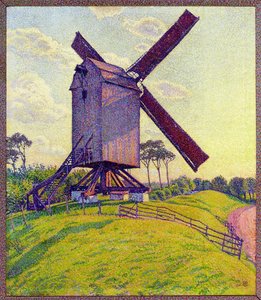
Maria ван Рисселбергхе пред димом
 Akril na platnu
- Umetnost za zidove
- Neo-Impressionism
 1907
1907 83.0 x 94.0 cm
Овај комад уметности, „Марија ван Рисселбергхе пред димом“ Теодора ван Риселбергхеа из 1907. године, представља изузетан пример неоимпресионизма и карактерише се специфичним стилом који је успео да пренесе светлост и боје у слику.
 Pročitaj više
Otkrijte vibrantne neoimpresionističke slike Théo van Rysselberghea! Istražite pejzaže, portrete i marokanske scene – ključna figura grupe Les XX koja spaja svetlost i boju. Pionir modernog slikarstva.
Ručno rađena uljana reprodukcija
Ručno oslikano uljanim bojama na platnu u dimenzijama i okviru po vašem izboru, izrađeno po porudžbini od strane naših umetnika. ( Pređi na prodaju štampanih primeraka Pređi na prodaju digitalnih slika)




P118B дин10

P118H дин10

P118W дин10

P438Z дин10

P508JH дин12

P508YH дин12

P805H дин10

P805Z дин10

P919BZ дин10

P919G дин10

P919XJ дин10

P959ZH дин10

P968JZ дин12

W106C дин8

W218G дин10

W218JH дин8

W218Y дин10

W307PJ дин10

W316G дин10

W316PJ дин8

W316Y дин10

W398PJ дин8

W4111J дин10

W500HY дин15

W500JH дин15

W692G дин12

W849H дин8

W940BG дин15

W953PJ дин8




Standardne dimenzije
po meri
CM
INCH
Izaberite jednu od naših unapred definisanih veličina koje odgovaraju originalnim proporcijama umetničkog dela.
Loading sizes...

širina
visina
Unesite širinu i visinu koja vam je potrebna, kako bi se uklopili u vaš ram ili zid. Pošto je ovo ručno oslikano delo, umetnik može naslikati malo više prostora oko slike ili malo skratiti ivice za dimenzije drugačijeg oblika — izbor je na vama. Pre početka rada, poslaćemo vam digitalni prikaz radi potvrde. Slika prikazana na ovoj stranici ne predstavlja konačan rezultat — samo digitalni prikaz pokazuje stvarnu sliku.
Primeri mogućih izmena: Zamena lica fotografijom kupca; Dodavanje ljubimca (npr. zamena mačke psom); Uključivanje skrivene poruke u pozadini; Promena pejzaža ili elemenata pozadine.
Nakon narudžbine, tim TopImpressionists.com će klijentu putem e-pošte poslati uputstva i dostaviti prikaz predloženog rešenja
Nakon narudžbine, tim TopImpressionists.com će klijentu putem e-pošte poslati uputstva i dostaviti prikaz predloženog rešenja
Svetska isporuka () za 3/4 nedelje umesto uobičajenih 5 nedelja. (25 октобар). Bez kompromisa po pitanju kvaliteta.

Besplatna ekspresna dostava širom sveta

Visokokvalitetno laneno platno

Sveobuhvatno osiguranje transporta

Garancija povraćaja carine i uvoznih dažbina

Garancija vernosti boja i autentičnosti pri reprodukciji

Politika povraćaja u roku od 100 dana (samo u slučaju nedostataka)

Garancija povrata 100% novca

Popust pri većoj količini
 Opcija sa staklom dostupna je samo za dimenzije manje od 110 cm

Maria ван Рисселбергхе пред димом
Tehnika izrade reprodukcije
Veličina reprodukcije
-


Ukupna cena
дин 27735
Maria van Rysselberghe in front of the Fire: A Symphony of Light and Quietude
Theo van Rysselberghe’s *Maria van Rysselberghe in front of the Fire* stands as a cornerstone of Belgian Neo-Impressionism, capturing not merely an image but an atmosphere—a profound meditation on domestic tranquility illuminated by the warm embrace of hearthlight. Painted in 1907, this canvas transcends mere representation; it’s a deliberate orchestration of color and texture designed to evoke feelings of serenity and contemplation.The Artist's Vision: Neo-Impressionism at Its Finest
Théophile van Rysselberghe (1862 – 1926) wasn’t simply reacting to Impressionism; he actively sought to refine its principles, pushing beyond fleeting impressions toward a more enduring exploration of light and color. Influenced by Jules Bastien-Lepage and Georges Seurat, he embraced Pointillisme—a technique championed by Les XX—where minuscule dots of pigment are applied side by side to create an illusion of luminosity without blending. This meticulous approach demanded immense patience and precision, resulting in canvases that shimmer with subtle variations of hue and tone. The artist’s unwavering dedication to capturing the essence of light is palpable throughout his oeuvre, exemplified beautifully here.A Portrait Steeped in Symbolism
The composition itself speaks volumes about van Rysselberghe's artistic intentions. Maria van Rysselberghe, a Belgian actress known for her performances in opera and theater, sits calmly before a fireplace—a motif frequently employed by artists of the period to symbolize warmth, comfort, and domestic harmony. Her posture exudes quiet dignity, while her gaze directs towards an unseen point beyond the frame, inviting viewers into a contemplative space. The inclusion of books scattered around the room underscores intellectual pursuits alongside emotional repose – suggesting a life enriched by both beauty and knowledge.Technical Mastery: Light as Sculptor
The artist’s masterful manipulation of color is particularly noteworthy. Van Rysselberghe employs a palette dominated by golds, reds, and browns—colors traditionally associated with fire and passion—but tempered by softer hues that diffuse the light and create an illusion of depth. Careful observation reveals how he achieves this effect through layering dots of pigment, allowing them to interact optically and produce a radiant glow. This technique isn’t merely decorative; it's fundamentally transformative, elevating the painting beyond a simple depiction of a scene into an experience of visual sensation.Beyond Reproduction: Experiencing Luminosity
A high-quality reproduction captures only fragments of the original artwork's magic. To truly appreciate *Maria van Rysselberghe in front of the Fire*, one must immerse oneself in its textured surface and luminous depths—a testament to Theo van Rysselberghe’s enduring legacy as a pioneer of Neo-Impressionism and his profound understanding of how art can communicate emotion and inspire contemplation. Explore more masterpieces by Théo van Rysselberghe on TopImpressionists.com.Pitanja i odgovori
Da li je "Maria ван Рисселбергхе пред димом" tipično za ono što je Тео Ван Риселберг obično stvarao?
Učestale teme umetnika Тео Ван Риселберг obuhvataju light's exploration, impressionist roots, domestic tranquility, belgian heritage, neo-impressionism’s luminous style, artist’s legacy, symbolic beauty; delo "Maria ван Рисселбергхе пред димом" fokusira se na light, fireplace, woman, interior, books, plants, harmony, warmth.
Da li je „Maria ван Рисселбергхе пред димом”, Тео Ван Риселберг svetlo ili tamno umetničko delo?
Sveukupno, "Maria ван Рисселбергхе пред димом" je zabeležen kao svetlo. Percepcija osvetljenosti opisuje koliko delo deluje svetlo ili tamno.
Kakvu atmosferu odiše "Maria ван Рисселбергхе пред димом"?
„Maria ван Рисселбергхе пред димом“ odiše Spokojno atmosferom.
Srodna umetnička dela



Biografija umetnika
Pionir svetlosti: Život i umetnost Teo van Riselbergea
Teofil “Teo” van Riselberghe, rođen u Gentu, Belgija, 1862. godine, izrastao je u ključnu figuru koja je premostila jaz između impresionizma i neoimpresionizma. Njegov put nije bio obeležen trenutnom stilskom odlukom, već evolutivnim istraživanjem potaknutim putovanjima, intelektualnom razmenom i neumornom težnjom za hvatanjem suštine svetlosti. Potekao je iz udobne buržoaske frankofone porodice, a prvo umetničko obrazovanje primio je na Akademiji u Gentu pod vođstvom Tea Kanela, nakon čega su usledile studije na prestižnoj Kraljevskoj akademiji lepih umetnosti u Briselu. Ove formativne godine usađene su mu osnove zasnovane na tradicionalnom realizmu, što se vidi u ranim radovima kao što je *Autoportret sa lulom* (1880), karakterizovan sumornim tonovima i preciznim detaljima – odraz prevladajuće belgijske umetničke klime. Ipak, čak i unutar ovih ranih dela, naznake rastućeg senzibiliteta za svetlost i boju počele su da se pojavljuju, nagoveštavajući njegovu buduću putanju. Ključno delo iz ovog perioda, *Dete na otvorenim mestima u šumi* (1880), označilo je suptilan odmak, naznačujući svetliju paletu i slobodnije poteze kista koji će definisati njegov kasniji stil.Marokanski utisci i rođenje grupe “Les XX”
Transformišući deo van Riselbergeovog umetničkog razvoja predstavljaju njegova putovanja u Maroko između 1882. i 1888. godine. Ova produžena boravišta uronili su ga u svet živopisnih boja, intenzivnog sunca i egzotičnih pejzaža – oštar kontrast prikrivenim tonovima njegovih ranijih radova. Slike kao što su *Arabijski obućar* (1882), *Arabijski dečak* (1882) i *Odmorujuća straža* (1883) demonstriraju rastuću fascinaciju hvatanjem efekata svetlosti na formi, udaljavajući se od strogog realizma ka impresionističkoj osetljivosti. Marokansko iskustvo nije bilo samo vizuelno posmatranje; to je bilo uranjanje u drugačiju kulturu koja je proširila njegove umetničke horizonte i usađivala doživotnu ljubav prema putovanjima. Po povratku u Brisel, van Riselberghe je postao pokretačka snaga na belgijanskoj umetničkoj sceni, suosnivač uticajne grupe *Les XX* (Dvadeset) 1883. godine zajedno sa Oktavom Mausom i Emilom Verhaerenom. Ovaj kolektiv služio je kao platforma za prikaz avangardne umetnosti, uvodeći nove pokrete poput impresionizma i simbolizma belgijanskoj publici koja nije bila upoznata sa takvim inovacijama. *Arabijska fantazija* (1884), slika velikih razmera egzotične tematike, postala je njegovo najslavnije delo iz ovog perioda, demonstrirajući njegovu veštinu u obradi svetlosti i kompozicije.Prihvatanje neoimpresionizma: Naučni pristup boji
Pravi prelomni trenutak u van Riselbergeovom umetničkom razvoju stigao je sa susretom sa Žorž Seuraovim delom *Nedeljno popodne na ostrvu La Grande Jatte* na osmoj impresionističkoj izložbi u Parizu 1886. godine. Iako je prvobitno bio skeptičan prema Seurovoj preciznoj “pointilističkoj” tehnici – sistematskoj primeni sitnih tačaka čiste boje – van Riselberghe je postupno počeo da ceni njenu naučnu osnovu i potencijal za postizanje svetlih efekata. Počeo je da eksperimentiše sa divizionizmom, neoimpresionističkom metodom razdvajanja boja na njihove sastavne delove i omogućavanja oku posmatrača da ih optički sjedini. Ovo nije bila samo tehnička promena; to je predstavljalo fundamentalnu promenu u njegovom pristupu slikanju – prelazak ka analitičkijem i objektivnijem prikazivanju svetlosti i boje. Stekao je bliska prijateljstva sa drugim neoimpresionističkim slikarima poput Pola Sinjaka, putujući s njim duž Francuske Rivijere i razmenjujući ideje o tehnici i teoriji. Van Riselberghe se istakao unutar pokreta primenom pointilizma ne samo na pejzaže, već i na portretiranje, stvarajući izvanredno živopisne i psihološki uvidne slike svoje porodice i prijatelja – dela kao što je *Gospođa Šarl Maus* (1890) su odlični primeri.Iznad pointilizma: Trajno nasleđe
Iako je bio duboko posvećen neoimpresionizmu duži vremenski period, van Riselberghe je krajem 1890-ih godina prevazišao njegove stroge principe. Tražio je veću slobodu u svom potezu kista i kompoziciji, istražujući nove načine da izrazi emocije i atmosferu. Nastavio je da bude plodan umetnik, radeći u raznim medijima uključujući dizajn nameštaja, ilustraciju knjiga i dekorativnu umetnost. Njegov uticaj se protezao daleko van granica Belgije, utičući na umetnike poput Pita Mondrijana i Jana Tooropa koji su bili inspirisani njegovom inovativnom upotrebom boje i svetlosti. Nasleđe van Riselbergea leži ne samo u njegovim prelepim slikama, već i u njegovoj ulozi kao katalizatora promene – šampiona modernizma koji je pomogao da se nove ideje i tehnike uvedu u belgijski umetnički svet. Njegova dela sada se nalaze u istaknutim muzejskim zbirkama širom sveta, uključujući Muzej Luksemburg u Parizu i Muzej za lepe umetnosti u Gentu, osiguravajući da njegov doprinos istoriji umetnosti nastavlja da bude slavljen i cenjen od strane generacija koje dolaze. Njegova posvećenost istraživanju interakcije svetlosti, boje i forme učvrstila je njegov položaj kao pravog pionira modernog slikarstva.
Тео Ван Риселберг
1862 - 1926 , Belgija
Brzi pregled
- Artistic Movement Or Style: Neoimpresionizam
- Artists Or Movements Influenced By This Artist:
- Neoimpresionizam
- Piet Mondrian
- Jan Toorop
- Artists Who Influenced This Artist:
- Jean-François Portaels
- Georges Seurat
- Paul Signac
- Date Of Birth: 23. novembar 1862.
- Date Of Death: 13. decembar 1926.
- Full Name: Théo van Rysselberghe
- Nationality: Belgijanac
- Notable Artworks:
- Arabian Phantasia
- Spanish Woman
- Sevillan Woman
- Place Of Birth: Gent, Belgija
Srodni članci

Theo van Doesburg: Pioneering De Stijl & the Evolution of Neo-Plasticism
Explore the revolutionary De Stijl movement & Neo-Plasticism with our expert guide. Discover Piet Mondrian, Theo van Doesburg, and the lasting impact of this influential art style. Learn about collecting & investing in De Stijl masterpieces.

Théo van Rysselberghe: Pioneering Belgian Pointillism & the Pursuit of Luminosity
Explore the captivating world of Théo van Rysselberghe, a pioneer of Belgian Neo-Impressionism. Discover his masterpieces, artistic journey, and lasting impact on modern art. Learn more at TopImpressionists.

Rembrandt van Rijn: 25 Majstorstava Svetla i Senke za Vaš Dom | TopImpressionists
Uronite u svet Rembrandta van Rijna! Otkrijte 25 najlepših dela holandskog majstora – portrete, istorijske scene i biblijska platna. Kvalitetne reprodukcije slika za dekoraciju enterijera dostupne na TopImpressionists.com.

Impressionism's Masterpieces: 10 Paintings That Defined a Movement | TopImpressionists
Journey through Impressionism's heart with 10 iconic paintings by Monet, Renoir & Degas. Explore light, color & the stories behind these masterpieces. Find museum-quality art reproductions and elevate your home decor on TopImpressionists.com.

Postimpresionizma: 10 Remek Dela Koje Su Izmenila Umjetnost i Dekor
Otkrijte 10 remek dela postimpresionizma koja su revolucionisala umetnost! Van Gog, Monet, Sezan... Istorija, tehnika i emocije u svakoj slici. Inspiracija za vaš dom i vrhunske reprodukcije na TopImpressionists.com. Explore the full collection online!
Istražite umetnička dela organizovana prema temama, stilovima i karakteristikama.
