

Shown: · With its frame:
 Pregledaj u prostoru
 Pošalji
 Podeli
 Detalji o delu
 Vodič
Vodič

 Preuzmi
 Slični predmeti
 Rendgenski snimak
 Automatska prezentacija
 Q&A
Q&A Statistika
- 280.0 x 21.0 cm


дин 30627
Ručno rađena uljana reprodukcija
Ručno oslikano uljanim bojama na platnu u dimenzijama i okviru po vašem izboru, izrađeno po porudžbini od strane naših umetnika. ( Pređi na štampu Pređi na digitalnu sliku)
Size
·Standardne dimenzije
po meri
CM
INCH
Izaberite jednu od naših unapred definisanih veličina koje odgovaraju originalnim proporcijama umetničkog dela.
Loading sizes...

širina
visina
Unesite potrebnu širinu i visinu kako bi se slika uklopila u vaš ram ili zid. Pošto je ovo ručno oslikano delo, umetnik može za dimenzije drugačijeg oblika naslikati malo više prostora oko slike ili malo skratiti ivice — izbor je na vama. Pre početka rada, poslaćemo vam digitalni prikaz radi potvrde. Slika prikazana na ovoj stranici ne predstavlja konačan rezultat — samo digitalni prikaz pokazuje stvarnu sliku.
 Pročitajte više
Finish
·
White дин1

Blurside дин1

Extended дин1

P118B дин10

P118H дин10

P118W дин10

P438Z дин10

P508JH дин12

P508YH дин12

P805H дин10

P805Z дин10

P919BZ дин10

P919G дин10

P919XJ дин10

P959ZH дин10

P968JZ дин12

W106C дин8

W218G дин10

W218JH дин8

W218Y дин10

W307PJ дин10

W316G дин10

W316PJ дин8

W316Y дин10

W398PJ дин8

W4111J дин10

W500HY дин15

W500JH дин15

W692G дин12

W849H дин8

W940BG дин15

W953PJ дин8

H24-GOLD дин30

H24-SILVER дин30

H36-GOLD дин45

H36-SILVER дин45
Shipped in a protective tube, ready for your own framer.
Above 105 cm the frame is shipped as a kit for a professional framer — read the details.
Extras
optionalWhat do the extras include?
Examples of what can be changed: Replace face with customer photo; Add pet (e.g., replace cat with dog); Include hidden message in background; Change background landscape or elements.
After order, TopImpressionists.com team will email client for instructions and provide a mockup preview
After order, TopImpressionists.com team will email client for instructions and provide a mockup preview
Svetska isporuka () za 3/4 nedelje umesto uobičajenih 5 nedelja. (2 новембар). Bez kompromisa po pitanju kvaliteta.
Zaštitni lak
Kratki opis natpisa
Detalji gravirane bronze ploče
This elegant plaque features the artist's name and the title of the artwork, finely engraved for a timeless presentation.
It is made from bronze with a refined, elegant finish. The text is precisely laser-engraved for a sharp and permanent result. Measuring 9x2 cm, the plaque is compact yet easy to read. It's built to be durable and scratch-resistant, offering a professional, museum-quality look. Mounting is simple thanks to the included adhesive backing.
Detalji prozirne akrilne pločice
The plaque includes essential engraved details such as the artist's name, the title of the artwork, the date it was created, the type of media used-like oil on canvas or watercolor-a brief description of the piece, and a QR code that links to the complete artwork information.
It is crafted from clear acrylic, offering a sleek, modern appearance. The text is UV-engraved in black to ensure strong visual contrast. With a size of 10x15 cm, it ensures optimal readability. It comes equipped with two metal hooks for secure wall mounting. The plaque is designed to be weather-resistant, making it suitable for various environments, and it includes interactive features that work seamlessly with smartphone scanning.
Detalji crne akrilne pločice
This elegant plaque includes engraved information such as the artist's name, the title of the artwork, the date it was created, the type of media used (like oil on canvas or watercolor), a short description of the artwork, and a QR code for quick access to more information.
The plaque itself is made from refined black acrylic with a premium finish. The text is laser-engraved in white for high contrast and readability. Its size is 10x15 cm, designed to be easy to read. It comes with two metal hooks for professional mounting. The design is sleek and fits any interior style. It is also weather-resistant and durable, with built-in digital integration for mobile compatibility.
Opcija sa staklom dostupna je samo za dimenzije manje od 110 cm
 Opcija sa staklom dostupna je samo za dimenzije manje od 110 cm
- Besplatna ekspresna dostava širom sveta
- Visokokvalitetno laneno platno
- Potpuno osiguranje transporta
- Garancija povraćaja carine i uvoznih dažbina
- Garancija vernosti boja
- Politika povraćaja u roku od 100 dana (samo u slučaju nedostataka)
- Garancija povrata 100% novca
- Popust na više proizvoda


Opis predmeta
Discover Titian’s "The Annunciation" (1557), a Baroque masterpiece! Explore its dramatic lighting, dynamic composition & rich colors of this Venetian painting.
Biografija umetnika
Otkrijte Titiana Ramsaja Pila II (1799-1885), američkog umetnika i naturaliste koji spaja visoku renesansnu umetnost sa naučnom posmatranošću. Istražite njegove prelepe slike divljih životinja i nasleđe!
About the painting
The Annunciation: A Baroque Dialogue of Grace and Revelation
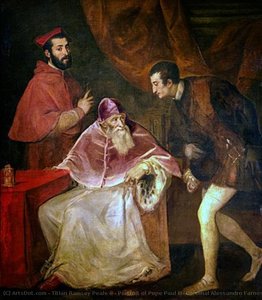
Titian Ramsay Peale II’s “The Annunciation,” painted in 1557, is more than just a depiction of a pivotal biblical moment; it's a carefully constructed tableau brimming with the emotional intensity and dramatic lighting characteristic of late Renaissance – specifically, Baroque – art. This masterful work transports us to a space both sacred and subtly unsettling, inviting contemplation on themes of divine grace, human humility, and the profound mystery at the heart of faith. Peale’s interpretation diverges from purely literal representation, opting instead for a heightened emotionalism that resonates powerfully with viewers centuries later.
The scene unfolds within an undefined, almost dreamlike space – a dark void punctuated by subtle architectural elements suggesting a modest dwelling. The focus immediately draws the eye to the kneeling woman, Mary, rendered in exquisite detail. Her posture conveys both vulnerability and profound absorption; her hands clasped together, her gaze fixed upward with an expression of awe and gentle surprise. This isn’t merely a passive recipient of divine news but a figure actively engaged in a momentous encounter. The artist skillfully uses light to sculpt her form, highlighting the delicate contours of her face and emphasizing the weight of this revelation.
A Symphony of Color and Movement
Peale's palette is dominated by rich browns, deep golds, and muted reds – colors that evoke a sense of solemnity and reverence. These warm tones are juxtaposed with cooler blues and purples in the swirling clouds above, creating a dynamic interplay between earthly humility and celestial splendor. The drapery, particularly the voluminous robes of the angel, is rendered with meticulous attention to detail, utilizing layered impasto – thick applications of paint that create a tactile, almost sculptural effect. This technique not only adds depth and texture but also contributes to the overall sense of drama and movement within the composition.
The use of curved lines—particularly in the flowing drapery and the wings of the angel—is paramount to the painting’s dynamic feel. These lines guide the viewer's eye through the scene, creating a sense of continuous motion and upward aspiration. The positioning of the ascending cherubs further reinforces this feeling of ascension, symbolizing the divine presence reaching down to earth. The pyramidal composition, anchored by Mary’s kneeling form and culminating in the angel and celestial elements, provides stability while simultaneously directing the eye upwards towards the heavens.
Symbolism and Artistic Echoes
“The Annunciation” is rich in symbolic meaning. The angel, rendered with powerful wings and a commanding presence, represents divine grace and the messenger of God’s will. Mary's posture embodies humility and receptivity – she is not demanding answers but humbly accepting the extraordinary news. The architectural details, though subtly suggested, hint at the familiar setting of Nazareth, grounding the miraculous event in a tangible reality. The painting draws heavily on the artistic traditions of the High Renaissance, particularly the works of Raphael and Leonardo da Vinci, yet Peale imbues it with a distinctly Baroque sensibility – a heightened emotionalism, dramatic lighting, and an emphasis on movement and dynamism.
Furthermore, it’s important to consider Peale's lineage. As the son of Charles Willson Peale, a pivotal figure in early American art and founder of the first museum, Titian Ramsay Peale II inherited a legacy of scientific observation and artistic exploration. This influence is evident in his meticulous detail and his commitment to capturing both the beauty and the complexity of the natural world – as seen in his extensive wildlife paintings. “The Annunciation” thus represents a fascinating synthesis of High Renaissance ideals with New World sensibilities, creating an artwork that is both timelessly beautiful and deeply rooted in its historical context. It’s a powerful testament to the enduring appeal of religious iconography and the artist's ability to translate profound spiritual themes into visually arresting form.
Pitanja i odgovori
Kako se umetnički pravac i epoha susreću u delu „The Annunciation”, autor Titian Rejmond Piol Ii?
„The Annunciation”, autor Titian Rejmond Piol Ii pripada Baroque pravcu, unutar 19. vek ere svog tvorca.
Na koji način je najbolje postaviti delo „The Annunciation”, autor Titian Rejmond Piol Ii s obzirom na njegov format?
Format (Portrait) i preporučeni prostor (Living Room) su dve navedene činjenice o postavljanju za „The Annunciation”, autor Titian Rejmond Piol Ii.
Mogu li da vidim „The Annunciation”, autor Titian Rejmond Piol Ii na svom zidu pre kupovine?
„The Annunciation“ ima pregled proširene stvarnosti: na stranici AR prikaz možete videti umetničko delo u sopstvenom prostoru pomoću kompatibilnog uređaja.
Quick facts and art quiz
About Titian Rejmond Piol Ii

Titian Rejmond Piol Ii
1799 - 1885, Sjedinjene Američke Države
Biografija umetnika
Renesansni Odjek u Novom Svetu
Titian Ramsay Peale II zauzima fascinantan, često zapostavljen niš unutar pejzaža američke umetnosti 19. veka. Rođen u Filadelfiji 1799. godine, bio je uronjen u umetnički pedigre kao najmlađi sin Charlesa Willson Pealea, ključne figure u ranom američkom portretu i osnivača prve nacije muzeja. Iako je senka nasleđa njegovog oca bila prisutna, Titian je iskovao svoj put, duboko ukorenjen u estetskim idealima Visokog Renesansa, posebno onih koji su se širili iz Venecije. On nije samo reprodukovao stilove; kanalizovao je duboki umetnički senzibilitet, obojivajući svoje platne metičnim detaljima i živopisnom paletom boja koja ga je odvajala od mnogih njegovih savremenika. Njegov život se odigrao na pozadini procvetavajućeg američkog identiteta, a ipak je njegovo umetničko srce ostalo vezano za klasične majstore, stvarajući ubedljivo naprezanje između poštovanja Starog sveta i izraza Novog sveta.Od Skicernika Prirodnjaka do Platna Umetnika
Pealeove rane godine bile su obeležene dvostrukom fascinacijom umetnošću i prirodnom istorijom – kombinacijom koju je podstakao njegov otac svojim mnogoobraznim nastojanjima. Pratio je ekspedicije, posebno Stephen Harriman Longovu putovanje u Stjenovite planine 1819-20, dokumentujući floru i faunu sve izoštrenim umetničkim okom. Ovaj period nije bio samo o beleženju posmatranja; rečilo se o *razumevanju* oblika, svetlosti i teksture – veština koje će se pokazati nezamenjive kada je u potpunosti usmerio pažnju na slikanje. Njegov rad kao prirodnjak informisao je njegovu umetnost, dajući naučnu preciznost svojim prikazima prirode, ali i obojivajući ih emotivnim rezonancijom koja je prevazilazila samo dokumentaciju. On nije pokazivao šta stvari izgledaju; otkrivao je njihovu urođenu lepotu i duhovno značenje. Ova posvećenost obe disciplini očigledna je u delima kao što je „Plaćanje poreza“, dramatično prikazivanje koje pokazuje majstorsku upotrebu svetlosti i senke, podsećajući na Rubensa, i "Nimfa i Pastir", koji spaja prirodu, mitologiju i senzualnu lepotu.Venecijanski Uticaji i Svete Vizije
Uticaj venecijanskog kolorizma – naglasak na bogatim, sjajnim bojama i atmosferskim efektima koje su zagovarali umetnici poput Titiana (od koga je dobio svoje ime) – neosporan je u Pealeovom opusu. On nije samo kopirao ove majstore; internalizovao je njihove principe i prilagodio ih sopstvenoj umetničkoj viziji. To je posebno očigledno u njegovim verskim delima, kao što su „Posvetni oltar sa četiri sveca“ i "Pohvala pastirima". Ova dela nisu samo prikazi biblijskih scena; oni su imersivna iskustva, koja privlače gledaoca u svet duhovnog razmatranja pažljivo orkestriranim kompozicijama i majstorskom upotrebom boje da evocira emocije. Pažnja na detalje u ovim delima svedoči ne samo o njegovoj tehničkoj veštini, već i o dubokom poštovanju prema temi. „Lepota“, zapanjujući portret, dalje demonstrira njegovu sposobnost da uhvati ljudski oblik i karakter sa gracioznošću i izobrazbom.Ponovno Otkriće i Trajno Značenje
Tokom vekovima 20., Titian Ramsay Peale II je ostao u velikoj meri neopažen u umetničkim istorijskim narativima. Njegov rad nije lako uklapao preovlađujuće trendove, a njegova posvećenost klasičnom stilu činila se anahronističkom u brzorastućem umetničkom pejzažu. Međutim, poslednjih godina svedočimo rastućoj ponovnoj proceni njegovih doprinosa. Istoričari i kolekcionari prepoznaju jedinstvenu kombinaciju američkih senzibiliteta i evropskih tradicija koja karakteriše njegova slika. Ponovno otkriće njegove umetnosti nije samo o popunjavanju praznina u istoriji umetnosti; reč je o postizanju dubljeg razumevanja složenih kulturnih sila koje su oblikovale američku umetnost 19. veka. Peale predstavlja most između dva sveta, svedočenstvo trajne moći klasičnih ideala i podsetnik da se inovacija u umetnosti često javlja iz neočekivanih kombinacija uticaja. Njegove slike, sada pronađene u kolekcijama kao što su TopImpressionists, Uffizi galerija i Palazzo Pitti, nude ubedljiv uvid u zaboravljeni ugao američke istorije umetnosti – ugao obasjan sjajnom svetlošću Renesanse.Quick facts about Titian Rejmond Piol Ii
- Datum Rođenja: 1799
- Datum Smrti: 1885
- Ličnosti Koje Su Uticale Na Ovog Umetnika:
- Titian
- Venecijanski majstori
- Mesto Rođenja: Filadelfija, SAD
- Nacionalnost: Američki
- Puno Ime: Titian Ramsay Peale II
- Umjetnički Pokret Ili Stil: Visoka renesansa
- Značajna Djela:
- Altar Shrine with Four Saints
- Adoration of the Shepherds
- The Beauty
- Tribute Money
- Holy Family w/ Shepherd
Istražite umetnička dela organizovana prema temama, stilovima i karakteristikama.




Titian Rejmond Piol Ii
The Annunciation
() ·
With its frame: · Hand-painted in oil on linen
Total