Pregledaj u prostoru
 Pošalji
 Podeli
 Detalji o delu
 Vodič
Vodič

 Preuzmi
 Slični predmeti
 Rendgenski snimak
 Automatska prezentacija
 Q&A
Q&A Statistika
The Beauty

- 89.0 x 76.0 cm


 Pročitaj više
Otkrijte Titiana Ramsaja Pila II (1799-1885), američkog umetnika i naturaliste koji spaja visoku renesansnu umetnost sa naučnom posmatranošću. Istražite njegove prelepe slike divljih životinja i nasleđe!
Giclee štampa / Umetnički otisak
Giclée štampa ili print na platnu muzejskog kvaliteta uz brzu izradu i raznovrsne opcije završne obrade. ( Kupite ručno oslikano delo Pređi na digitalnu sliku)




P118B дин10

P118H дин10

P118W дин10

P438Z дин10

P508JH дин12

P508YH дин12

P805H дин10

P805Z дин10

P919BZ дин10

P919G дин10

P919XJ дин10

P959ZH дин10

P968JZ дин12

W106C дин8

W218G дин10

W218JH дин8

W218Y дин10

W307PJ дин10

W316G дин10

W316PJ дин8

W316Y дин10

W398PJ дин8

W4111J дин10

W500HY дин15

W500JH дин15

W692G дин12

W849H дин8

W940BG дин15

W953PJ дин8




Standardne dimenzije
po meri
CM
INCH
Izaberite jednu od naših unapred definisanih veličina koje odgovaraju originalnim proporcijama umetničkog dela.
Loading sizes...

širina
visina
Unesite željenu širinu i visinu kako bi se štampa uklopila u vaš ram ili zid. Štampu je moguće samo iseći, ali nikada povećati iznad dimenzija originalne slike, stoga format sa drugačijim proporcijama uzrokuje gubitak dela slike. Pre početka štampe, poslaćemo vam digitalni prikaz radi potvrde. Slika prikazana na ovoj stranici ne predstavlja stvarni isrez — to pokazuje samo digitalni prikaz.
Dostava širom sveta () za 2 nedelje umesto uobičajenih 4/5 nedelja. (1 новембар)

Besplatna ekspresna dostava širom sveta

Visokokvalitetno laneno platno

Potpuno osiguranje transporta

Garancija povraćaja carine i uvoznih dažbina

Garancija vernosti boja

Politika povraćaja u roku od 100 dana (samo u slučaju nedostataka)

Garancija povrata 100% novca

Popust na više proizvoda
 Opcija sa staklom dostupna je samo za dimenzije manje od 110 cm

The Beauty
Giclee štampa / Umetnički otisak
Dimenzije reprodukcije
-


Ukupna cena
дин 7191
A Renaissance Reverie in American Light: Exploring “The Beauty” by Titian Ramsay Peale II
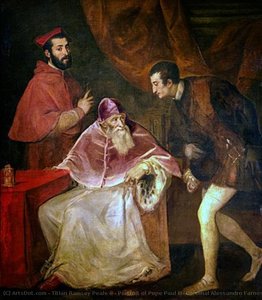
“The Beauty,” painted in 1536 by the remarkably prescient Titian Ramsay Peale II, is more than a portrait; it’s a carefully constructed echo of Venetian High Renaissance ideals transplanted to the burgeoning artistic landscape of early America. Peale, born into a family deeply intertwined with the history of American art – his father, Charles Willson Peale, was a foundational figure in establishing the nation's first museum – inherited not just an artistic legacy but also a profound respect for classical forms and techniques. This painting stands as a testament to that inheritance, demonstrating a deliberate and sophisticated engagement with the visual language of masters like Raphael and Leonardo da Vinci.
The subject herself is presented with an almost ethereal grace. Dressed in a flowing blue gown – a color historically associated with royalty and piety – she embodies a serene beauty. The rich hue is masterfully rendered, utilizing layering techniques characteristic of Peale’s style to create depth and luminosity. A delicate gold necklace encircles her neck, instantly elevating the portrait and hinting at wealth and status, while also drawing the eye to the subtle play of light across its surface. Her long hair, intricately braided, frames a face that is both youthful and contemplative; she possesses an inherent dignity that speaks volumes despite the lack of overt expression.
The Language of Detail: Technique and Artistic Intent
Peale’s meticulous approach to detail is immediately apparent upon close inspection. The artist demonstrates a remarkable command of sfumato, a technique perfected by Leonardo da Vinci, subtly blurring edges and creating an atmospheric haze that softens the forms and imbues the portrait with a sense of mystery. The rendering of fabric—the folds of the gown, the sheen of the necklace—is exceptionally realistic, achieved through careful observation and a deep understanding of anatomy and drapery. The use of oil paint allows for rich color saturation and subtle gradations, contributing to the painting’s overall luminosity. Notice particularly how Peale builds up layers of glaze – thin washes of translucent paint applied over dried underlayers – to achieve this effect.
Furthermore, the composition itself is carefully balanced, adhering to principles of Renaissance perspective. The woman is positioned slightly off-center, creating a dynamic and engaging visual arrangement. The background, though relatively simple, serves to enhance the subject’s presence without distracting from her beauty. Peale's deliberate choices in color and form are not merely decorative; they contribute significantly to the painting’s overall narrative and emotional impact.
Historical Context: Bridging Worlds
“The Beauty” was created during a pivotal moment in American history – a period of rapid growth, exploration, and self-definition. While deeply influenced by European artistic traditions, Peale's work also reflects the unique cultural context of his time. He was part of a generation striving to establish a distinct American identity within the broader framework of Western art. His father’s museum, a hub for scientific inquiry and artistic display, played a crucial role in fostering this dialogue between Old World reverence and New World expression.
The painting can be viewed as an attempt to synthesize these influences – a conscious effort to bring the idealized beauty of the Renaissance to the American scene. It’s a fascinating example of how artists navigated the complexities of cultural exchange during a period of profound transformation. Considering the date, 1536, is particularly striking; Peale was consciously referencing and adapting techniques developed centuries earlier, demonstrating an extraordinary level of artistic awareness.
Symbolism and Emotional Resonance
Beyond its technical brilliance, “The Beauty” carries a subtle yet powerful symbolic weight. The blue dress, as mentioned previously, represents virtue and piety – qualities highly valued in Renaissance portraiture. The gold necklace symbolizes wealth, status, and perhaps even divine favor. However, the woman’s expression is remarkably neutral; she doesn't smile or gaze directly at the viewer, inviting us to contemplate her beauty on our own terms. This deliberate ambiguity adds a layer of complexity to the portrait, suggesting that its true value lies not just in its aesthetic appeal but also in its ability to evoke contemplation and introspection.
Ultimately, “The Beauty” by Titian Ramsay Peale II is a captivating work of art – a testament to the enduring power of classical ideals and a poignant reflection of American artistic ambition. TopImpressionists offers meticulously crafted hand-painted reproductions that faithfully capture the artistry and nuance of this remarkable piece, allowing you to bring its timeless beauty into your home or studio.
Pitanja i odgovori
Gde mogu da kupim print dela „The Beauty”, autor Titian Rejmond Piol Ii?
Štampu dela „The Beauty”, autor Titian Rejmond Piol Ii možete naručiti direktno na njegovoj stranici za Umetnički print: umetnička štampa na pamučnom platnu ili arhivskom kanvas papiru.
Koju emociju prenosi delo "The Beauty" u okviru High Renaissance pokreta?
Romantic emocija dela "The Beauty" prati njegov High Renaissance stil.
U kom je položenu (vertikalnom ili horizontalnom) prikazano delo „The Beauty”, autor Titian Rejmond Piol Ii?
„The Beauty”, autor Titian Rejmond Piol Ii je kompozicija u Portrait formatu. Vredno je proveriti proporcije pre odabira veličine printa.
Biografija umetnika
Renesansni Odjek u Novom Svetu
Titian Ramsay Peale II zauzima fascinantan, često zapostavljen niš unutar pejzaža američke umetnosti 19. veka. Rođen u Filadelfiji 1799. godine, bio je uronjen u umetnički pedigre kao najmlađi sin Charlesa Willson Pealea, ključne figure u ranom američkom portretu i osnivača prve nacije muzeja. Iako je senka nasleđa njegovog oca bila prisutna, Titian je iskovao svoj put, duboko ukorenjen u estetskim idealima Visokog Renesansa, posebno onih koji su se širili iz Venecije. On nije samo reprodukovao stilove; kanalizovao je duboki umetnički senzibilitet, obojivajući svoje platne metičnim detaljima i živopisnom paletom boja koja ga je odvajala od mnogih njegovih savremenika. Njegov život se odigrao na pozadini procvetavajućeg američkog identiteta, a ipak je njegovo umetničko srce ostalo vezano za klasične majstore, stvarajući ubedljivo naprezanje između poštovanja Starog sveta i izraza Novog sveta.Od Skicernika Prirodnjaka do Platna Umetnika
Pealeove rane godine bile su obeležene dvostrukom fascinacijom umetnošću i prirodnom istorijom – kombinacijom koju je podstakao njegov otac svojim mnogoobraznim nastojanjima. Pratio je ekspedicije, posebno Stephen Harriman Longovu putovanje u Stjenovite planine 1819-20, dokumentujući floru i faunu sve izoštrenim umetničkim okom. Ovaj period nije bio samo o beleženju posmatranja; rečilo se o *razumevanju* oblika, svetlosti i teksture – veština koje će se pokazati nezamenjive kada je u potpunosti usmerio pažnju na slikanje. Njegov rad kao prirodnjak informisao je njegovu umetnost, dajući naučnu preciznost svojim prikazima prirode, ali i obojivajući ih emotivnim rezonancijom koja je prevazilazila samo dokumentaciju. On nije pokazivao šta stvari izgledaju; otkrivao je njihovu urođenu lepotu i duhovno značenje. Ova posvećenost obe disciplini očigledna je u delima kao što je „Plaćanje poreza“, dramatično prikazivanje koje pokazuje majstorsku upotrebu svetlosti i senke, podsećajući na Rubensa, i "Nimfa i Pastir", koji spaja prirodu, mitologiju i senzualnu lepotu.Venecijanski Uticaji i Svete Vizije
Uticaj venecijanskog kolorizma – naglasak na bogatim, sjajnim bojama i atmosferskim efektima koje su zagovarali umetnici poput Titiana (od koga je dobio svoje ime) – neosporan je u Pealeovom opusu. On nije samo kopirao ove majstore; internalizovao je njihove principe i prilagodio ih sopstvenoj umetničkoj viziji. To je posebno očigledno u njegovim verskim delima, kao što su „Posvetni oltar sa četiri sveca“ i "Pohvala pastirima". Ova dela nisu samo prikazi biblijskih scena; oni su imersivna iskustva, koja privlače gledaoca u svet duhovnog razmatranja pažljivo orkestriranim kompozicijama i majstorskom upotrebom boje da evocira emocije. Pažnja na detalje u ovim delima svedoči ne samo o njegovoj tehničkoj veštini, već i o dubokom poštovanju prema temi. „Lepota“, zapanjujući portret, dalje demonstrira njegovu sposobnost da uhvati ljudski oblik i karakter sa gracioznošću i izobrazbom.Ponovno Otkriće i Trajno Značenje
Tokom vekovima 20., Titian Ramsay Peale II je ostao u velikoj meri neopažen u umetničkim istorijskim narativima. Njegov rad nije lako uklapao preovlađujuće trendove, a njegova posvećenost klasičnom stilu činila se anahronističkom u brzorastućem umetničkom pejzažu. Međutim, poslednjih godina svedočimo rastućoj ponovnoj proceni njegovih doprinosa. Istoričari i kolekcionari prepoznaju jedinstvenu kombinaciju američkih senzibiliteta i evropskih tradicija koja karakteriše njegova slika. Ponovno otkriće njegove umetnosti nije samo o popunjavanju praznina u istoriji umetnosti; reč je o postizanju dubljeg razumevanja složenih kulturnih sila koje su oblikovale američku umetnost 19. veka. Peale predstavlja most između dva sveta, svedočenstvo trajne moći klasičnih ideala i podsetnik da se inovacija u umetnosti često javlja iz neočekivanih kombinacija uticaja. Njegove slike, sada pronađene u kolekcijama kao što su TopImpressionists, Uffizi galerija i Palazzo Pitti, nude ubedljiv uvid u zaboravljeni ugao američke istorije umetnosti – ugao obasjan sjajnom svetlošću Renesanse.
Titian Rejmond Piol Ii
1799 - 1885 , Sjedinjene Američke Države
Osnovne informacije
- Datum Rođenja: 1799
- Datum Smrti: 1885
- Ličnosti Koje Su Uticale Na Ovog Umetnika:
- Titian
- Venecijanski majstori
- Mesto Rođenja: Filadelfija, SAD
- Nacionalnost: Američki
- Puno Ime: Titian Ramsay Peale II
- Umjetnički Pokret Ili Stil: Visoka renesansa
- Značajna Djela:
- Altar Shrine with Four Saints
- Adoration of the Shepherds
- The Beauty
- Tribute Money
- Holy Family w/ Shepherd
Povezani članci

Titian Ramsay Peale II: A Legacy of Botanical Precision & Artistic Innovation
Explore the life & art of Titian Ramsay Peale II, a master of botanical precision and wildlife painting. Discover his legacy bridging art & natural history at TopImpressionists.

Azure Visions: Exploring Representations of the Blue Dress in Western Art History
Explore the rich history of the blue dress in Western art! Discover its symbolism, from Renaissance masterpieces to modern interpretations by artists like Martin & Schiele. Uncover cultural meanings and artistic techniques.

25 Remek-dela Hermitaža: Umotani u Lepotu i Istoriju | TopImpressionists.com
Otkrijte 25 remek-dela Hermitaža u Sankt Peterburgu! Istražite priče Rembrandta, Leonarda i drugih majstora. Inspiracija za dekoraciju enterijera & reprodukcije slika vrhunskog kvaliteta na TopImpressionists.com.
The Allure of Azure: Exploring the Symbolic & Aesthetic Depths of Blue in Art History
Explore the rich history of blue in art! Discover its symbolism, from ancient pigments to modern masterpieces by Kandinsky & Seurat. Uncover the psychological impact and cultural meanings behind this captivating hue.

Slate Blue Masterpieces: 10 Iconic Paintings & Timeless Home Decor Ideas
Immerse yourself in the captivating world of slate blue! Explore 10 iconic paintings by Monet, Van Gogh & Renoir. Discover their stories, techniques & find museum-quality art reproductions for your home at .
Istražite umetnička dela organizovana prema temama, stilovima i karakteristikama.