Pregledaj u prostoru
 Pošalji
 Podeli
 Detalji o delu
 Vodič
Vodič

 Preuzmi
 Slični predmeti
 Rendgenski snimak
 Automatska prezentacija
 Q&A
Q&A Statistika
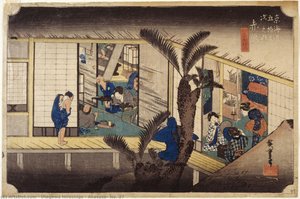
Asakusa River:


Experience Utagawa Hiroshige's "Asakusa River" – a stunning woodblock print capturing a serene night scene with boats and figures, reflecting Edo Japan’s poetic beauty.
 Pročitaj više
Otkrijte Utagawa Hiroshigea (1797–1858), poslednjeg velikog ukiyo-e majstora Japana. Istražite kultne pejzaže poput '53 stanice Tokaido puta', njegov poetski stil i dublji uticaj na impresionizam i Van Goga.
Giclee štampa / Umetnički otisak
Giclée štampa ili print na platnu muzejskog kvaliteta uz brzu izradu i raznovrsne opcije završne obrade. ( Kupite ručno oslikano delo Pređi na digitalnu sliku)




P118B дин10

P118H дин10

P118W дин10

P438Z дин10

P508JH дин12

P508YH дин12

P805H дин10

P805Z дин10

P919BZ дин10

P919G дин10

P919XJ дин10

P959ZH дин10

P968JZ дин12

W106C дин8

W218G дин10

W218JH дин8

W218Y дин10

W307PJ дин10

W316G дин10

W316PJ дин8

W316Y дин10

W398PJ дин8

W4111J дин10

W500HY дин15

W500JH дин15

W692G дин12

W849H дин8

W940BG дин15

W953PJ дин8




Standardne dimenzije
po meri
CM
INCH
Izaberite jednu od naših unapred definisanih veličina koje odgovaraju originalnim proporcijama umetničkog dela.
Loading sizes...

širina
visina
Unesite željenu širinu i visinu kako bi se štampa uklopila u vaš ram ili zid. Štampu je moguće samo iseći, ali nikada povećati iznad dimenzija originalne slike, stoga format sa drugačijim proporcijama uzrokuje gubitak dela slike. Pre početka štampe, poslaćemo vam digitalni prikaz radi potvrde. Slika prikazana na ovoj stranici ne predstavlja stvarni isrez — to pokazuje samo digitalni prikaz.
Dostava širom sveta () za 2 nedelje umesto uobičajenih 4/5 nedelja. (31 октобар)

Besplatna ekspresna dostava širom sveta

Visokokvalitetno laneno platno

Potpuno osiguranje transporta

Garancija povraćaja carine i uvoznih dažbina

Garancija vernosti boja

Politika povraćaja u roku od 100 dana (samo u slučaju nedostataka)

Garancija povrata 100% novca

Popust na više proizvoda
 Opcija sa staklom dostupna je samo za dimenzije manje od 110 cm

Asakusa River:
Giclee štampa / Umetnički otisak
Dimenzije reprodukcije
-


Ukupna cena
дин 7171
The Essence of a Nighttime Journey
Utagawa Hiroshige’s “Asakusa River” isn't merely a depiction of a scene; it’s an immersion into the heart of Edo-era Tokyo. Painted in 1857, during a period of profound transformation for Japan – grappling with Western influence while clinging fiercely to its traditions – this woodblock print captures a fleeting moment of serenity amidst bustling urban life. The image unfolds like a carefully orchestrated memory: a lone boat glides along the Sumida River under a velvet night sky, reflecting the distant glow of lanterns and the subtle shimmer of water. It’s a scene imbued with a quiet melancholy, a poignant awareness of time's passage, characteristic of Hiroshige’s signature style.
Technique and the Art of *Ukiyo-e*
Hiroshige’s mastery lies in his meticulous application of *ukiyo-e*, or “pictures of the floating world.” This technique, perfected over centuries, involved carving intricate designs onto wooden blocks – one block for each color – then painstakingly printing them onto paper. “Asakusa River” exemplifies this process brilliantly. The artist employs a delicate gradation of Prussian blue and grey to render the sky, creating an atmospheric depth that belies the relatively flat surface of the print. Notice how subtle variations in tone suggest movement within the water and the gentle sway of the boat. The use of *nagashi-zuri*, or loose-ink washes, adds a sense of fluidity and spontaneity, mimicking the ephemeral nature of light and shadow. The composition itself is carefully balanced – the boat’s trajectory draws the eye across the scene, while the distant trees and buildings provide grounding elements.
A Window into Edo Life
Asakusa in 1857 was a vibrant hub, a crossroads of commerce, religion, and entertainment. The temple of Sensō-ji, visible faintly in the background, stood as a focal point for pilgrims and locals alike. The river served as a vital artery for trade and transportation, connecting the city to its surrounding regions. Hiroshige’s choice to depict a simple boat journey – a commonplace activity for many Edo residents – elevates it into something profound. It speaks to the everyday rhythms of life, the quiet moments of contemplation amidst the constant flow of urban activity. The inclusion of figures in the boat, though largely obscured, hints at the human element within this landscape.
Symbolism and a Poetic Mood
Beyond its realistic depiction, “Asakusa River” is rich with symbolic meaning. The lone boat can be interpreted as representing the journey of life itself – a solitary voyage through an uncertain world. The river, a recurring motif in Hiroshige’s work, symbolizes both passage and transformation. The muted colors and soft lighting evoke a sense of nostalgia and melancholy, reflecting the artist's awareness of the fleeting nature of beauty and the inevitable decline of traditional Japan. It is a testament to Hiroshige’s ability to capture not just a scene, but an entire mood – a poignant meditation on time, memory, and the enduring spirit of Edo.
Collecting and Displaying This Masterpiece
Reproductions of “Asakusa River” are available in various sizes and mediums, offering collectors a chance to bring this iconic image into their homes. Consider framing it with simple, natural wood to complement the print’s understated elegance. Its calming aesthetic would be particularly well-suited for spaces seeking tranquility – bedrooms, libraries, or meditation rooms. The print's subtle color palette also harmonizes beautifully with a range of interior design styles, from minimalist to traditional Japanese.
Pitanja i odgovori
Da li je "Asakusa River:" slobodan od autorskih prava?
Što se tiče autorskih prava, delo "Asakusa River:" je u javnom vlasništvu – autorska prava su istekla.
Da li je „Asakusa River:”, autor Utagawa Hirošige svetlo ili tamno umetničko delo?
Za delo „Asakusa River:”, autor Utagawa Hirošige zabeležena je osvetljenost od deep_shadow, uz luminancu od Soft Shadow.
U kojoj fazi karijere Utagawa Hirošige se nalazi delo "Asakusa River:", s obzirom na datum njegovog nastanka?
S obzirom na datum nastanka iz 1857. godine, delo "Asakusa River:" pripada Late Period periodu umetnika Utagawa Hirošige.
Biografija umetnika
Poetična vizija Edo Japana: Život i umetnost Utagawa Hiroshigea
Utagawa Hiroshige, rođen kao Andō Tokutarō 1797. godine u užurbanom gradu Edo (moderni Tokio), predstavlja ključnu figuru u svetu ukiyo-e umetnosti, ili „slika plivajućeg sveta“. Iako duboko ukorenjen u tradiciji japanskog drvoreza, Hiroshigije je prevazišao puko ponavljanje uzora, prožimajući svoje pejzaže poetskim senzibilitetom koji je duboko odjeknuo kako u Japanu, tako i kasnije, u celom zapadnom umetničkom svetu. Njegov život se odvijao u periodu relativnog mira i prosperiteta pod šogunatom Tokugava, ali i u vreme sve većih društvenih promena i eventualne westernizacije – sila koje će na kraju doprineti opadanju ukiyo-e tradicije, čak i dok su osnaživale Hiroshigijevo neprolazno nasleđe. Prvobitno predodređen za konvencionalniji put unutar samurajske porodice – njegov otac je služio kao vatrogasni nadzornik – umetnički nagoni su ga odveli na učenika Utagawa Toyohiroa, majstora Utagawa škole. Ovo se pokazalo kao presudna prekretnica, usmeravajući ga dalje od popularnih prikaza kurtezana i glumaca koje su favorizali mnogi ukiyo-e umetnici, ka fokusu na pejzaž, žanru koji će on na kraju redefinisati.Od žanrovskih scena do evokativnih pejzaža
Hiroshigijin rani rad pridržavao se konvencija njegove škole, prikazujući portrete i scene iz svakodnevnog života. Ipak, upravo je njegovo prihvatanje pejzaža ono što ga je istinski izdvojilo. Pod uticajem ranijih majstora poput Hokusaija – čije su „Trideset i šest pogleda na planinu Fuji“ već očarale publiku – Hiroshige je razvio jedinstven stil koji karakterišu atmosferska perspektiva, suptilne palete boja i duboka osetljivost na promenu godišnjih doba. On nije samo prikazivao mesta; on je prizivao njihovo raspoloženacije, hvatajući suštinu određenog trenutka u vremenu. Serija „Pedeset i tri stanice Tokaido puta“ (1833–1834), možda njegovo najslavnije dostignuće, oličava ovaj pristup. Ovo monumentalno delo dokumentovalo je putovanje duž puta Tokaido, glavne rute koja povezuje Edo i Kiotu, ne kao običan putopis, već kao niz evokativnih vignetâ – iznenadna pljuska u Šonu, dalek vid planine Fuji iz Kanaje, užurbana aktivnost u Odawari. Svaki otisak je prožet osećajem prolaznosti i tihe lepote, pozivajući posmatrače da dožive putovanje zajedno sa putnicima. Majstorstvo je koristio i tehniku bokashi, koja uključuje višestruke imprime kako bi stvorio suptilne gradacije boja, dodajući dubinu i atmosferu svojim kompozicijama.Majstor atmosfere i tehnike
Hiroshigijina tehnička veština bila je podjednako izuzetna kao i njegova umetnička vizija. On nije bio zainteresovan samo za precizno predstavljanje; težio je tome da uhvati osećaj mesta. Njegova upotreba boje, iako često suzdržana u poređenju sa nekim njegovim savremenicima, bila je ključna u postizanju ovog efekta. Često je koristio više blokova za jednu boju, što mu je omogućavalo da stvori nijanse i atmosferske efekte koji su bili neverovatno teški za reprodukovanje. Delikatni plavi tonovi u njegovim prikazima kiše ili magle, tople nijanse jesenjeg lišća – to nisu bili slučajni elementi; bili su to pažljivo promišljeni detalji dizajnirani da izazovu specifične emocije i senzacije. Pored tehnike bokashi, Hiroshige je bio vešt u korišćenju praznog prostora – ma – koncepta centralnog za japansku estetiku, koji omogućava delovima printa da „dišu“ i pojačava opšti osećaj spokoja. Njegova serija „Sto poznatih pogleda na Edo“ (1856–1858) dodatno je pokazala njegovo majstorstvo, nudeći intimne uvide u život i pejzaže njegovog voljenog grada.Neprolazno nasleđe: Japonizam i šire
Iako je ukiyo-e tradicija počela da bledi nakon Hiroshigijeve smrti 1858. godine – što je ubrdao Meidžijev restauracija i naknadni priliv zapadne kulture – njegov uticaj na svet umetnosti pokazao se neverovatno dugovečnim. Krajem 19. veka, japanski printovi preplavili su Evropu, pokrećući fenomen poznat kao Japonizam. Umetnici poput Eduarda Maneta, Klauda Monea i Edgara Degasa bili su očarani odvažnim kompozicijama, ispravljenom perspektivom i nekonvencionalnim šemama boja ukiyo-e umetnosti, uključujući ove elemente u sopstveni rad. Vincent van Gog bio je posebno opčinjen Hiroshigijevim printovima, kreirajući kopije nekoliko njih, uključujući „Pljućni park u Kameidu“, pokazujući svoje duboko divljenje prema upotrebi boje i kompozicije ovog japanskog majstora. Hiroshigeov uticaj protezao se izvan slikarstva; može se videti u arhitekturi, dizajnu, pa čak i književnosti. Danas se Utagawa Hiroshige pamti ne samo kao briljantan umetnik, već i kao kulturni ambasador koji je pomogao u premošćivanju jaza između Istoka i Zapada, ostavivši neizbrisiv trag u istoriji umetnosti. Njegovi spokojni pejzaži nastavljaju da inspirišu strahopoštovanje i kontemplaciju, podsećajući nas na lepotu i prolaznost prirodnog sveta.Značajna dela
- Pedeset i tri stanice Tokaido puta: Hiroshigijeva najpoznatija serija, koja prikazuje putovanje glavnim putem između Eda i Kijota.
- Sto poznatih pogleda na Edo: Očaravajući prikaz života i pejzaža u njegovom voljenom gradu.
- Uticaj na seriju Japonaiserie Vincenta van Goga: Uključujući „Cvetni šum u Kameidu“, što demonstrira duboko divljenje Van Goga prema japanskom majstoru.

Utagawa Hirošige
1797 - 1858 , Japan
Osnovne informacije
- Artistic Movement Or Style: Ukiyo-e
- Artists Or Movements Influenced By This Artist:
- Manet
- Monet
- Van Gogh
- Impresionizam
- Artists Who Influenced This Artist: ['Hokusai']
- Date Of Birth: 1797
- Date Of Death: 1858
- Full Name: Utagawa Hiroshige
- Nationality: Japanac
- Notable Artworks:
- Pedeset tri stanice Tokaido puta
- Sto poznatih pogleda na Edo
- Place Of Birth: Tokio, Japan
Povezani članci

Floating Worlds: The Timeless Elegance and Cultural Magic of Ukiyo-e Art
Embark on a cultural journey through the enchanting world of Ukiyo-e. Discover the history, masters like Hokusai, and the vibrant Edo period aesthetics that continue to inspire art lovers worldwide with their timeless beauty and intricate woodblock craftsmanship.

The Soul of the Carved Line: Discovering the Timeless Magic of Japanese Woodblock Prints
Embark on a cultural journey through the delicate beauty of Japanese woodblock prints. Explore the mastery of Ukiyo-e, from Hokusai's dramatic lines to Obata's serene designs, and discover the enduring soul of this timeless art form for the discerning collector.
Istražite umetnička dela organizovana prema temama, stilovima i karakteristikama.