

Prikazano: · Sa okvirom:
 Pregledaj u prostoru
 Pošalji
 Podeli
 Detalji o delu
 Vodič
Vodič

 Preuzmi
 Slični predmeti
 Rendgenski snimak
 Automatska prezentacija
 Pitanja i odgovori
 Statistika

дин 28204
Ručno rađena uljana reprodukcija
Ručno oslikano uljanim bojama na platnu u dimenzijama i okviru po vašem izboru, izrađeno po porudžbini od strane naših umetnika. ( Pređi na štampu Pređi na digitalnu sliku)
Veličina
·Standardne dimenzije
po meri
CM
INCH
Izaberite jednu od naših unapred definisanih veličina koje odgovaraju originalnim proporcijama umetničkog dela.
Učitavanje dimenzija...

širina
visina
Unesite potrebnu širinu i visinu kako bi se slika uklopila u vaš ram ili zid. Pošto je ovo ručno oslikano delo, umetnik može za dimenzije drugačijeg oblika naslikati malo više prostora oko slike ili malo skratiti ivice — izbor je na vama. Pre početka rada, poslaćemo vam digitalni prikaz radi potvrde. Slika prikazana na ovoj stranici ne predstavlja konačan rezultat — samo digitalni prikaz pokazuje stvarnu sliku.
 Pročitajte više
Završetak
·
Beli rub дин1

zamrljene ivice дин1

Prošireno дин1

P118B дин10

P118H дин10

P118W дин10

P438Z дин10

P508JH дин12

P508YH дин12

P805H дин10

P805Z дин10

P919BZ дин10

P919G дин10

P919XJ дин10

P959ZH дин10

P968JZ дин12

W106C дин8

W218G дин10

W218JH дин8

W218Y дин10

W307PJ дин10

W316G дин10

W316PJ дин8

W316Y дин10

W398PJ дин8

W4111J дин10

W500HY дин15

W500JH дин15

W692G дин12

W849H дин8

W940BG дин15

W953PJ дин8

H24-GOLD дин30

H24-SILVER дин30

H36-GOLD дин45

H36-SILVER дин45
Isporućuje se u zaštitnoj tubi, spremno za ugradnju u vaš ram.
Dodatne usluge
opcionoŠta dodatne opcije uključuju?
Primeri onoga što se može promeniti: Zamena lica fotografijom kupca; Dodavanje ljubimca (npr. zamena mačke psom); Uključivanje skrivene poruke u pozadini; Promena pejzaža ili elemenata u pozadini.
Nakon porudžbine, tim TopImpressionists.com će poslati imejl klijentu radi dobijanja uputstava i dostaviti prikaz makete
Nakon porudžbine, tim TopImpressionists.com će poslati imejl klijentu radi dobijanja uputstava i dostaviti prikaz makete
Svetska isporuka () za 3/4 nedelje umesto uobičajenih 5 nedelja. (6 новембар). Bez kompromisa po pitanju kvaliteta.
Zaštitni lak
Kratki opis natpisa
Detalji gravirane bronze ploče
This elegant plaque features the artist's name and the title of the artwork, finely engraved for a timeless presentation.
It is made from bronze with a refined, elegant finish. The text is precisely laser-engraved for a sharp and permanent result. Measuring 9x2 cm, the plaque is compact yet easy to read. It's built to be durable and scratch-resistant, offering a professional, museum-quality look. Mounting is simple thanks to the included adhesive backing.
Detalji prozirne akrilne pločice
The plaque includes essential engraved details such as the artist's name, the title of the artwork, the date it was created, the type of media used-like oil on canvas or watercolor-a brief description of the piece, and a QR code that links to the complete artwork information.
It is crafted from clear acrylic, offering a sleek, modern appearance. The text is UV-engraved in black to ensure strong visual contrast. With a size of 10x15 cm, it ensures optimal readability. It comes equipped with two metal hooks for secure wall mounting. The plaque is designed to be weather-resistant, making it suitable for various environments, and it includes interactive features that work seamlessly with smartphone scanning.
Detalji crne akrilne pločice
This elegant plaque includes engraved information such as the artist's name, the title of the artwork, the date it was created, the type of media used (like oil on canvas or watercolor), a short description of the artwork, and a QR code for quick access to more information.
The plaque itself is made from refined black acrylic with a premium finish. The text is laser-engraved in white for high contrast and readability. Its size is 10x15 cm, designed to be easy to read. It comes with two metal hooks for professional mounting. The design is sleek and fits any interior style. It is also weather-resistant and durable, with built-in digital integration for mobile compatibility.
Opcija sa staklom dostupna je samo za dimenzije manje od 110 cm
 Opcija sa staklom dostupna je samo za dimenzije manje od 110 cm
- Besplatna ekspresna dostava širom sveta
- Visokokvalitetno laneno platno
- Potpuno osiguranje transporta
- Garancija povraćaja carine i uvoznih dažbina
- Garancija vernosti boja
- Politika povraćaja u roku od 100 dana (samo u slučaju nedostataka)
- Garancija povrata 100% novca
- Popust na više proizvoda


Opis predmeta
Biografija umetnika
Vinsent van Gog (1853-1890): Istražite život i umetnost holandskog postimpresionističkog majstora iza dela 'Zvezdana noć' i 'Suncokreti'. Otkrijte njegov hrabar stil i trajan uticaj na modernu umetnost.
O slici
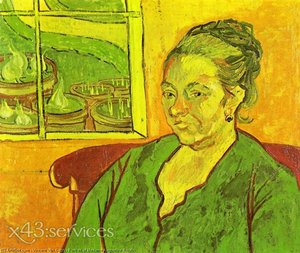
A Glimpse into Arlesian Life: Van Gogh's Portrait of Armand Roulin
Vincent van Gogh’s Portrait of Armand Joseph Desire Roulin, painted in December 1888 during his time in Arles, offers a remarkably intimate window into the everyday life of a working-class family. More than just a likeness, this painting embodies Van Gogh's burgeoning empathy and his deliberate attempt to capture not merely appearance but also character – a quality he relentlessly pursued throughout his tragically short career. The subject, Armand Roulin, the eldest son of postmaster Joseph Roulin, is presented with an uncommon directness, meeting the viewer’s gaze with a thoughtful, almost melancholic expression. This isn't the flamboyant self-portraiture that would later define Van Gogh’s style; instead, it’s a quiet observation, a moment frozen in time.
The painting’s composition is deceptively simple yet profoundly effective. The young man, dressed in a vibrant yellow jacket – a color often associated with optimism and energy within Van Gogh's palette – stands against a backdrop of ‘Veronese green,’ a rich, verdant hue that evokes the landscapes of Southern France. This carefully chosen background subtly elevates Armand’s presence, suggesting a connection to the land and its people. The lighting is soft and diffused, highlighting the planes of his face and emphasizing the seriousness in his eyes. Notice how Van Gogh utilizes short, broken brushstrokes – a hallmark of his impasto technique – to build texture and depth onto the surface of the canvas, creating a palpable sense of physicality.
The Painter’s Intimacy: A Friendship Forged in Observation
This particular portrait holds significant weight within Van Gogh's oeuvre. It was created shortly after he established a close friendship with Joseph Roulin and his family, who lived near the Yellow House in Arles where Van Gogh had hoped to establish an artist’s colony. The Roulins became frequent subjects of Van Gogh’s work; he painted numerous portraits of them, capturing their personalities and daily routines. Armand's preference for this version – it is believed to be the second iteration of a similar composition – suggests that Van Gogh had successfully connected with the young man, achieving a level of rapport rarely seen in his commissioned works. This intimacy is crucial to understanding the painting’s emotional resonance; it transcends mere representation and becomes a genuine expression of human connection.
Interestingly, this portrait predates the more turbulent period of Van Gogh's life, marked by increasing mental instability and artistic experimentation. It represents a time when his focus was primarily on observing and documenting the lives around him with a gentle, almost reverent approach. The deliberate simplicity of the pose and the directness of Armand’s gaze speak to this early phase of his development – a period characterized by a profound desire to understand and portray the world through honest observation.
Symbolism and Emotional Resonance
While seemingly straightforward, Portrait of Armand Joseph Desire Roulin is rich in subtle symbolism. The yellow jacket, as mentioned earlier, represents hope and vitality, but it also subtly hints at the potential for change and growth – a characteristic often associated with youth. Armand’s serious expression isn't one of defiance or anger; rather, it conveys a quiet thoughtfulness, perhaps reflecting the burdens and responsibilities of his age. The background, with its verdant hues, connects him to the land and the community he belongs to, grounding him in a tangible reality.
Ultimately, this portrait is a testament to Van Gogh’s ability to capture not just physical likeness but also the essence of a person's character. It’s a poignant reminder of his dedication to portraying the dignity and humanity of ordinary individuals – a commitment that continues to resonate with viewers today. A reproduction of this work offers a beautiful opportunity to bring a piece of Arlesian life into your home, capturing the quiet strength and thoughtful gaze of a young man caught in the currents of history.
Pitanja i odgovori
Koju emociju prenosi delo "Portrait d" u okviru Post-Impressionism pokreta?
U okviru pokreta Post-Impressionism, delo "Portrait d" je prikazano sa Reflective tonom.
Koliko su harmonične boje dela „Portrait d”, autor Vincent Van Gogh?
„Portrait d”, autor Vincent Van Gogh prikazuje Discordant Palette kolorističku harmoniju.
Gde i za šta se preporučuje "Portrait d"?
„Portrait d”, autor Vincent Van Gogh se preporučuje za Reflective, idealno u Living Room. Upotreba i prostor zajedno ukazuju na to gde reprodukcija najbolje pristaje.
Brze činjenice i kviz o umetnosti
O Vincent Van Gogh

Vincent Van Gogh
1853 - 1890, Holandija
Biografija umetnika
Život ispunjen strastima: Vincent van Gogh
Vincent Willem van Gogh, čije se ime nerazdvojno veže uz živopisne boje i golemu emotivnost, ostaje jedna od najprepoznatljivijih i najomiljenijih figura u istoriji umetnosti. Rođen 30. marta 1853. godine u Zunderu, Holandiji, njegov put od neuspešnog mladića koji je tražio smisao do umetničkog vizionara priča je o posvećenosti, borbi i trajnom nasleđu. Iako nije postigao komercijalni uspeh tokom svog života – prodao je samo jednu sliku, *Crvenu vinogradu*, pre smrti – njegov uticaj na modernu umetnost je neizmeran, otvarajući put ekspresionizmu i inspirisavši brojne umetnike koji su ga sledili. Njegova priča nije samo o potezima kista i platnima; ona je svedoštvo moći ljudskog izraza u suočavanju sa teškoćama.Rane godine i umetnički polet
Van Goghov raniji život bio je obeležen nizom neostvarenih ambicija. Pokušao je različite profesije – kao trgovac umetninama, učitelj, pa čak i misionar – pre nego što se konačno posvetio slikanju relativno kasno, sa 27 godina. Ta ranija iskustva duboko su oblikovala njegov pogled na svet i odrazila su se u njegovoj umetnosti. Njegovi prvi radovi, koji prikazuju scene seljačkog života u ruralnoj Belgiji, odražavaju duboku empatiju prema radničkoj klasi i sombernu paletu koja odslikava njihove tegobe. Pod uticajem umetnika poput Žan-Fransoa Mijea, Van Gogh je nastojao da uhvati dostojanstvo i otpornost tih pojedinaca kroz oštar realizam. Međutim, njegov preseljenje u Pariz 1886. godine se pokazalo transformativnim. Tamo je upoznao impresionizam i postimpresionizam, usvajajući tehnike majstora poput Moneta, Renoara i Pisara. Ta izloženost proširila je njegove umetničke horizonte, navodeći ga da eksperimentiše sa življim bojama i slobodnijim potezima kista, zadržavajući istovremeno osebujan emotivni intenzitet koji je bio odsustvo kod mnogih njegovih savremenika. Njegov brat Teo, trgovac umetninama, igrao je ključnu ulogu tokom ovog perioda, pružajući finansijsku podršku i delujući kao vitalna veza sa parižanskom umetničkom scenom. Njihova opsežna korespondencija pruža neprocenjive uvide u Van Goghov umetnički razvoj i lične borbe.Južno svetlo i eksplozivna kreativnost
Tražeći živopisniji krajolik i osećaj obnove, Van Gogh se preselio u Arl na jugu Francuske 1888. godine. Ovaj potez označio je period intenzivne stvaralačke produkcije, karakterisan eksplozijom boja i izrazitom tehnikom impasta – nanošenjem boje debelo na platno, stvarajući teksturiranu površinu koja pulsira energijom. Upravo ovde je stvorio neka od svojih najpoznatijih dela: *Sunflowers*, *Noćni kafe*, i *Zvezdana noć*. Intenzivna provansalska svetlost činila se da je zapalila njegovu maštu, navodeći ga da prikazuje pejzaže i mrtve prirode sa neviđenom živahnošću. Njegova želja za umetničkom saradnjom dovela ga je do toga da pozove Pola Gauguina da mu se pridruži u Arlu, nadajući se da će uspostaviti utopijsku koloniju umetnika. Međutim, njihov odnos je bio buran, što je kulminiralo dramatičnim sukobom koji je rezultirao tim što je Van Gogh mutilovao svoje uvo. Ovaj događaj naglasio je krhkost njegovog mentalnog stanja i označio početak perioda institucionalizacije i sve većih psiholoških tegoba.Kasnije godine i trajni uticaj
Nakon sloma, Van Gogh se dobrovoljno uneo u azil u Sent-Remi, gde je nastavio da slika izuzetno produktivno, hvatajući okolne pejzaže sa lepotom i turbulencijom. Dela poput *Zvezdane noći*, naslikana tokom ovog perioda, ispunjena su osećajem kosmičke čudešnosti i duboke emotivne dubine. Kasnije se preselio u Ovr-sir-Uaz pod paskom dr Pol Gacheta, ali su njegove borbe nastavile. 29. jula 1890. godine, Van Gogh je tragično umro od posledica samoubistva pucanjem iz pištolja u dobi od 37 godina. Iako nije postigao priznanje tokom svog života, njegova dela su počela da dobijaju posthumno priznanje zahvaljujući prvenstveno neumornim naporima njegove svekrve Johane van Gogh-Bonger, koja je nasledila njegovu imovinu i posvetila se promovisanju njegove umetnosti. Danas se Van Gogova dela slave širom sveta zbog emotivne intenzivnosti, inovativnih tehnika i trajnog lepote. Njegovo nasleđe se proteže daleko izvan platna; on je postao simbol umetničke strasti, upornosti pred teškoćama i moći umetnosti da izrazi najdublje ljudske emocije.Ključni uticaji i umetnički razvoj
- Rani realizam: Prikazi seljačkog života Žan-Fransoa Mijea uticali su na Van Goghovu ranu dela.
- Impresionizam & Postimpresionizam: Izloženost Monetu, Renoaru, Pissaru i drugima u Parizu proširila je njegovu paletu i tehniku.
- Japanska štamparija: Van Gogha su duboko uticali japanski drvorezi, koje je strastveno prikupljao. Njihove jake kompozicije i ravni planovi boja uticali su na njegov stil.
- Emocionalno izražavanje: Pre svega, Van Gogh je nastojao da prenese emociju kroz svoju umetnost, prioritet dajući subjektivnom iskustvu nad objektivnim predstavljanjem. Ovaj fokus na emotivnu intenzitet postao je definisujuća karakteristika njegovog rada i utro je put ekspresionizmu.
Kratke činjenice o umetniku Vincent Van Gogh
- Datum Rođenja: 30. mart 1853.
- Datum Smrti: 29. jul 1890.
- Istaknuta Dela:
- Kartofi
- Suncokreti
- Zvezdnna noć
- Noćni kafe
- Polja sa gavranima
- Mesto Rođenja: Zundert, Holandija
- Nacionalnost: Holanđanin
- Pokreti Pod Uticajem:
- Ekspresionizam
- Fauvizam
- Puno Ime: Vincent Willem van Gogh
- Umetnički Pokret: Postimpresionizam
- Uticajni Umetnici:
- Žan-Fransoa Miler
- Rembrandt van Rijn
Srodna umetnička dela




Istražite umetnička dela organizovana prema temama, stilovima i karakteristikama.


Vincent Van Gogh
Portrait d
() ·
Sa okvirom: · Ručno oslikano uljanim bojama na platnu od lana
Ukupno