

 Pregledaj u prostoru
 Podeli
 Podeli
 Detalji
 Vodič
Vodič

 Preuzmi sliku
 Slični predmeti
 Rendgenski snimak
 Automatska prezentacija
 Statistika
Сан Баргајзи
 Ulje na platnu
- Umetnost za zidove
- Post-Impressionizam
 1888
1888- 19. vek
 55.0 x 66.0 cm
 Музеј Фолкуанг
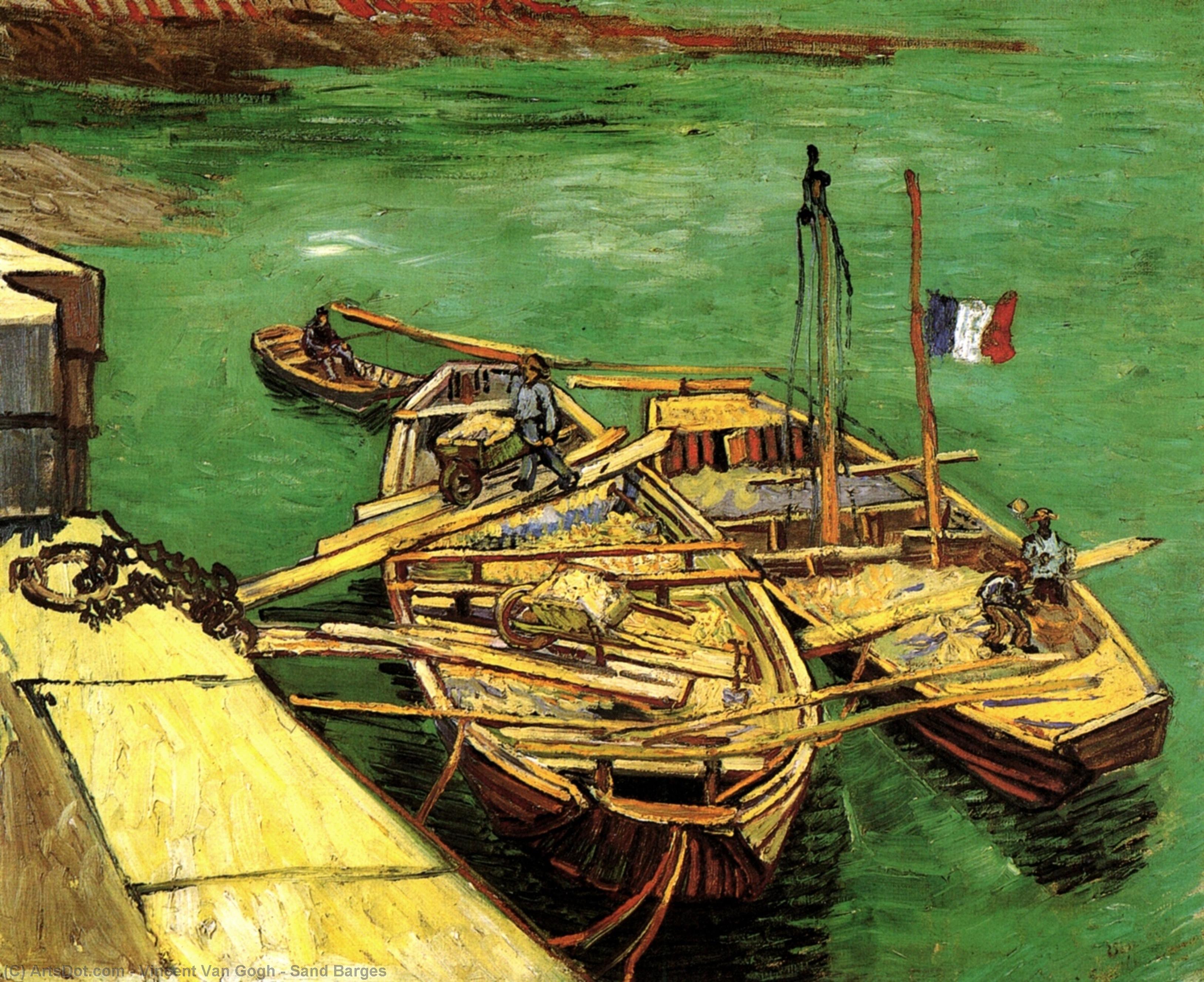
У "Сан Баргајзи" Винсент ван Гох карактерише се живописним бојама и снажним мастилом, уживајући у дивљанству провинцијског живота у Арлесу.
 Pročitaj više
Van Gog, holandski postimpresionista, poznat po delima poput 'Zvezdane noći' i 'Suncokreta'. Njegova ekspresivna tehnika i intenzivne boje revolucionarisale su umetnost i uticale na moderne pokrete.
Ručno rađena uljana reprodukcija
Ručno oslikano uljanim bojama na platnu u dimenzijama i okviru po vašem izboru, izrađeno po porudžbini od strane naših umetnika. ( Pređi na prodaju štampanih primeraka Pređi na prodaju digitalnih slika)




P118B $10

P118H $10

P118W $10

P438Z $10

P508JH $12

P508YH $12

P805H $10

P805Z $10

P919BZ $10

P919G $10

P919XJ $10

P959ZH $10

P968JZ $12

W106C $8

W218G $10

W218JH $8

W218Y $10

W307PJ $10

W316G $10

W316PJ $8

W316Y $10

W398PJ $8

W4111J $10

W500HY $15

W500JH $15

W692G $12

W849H $8

W940BG $15

W953PJ $8




Standardne dimenzije
po meri
CM
INCH
Izaberite jednu od naših unapred definisanih veličina koje odgovaraju originalnim proporcijama umetničkog dela.
Loading sizes...

širina
visina
Možete uneti sopstvene dimenzije kako biste prilagodili umetničko delo određenom okviru ili prostoru. Ako odabrana veličina ne odgovara proporcijama originala, slika će biti isečena ili proširena dodatnim elementima koji se ručno oslikavaju. Digitalni prikaz će vam biti poslat na odobrenje pre početka proizvodnje.
Imajte na umu da pregled na ekranu ne odražava stvarno prisecanje ili proširenje. Samo mockup će precizno prikazati konačnu kompoziciju.
Iako su dostupne prilagođene veličine, preporučujemo da izaberete dimenziju iz unapred definisane liste kako biste sačuvali originalne proporcije.
Primeri mogućih izmena: Zamena lica fotografijom kupca; Dodavanje ljubimca (npr. zamena mačke psom); Uključivanje skrivene poruke u pozadini; Promena pejzaža ili elemenata pozadine.
Nakon narudžbine, tim TopImpressionists.com će klijentu putem e-pošte poslati uputstva i dostaviti prikaz predloženog rešenja
Nakon narudžbine, tim TopImpressionists.com će klijentu putem e-pošte poslati uputstva i dostaviti prikaz predloženog rešenja
Svetska isporuka () za 3/4 nedelje umesto uobičajenih 5 nedelja. (23 септембар). Bez kompromisa po pitanju kvaliteta.

Besplatna ekspresna dostava širom sveta

Visokokvalitetno laneno platno

Sveobuhvatno osiguranje transporta

Garancija povraćaja carine i uvoznih dažbina

Garancija vernosti boja i autentičnosti pri reprodukciji

Politika povraćaja u roku od 100 dana (samo u slučaju nedostataka)

Garancija povrata 100% novca

Popust pri većoj količini
 Opcija sa staklom dostupna je samo za dimenzije manje od 110 cm

Сан Баргајзи
Tehnika izrade reprodukcije
Veličina reprodukcije
-


Ukupna cena
$ 269
Sand Barges: A Glimpse of Arlesian Life by Vincent van Gogh
Vincent van Gogh's Sand Barges, painted in 1888, offers a captivating snapshot of everyday life in Arles, France. This oil on canvas (55 x 66 cm), now residing at the Museum Folkwang in Essen, Germany, transcends a simple depiction of industrial activity; it embodies Van Gogh’s unique ability to infuse ordinary scenes with vibrant energy and emotional depth. The painting is part of a series exploring the Rhône river and its bustling port, showcasing his fascination with capturing the dynamism of working-class life.
Composition and Artistic Technique
The scene unfolds along a quay where three barges are moored, each distinct in size and shape. Van Gogh’s masterful use of color immediately draws the eye: purplish pink hues dominate the boats, contrasting strikingly with the intense green of the water. A French tricolor flag proudly flies from one mast, adding a touch of national identity to the composition. In the foreground, a workman diligently unloads sand from a wheelbarrow, while other figures are engaged in various tasks related to the barges, creating a sense of bustling activity. Notably, Van Gogh omits the sky, focusing entirely on the immediate scene and intensifying the intimacy of the moment.
Van Gogh’s signature Post-Impressionist style is evident throughout Sand Barges. Bold, expressive brushstrokes create a palpable sense of movement and energy. The thick application of paint (impasto) adds texture and depth to the canvas, further enhancing the vibrancy of the colors. This technique not only captures the physical reality of the scene but also conveys Van Gogh’s emotional response to it – a feeling of vitality and industriousness.
Historical Context and Symbolism
Painted during Van Gogh's time in Arles, Sand Barges reflects his desire to capture the essence of Provençal life. He was deeply inspired by the region’s landscapes and people, seeking to portray their daily routines with honesty and empathy. The painting provides a valuable glimpse into the industrial activity along the Rhône river during the late 19th century, when Arles served as an important trading hub.
Beyond its documentary value, Sand Barges carries symbolic weight. The barges themselves can be interpreted as symbols of labor and perseverance, representing the hard work and dedication of the people who relied on the river for their livelihood. The vibrant colors, particularly the striking contrast between pink and green, evoke a sense of optimism and vitality, even amidst the toil of manual labor. The absence of the sky could symbolize Van Gogh’s focus on the immediate present, emphasizing the importance of appreciating the beauty in everyday moments.
Legacy and Emotional Impact
Sand Barges stands as a testament to Van Gogh’s enduring legacy as one of history’s most influential artists. His ability to transform ordinary scenes into extraordinary works of art continues to inspire generations of painters and art enthusiasts alike. The painting's vibrant colors, dynamic composition, and emotional depth resonate deeply with viewers, evoking feelings of warmth, energy, and a profound appreciation for the beauty of everyday life. For collectors and interior designers, Sand Barges offers a unique opportunity to bring a piece of Van Gogh’s genius into their homes, creating a captivating focal point that sparks conversation and inspires contemplation.
Srodna umetnička dela


Biografija umetnika
Život ispunjen strastima: Vincent van Gogh
Vincent Willem van Gogh, čije se ime nerazdvojno veže uz živopisne boje i golemu emotivnost, ostaje jedna od najprepoznatljivijih i najomiljenijih figura u istoriji umetnosti. Rođen 30. marta 1853. godine u Zunderu, Holandiji, njegov put od neuspešnog mladića koji je tražio smisao do umetničkog vizionara priča je o posvećenosti, borbi i trajnom nasleđu. Iako nije postigao komercijalni uspeh tokom svog života – prodao je samo jednu sliku, *Crvenu vinogradu*, pre smrti – njegov uticaj na modernu umetnost je neizmeran, otvarajući put ekspresionizmu i inspirisavši brojne umetnike koji su ga sledili. Njegova priča nije samo o potezima kista i platnima; ona je svedoštvo moći ljudskog izraza u suočavanju sa teškoćama.Rane godine i umetnički polet
Van Goghov raniji život bio je obeležen nizom neostvarenih ambicija. Pokušao je različite profesije – kao trgovac umetninama, učitelj, pa čak i misionar – pre nego što se konačno posvetio slikanju relativno kasno, sa 27 godina. Ta ranija iskustva duboko su oblikovala njegov pogled na svet i odrazila su se u njegovoj umetnosti. Njegovi prvi radovi, koji prikazuju scene seljačkog života u ruralnoj Belgiji, odražavaju duboku empatiju prema radničkoj klasi i sombernu paletu koja odslikava njihove tegobe. Pod uticajem umetnika poput Žan-Fransoa Mijea, Van Gogh je nastojao da uhvati dostojanstvo i otpornost tih pojedinaca kroz oštar realizam. Međutim, njegov preseljenje u Pariz 1886. godine se pokazalo transformativnim. Tamo je upoznao impresionizam i postimpresionizam, usvajajući tehnike majstora poput Moneta, Renoara i Pisara. Ta izloženost proširila je njegove umetničke horizonte, navodeći ga da eksperimentiše sa življim bojama i slobodnijim potezima kista, zadržavajući istovremeno osebujan emotivni intenzitet koji je bio odsustvo kod mnogih njegovih savremenika. Njegov brat Teo, trgovac umetninama, igrao je ključnu ulogu tokom ovog perioda, pružajući finansijsku podršku i delujući kao vitalna veza sa parižanskom umetničkom scenom. Njihova opsežna korespondencija pruža neprocenjive uvide u Van Goghov umetnički razvoj i lične borbe.Južno svetlo i eksplozivna kreativnost
Tražeći živopisniji krajolik i osećaj obnove, Van Gogh se preselio u Arl na jugu Francuske 1888. godine. Ovaj potez označio je period intenzivne stvaralačke produkcije, karakterisan eksplozijom boja i izrazitom tehnikom impasta – nanošenjem boje debelo na platno, stvarajući teksturiranu površinu koja pulsira energijom. Upravo ovde je stvorio neka od svojih najpoznatijih dela: *Sunflowers*, *Noćni kafe*, i *Zvezdana noć*. Intenzivna provansalska svetlost činila se da je zapalila njegovu maštu, navodeći ga da prikazuje pejzaže i mrtve prirode sa neviđenom živahnošću. Njegova želja za umetničkom saradnjom dovela ga je do toga da pozove Pola Gauguina da mu se pridruži u Arlu, nadajući se da će uspostaviti utopijsku koloniju umetnika. Međutim, njihov odnos je bio buran, što je kulminiralo dramatičnim sukobom koji je rezultirao tim što je Van Gogh mutilovao svoje uvo. Ovaj događaj naglasio je krhkost njegovog mentalnog stanja i označio početak perioda institucionalizacije i sve većih psiholoških tegoba.Kasnije godine i trajni uticaj
Nakon sloma, Van Gogh se dobrovoljno uneo u azil u Sent-Remi, gde je nastavio da slika izuzetno produktivno, hvatajući okolne pejzaže sa lepotom i turbulencijom. Dela poput *Zvezdane noći*, naslikana tokom ovog perioda, ispunjena su osećajem kosmičke čudešnosti i duboke emotivne dubine. Kasnije se preselio u Ovr-sir-Uaz pod paskom dr Pol Gacheta, ali su njegove borbe nastavile. 29. jula 1890. godine, Van Gogh je tragično umro od posledica samoubistva pucanjem iz pištolja u dobi od 37 godina. Iako nije postigao priznanje tokom svog života, njegova dela su počela da dobijaju posthumno priznanje zahvaljujući prvenstveno neumornim naporima njegove svekrve Johane van Gogh-Bonger, koja je nasledila njegovu imovinu i posvetila se promovisanju njegove umetnosti. Danas se Van Gogova dela slave širom sveta zbog emotivne intenzivnosti, inovativnih tehnika i trajnog lepote. Njegovo nasleđe se proteže daleko izvan platna; on je postao simbol umetničke strasti, upornosti pred teškoćama i moći umetnosti da izrazi najdublje ljudske emocije.Ključni uticaji i umetnički razvoj
- Rani realizam: Prikazi seljačkog života Žan-Fransoa Mijea uticali su na Van Goghovu ranu dela.
- Impresionizam & Postimpresionizam: Izloženost Monetu, Renoaru, Pissaru i drugima u Parizu proširila je njegovu paletu i tehniku.
- Japanska štamparija: Van Gogha su duboko uticali japanski drvorezi, koje je strastveno prikupljao. Njihove jake kompozicije i ravni planovi boja uticali su na njegov stil.
- Emocionalno izražavanje: Pre svega, Van Gogh je nastojao da prenese emociju kroz svoju umetnost, prioritet dajući subjektivnom iskustvu nad objektivnim predstavljanjem. Ovaj fokus na emotivnu intenzitet postao je definisujuća karakteristika njegovog rada i utro je put ekspresionizmu.

Vincent Van Gog
1853 - 1890 , Holandija
Brzi pregled
- Datum Rođenja: 30. mart 1853.
- Datum Smrti: 29. jul 1890.
- Istaknuta Dela:
- Kartofi
- Suncokreti
- Zvezdnna noć
- Noćni kafe
- Polja sa gavranima
- Mesto Rođenja: Zundert, Holandija
- Nacionalnost: Holanđanin
- Pokreti Pod Uticajem:
- Ekspresionizam
- Fauvizam
- Puno Ime: Vincent Willem van Gogh
- Umetnički Pokret: Postimpresionizam
- Uticajni Umetnici:
- Žan-Fransoa Miler
- Rembrandt van Rijn
Srodni članci

The Soul of the Brushstroke: Decoding Van Gogh's Emotional Impasto
Explore the profound emotional depth of Van Gogh's impasto technique. Discover how his sculptural brushstrokes and textured oil layers define Post-Impressionism through an expert art-historical lens, perfect for discerning collectors and fine art enthusiasts.
Istražite umetnička dela organizovana prema temama, stilovima i karakteristikama.


