


 Pregledaj u prostoru
 Podeli
 Podeli
 Detalji
 Vodič
Vodič

 Preuzmi sliku
 Slični predmeti
 Rendgenski snimak
 Automatska prezentacija
 Statistika
St Luke


Witness the serene beauty of St Luke by Vincenzo Foppa (1510), a Renaissance masterpiece depicting the Evangelist's contemplative pose within a richly detailed fresco. Explore its symbolism and artistic significance.
 Pročitaj više
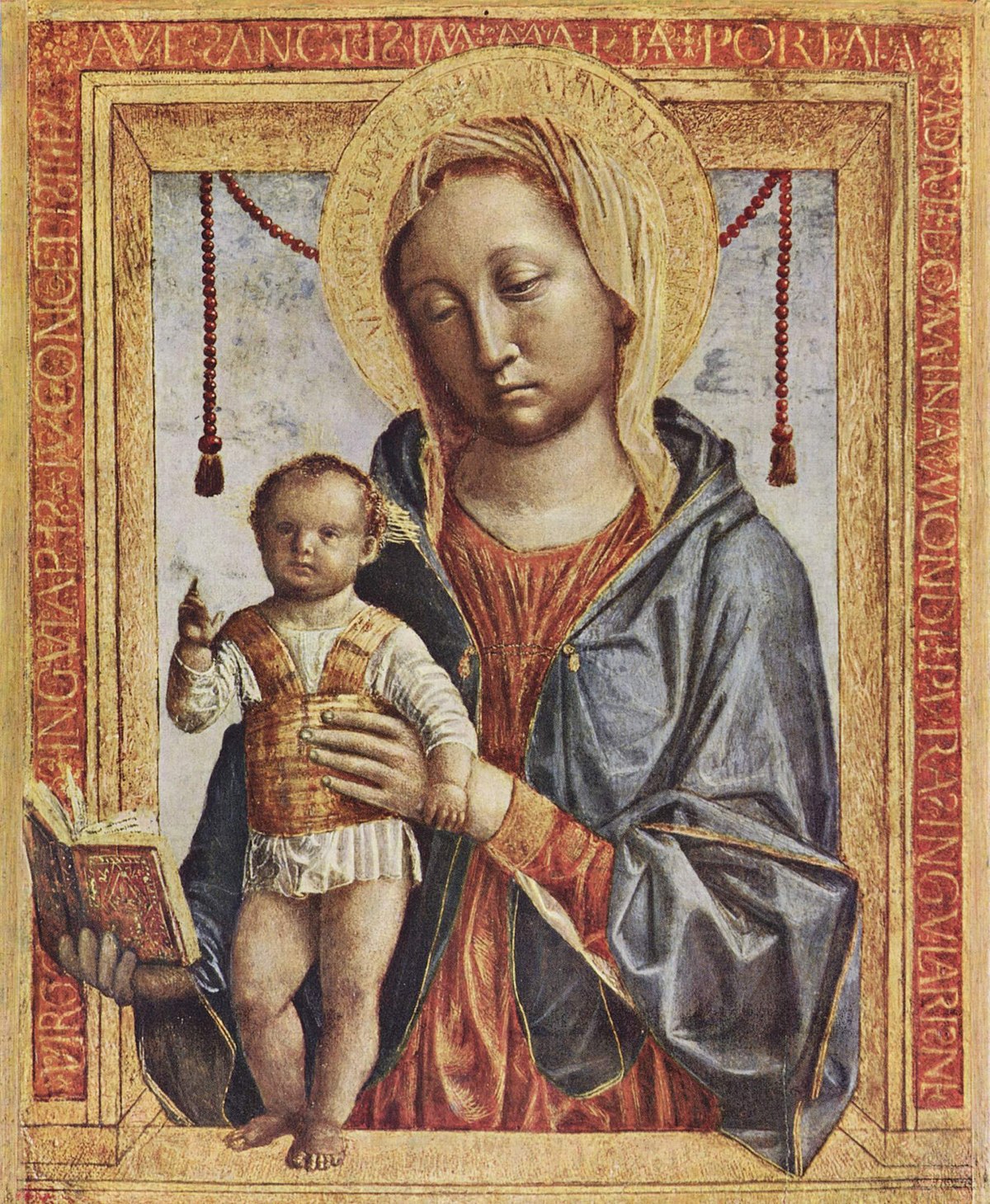
Otkrijte Vincenzo Foppa (1427-1515), ključnog renesanskog slikara i osnivača lombardške škole. Istražite njegove freske, portrete i jedinstveno umetničko nasleđe pod uticajem Bellinija & Mantegne.
Giclee štampa / Umetnički otisak
Giclée štampa ili print na platnu muzejskog kvaliteta uz brzu izradu i raznovrsne opcije završne obrade. ( Naručite ručno oslikano reprodukciju Pređi na prodaju digitalnih slika)




P118B $10

P118H $10

P118W $10

P438Z $10

P508JH $12

P508YH $12

P805H $10

P805Z $10

P919BZ $10

P919G $10

P919XJ $10

P959ZH $10

P968JZ $12

W106C $8

W218G $10

W218JH $8

W218Y $10

W307PJ $10

W316G $10

W316PJ $8

W316Y $10

W398PJ $8

W4111J $10

W500HY $15

W500JH $15

W692G $12

W849H $8

W940BG $15

W953PJ $8




Standardne dimenzije
po meri
CM
INCH
Izaberite jednu od naših unapred definisanih veličina koje odgovaraju originalnim proporcijama umetničkog dela.
Loading sizes...

širina
visina
Možete uneti sopstvene dimenzije kako biste umetničko delo prilagodili specifičnom okviru ili prostoru. Ako odabrani format ne odgovara proporcijama originalne slike, mi ćemo ili iscrtati deo dela ili proširiti sliku pomoću ogledane ivice ili jednobojnog popunjavanja. Digitalni prikaz će vam biti poslat na odobrenje pre početka proizvodnje.
Imajte na umu da pregled na ekranu ne odražava stvarno iscrtavanje ili proširivanje. Samo će prikaz (mockup) precizno pokazati finalnu kompoziciju.
Iako su prilagođene dimenzije dostupne, preporučujemo da odaberete dimenziju sa unapred definisane liste kako biste očuvali originalne proporcije.
Dostava širom sveta () za 2 nedelje umesto uobičajenih 4/5 nedelja. (26 септембар)

Besplatna ekspresna dostava širom sveta

Visokokvalitetno laneno platno

Sveobuhvatno osiguranje transporta

Garancija povraćaja carine i uvoznih dažbina

Garancija vernosti boja i autentičnosti pri reprodukciji

Politika povraćaja u roku od 100 dana (samo u slučaju nedostataka)

Garancija povrata 100% novca

Popust pri većoj količini
 Opcija sa staklom dostupna je samo za dimenzije manje od 110 cm

St Luke
Giclee štampa / Umetnički otisak
Veličina reprodukcije
-


Ukupna cena
$ 69
The Serene Figure of St Luke – A Window into the Lombard School
Vincenzo Foppa’s fresco depicting St Luke, housed within the magnificent San Maurizio al Monastero Maggiore in Milan, is more than just a devotional image; it's a captivating glimpse into the artistic landscape of early 16th-century Italy. Created around 1510, this work stands as a testament to Foppa’s mastery of Renaissance techniques and his unique contribution to the burgeoning Lombard school of painting. The scene immediately draws the eye with its quiet dignity – St Luke, an elderly figure radiating wisdom and piety, occupies the central space, framed by the subtle yet powerful presence of two angelic figures. The muted palette—earth tones interwoven with delicate blues and greens—evokes a sense of timelessness and spiritual contemplation, characteristic of frescoes produced during this period. Notice how Foppa skillfully employs perspective to create depth, drawing the viewer into the scene and emphasizing St Luke’s importance within it.
Hands of a Scholar and Evangelist
The hands of St Luke are particularly noteworthy, acting as focal points within the composition. Raised slightly above his body, they suggest both an act of offering and a gesture of pointing – perhaps towards the Gospel he is holding, or even to God himself. The detail in their rendering—the subtle veins, the delicate musculature—demonstrates Foppa’s meticulous attention to anatomical accuracy, a hallmark of Renaissance art. The ambiguity surrounding the objects held in his hands adds another layer of intrigue; while often interpreted as representing the Gospel of Luke, the second object remains deliberately obscured, inviting viewers to contemplate its symbolic significance. This deliberate withholding of clarity is not simply an artistic choice but reflects the complex and layered nature of faith itself.
A Symphony of Light and Shadow – The Lombard School’s Influence
Foppa's style firmly places him within the Lombard school, a movement that emerged in Northern Italy during the early 15th century. Unlike the High Renaissance ideals dominating Florence and Rome, the Lombard school prioritized a more intimate and emotionally resonant approach to painting. The use of diffused light, characteristic of fresco techniques, creates an atmospheric quality, bathing the scene in a soft glow. The influence of artists like Gentile da Fabriano and Pisanello is readily apparent – particularly in the delicate rendering of drapery and the expressive faces of the angels. The slightly elongated figures, a common feature of the Lombard style, contribute to a sense of grace and elegance. The background elements—the architectural details and floral motifs—further enhance this atmosphere, suggesting an interior setting within a sacred space.
Historical Context and Artistic Legacy
The creation of St Luke’s fresco coincided with a period of significant artistic and political change in Milan. The Sforza family, powerful dukes who ruled the city, were major patrons of the arts, commissioning works that reflected their wealth and prestige. Foppa's work is therefore inextricably linked to this vibrant cultural environment. His dedication to his craft, coupled with his technical skill and artistic vision, solidified his position as a leading figure in the Lombard school. Though relatively few of his paintings survive, St Luke’s fresco remains a powerful testament to his legacy – a serene and evocative depiction of faith, scholarship, and the enduring beauty of Renaissance art. It's a piece that invites contemplation and offers a profound connection to the artistic traditions of Northern Italy.
Biografija umetnika
Lombard Vizionar: Život i umetnost Vincenzoja Foppe
Vincenzo Foppa, ime koje možda nije odmah prepoznatljivo kao imena njegovih renesansnih kolega, ipak stoji kao ključna figura u istoriji italijanske umetnosti. Rođen oko 1427. godine u Bagnolo Mella, blizu Brescije, Foppa se pojavio kao vodeća svetlost ranog lombardskog školskog slikarstva, stvarajući prepoznatljiv stil koji je spajao gotičke tradicije sa rastućim humanističkim idealima. Njegova karijera se razvijala uglavnom pod protekcijom moćne porodice Sforza, vojvoda Milana, a njegov uticaj odzvanjao je širom Lombardije i Ligurije pre nego što se vratio u svoje rodno grad Bresciju za poslednje godine života, umirući 1515. Iako je preživela zbirka radova relativno mala – žalostna posledica vremena i okolnosti – uticaj Foppine umetničke vizije ostaje duboko očigledan u kasnijem razvoju slikarstva širom Severne Italije.Formativne godine i umetnička puga
Umetnička scena u Bresciji tokom Foppove mladosti nije bila posebno živahna, što je zahtevalo potragu za učenjem negde drugde. Tačni detalji njegovog učenika ostaju umotani u neku misteriju, ali je jasno da je započeo umetničku puga kako bi apsorbovao vladajuće stilove i tehnike tog doba. Rani uticaji su lako vidljivi u njegovom radu: nežna liričnost freski Gentilea da Fabriana u Broletto kapeli u Bresciji, i rafinirana elegancija tkanog Annunciation Jacopa Bellinija. Poslednji umetnik je očigledno imao posebno snažan privlačanost, pri čemu neki učenjaci sugerišu da je Foppa možda čak bio direktno učeň kod njega. Drugi potencijalni mentori uključuju Bonifacio Bembo, dok spekulacije takođe ukazuju na rano učenje u Padovi pod Francesco Squarcione. Međutim, njegovi najraniji radovi otkrivaju stilističke afinitete sa Pisanellom i Gentile da Fabrianom, što mnoge navodi da je formalno učenje verovatno održano u Veroni – gradu koji je tada cvetao kao centar umetničkih inovacija. Ovaj period apsorpcije i eksperimentisanja postavio je temelj za Foppinu jedinstvenu sintezu različitih uticaja.Protekcija Sforza i lombardške inovacije
Foppine suđestve dramatično su se promenile kada je privukao pažnju vojvode Francescoa Sforze u Paviji oko 1458. Njegove veštine brzo su osigurale narudžbine, uključujući prestižni projekat u Đenovi – freske za kapelu Svetog Jovanom Krstitelju u katedrali, nažalost izgubljene tokom renovacija 16. veka. Sjajna preporuka od Sforze otvorila je vrata za dalje prilike, i 1463. godine, Foppa je bio pozvan sam u Milan. Tamo je preuzeo značajne projekte kao što su freske za portiku novog Ospedale Maggiore i niz elaboratnih dekoracija unutar Medičijske banke u Milanu. Ove poslednje delo su posebno vredni napomena, prikazujući osam rimskih careva – uključujući detaljan skica Trajana – pored upečatljivog portreta Francescoa Sforze i njegove porodice. Upravo tokom ovog perioda Foppa je zaista uspostavio znakove lombardške škole. Njegova druga počela da pokazuje karakterističnu sivo-sivu tonaciju na koži, karakteristiku koja će biti široko imitirana od strane kasnijih generacija umetnika. Majstorski je mešao gotičku eleganciju sa novonastale renesanske principe perspektive i naturalizma, stvarajući kompozicije koje su bile istovremeno vizuelno očaravajuće i intelektualno angažujuće. Mladi Cicero čita, jedini preživeli sekularni fragment iz freski Medičijske banke – sada smešten u Wallace kolekciji u Londonu – ilustruje ovu sintezu, pokazujući Foppinu sposobnost da prenese psihološku dubinu i narativnu složenost.Nasleđe i istorijska značajnost
Uprkos gubitku mnogih njegovih dela, uticaj Vincenzoja Foppe na lombardsko slikarstvo bio je ogroman. Uspostavio je regionalni stil koji je služio kao most između kasnog gotičkog perioda i visoke renesanse. Njegov naglasak na realističkom prikazu, uparen sa rafiniranim osećajem za boju i kompoziciju, otvorio je put umetnicima poput Vincenzoja Civerchia i Girolama Romanina. Giorgio Vasari, proslavljeni umetnički istoričar, prepoznao je Foppu kao jednog od najvećih slikarica svog doba – svedočanstvo o njegovom veštini i reputaciji tokom života. Foppino umetničko nasleđe proteže se iznad pukog stilskog imitiranja. Demonstrirao je neverovatnu sposobnost prilagođavanja i sinteze različitih uticaja, stvarajući jedinstveno lombardsku estetiku koja je odražavala kulturni i politički pejzaž njegovog vremena. Njegov rad oličava duh inovacije i eksperimentisanja, čineći ga ne samo majstor zanatlijenom već i vizionar umetnikom koji je pomogao u oblikovanju puta italijanskog renesansnog slikarstva. Vincenzo Foppa, iako možda manje proslavljen od nekih svojih najpoznatijih savremenika, ostaje esencijalna figura za razumevanje bogatog tepiha umetnosti 15. veka u Severnoj Italiji.
Vincenzo Foppa
1427 - 1515 , Италија
Brzi pregled
- Artistic Movement Or Style: Rani renesans
- Artists Or Movements Influenced By This Artist:
- Vincenzo Civerchio
- Girolamo Romanino
- Artists Who Influenced This Artist:
- Jacopo Bellini
- Gentile da Fabriano
- Date Of Birth: 1427
- Date Of Death: 1515
- Full Name: Vincenzo Foppa
- Nationality: Italijanski
- Notable Artworks:
- Madonna i dete
- Križanje (1456)
- Mladi Kikero u čitanju
- Place Of Birth: Bagnolo Mella, Italija
Srodni članci

The Eternal Glow of Fresco: Capturing Light, Spirit, and the Timeless Majesty of Wall Art
Discover the enduring beauty of fresco painting. Explore the history, technique, and spiritual depth of mural art, from Michelangelo to modern luxury design. Learn how to bring the timeless glow of masterworks into your home through exquisite, hand-painted reproductions.

Capturing the Grey Light: A Journey Through the Soulful Atmosphere of the Hague School
Explore the evocative beauty of the Hague School. Discover how Dutch masters captured the soulful 'grey light' through atmospheric realism and tonalism, paving the way for Impressionism. A deep dive into the misty landscapes and emotional depth of this legendary art movement.