

 Pregledaj u prostoru
 Pošalji
 Podeli
 Detalji o delu
 Vodič
Vodič

 Preuzmi
 Slični predmeti
 Rendgenski snimak
 Automatska prezentacija
 Pitanja i odgovori
 Statistika
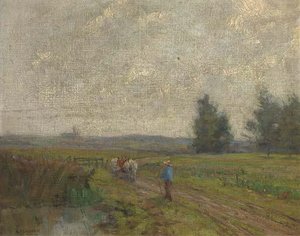
Tending The Garden
Discover Willy Martens' evocative paintings of rural life in the Netherlands! Capturing farmers, goatherds & daily scenes with a unique realism.
 Pročitaj više
Nabavite datoteku spremnu za štampu koja nudi znatno veći kvalitet od onlajn pregleda. Svaka digitalna slika koju nudimo potiče iz visokorezolucičnog master fajla iz naše baze — obično širine od 5.000 do 15.000 piksela — što vam omogućava štampu u velikom formatu, precizno kadriranje ili bezbrižnu reprodukciju najfinijih detalja.
Nijedan fajl ne napušta naš studio netaknut. Digitalni stručnjak vrši proveru boja u odnosu na originalno delo i koriguje ih po potrebi, a zatim unapređuje jasnoću i detalje pomoću profesionalnih alata za retuširanje — uvek ostajući veran umetnikovim potezima četkice i stilu. Rezultat je slika koja izgleda kao pravo delo, a ne kao sken sa filterom.
Proverite i odobrite pre završetka: naš stručnjak vam šalje sliku putem e-pošte u roku od 72 sata na pregled. Niste zadovoljni? Zatražite poboljšanja ili ispravke, ili tražite povraćaj novca ukoliko kvalitet ne ispunjava vaša očekivanja.
Ovo je kvalitet kojem poverenje ukazuju izdavači, dizajnerski studiji, galerije i štamparije.
Digitalna slika
Preuzmite datoteku visoke rezolucije za ličnu upotrebu, štampanje i kreativne projekte. ( Pređi na štampu Kupite ručno oslikano delo)
Uključeno uz svaku porudžbinu digitalne slike
Profesionalna digitalna isporuka, zagarantovana
Kada odaberete TopImpressionists.com, ne dobijate samo sliku – vi primate profesionalno unapređeno digitalno umetničko delo, izrađeno sa najvećom preciznošću i uz garanciju zadovoljstva. Evo svega što automatski dolazi uz vašu porudžbinu:

Brza dostava putem e-pošte
Vaša digitalna slika visoke rezolucije biće vam poslata putem e-pošte u roku od 72 sata od poručivanja – spremna za trenutnu upotrebu.

Digitalna datoteka unapređena veštačkom inteligencijom
Vaše umetničko delo je profesionalno optimizovano primenom naprednih AI alata i ručne obrade, čime se osiguravaju maksimalni detalji, oštrina i preciznost boja.

Besplatna doživotna ponovna isporuka
Slučajno ste obrisali ili izgubili svoju datoteku? Ne brinite – poslaćemo vam je ponovo u bilo kom trenutku, potpuno besplatno.

Bez troškova uvoza – zauvek
Uživajte u svojim umetničkim delima trenutno, bez carine, akciza ili troškova dostave – digitalni download je uvek bez poreza.

Garancija preciznosti boja
Uz pomoć profesionalnih alata i upravljanja bojama, osiguravamo da vaša digitalna slika što vernije odražava originalne boje.

Garancija zadovoljstva u roku od 100 dana
Ako niste zadovoljni svojom digitalnom slikom, izvršićemo reviziju ili ćemo vam vratiti 100% novca u roku od 100 dana – bez ikakvih pitanja.

100% garancija povrata novca
Niste zadovoljni? Dobijte puni povraćaj novca u roku od 100 dana od prijema digitalne datoteke – bez suvišnih pitanja.

Popusti na velike porudžbine
Kupite 3 slike, uštedite 10% - Kupite 5 slika, uštedite 15% - Kupite 10+ slika, uštedite 20%. Odlično za kreativne projekte, galerije i agencije.
Srodna umetnička dela



Biografija umetnika
Willy Martens: A Painter of Dutch Rural Life
Willy Martens (1856-1927) wasn’t a name that immediately resonates within the grand halls of art history, yet his canvases offer a remarkably intimate and enduring portrait of rural life in the Netherlands. Born in the Dutch East Indies as Willem Martens, he later moved to Amsterdam, where he established himself as a significant figure in the Laren School movement – a group dedicated to capturing the authentic essence of their local landscape and its inhabitants.
Martens’ artistic journey began with formal training at the Amsterdam National Academy, followed by further study in Paris and Nanterre. These experiences exposed him to diverse influences, including Impressionism and Realism, which he skillfully integrated into his own distinctive style. Unlike many of his contemporaries who focused on grand historical or mythological subjects, Martens chose to depict the everyday lives of farmers, goatherds, and laborers – figures often overlooked in mainstream art circles. His work isn’t about romanticizing rural life; it's a grounded observation, imbued with a quiet dignity and a deep respect for his subjects.
The Laren School and its Aesthetic
The Laren School, of which Martens was a key member, represented a deliberate shift away from the academic traditions that had dominated Dutch painting for centuries. Artists within this group – including Isaac Israëls, Anton Mauve, and Lambertus van der Lugt – sought to paint *en plein air* (outdoors), directly observing nature and capturing its nuances with remarkable accuracy. They were particularly interested in portraying the working lives of people in the surrounding countryside, often depicting them in their natural environments.
Martens’ paintings are characterized by a meticulous attention to detail – from the texture of weathered clothing to the folds of fabric and the subtle shifts in light. He employed a muted color palette, dominated by earthy tones and greens, creating a sense of realism that was both comforting and slightly melancholic. His compositions often feature figures engaged in simple tasks: milking cows, tending flocks, or repairing fences – activities that spoke volumes about the rhythms of rural existence.
Key Works and Recurring Themes
Several of Martens’ paintings have become particularly well-known, offering compelling glimpses into his artistic vision. “A Sunny Day In The Dunes” (1896) is a prime example, capturing the golden light filtering through the sand dunes with breathtaking clarity. Similarly, "A Summer's Day At Skagen South Beach" (circa 1900) portrays youthful innocence and the beauty of nature, showcasing his ability to evoke atmosphere and emotion through subtle brushstrokes. His portraits, often depicting local farmers and laborers, are equally striking – revealing a keen eye for character and an appreciation for the dignity of ordinary people.
Recurring themes in Martens’ work include the relationship between humans and nature, the passage of time, and the simple pleasures of rural life. He wasn't interested in grand narratives or dramatic events; instead, he focused on capturing the quiet moments that defined the lives of those who worked the land.
Legacy and Historical Significance
While Martens may not be as widely celebrated as some of his Laren School contemporaries, his contribution to Dutch art is undeniable. He played a crucial role in establishing the school’s distinctive style and helped to elevate the status of rural life as a subject worthy of artistic attention. His paintings offer a valuable window into the social and cultural history of the Netherlands at the turn of the 20th century – a period of significant change and transformation.
Furthermore, Martens’ commitment to *en plein air* painting and his meticulous observation of nature foreshadowed developments in Impressionism and later movements. His work stands as a testament to the power of art to capture the beauty and complexity of everyday life, reminding us of the enduring relevance of rural landscapes and the people who inhabit them.
Further Research
- Daniël Franken Dzn (1838-98). Bankier en kunstverzamelaar, Willy Martens, 1888: https://en/art/willy-martens-daniel-franken-dzn-1838-98-bankier-en-kunstverz-D37CS8-en/
- A Sunny Day In The Dunes: https://en/art/willy-martens-a-sunny-day-in-the-dunes-9CW6D6-en/
- A Summer’s Day At Skagen South Beach: https://en/art/willy-martens-a-summer-s-day-at-skagen-south-beach-9CW6D5-en/
- willy martens: https://en/artists/willy-martens-en/
- Willy Martens (1856 - 1927) - Richard Taylor Fine Art: https://www.richardtaylorfineart.com/artist/martens
- Artist Biography & Facts Willy Martens - askART: https://www.askart.com/artist/Willy_Martens/11052305/Willy_Martens.aspx

Willy Martens
1856 - 1927
Kratke informacije
- Artistic Movement Or Style: Laren School, Impressionism
- Artists Or Movements Influenced By This Artist: ['Israëls']
- Artists Who Influenced This Artist: ['Daniël Franken Dzn']
- Date Of Birth: 1856
- Date Of Death: 1927
- Full Name: Willy Martens
- Nationality: Dutch
- Notable Artworks:
- A Sunny Day In The Dunes
- A Summer’s Day At Skagen South Beach
- Place Of Birth: Dutch East Indies