Pregledaj u prostoru
 Pošalji
 Podeli
 Detalji o delu
 Vodič
Vodič

 Preuzmi
 Slični predmeti
 Rendgenski snimak
 Automatska prezentacija
 Pitanja i odgovori
 Statistika
Camp Fire


Experience Winslow Homer's 'The Northeaster,' a stunning watercolor capturing the raw power of the ocean and its dramatic beauty. A masterpiece from 1883, now at the Brooklyn Museum.
 Pročitaj više
Vinslo Homer (1836-1910), američki realista, poznat po moćnim prikazima marine života, pejsaža i života u 19. veku. Otkrijte remek-dela kao što su 'Golfska struja' i 'Puhuju vetrovi'. Istaknuti umetnik koji je oblikovao američku umetnost!
Giclee štampa / Umetnički otisak
Giclée štampa ili print na platnu muzejskog kvaliteta uz brzu izradu i raznovrsne opcije završne obrade. ( Kupite ručno oslikano delo Pređi na digitalnu sliku)




P118B дин10

P118H дин10

P118W дин10

P438Z дин10

P508JH дин12

P508YH дин12

P805H дин10

P805Z дин10

P919BZ дин10

P919G дин10

P919XJ дин10

P959ZH дин10

P968JZ дин12

W106C дин8

W218G дин10

W218JH дин8

W218Y дин10

W307PJ дин10

W316G дин10

W316PJ дин8

W316Y дин10

W398PJ дин8

W4111J дин10

W500HY дин15

W500JH дин15

W692G дин12

W849H дин8

W940BG дин15

W953PJ дин8




Standardne dimenzije
po meri
CM
INCH
Izaberite jednu od naših unapred definisanih veličina koje odgovaraju originalnim proporcijama umetničkog dela.
Loading sizes...

širina
visina
Unesite željenu širinu i visinu kako bi se štampa uklopila u vaš ram ili zid. Štampu je moguće samo iseći, ali nikada povećati iznad dimenzija originalne slike, stoga format sa drugačijim proporcijama uzrokuje gubitak dela slike. Pre početka štampe, poslaćemo vam digitalni prikaz radi potvrde. Slika prikazana na ovoj stranici ne predstavlja stvarni isrez — to pokazuje samo digitalni prikaz.
Dostava širom sveta () za 2 nedelje umesto uobičajenih 4/5 nedelja. (9 новембар)

Besplatna ekspresna dostava širom sveta

Visokokvalitetno laneno platno

Potpuno osiguranje transporta

Garancija povraćaja carine i uvoznih dažbina

Garancija vernosti boja

Politika povraćaja u roku od 100 dana (samo u slučaju nedostataka)

Garancija povrata 100% novca

Popust na više proizvoda
 Opcija sa staklom dostupna je samo za dimenzije manje od 110 cm

Camp Fire
Giclee štampa / Umetnički otisak
Dimenzije reprodukcije
-


Ukupna cena
дин 7333
Camp Fire by Winslow Homer: A Study in Rustic Tranquility
Winslow Homer’s “Camp Fire,” completed around 1883 and currently residing at the Metropolitan Museum of Art, stands as a cornerstone of American Realism—a movement dedicated to portraying life accurately without romantic embellishment. More than just a depiction of a campfire scene, it's an exquisitely crafted meditation on solitude, companionship, and the profound connection between humanity and nature.
Subject Matter & Composition: Homer captures a quintessential moment of rural American life—a group of men gathered around a crackling fire in the Adirondack Mountains. Two dogs flank the central figure, adding warmth and visual interest to the composition. The artist’s keen eye meticulously observes details like backpacks strapped on shoulders and a simple wooden chair positioned near the hearth, subtly conveying the activity of hikers or campers.
Style & Technique: Homer employed watercolor with blotting and scraping—a technique that allowed him to achieve remarkable textural effects. As noted by fellow artist Henry William Brewer, Homer skillfully utilized resist—thin layers of wax applied to paper before painting—to define the contours of tree trunks. This method ensured precise lines while simultaneously creating a dense, textured surface where subsequent washes were applied. The artist meticulously scrubbed away the resist after drying, leaving visible fragments that contributed to the overall visual richness.
Historical Context & Symbolism: Painted during Homer’s prolific period exploring the Adirondacks, “Camp Fire” reflects the burgeoning interest in plein air painting and the Romantic fascination with wilderness landscapes. The campfire itself symbolizes warmth, comfort, and human connection—a refuge from the anxieties of urban life. Furthermore, the towering cedar tree serves as a powerful emblem of resilience and endurance, mirroring Homer’s own artistic vision.
Emotional Impact: Viewing “Camp Fire” evokes a palpable sense of serenity and contemplation. The subdued palette—dominated by browns, blues, and ochres—enhances the painting's atmosphere of quiet reflection. Homer’s masterful rendering captures not only the visual beauty of the scene but also its emotional resonance—a celebration of simple pleasures and the restorative power of nature.
Resources for Further Exploration: To delve deeper into Winslow Homer’s artistic legacy, visit The Metropolitan Museum of Art to examine “Camp Fire” alongside other iconic works from his oeuvre. Alternatively, explore the history of painting on Wikipedia: History of Painting. For a stunning watercolor reproduction, consider purchasing one at TopImpressionists.com.
Pitanja i odgovori
Da li je „Camp Fire”, autor Винслоу Хомер svetlo ili tamno umetničko delo?
U pogledu percepcije osvetljenosti, „Camp Fire”, autor Винслоу Хомер je deep_shadow.
Koji emocionalni ton prati stil American Realism u delu "Camp Fire"?
„Camp Fire“ odiše Calm emocijom u okviru pokreta American Realism.
Da li je „Camp Fire”, autor Винслоу Хомер svetlo ili tamno umetničko delo?
„Camp Fire“ ima ukupnu osvetljenost od deep_shadow, dok je luminansa Dark.
Srodna umetnička dela


Biografija umetnika
Vinslov Homer: Američki Majstor Svetlosti i Snažnog Izražavanja
Rođen 1836. godine u Bostonu, Vinslov Homer nije bio umetnik formiran tradicionalnim evropskim akademijama, već je izrastao iz specifičnog američkog iskustva – ukorenjenog u praktičnosti i posmatranju. Njegovo putovanje počelo je ne sa grandioznih istorijskih platna, već kao komercijalni ilustrator za Harper's Weekly kada je imao samo dvanaest godina. Ta rana praksa bila je ključna, oplemenjujući izvanrednu sposobnost da uhvati scene jasnoćom i detaljima – veštine koje će postati obeležja njegovog zrelog rada. On nije učio perspektivu u Parizu; on je učio da *vidi* Ameriku, njen narod i njenu neprestano razvijajuću priču. Bulevarima Bostona, tihom dostojanstvenošću ruralnog Nju Englanda – to su bili njegovi prvi subjekti, prikazani preciznošću rođenom iz potrebe za zahtevima štampanih medija. Ta osnova mu je omogućila da se prebaci na slikanje, prvo u akvarelu, a zatim potpuno prihvativši ekspresivni potencijal uljane boje.Od Pastoralnih Prizora do Sirove Moći Prirode
Homerove rane slike često su prikazivale idilične scene – deca koja se igraju, farmeri koji obrađuju polja, tihi trenuci porodičnog života. Iako su te radove bili šarmantni, oni su nagovestavali dublji umetnički senzibilitet koji je čekao da bude oslobođen. Katalizator za tu transformaciju bila je bez sumnje građanski rat. Kao ratni dopisnik za Harper's Weekly, Homer je iz prve ruke svedočio brutalnim realnostima sukoba. On se nije fokusirao na herojske bitke ili grandiozne strategije; umesto toga, dokumentovao je svakodnevni život vojnika i civila, tihe trenutke tuge i otpornosti usred haosa. To iskustvo je duboko izmenilo njegovu umetničku viziju. Pastoralne scene su ustupile mesto izazovnijim temama: veterani koji se bore sa traumom, oslobođeni robovi koji snalaze novi svet i oštra lepota pejzaža obeleženog poteškoćama. Počeo je da istražuje teme borbe, izolacije i krhkosti čovečnosti u odnosu na prirodu – teme koje će dominirati njegovim najsnažnijim delima. Njegov stil se takođe razvio, postajući hrabriji i direktniji, odražavajući siromašan emotivni utisak onoga što je video.Majstorstvo Svetlosti, Teksture i Američkog Pejzaža
Winslow Homerova umetnička tehnika odmah prepoznatljiva po svojoj čvrstini i teksturi. On nije bio zainteresovan za prolazne utiske; želeo je da izgradi osećaj opipljive stvarnosti na platnu. Njegove slike uljane boje karakteriše direktan pristup slikanju – slojevi boje primenjeni sa samopouzdanjem, stvarajući dubinu i luminozitet. Imao je izvanrednu sposobnost da uhvati svetlost, bilo da se radi o blještavilu sunca na moru ili mekom sjaju sumraka nad ruralnim pejzažem. Ta veština se protezala i na njegove akvarele, gde je postigao izvanredne atmosferske efekte živim bojama i nežnim prelivima. Breezing Up (A Fair Wind), naslikana 1876. godine, oličava tu veštinu – tipičan prikaz američkog pomorskog života, prepun energije i pokreta. The Gulf Stream, stvorena decenijama kasnije, možda je njegovo najpoznatije delo, snažan i simboličan prikaz jednog čoveka koji se bori protiv sila prirode, metafora ljudske borbe protiv premoćnih teškoća. On nije samo slikao ono što je video; on je prenosio osećaj, emocionalnu istinu o čovekovom stanju.Nasleđe Kovano u Američkom Realizmu
Iako je Homer divio se evropskim umetnicima kao što su oni iz škole Barbizonske, poznati po svojim realističkim prikazima ruralnog života – i priznao uticaje od Courbeta i Milet-a, on je na kraju iskovao svojstven put koji je bio specifičan za Ameriku. On je odbacio preovlađujuće akademske konvencije i umesto toga se fokusirao na hvatanje jedinstvenog duha svoje zemlje. Njegovo nasleđe leži u njegovoj sposobnosti da prikaže Ameriku sa iskrenošću i autentičnošću, bez romantizovanja ili idealizovanja. On nije bio zainteresovan za oponašanje evropskih stilova; želeo je da stvori umetnost koja je jedinstvena američka, odražavajući njene pejzaže, njen narod i njene izazove. Innocence, poletan prikaz detinjstva na pozadini prirode, i Man of Science, koji demonstrira njegovu veštinu u hvatanju ljudske psihologije, svedoče o toj posvećenosti. Njegov uticaj se može videti u radu kasnijih američkih slikara koji su težili da svoju zemlju prikažu sa sličnom direktnošću i emotivnom dubinom.Trajni Utisak: Homerova Istorijska Značajnost
Homerova umetnost nudi prodoran prozor u 19. vek Amerike, pružajući neprocenjive uvide u socijalni, politički i kulturni pejzaž njegovog vremena. Njegove slike nisu samo lepe reprezentacije; one su snažne izjave o ljudskoj otpornosti, lepoti i moći prirode i složenostima američkog iskustva. Umro je 1910. godine, ostavivši iza sebe plodno delo koje i danas rezonuje sa publikom. Njegova sposobnost da uhvati suštinu nacije koja prolazi kroz brze promene – od posledica građanskog rata do zore novog veka – osigurava njegovo mesto kao jednog od najvažnijih i trajnijih američkih umetnika. On nije samo slikao slike; on je dokumentovao trenutak u vremenu, čuvajući ga za generacije koje dolaze.- Njegov rad nastavlja da inspiriše savremene umetnike.
- Homer ostaje ključna figura u razvoju američkog realizma.

Винслоу Хомер
1836 - 1910 , Сједињене Америчке Државе
Osnovne informacije
- Datum Rođenja: 24. februar 1836.
- Datum Smrti: 29. septembar 1910.
- Mesto Rođenja: Boston, SAD
- Nacionalnost: Američki
- Puno Ime: Winslow Homer
- Umetnici Pod Uticajem: ['Američki slikari']
- Umetnički Pokret: Američki realizam
- Uticajni Umetnici:
- Barbizon škola
- Courbet
- Millet
- Značajna Dela:
- Breezing Up
- The Gulf Stream
- Innocence
- Man of Science
Povezani članci

The Unvarnished Truth: A Cultural Journey Through the Soul of American Realism
Explore the profound beauty of American Realism. From the Ashcan School's urban grit to intimate portraits, discover how artists captured the authentic soul of a nation through unvarnished truth and masterful observation.
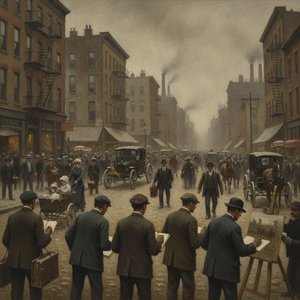
The Ashcan School: Capturing the Raw, Unfiltered Soul of Urban Life through American Realism
Discover the raw beauty of the Ashcan School. Explore how masters like Bellows and Henri captured the gritty, vibrant soul of early 20th-century New York through profound American Realism and evocative urban landscapes.
Istražite umetnička dela organizovana prema temama, stilovima i karakteristikama.