Atelje — Besplatna dostava širom sveta — Rok isporuke: 2–6 nedelja

      Late Medieval, master by master

      Famous Late Medieval Umetnici: A Catalogue of 99 Masters

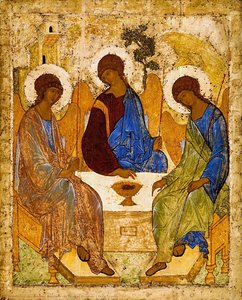
      Among the Late Medieval umetnici, Симоне Мартини (1284–1344) holds the first place, celebrated for Javljanje i dva svetitelja (detalj) i St Clare and St Elizabeth of Hungary. Андреј Рубљов, Ambrogio Lorenzetti, Пјетро Лоренцети i Хуберт ван Ајк follow. The catalogue spans 99 masters, from Yuan Dynasty (born 1271) to Хуберт ван Ајк (born 1366), across 22 countries.

      About this catalogue. This catalogue gathers the artists whose works our collection records as Late Medieval, ordered by our fame ranking. Artists born after 1955 with no Wikidata record await verification. Beside each name, the number of our 32 languages in which Wikipedia devotes an article to the artist.

      1. Javljanje i dva svetitelja (detalj) od Симоне Мартини1Симоне Мартини
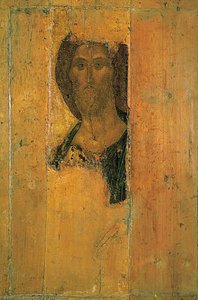
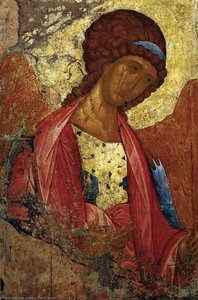
      2. Deesis Range: The Archangel Michael od Андреј Рубљов2Андреј Рубљов
      3. Bad Government and the Effects of Bad Government on the City Life od Ambrogio Lorenzetti3Ambrogio Lorenzetti

      The collection in brief

      Late Medieval: the collection in brief

      • 99Umetnici
      • 1271–1366Godine rođenja
      • 22Države porekla
      • 1Žene
      • 5Živi umetnici
      • 1.514Radovi u našem katalogu
      Gradovi sa najviše rođenih
      Florence (11), Siena (7), Сијена (6), Фиренца (4)
      Žene na ovom spisku
      Mother Julian

      Master by master

      The catalogue: 99 Late Medieval Umetnici

      1of 99

      Симоне Мартини

      Италијан Born in Сијена Интернационална готика Wikipedia, 28 of 32 languages

      Симоне Мартини

      La Via Francigena, importante percorso di pellegrinaggio attraversante l'Europa, portò con sé correnti artistiche dalla Francia – in particolare l’eleganza raffinata dell’illuminazione manoscritta e della scultura in avorio francese. Martini non copiò semplicemente questi stili; li sintetizzò con le tradizioni artistiche esistenti a Siena creando qualcosa di completamente nuovo.

      Principal works · The hundred celebrated works

      2of 99

      Андреј Рубљов

      Rus Born in Велика московска кнежевина Rusko ikonopisno slikarstvo Wikipedia, 31 of 32 languages

      Андреј Рубљов

      Andrej Rubljev (oko 1360. – oko 1430.) ostaje jedna od najenigmatičnijih i najdublje uticajnih figura u istoriji ruske umetnosti. Veruje se da je rođen u Moskvi, mada neki izvori sugerišu moguće poreklo iz manastira Svetog Trojstva u Trifonovoj Lavri blizu grada – lokacije koja bi duboko oblikovala njegov umetnički razvoj.

      Principal works · The hundred celebrated works

      3of 99

      Ambrogio Lorenzetti

      Italijan Born in Сијена Sijenska škola Wikipedia, 29 of 32 languages

      Ambrogio Lorenzetti

      Ambrođio Lorenceti, rođen oko 1290. godine u srcu Italije, u Sijenu, pojavio se kao ključna figura u tranziciji iz srednjovekovnih umetničkih tradicija ka buđenju renesanse. Iako su ga u određenim periodima zasenili savremenici poput Dučija i Simone Martina, i iako se često govori o njemu uz pomen njegovog brata, slikara Pjetra Lorencetija, Ambrođio je izgradio jedinstven put, obeležen inovativnim duhom i dubokim povezivanjem sa svetom koji ga je okruživao.

      Principal works · The hundred celebrated works

      4of 99

      Пјетро Лоренцети

      Italijan Born in Сијена Rana renesansa Wikipedia, 27 of 32 languages

      Пјетро Лоренцети

      Pjetro Lorenceti (oko 1280. – 1348.) predstavlja ključnu figuru u sienezskoj umetnosti, označavajući duboki prelaz iz gotičkog formalizma ka buđenju humanističkih ideala ranog renesansnog doba. Rođen u živopisnom kulturnom pejzažu Sijena oko 1280. godine, Lorencetijev umetnički put odvijao se tokom perioda značajnih intelektualnostih i umetničkih transformacija u Toskani.

      Principal works · The hundred celebrated works

      5of 99

      Хуберт ван Ајк

      Holandski Born in Maaseik Rani niderlandski Wikipedia, 20 of 32 languages

      Хуберт ван Ајк

      U srcu ove transformacije stajao je Hubert van Eyok, figura čije je samo ime utisnuto u same temelje umetnosti Severne renesanse. Rođen u Maaseiku oko 1385. ili 1390. godine, bio je deo moćne umetničke dinastije; njegove porodične veze, uključujući čuvenog brata Jana i braću Alberta i Margaretu, stvorile su žarište kreativnosti koje će zauvek izmeniti tok evropskog slikarstva.

      Principal works · The hundred celebrated works

      6of 99

      Tadej Gadi

      Italijan Born in Фиренца Rana renesansa Wikipedia, 23 of 32 languages

      Tadej Gadi

      U živopisnoj, uzbudljivoj atmosferi četvrnaestove Florence, perioda koji je obeležio prelaz iz srednjeg veka u rani renesans, Taddeo Gaddi se istakao kao majstor svetlosti, naracije i arhitektonskog veličanstva. Kao jedan od najistaknutijih učenika legendarne figure Đota di Bondonea, Gaddi nije samo nasledio stil; on je proširio vizuelni rečnik svog doba.

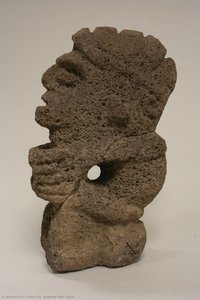
      Master of Jacopo Del Casentino (Jacopo Landino) #51

      Principal works · The hundred celebrated works

      7of 99

      Anđolo Gadi

      Italijan Born in Фиренца Gotički stil, Rana renesansa Wikipedia, 20 of 32 languages

      Anđolo Gadi

      Anđelo Gadi, rođen u Firenci oko 1350. godine, zauzima fascinantnu, ključnu poziciju u istoriji italijanske slike. Umetnička reputacija Anđela Gadija u velikoj meri počiva na njegovim opsežnim freskama unutar bazilike Santa Kroče u Firenci.

      Principal works · The hundred celebrated works

      8of 99

      Теофан Грк

      Grk Born in Константинопољ Vizantijska ikonografija Wikipedia, 22 of 32 languages

      Теофан Грк

      Rođen u Konstantinopolju oko 1340. godine, iako se zbog svojih kasnijih aktivnosti često povezuje sa Grčkom, Teofan je bio ključna figura koja je povezala poslednji procvat vizantijske umetnosti sa usponajućim tradicijama Rusije. Oko 1395. godine, stigao je u Novgorod, moćnu gradsku državu unutar Rusije, zajedno sa Andrejem Rubljevom, još jednom kultnom figurom ruske pravoslavne umetnosti.

      Principal works · The hundred celebrated works

      9of 99

      Paolo Veneziano

      Italijan Born in Venecija Bizantijanski uticaj i gotička umetnost Wikipedia, 15 of 32 languages

      Paolo Veneziano

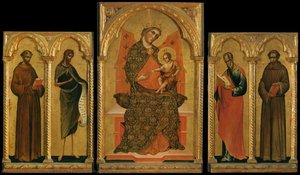
      Paolo Veneziano (oko 1333–1358) predstavlja monumentalnu figuru u istoriji venecijanske umetnosti, univerzalno priznat kao najvažniji venecijanski slikar četrnaestog veka. Rođen u umetničkoj lozi samog srca Venecije — gde je i njegov otac bio renomirani umetnik — Venezianijeva kratka, ali briljantna karijera poklopila se sa transformativnim periodom u evropskom slikarstvu.

      Principal works · The hundred celebrated works

      11of 99

      Altičiero

      Italijan Born in Zevio Gotička umetnost Wikipedia, 20 of 32 languages

      Altičiero

      Altičiero da Zevio, rođen oko 1330. godine u blizini mirnog gradića Zevio u Veroni, nije bio samo hroničar svetih događaja, već pionir venecijanskog gotičkog stila. Ova povezanost, verovatno stvorena kroz intiman studije Đotovih učenika kao što je Tadeo Gadi, omogućila je Altičieru da svom radu unese duboki osećaj volumena, težine i narativne jasnoće koja je bila revolucionarna za njegovo vreme.

      Principal works · The hundred celebrated works

      12of 99

      Спинело Аретино

      Италијанска Born in Арецо Повезаница између Ђотке и Сјенске школе Wikipedia, 16 of 32 languages

      Спинело Аретино

      Rođen u porodici fiorentinskih zlatara, njegovo pravo ime bilo je Spinello Di Luca Spinelli, ali je istoriji ostao poznat pod nadimkom „Aretino“, što označava njegovu povezanost sa Arezzom. U svojim ranim godinama, radio je u užurbanim radionicama Firence, doprinoseći monumentalnim delima kao što su freske u crkvi Carmine i Santa Maria Novella.

      Pupil of Jacopo Del Casentino (Jacopo Landino) #51 · Master of Lorenzo di Bicci #32

      Principal works · The hundred celebrated works

      13of 99

      Bernardo Dadī

      Italijan Born in Фиренца Rana renesansa Wikipedia, 17 of 32 languages

      Bernardo Dadī

      Bernardo Daddi, rođen u Firenci oko 1290. godine i preminut 1348, predstavlja ključnu figuru u tranziciji sa pozne gotike na bujanje italijanske renesanse.

      Principal works · The hundred celebrated works

      14of 99

      Andrea Pisano

      Italijan Born in Pontekorvo Gotički

      Andrea Pisano

      Andrea Pisano (oko 1290. – 1348. u Orvietu) predstavlja monumentalnu figuru italijanske renesansne skulpture, mada je njegovo umetničko nasleđe neraskidivo vezano za prethodnu gotičku eru i duboko oblikovano revolucionarnim uticajem Đota di Bondonea. Rođen u Pontekorvu, u regiji Lacio, Pisanov rani život ostaje delom obavijen misterijom, mada je svoje umeće prvobitno usavršavao kao zlatar, pre nego što se oko 1300. godine potpuno posvetio skulpturi pod mentorstvom Minoa di Đovanija.

      Principal works · The hundred celebrated works

      15of 99

      Niccolò Di Tommaso

      Italian Born in Florence Early Renaissance

      Niccolò Di Tommaso

      Niccolò di Tommaso's art is characterized by a compelling synthesis of influences. The Madonna del Parto within the church of San Lorenzo, Florence, further exemplifies his sensitivity to maternal tenderness and spiritual devotion.

      Principal works · The hundred celebrated works

      16of 99

      Ni Zan

      Kineska Born in Вуси Četiri majstora dinastije Yuan Wikipedia, 15 of 32 languages

      Ni Zan

      Ni Zan, čuveni kineski slikar, rođen je 1301. godine u bogatoj porodici u gradu Vuksi. Iako je došao u svet nakon smrti Kublaj kana, porodica Ni Zana bila je u mogućnosti da mu obezbedi strogo konfucijansko obrazovanje, koje će oblikovati njegov unutrašnji svet. Ni Zan se smatra jednim od četiri majstora dinastije Juuan, pored umetnika kao što su huang gongwang, wu zhen i wang meng.

      Principal works · The hundred celebrated works

      17of 99

      Andrea Di Cione Di Arcangelo (Orcagna)

      Italian Born in Florence Gothic-Late Gothic

      Andrea Di Cione Di Arcangelo (Orcagna)

      This ambitious project represents arguably the pinnacle of Late Gothic art in Italy, showcasing Orcagna’s mastery of sculptural technique alongside his exceptional painting prowess.

      Principal works · The hundred celebrated works

      18of 99

      Orcagna

      Italian Born in Florence Gothic-Late Gothic Wikipedia, 20 of 32 languages

      Orcagna

      However, Orcagna’s artistic trajectory quickly diverged from his master's, developing a distinctly Florentine style characterized by dramatic figures, vibrant colors, and an innovative approach to composition. He was formally admitted into the painter’s guild in 1343-44 and later joined the stonemasons’ guild in 1352, demonstrating his versatility and ambition across multiple artistic disciplines. His work served as an inspiration to many of Florence’s leading painters, including Jacopo di Cione, his brother, who continued Orcagna's artistic legacy after his death in 1368.

      Pupil of Andrea Pisano #14

      Principal works · The hundred celebrated works

      19of 99

      Đovani Da Milano

      Italijan Born in Lombardija Proto-renesansa

      Đovani Da Milano

      Rođen kao Đovani di Đakopo di Gvido da Kaversaco u Lombardiji oko ming 1346. godine, njegov umetnički put se prvenstveno odvijao unutar živopisnog kulturnog pejzaža Firence, u vreme ogromnih promena i inovacija.

      Principal works · The hundred celebrated works

      21of 99

      Wang Meng

      Chinese Born in Huzhou Yuan Dynasty Landscape Painting Wikipedia, 14 of 32 languages

      Wang Meng

      Unlike the more restrained approaches of his contemporaries, Wang Meng’s paintings are characterized by an extraordinary density and dynamism. His brushstrokes—often described as “ropy” or “layered”—were meticulously applied in thick, overlapping patterns, creating a palpable sense of texture and movement. Wang Meng’s style was profoundly influenced by the landscape painters who preceded him – Wang Wei, Dong Yuan, and Juran – but he developed his own distinctive voice through his innovative use of brushwork and composition.

      Principal works · The hundred celebrated works

      23of 99

      Nicolas Bataille

      French Medieval Art, Religious Paintings

      Nicolas Bataille

      He was born around 1330 in Paris, likely as the son of an architect, a profession that may have instilled within him an appreciation for structure and design. The recurring motif of dragons – often interpreted as representing Satan or evil forces – dominates several tapestries, symbolizing the struggle between good and evil.

      Principal works · The hundred celebrated works

      24of 99

      Lorenco Venecijanac

      Italijan Born in Венеција Vizantijska umetnost Wikipedia, 11 of 32 languages

      Lorenco Venecijanac

      Godina 1336. odjekuje u umetničkom pejzažu Italije, neraskidivo povezana sa figurom obavijenom intrigantnom misterijom – Majstorom iz 1336. godine. Preciznije poznat kao Đovani Lipini, ime ovog umetnika, dobijeno po čudesnom fresku koji prikazuje Devicu Mariju u crkvi Santa Maria delle Grazie u Pistoiji, nudi zadivljujući uvid u njegovo poreklo i trajni uticaj.

      Principal works · The hundred celebrated works

      25of 99

      Segna Di Buonaventure

      Italian Trecento

      Segna Di Buonaventure

      Segna's artistic journey is believed to have begun under the tutelage of his uncle, Duccio di Buoninsegna, a towering figure in Sienese painting. It’s believed that Segna spent time in Florence during this period, absorbing influences from the burgeoning Florentine school, which was beginning to experiment with linear perspective and naturalistic representation.

      Principal works · The hundred celebrated works

      27of 99

      Ugolino Di Nerio

      Italijan Born in Сијена Sijena slikarska škola Wikipedia, 13 of 32 languages

      Ugolino Di Nerio

      Ugolino di Nerio, ime koje je uglavnom izostavljeno iz glavnih umetnostovednih narativa, predstavlja ključnu figuru u bujajućem umetničkom pejzažu Sijene i Firence tokom 1320-ih godina.

      Principal works · The hundred celebrated works

      28of 99

      Taddeo di Bartolo

      Italian Born in Siena Early Renaissance Wikipedia, 13 of 32 languages

      Taddeo di Bartolo

      His mastery of the fresco technique allowed him to command vast architectural spaces, most notably in his breathtaking works within the Cappella Nuova in San Francesco di Assisi. His compositions often feature: Luminous Pigments: A palette rich in ultramarine, vermilion, and gold leaf that reflects the divine splendor of his subjects. As the Renaissance began to shift its center of gravity toward Florence, Taddeo ensured that Siena maintained its distinct, sophisticated voice—one characterized by grace, decorative splendor, and a deep, spiritual lyricism.

      Principal works · The hundred celebrated works

      29of 99

      Lippo Di Benivieni

      Italian Born in Florence Early Quattrocento

      Lippo Di Benivieni

      Despite the paucity of surviving paintings attributed to Lippo di Benivieni, his influence is palpable in several significant frescoes adorning churches throughout Siena and San Gimignano. Santa Maria di Campagna Frescoes: These frescoes showcase Lippo's dedication to capturing religious narratives with profound emotional depth and visual splendor. Furthermore, his work serves as an exemplar of early Quattrocento painting—a transitional phase between Gothic formalism and Renaissance naturalism —demonstrating Lippo’s willingness to embrace new stylistic approaches while retaining core aesthetic principles.

      Principal works · The hundred celebrated works

      30of 99

      Zhao Yuan

      Chinese Landscape painting

      Zhao Yuan

      However, while Wang Meng often imbued his landscapes with a sense of dramatic power and spiritual intensity, Zhao Yuan’s work tends towards a more refined elegance and lyrical quality. His most significant debt is undoubtedly to Wang Meng (1308-1383), one of the last great masters of the Yuan dynasty.

      Principal works · The hundred celebrated works

      31of 99

      Andrea Di Bartolo

      Italian Born in Siena Sienese School Wikipedia, 12 of 32 languages

      Andrea Di Bartolo

      Working alongside luminaries such as Luca di Tommè, he contributed to significant communal works, including an altarpiece for the shoemaker's guild in the cathedral of Siena, marking his first documented presence in the annals of art history.

      Principal works · The hundred celebrated works

      32of 99

      Lorenzo di Bicci

      Italian Florentine School

      Lorenzo di Bicci

      This preference for light is not merely aesthetic; it reflects a deeper philosophical shift – a move towards celebrating the beauty and dignity of human life. He skillfully employed perspective, though not with the mathematically precise rigor of later Renaissance artists, creating a sense of depth and spatial awareness through subtle variations in scale and detail. He is considered a crucial link between the late Gothic style of his predecessors and the groundbreaking innovations of artists like Masaccio and Botticelli.

      Principal works · The hundred celebrated works

      33of 99

      Melchior Broederlam

      Belgian Born in Ypres Early Netherlandish Painting Wikipedia, 15 of 32 languages

      Melchior Broederlam

      By integrating the sculptural solidity learned from masters like Claus Sluter with the fluid grace of the International Gothic style, Broederlam helped forge a new visual vocabulary. The court at Dijon was a crucible of talent, attracting the finest goldsmiths, sculptors, and painters of Europe, and within this vibrant atmosphere, Broederlam refined a style that was both regal and deeply spiritual.

      Principal works · The hundred celebrated works

      34of 99

      Бичи Ди Лоренцо

      Italijanski Born in Firenza Florentinska škola Wikipedia, 8 of 32 languages

      Бичи Ди Лоренцо

      Lorenzo di Bicci, rođen oko 1373. godine u Firenci, predstavlja ključnu tačku unutar usponene Florentinske škole slikarstva tokom druge polovine četrnaestog i ranog petnaestog veka. Iako biografski detalji ostaju oskudni—identitet njegovog oca je obložen nejasnošću—akademski konsenzus čvrsto utvrđuje da je Lorenzo bio učenik Jacopa di Cionea i Andreja di Cionea, umetnika čije stilsko inovacije duboko usmeravaju njegovu umetničku putanju.

      Principal works · The hundred celebrated works

      35of 99

      Gherardo Starnina

      Italian Born in Florence Venetian Renaissance Wikipedia, 12 of 32 languages

      Gherardo Starnina

      Historical Continuity: Serving as a crucial link between the late Gothic tradition and the dawn of the High Renaissance.

      Principal works · The hundred celebrated works

      36of 99

      Jean Pucelle

      French Early Gothic painting

      Jean Pucelle

      Jean Pucelle remains one of the most captivating enigmas in the annals of medieval art, a figure whose name is whispered with reverence by those who study the delicate transition from the rigid structures of the Middle Ages to the burgeoning humanism of the Renaissance.

      Principal works · The hundred celebrated works

      37of 99

      Andrea Di Bonaiuto (Andrea Da Firenze)

      Italijan Born in Фиренца Toskana slikarstvo Wikipedia, 12 of 32 languages

      Andrea Di Bonaiuto (Andrea Da Firenze)

      Rođen oko 1308. godine u Firenci, a preminuo oko ud 1368, Orcagna nije bio samo običan zanatlija; on je bio ključna figura koja je povezivala stilski pomake između Đotovog naturalizma i formalnijih tradicija vizantijske umetnosti, oblikujući put firentinske slike decenijama koje su usledile.

      Principal works · The hundred celebrated works

      38of 99

      Guariento di Arpo

      Italian Born in Piove di Sacco Early Renaissance; Venetian painting; Gothic art Wikipedia, 12 of 32 languages

      Guariento di Arpo

      Guariento di Arpo (c. 1310–1370) stands as a monumental figure of the Trecento, acting as the essential bridge between the grounded, volumetric realism of Florence and the ethereal, ornamental splendor of the Venetian Gothic tradition.

      Principal works · The hundred celebrated works

      40of 99

      Klaus Sluter

      Holandski Born in Haarlem Severni realizam

      Klaus Sluter

      Klaus Sluter (oko 1350–1406) stoji kao jedan od najuticajnijih vajara svoje ere, označavajući ključnu prekretnicu između gotičke i renesansne umetničke tradicije u severnoj Evropi. Upis njegovog imena u registar kamenorezaca u Bruselu oko 1379/1380. godine potvrđuje njegov profesionalni angažman i naglašava važnost vrhunskog zanatstva unutar srednjovekovne umetničke kulture.

      Principal works · The hundred celebrated works

      42of 99

      Jacopo di Cione

      Italian Born in Florence Gothic Wikipedia, 7 of 32 languages

      Jacopo di Cione

      Jacopo's dedication extended beyond commissions; he actively participated in shaping Florence’s cultural landscape through his involvement with the cathedral workshop and his role as consul of the Arte dei Medici e Speziali (1384, 1387, 1392). His commitment to procuring marble for the cathedral underscored his understanding of artistic grandeur and civic responsibility. The dispersed predella depicting scenes from Saint Peter’s life – a collaborative effort with Niccolò di Pietro Gerini – remains a poignant reminder of Jacopo's artistic legacy and the enduring power of Florentine Gothic art.

      Principal works · The hundred celebrated works

      43of 99

      Bartolo Di Fredi

      Italian Born in Сијена Sienese School Wikipedia, 13 of 32 languages

      Bartolo Di Fredi

      Rođen u Sijeni oko žda 1330. godine, on je bio mnogo više od običnog slikara; bio je most između dva sveta. Do 1355. godine, zvanično je stupio u Arte dei Maestri di Tavola e Dipinto, što je bio prekretnica koja mu je omogućila pristup najznačajnijim mrežama pokroviteljstva u Italiji.

      Principal works · The hundred celebrated works

      44of 99

      Conrad von Soest

      German Born in Dortmund International Gothic soft style Wikipedia, 13 of 32 languages

      Conrad von Soest

      In the twilight of the fourteenth century, a transformative artistic energy began to pulse through the prosperous Hanseatic city of Dortmund, finding its most profound expression in the hands of Conrad von Soest. Completed around 1420, this monumental triptych stands as a pinnacle of the International Gothic style.

      Principal works · The hundred celebrated works

      45of 99

      Tuthmosis

      Egyptian Born in Amarna Amarna art style

      Tuthmosis

      He primarily worked with fine-grained limestone, a material readily available in the quarries surrounding Amarna. The use of sgraffito, a technique involving scratching designs into the surface of the stone with pointed tools, allowed for intricate detailing and patterns – a hallmark of Amarna art. The Amarna period, largely due to the work of artists like Tuthmosis, marked a significant departure from traditional artistic conventions, paving the way for subsequent developments in sculpture and portraiture.

      Principal works · The hundred celebrated works

      46of 99

      Giovanni da Milano

      Italian Born in Valmorea Italian Gothic Wikipedia, 13 of 32 languages

      Giovanni da Milano

      In the bustling streets of Florence, where the air was thick with the scent of fresh pigment and the echoes of a changing era, a painter named Giovanni di Jacopo di Guido da Caversaccio began to make his mark. Hailing from Lombardy, he arrived in Tuscany as a man seeking his fortune, appearing in the city's records as Johannes Jacobi de Commo.

      Principal works · The hundred celebrated works

      47of 99

      Master Bertram

      German Born in Minden International Gothic Wikipedia, 13 of 32 languages

      Master Bertram

      While sharing similarities with other artists of the period, such as Master Francke (another prominent Hamburg painter), Bertram's work possesses a distinct character—a subtle restraint in emotional expression compared to Francke’s more overtly dramatic approach. It is believed that Bertram was influenced by both French and Netherlandish artistic trends prevalent during his time.

      Principal works · The hundred celebrated works

      48of 99

      Agostino Di Giovanni

      Italian Born in Siena Gothic architecture/sculpture

      Agostino Di Giovanni

      Agostino di Siena, born around 1285 in the heart of Tuscany, emerged as a pivotal figure in the transition from late Gothic to early Renaissance sculpture. Giorgio Vasari, the celebrated Renaissance art historian, initially placed Agostino within the orbit of Giovanni Pisano’s workshop, suggesting a formative apprenticeship under this master sculptor. His exact date of death remains unknown, though records indicate he was no longer living as of June 27, 1347—a period marked by the devastating impact of the Black Death.

      Principal works · The hundred celebrated works

      49of 99

      Ashikaga Yoshimitsu

      Born in Kyoto

      Ashikaga Yoshimitsu

      He employed elaborate rituals, symbolic imagery, and monumental architecture – like Kitayama-dono – to portray himself as a universal monarch or dharma king, mirroring rulers in Southeast Asia. His posthumous name was Rokuon'in (鹿苑院), further cementing his place in Japanese history.

      Principal works · The hundred celebrated works

      50of 99

      André Beauneveu

      Netherlandish Born in Valenciennes Pucellian revival

      André Beauneveu

      His technical achievements are best observed in the following areas: Illuminated Manuscripts: In works such as the Psalter of Jean de Berry and his depictions of figures like King David, Beauneveu demonstrated an extraordinary ability to use light and shadow to create a sense of three-dimensional volume on parchment. While contemporary chroniclers like Jean Froissart hinted at potential travels to England—suggesting a possible collaboration with artists like Jean de Liege—Beauneveu's primary impact remained rooted in the French and Low Countries territories.

      Principal works · The hundred celebrated works

      51of 99

      Jacopo Del Casentino (Jacopo Landino)

      Italian Born in Florence Renaissance

      Jacopo Del Casentino (Jacopo Landino)

      To study the works of Jacopo del Casentino is to witness the evolution of the human spirit through paint. Technical Innovation: Early mastery of light, shadow, and the illusion of volume. Often known to history through the mistaken identity of Jacopo Landino —a nomenclature born from the historical errors of Giorgio Vasari—this Florentine master navigated the delicate transition between the late Gothic tradition and the burgeoning sensibilities of the early Renaissance.

      Principal works · The hundred celebrated works

      52of 99

      Musō Soseki

      Japanac Born in Провинција Исе Zen budizam Wikipedia, 12 of 32 languages

      Musō Soseki

      Musō Soseki, istaknuta figura u svetu japanske umetnosti i duhovnosti, rođen je 1275. godine, a preminuo je 20. oktobra 1351. godine. Za uvid u stil koji je on inspirisao, vredi istražiti dela poput delo Li Yanshana "pejsaž u stilu Zhan Jingfenga", koje, iako nije direktno pripisano Musō Sosekiju, odražava trajni uticaj njegovog umetničkog pristupa.

      Principal works · The hundred celebrated works

      53of 99

      Francesco Traini

      Italian Born in Pisa Gothic Art Wikipedia, 11 of 32 languages

      Francesco Traini

      This meticulous attention to detail aligns closely with Orcagna’s sculptural approach, emphasizing naturalism as a vehicle for conveying spiritual truth. The Dance of Death Motif: The Triumph of Death fresco, arguably Traini's magnum opus, embodies the pervasive preoccupation with mortality during the Black Death era. Orcagna's Legacy: Andrea Orcagna’s influence is undeniable in Traini’s compositional strategies and expressive dynamism.

      Principal works · The hundred celebrated works

      54of 99

      Vitale Da Bologna

      Italian Born in Bologna International Gothic Wikipedia, 12 of 32 languages

      Vitale Da Bologna

      The historical importance of Vitale da Bologna lies in his role as a pivotal figure in the evolution of the Bolognese school. His legacy is found in: The Synthesis of Styles: The seamless integration of Riminese color palettes with Giottesque structural depth. His St George’s Battle with the Dragon stands as a breathtaking example of Gothic dynamism, where the struggle between faith and evil is rendered through striking geometric forms and a sense of kinetic energy.

      Principal works · The hundred celebrated works

      55of 99

      Sheikh Zain Al-Din

      Kurdish Born in Erbil Company Style

      Sheikh Zain Al-Din

      This era saw the emergence of what is now known as the “Company style” of painting—a hybrid aesthetic favored by British officials and collectors who sought realistic depictions of Indian life, flora, and fauna. His most significant association was with Mary Impey, wife of Sir Elijah Impey, Chief Justice of Calcutta Supreme Court. The Ashmolean Museum in Oxford holds several examples of his work, including exquisite depictions of mountain-rats, hanging bats, parrots, and storks—each painting a miniature world unto itself.

      Principal works · The hundred celebrated works

      56of 99

      Pere Serra

      Spanish Gothic-Italian

      Pere Serra

      Pere Serra, also known as Jaume Serra, stands as a compelling figure in the transition from the International Gothic style to the burgeoning Renaissance aesthetic within Catalonia. Born around 1357 and passing away in 1406, his life coincided with a period of significant artistic and cultural change across Europe, yet he maintained a distinctly Catalan sensibility throughout his career. The city was a vibrant hub for trade and artistic exchange, exposed to influences from Italy, France, and Flanders.

      Principal works · The hundred celebrated works

      57of 99

      Aztečko Carstvo

      Meksiko Born in Tenochtitlan Mezoamerička umetnost

      Aztečko Carstvo

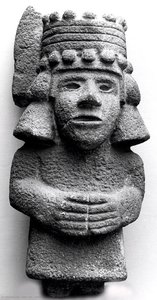
      Rođene početkom 14. veka u Tenochtitlanu, srcu Astečkog carstva, umetničke tradicije Astečana bile su duboko ukorenjene u nasleđu ranijih mezoameričkih civilizacija. Olmečani, sa svojim kolosalnim glavama i sofisticiranim kalendarskim sistemima, Teotihuakanci, poznati po svojim masivnim piramidama i urbanom planiranom, kao i Tolteci, majstori obrade metala i skulpture, svi su doprineli bogatom umetničkom tapiseriji koju su Astečani nasledili.

      Principal works · The hundred celebrated works

      59of 99

      Marco Di Paolo Veneziano

      Italian Byzantine-influenced art; Gothic art

      Marco Di Paolo Veneziano

      In the shimmering, maritime heart of the fourteenth century, a transformative era was unfolding within the lagoons of Venice, and at its center stood Paolo Veneziano. His formative years were steeped in the luminous, spiritual grandeur of Byzantine art, a tradition brought to the Venetian lagoons through trade and deep ecclesiastical ties to Constantinople. Mark’s Basilica, where he decorated the sanctuary with breathtaking compositions depicting Saint Mark Evangelist and the Virgin Mary.

      Principal works · The hundred celebrated works

      62of 99

      Ferrer Bassa

      Catalan Born in Avinyonet del Penedès Gothic painting

      Ferrer Bassa

      Bassa’s initial steps as an artist were taken within the religious sphere, working on chapels in Sitges during the early years of the 14th century – commissions that likely served to hone his skills and establish a local reputation. His ability to synthesize diverse stylistic elements—French elegance, Sienese refinement, and Giottesque drama—resulted in a visual language that was both innovative and deeply rooted in its cultural context.

      Principal works · The hundred celebrated works

      63of 99

      Tommaso Da Modena

      Italian Born in Modena Late Gothic Wikipedia, 15 of 32 languages

      Tommaso Da Modena

      Tommaso Barisini, commonly known as Tommaso da Modena and sometimes referred to as Tomaso Baffini (c. 1325 – 1379), stands as one of the most prominent figures in Northern Italian painting during the mid-14th century—a period marked by burgeoning artistic innovation and profound spiritual reflection. His unwavering commitment to naturalistic representation—coupled with his masterful command of perspective—established a precedent for Renaissance artists seeking to emulate the grandeur and clarity of classical art forms.

      Principal works · The hundred celebrated works

      64of 99

      Jacopo Avanzi

      Italian Born in Bologna Renaissance, Proto-Renaissance

      Jacopo Avanzi

      D'Avanzi’s style occupies a fascinating position within the transition from Gothic art to the early Renaissance. While retaining elements of traditional Byzantine iconography – particularly in the use of gold leaf and hierarchical scaling – his work demonstrates an increasing interest in naturalism and emotional expression.

      Principal works · The hundred celebrated works

      65of 99

      Paolo Di Giovanni Fei

      Italijan Born in San Quirico d'Orcia Naturalizam, Proto-renesansa Wikipedia, 10 of 32 languages

      Paolo Di Giovanni Fei

      Njegov život, iako tragično kratak, svedočio je dramatičnoj promeni umetničkih senzibiliteta u Sijeni, vođen prvenstveno njegovom saradnjom sa mlađim bratom, Ambrogiom Lorenzettijem, i njihovim susretom sa inovativnim tehnikama Đota i Đovanija Pisana. Lorenzettijev rani rad donekle je obavijen misterijom, ali dokazi sugerišu da je svoje formativne godine proveo radeći pored Simonea Martinija u Asiziju.

      Principal works · The hundred celebrated works

      66of 99

      Giottino

      Italian Born in Florence Early Italian painter Wikipedia, 14 of 32 languages

      Giottino

      His output includes a variety of formats, from devotional panels to architectural elements: Frescoes: The narrative cycles in the San Silvestro chapel, Santa Croce, Florence. Sculpture and Architecture: A marble statue located on the Florentine campanile and various works attributed to his hand in the Florentine school.

      Principal works · The hundred celebrated works

      67of 99

      Wu Zhen

      Yuan dynasty Born in Jiashan County Wikipedia, 12 of 32 languages

      Wu Zhen

      The brush of Wu Zhen moved with a particular intent, seeking to capture the essence of the natural world through landscape paintings and the delicate forms of bamboo. He did not merely observe the mountains or the flora; he sought to inhabit them. His work Qing Jiang Chun Xiao remains a definitive example of how he achieved the integration of the Three Perfections, weaving together the intellectual weight of poetry and the fluid grace of calligraphy with the visual depth of his painting.

      Principal works · The hundred celebrated works

      68of 99

      Jacopo del Casentino

      Florentine Born in Florence Later Gothic Wikipedia, 10 of 32 languages

      Jacopo del Casentino

      As his career progresses, the influence of the Lorenzetti brothers, Pietro and Ambrogio, becomes visible. The tension between these traditions defines his artistic output: The foundational weight of Giotto’s legacy.

      Principal works · The hundred celebrated works

      69of 99

      Giusto De' Menabuoi

      Italian Born in Florence Early Renaissance Wikipedia, 12 of 32 languages

      Giusto De' Menabuoi

      Menabuoi’s distinctive style transcends simple categorization, reflecting a complex interplay between Byzantine iconography and Florentine Proto-Renaissance aesthetics. Unlike many of his contemporaries who embraced the burgeoning realism championed by artists like Altichiero and Jacopo d'Avanzi, Menabuoi prioritized conveying spiritual emotion over meticulous anatomical accuracy—a hallmark of Giotto’s artistic vision.

      Principal works · The hundred celebrated works

      70of 99

      Jacquemart de Hesdin

      French Born in Hesdin International Gothic Wikipedia, 13 of 32 languages

      Jacquemart de Hesdin

      Très Belles Heures du Duc de Berry (Brussels Hours): Considered his most significant work, showcasing elaborate scenes and detailed miniatures. Grandes Heures: Another important illuminated manuscript commissioned by the Duke of Berry. He synthesized these influences into a unique International Gothic style that was highly sought after by European nobility.

      Principal works · The hundred celebrated works

      71of 99

      Matteo Giovanetti

      Italian Born in Viterbo Early Italian Renaissance

      Matteo Giovanetti

      In the heart of fourteenth-century Italy, amidst the spiritual awakening of the early Renaissance, the name Matteo Giovanetti emerged as a beacon of devotional mastery. His life’s work serves as a vital bridge between the rigid, symbolic traditions of the Gothic period and the burgeoning naturalism that would soon define the Italian Renaissance.

      Principal works · The hundred celebrated works

      74of 99

      Bartolommeo Bulgarini

      Italian Born in Siena Sienese school

      Bartolommeo Bulgarini

      He possessed a rare, intuitive grasp of how to marry the ancient, ethereal majesty of Byzantine iconography with the burgeoning humanism and spatial curiosity emerging from Florence. This stylistic evolution is perhaps most evident in his ability to balance: The Byzantine influence, which provided the sacred, unmoving grandeur of the divine. Whether through the intimate grace of his Madonna and Child compositions or the solemnity of his depictions of saints, Bulgarini’s work captures the spiritual heartbeat of an era.

      Principal works · The hundred celebrated works

      75of 99

      Gikō Tettō

      Japanese Born in Hara Zen painting

      Gikō Tettō

      Tettō skillfully employed sumi ink – the traditional Japanese black pigment – but he wasn’t constrained by its limitations. His compositions frequently featured sweeping vistas and dynamic brushstrokes, reflecting both the natural world and the internal landscapes of Zen meditation. Gikō Tettō’s influence on Japanese art extends far beyond his own lifetime.

      Principal works · The hundred celebrated works

      76of 99

      Barnaba Da Modena

      Italian Born in Modena Byzantine-influenced Lombard Painting Wikipedia, 12 of 32 languages

      Barnaba Da Modena

      Born around 1328 in Modena (Emilia), he emerged from obscurity to become arguably the first Lombard painter of considerable renown, leaving behind an impressive oeuvre that testifies to his unwavering devotion to this venerable artistic heritage.

      Principal works · The hundred celebrated works

      77of 99

      Peter Parler

      German-Bohemian Born in Švabeški Gemund Late Gothic

      Peter Parler

      In the heart of the Late Middle Ages, a period defined by soaring spires and profound devotion, Peter Parler emerged as one of the most influential architects and sculptors of his era. Known variously as Peter von Gemünd or Petr Parléř, his identity was inextricably linked to the Parler family, a lineage of craftsmen whose influence stretched across much of Central Europe.

      Principal works · The hundred celebrated works

      78of 99

      Bonanat Descoll I De Santcliment

      Italijan Born in Barselona Rani renesans

      Bonanat Descoll I De Santcliment

      Bonanat Descoll I De Santcliment bio je istaknuti katalonski amiral u okviru Kraljevine Aragonske tokom 14. veka. Rođen u Barseloni, u Španiji, 1310. godine, a preminuo 1390. godine, ostao je upamćen kao ključna figura u katalonskoj umetnosti i istoriji, igrajući značajnu ulogu u razvoju umetničkog i kulturnog nasleđa ovog regiona. Bonanat Descoll I De Santcliment nije bio samo vešt vojni vođa, već i izuzetno sposoban umetnik.

      Principal works · The hundred celebrated works

      79of 99

      Yuan Dynasty

      Chinese Born in Beijing Landscape Art

      Yuan Dynasty

      The Yuan Dynasty (1271–1368), established by Kublai Khan, represents a singular moment in Chinese history – the first time a foreign power successfully ruled over all of China. He actively supported artists like Wang Meng and Zhao Yuan, commissioning monumental landscapes and intricate calligraphy scrolls that celebrated imperial grandeur and Confucian ideals. The Four Masters: The Yuan Dynasty is particularly renowned for its “Four Masters” – Huang Xuan, Zhao Menggui, Wang Meng, and Ni Zan —who redefined the conventions of landscape painting and established a new aesthetic centered on simplicity, spontaneity, and profound contemplation.

      Principal works · The hundred celebrated works

      81of 99

      Domenico Di Agostino

      Italian Born in Siena Gothic Art

      Domenico Di Agostino

      His most recognizable works center on themes of the Annunciation, the Madonna and Child, and scenes from the life of Christ. The composition typically depicts the Angel Gabriel kneeling before Mary, delivering the news of Christ’s birth. Yet, unlike Simone’s increasingly internationalized aesthetic, Domenico remained firmly rooted in the Sienese tradition.

      Principal works · The hundred celebrated works

      82of 99

      Agnolo Di Ventura

      Italian Gothic Art Italy

      Agnolo Di Ventura

      The city boasted a vibrant sculptural tradition, influenced by both French Gothic precedents and the burgeoning Italian style. Siena’s artistic climate was characterized by a distinctive emphasis on grace, refined detail, and narrative clarity – qualities that would become hallmarks of Agnolo’s own work. Agnolo’s style reflects a synthesis of various influences, blending French Gothic elegance with the growing Italian emphasis on naturalism and emotional expression.

      Principal works · The hundred celebrated works

      84of 99

      Francesco Di Petracco

      Italian Born in Arezzo Humanist poetry

      Francesco Di Petracco

      Petracco’s work reflects a unique blend of contemporary realism, influenced by the late Gothic tradition, alongside an emerging interest in perspective and atmospheric effects – hallmarks of the evolving Renaissance aesthetic. His father, Ser Parenzo, held positions of considerable authority, including serving as Chancellor of the Commission for Reforms, demonstrating a family legacy rooted in public service and intellectual pursuits. He was deeply influenced by the rediscovery of classical texts – particularly those of Cicero – which fueled the humanist movement’s emphasis on human potential, reason, and civic virtue.

      Principal works · The hundred celebrated works

      85of 99

      Giovanni d'Agostino

      Born in Siena

      Giovanni d'Agostino

      A significant partnership was formed with Agnolo di Ventura, culminating in their joint execution of the cenotaph of Guido Tarlati in the Cathedral of Arezzo (signed and dated 1330). Documentation confirms D'Agostino’s involvement in the construction of the Torre del Mangia in 1339.

      Principal works · The hundred celebrated works

      88of 99

      Giovanni Di Chellino Boccaccio

      Italian Born in Certaldo Humanism precursor

      Giovanni Di Chellino Boccaccio

      Born amidst the rolling landscapes of Certaldo in 1313, Giovanni Boccaccio emerged as a vital force in the cultural landscape of the fourteenth century. As one of the legendary "Three Crowns" of Italian literature—standing alongside the giants Dante Alighieri and Petrarch—his life served as a bridge between the medieval world and the dawning light of the Renaissance.

      Principal works · The hundred celebrated works

      89of 99

      Emperor Kōgon

      Japanese Buddhist Art

      Emperor Kōgon

      While the Nanboku-chō period was defined by conflict between rival courts, Kōgon’s focus on Buddhist art provided a sense of cultural continuity and spiritual stability. His patronage laid the groundwork for future developments in Japanese Buddhist iconography, influencing the stylistic trajectory of much of the art produced in the centuries that followed. Emperor Kōgon (1313–1364) was not merely a sovereign navigating a period of profound instability; he was a visionary patron whose devotion to Buddhist iconography helped reshape the aesthetic soul of Northern Japan.

      Principal works · The hundred celebrated works

      90of 99

      Jakushitsu Genkō

      Japanese Born in Tokyo Rinzai Zen

      Jakushitsu Genkō

      Early Life & Artistic Formation: Little biographical detail survives concerning Genkō’s formative years; he emerged from obscurity as a student of Zen at Nara Temple, establishing a foundation for his lifelong devotion to the Dharma.

      Principal works · The hundred celebrated works

      93of 99

      Nardo di Cione

      Italian Born in Florence Renaissance Painting Wikipedia, 10 of 32 languages

      Nardo di Cione

      The significance of Nardo di Cione lies in his ability to bridge the gap between the rigid traditions of the medieval period and the burgeoning humanism of the Renaissance. Chromatic Mastery: The use of vibrant, symbolic colors to navigate complex theological narratives. Born around 1320, he was part of a formidable artistic dynasty, working alongside his brothers, the renowned Orcagna (Andrea di Cione) and Jacopo di Cione.

      Principal works · The hundred celebrated works

      95of 99

      Serafino Serafini

      Italian Born in Modena Giottesque & Bolognese

      Serafino Serafini

      One of his most celebrated achievements, the Coronation of the Virgin, bears a proud inscription dating the work to March 1385, serving as a permanent testament to his hand. Beyond the cathedral walls, Serafini’s influence extended into other significant religious sites, such as the Church of San Francesco in Mantua. In the twilight of the fourteenth century, amidst the architectural grandeur of Northern Italy, the name Serafino Serafini emerged as a vital, if enigmatic, force in the evolution of late medieval painting.

      Principal works · The hundred celebrated works

      97of 99

      Antonio Baboccio Da Piperno

      Italian Born in Pietrantonella Late Medieval Art

      Antonio Baboccio Da Piperno

      Beyond the physical permanence of his marble reliefs, Antonio Baboccio da Piperno’s true significance lies in the lineage of talent he helped cultivate. He was a progenitor of style, fostering a school of artists that included luminaries such as Agnello del Fiore and Guglielmo Monaco. Antonio Baboccio da Piperno, born around 1351 in the quiet landscape of Pietrantonella, was far more than a mere craftsman; he was an abbot, a painter, a sculptor, and a goldsmith—a true polymath of the visual arts.

      Principal works · The hundred celebrated works

      98of 99

      Zekkai Chūshin

      Italian Born in Tosa Byzantine art

      Zekkai Chūshin

      The Master’s origins are shrouded in some mystery, yet a clear lineage can be traced through the artistic networks of Pistoia. Equally significant was the work of Maso di Banco, a prominent Sienese painter known for his dramatic compositions and expressive figures. The figure known as the Master of 1336 remains one of the most intriguing enigmas in Italian art history.

      Principal works · The hundred celebrated works

      Plates

      Celebrated Late Medieval paintings

      1. Javljanje i dva svetitelja (detalj) od Симоне Мартини

        Javljanje i dva svetitelja (detalj)

        Симоне Мартини

        1333 · Galerija Ufizi, Firenca

      2. Deesis Range: The Archangel Michael od Андреј Рубљов

        Deesis Range: The Archangel Michael

        Андреј Рубљов

        1410 · Tretyakovljeva galerija, Moskva

      3. Bad Government and the Effects of Bad Government on the City Life od Ambrogio Lorenzetti

        Bad Government and the Effects of Bad Government on the City Life

        Ambrogio Lorenzetti

        1338 · Palazzo Pubblico, Sijena

      4. Madonna Enthroned with Angels od Пјетро Лоренцети

        Madonna Enthroned with Angels

        Пјетро Лоренцети

        1340 · Galerija Ufizi, Firenca

      5. Gentski oltar - Spoljašnja strana levog i desnog krila od Хуберт ван Ајк

        Gentski oltar - Spoljašnja strana levog i desnog krila

        Хуберт ван Ајк

        1432

      6. Nativity od Tadej Gadi

        Nativity

        Tadej Gadi

        1325 · Fundación Colección Thyssen-Bornemisza, Barcelona

      7. The Last Supper od Anđolo Gadi

        The Last Supper

        Anđolo Gadi

        1395 · Lindenau-Museum, Altengau

      8. Our Lady of the Don od Теофан Грк

        Our Lady of the Don

        Теофан Грк

        1382 · Tretyakovljeva galerija, Moskva

      Chronology

      A Late Medieval chronology in paintings

      1. 1324
      2. 1325
      3. 1334
      4. 1338
      5. 1340
      6. 1345
      7. 1355
      8. 1367
      9. 1370
      10. 1382
      11. 1393
      12. 1395
      13. 1395
      14. 1405

      Notes and figures

      The catalogue in figures

      Mesto rođenja
      Italy37
      Италија13
      Japan9
      Italija5
      China4
      Spain3
      France3
      Egypt3
      Decenija rođenja
      1270s4
      1280s9
      1290s11
      1300s9
      1310s8
      1320s12
      1330s13
      1340s9
      1350s15
      1360s9
      Muzeji u kojima se nalaze njihova ključna dela
      Metropoliten музеј у Њујорку18
      Yale University Art Gallery5
      National Gallery4
      Harvard Art Museums4
      Galerija Ufizi3
      Gemäldegalerie3
      National Gallery of Art3
      Luvr3

      Index of artists

      List of the 99 Late Medieval umetnici

      1. 1Симоне МартиниСимоне МартиниИталијан · 1284–1344
      2. 2Андреј РубљовАндреј РубљовRus · 1360–1430
      3. 3Ambrogio LorenzettiAmbrogio LorenzettiItalijan · 1290–1348
      4. 4Пјетро ЛоренцетиПјетро ЛоренцетиItalijan · 1280–1348
      5. 5Хуберт ван АјкХуберт ван АјкHolandski · 1366–1426
      6. 6Tadej GadiTadej GadiItalijan · 1300–1366
      7. 7Anđolo GadiAnđolo GadiItalijan · 1350–1396
      8. 8Теофан ГркТеофан ГркGrk · 1335–1410
      9. 9Paolo VenezianoPaolo VenezianoItalijan · 1333–1358
      10. 10Липо МемиЛипо МемиItalijan · 1291–1356
      11. 11AltičieroAltičieroItalijan · 1330–1390
      12. 12Спинело АретиноСпинело АретиноИталијанска · 1350–1410
      13. 13Bernardo DadīBernardo DadīItalijan · 1290–1348
      14. 14Andrea PisanoAndrea PisanoItalijan · 1290–1348
      15. 15Niccolò Di TommasoNiccolò Di TommasoItalian · 1346–1376
      16. 16Ni ZanNi ZanKineska · 1301–1374
      17. 17Andrea Di Cione Di Arcangelo (Orcagna)Andrea Di Cione Di Arcangelo (Orcagna)Italian · 1308–1368
      18. 18OrcagnaOrcagnaItalian · 1315–1368
      19. 19Đovani Da MilanoĐovani Da MilanoItalijan · 1346–1369
      20. 20Barna Da SienaBarna Da SienaItalian · 1330–1380
      21. 21Wang MengWang MengChinese · 1308–1385
      22. 22Cresques AbrahamCresques AbrahamSpanish · 1325–1387
      23. 23Nicolas BatailleNicolas BatailleFrench · 1330–1405
      24. 24Lorenco VenecijanacLorenco VenecijanacItalijan · 1336–1379
      25. 25Segna Di BuonaventureSegna Di BuonaventureItalian · 1298–1326
      26. 26Cennino CenniniCennino CenniniItalian · 1360–1440
      27. 27Ugolino Di NerioUgolino Di NerioItalijan · 1280–1330
      28. 28Taddeo di BartoloTaddeo di BartoloItalian · 1362–1422
      29. 29Lippo Di BenivieniLippo Di BenivieniItalian · 1296–1327
      30. 30Zhao YuanZhao YuanChinese · rođen 1350
      31. 31Andrea Di BartoloAndrea Di BartoloItalian · 1360–1428
      32. 32Lorenzo di BicciLorenzo di BicciItalian · 1350–1427
      33. 33Melchior BroederlamMelchior BroederlamBelgian · 1355–1410
      34. 34Бичи Ди ЛоренцоБичи Ди ЛоренцоItalijanski · 1350–1427
      35. 35Gherardo StarninaGherardo StarninaItalian · 1354–1413
      36. 36Jean PucelleJean PucelleFrench · 1300–1334
      37. 37Andrea Di Bonaiuto (Andrea Da Firenze)Andrea Di Bonaiuto (Andrea Da Firenze)Italijan · 1343–1379
      38. 38Guariento di ArpoGuariento di ArpoItalian · 1310–1370
      39. 39Giovanni Del BiondoGiovanni Del BiondoItalian · 1356–1399
      40. 40Klaus SluterKlaus SluterHolandski · 1355–1406
      41. 41Kokan ShirenKokan ShirenJapanese · 1278–1346
      42. 42Jacopo di CioneJacopo di CioneItalian · 1325–1399
      43. 43Bartolo Di FrediBartolo Di FrediItalian · 1330–1410
      44. 44Conrad von SoestConrad von SoestGerman · 1360–1423
      45. 45TuthmosisTuthmosisEgyptian · 1340–1300
      46. 46Giovanni da MilanoGiovanni da MilanoItalian · 1325–1370
      47. 47Master BertramMaster BertramGerman · 1345–1415
      48. 48Agostino Di GiovanniAgostino Di GiovanniItalian · 1285–1347
      49. 49Ashikaga YoshimitsuAshikaga Yoshimitsu1358–1408
      50. 50André BeauneveuAndré BeauneveuNetherlandish · 1335–1403
      51. 51Jacopo Del Casentino (Jacopo Landino)Jacopo Del Casentino (Jacopo Landino)Italian · 1330–1380
      52. 52Musō SosekiMusō SosekiJapanac · 1275–1351
      53. 53Francesco TrainiFrancesco TrainiItalian · 1321–1365
      54. 54Vitale Da BolognaVitale Da BolognaItalian · 1289–1359
      55. 55Sheikh Zain Al-DinSheikh Zain Al-DinKurdish · rođen 1325
      56. 56Pere SerraPere SerraSpanish · 1357–1406
      57. 57Aztečko CarstvoAztečko CarstvoMeksiko · 1300–1521
      58. 58Liaoan QingyuLiaoan QingyuChinese · 1288–1363
      59. 59Marco Di Paolo VenezianoMarco Di Paolo VenezianoItalian · rođen 1362
      60. 60Matteo Di Ser CambioMatteo Di Ser CambioItalian · 1351–1424
      61. 61Zhu DiZhu Di1360–1424
      62. 62Ferrer BassaFerrer BassaCatalan · 1285–1348
      63. 63Tommaso Da ModenaTommaso Da ModenaItalian · 1326–1379
      64. 64Jacopo AvanziJacopo AvanziItalian · 1350–1416
      65. 65Paolo Di Giovanni FeiPaolo Di Giovanni FeiItalijan · 1345–1411
      66. 66GiottinoGiottinoItalian · 1324–1372
      67. 67Wu ZhenWu ZhenYuan dynasty · 1280–1354
      68. 68Jacopo del CasentinoJacopo del CasentinoFlorentine · 1297–1358
      69. 69Giusto De' MenabuoiGiusto De' MenabuoiItalian · 1330–1393
      70. 70Jacquemart de HesdinJacquemart de HesdinFrench · 1350–1410
      71. 71Matteo GiovanettiMatteo GiovanettiItalian · 1322–1368
      72. 72Reisai GukyokuReisai GukyokuJapanese · 1363–1452
      73. 73Qingzhuo Zhengcheng, Ch'Ing-Cho Cheng-Ch'EngQingzhuo Zhengcheng, Ch'Ing-Cho Cheng-Ch'EngChinese · 1274–1339
      74. 74Bartolommeo BulgariniBartolommeo BulgariniItalian · 1305–1378
      75. 75Gikō TettōGikō TettōJapanese · 1295–1369
      76. 76Barnaba Da ModenaBarnaba Da ModenaItalian · 1328–1386
      77. 77Peter ParlerPeter ParlerGerman-Bohemian · 1330–1399
      78. 78Bonanat Descoll I De SantclimentBonanat Descoll I De SantclimentItalijan · 1310–1390
      79. 79Yuan DynastyYuan DynastyChinese · 1271–1368
      80. 80Giovanni Di RiginoGiovanni Di RiginoItalian · rođen 1315
      81. 81Domenico Di AgostinoDomenico Di AgostinoItalian · 1317–1366
      82. 82Agnolo Di VenturaAgnolo Di VenturaItalian · 1290–1349
      83. 83Giovanni Da CampioneGiovanni Da CampioneItalian · 1320–1375
      84. 84Francesco Di PetraccoFrancesco Di PetraccoItalian · 1304–1374
      85. 85Giovanni d'AgostinoGiovanni d'Agostino1285–1347
      86. 86Sesson YūbaiSesson YūbaiJapanese · 1290–1347
      87. 87Sultan Al-Malik Al-Zahir Abu Sa’Id BarquqSultan Al-Malik Al-Zahir Abu Sa’Id BarquqEgyptian · 1339–1399
      88. 88Giovanni Di Chellino BoccaccioGiovanni Di Chellino BoccaccioItalian · 1313–1375
      89. 89Emperor KōgonEmperor KōgonJapanese · 1313–1364
      90. 90Jakushitsu GenkōJakushitsu GenkōJapanese · 1290–1367
      91. 91Bernat Saulet I El Taller De Sant Joan De Les AbadessesBernat Saulet I El Taller De Sant Joan De Les AbadessesItalian · 1341–1342
      92. 92Mother JulianMother JulianEnglish · rođen 1343
      93. 93Nardo di CioneNardo di CioneItalian · 1320–1366
      94. 94TutankhamenTutankhamenEgyptian · 1345–1327
      95. 95Serafino SerafiniSerafino SerafiniItalian · 1324–1393
      96. 96Filippo CalendarioFilippo CalendarioItalian · 1315–1355
      97. 97Antonio Baboccio Da PipernoAntonio Baboccio Da PipernoItalian · 1351–1435
      98. 98Zekkai ChūshinZekkai ChūshinItalian · 1336–1405
      99. 99Ryūshū ShūtakuRyūshū ShūtakuJapanese · 1307–1388

      The visitor asks

      Frequently asked questions

      Reading room

      Essays on TopImpressionists.com

      Further rooms

      Continue the visit