


 Visa i rummet
 Skicka
 Dela
Dela
 Detaljer
 Studentguide för konstverk

 Ladda ner
 Liknande objekt
 Röntgen
 Bildspel
 Besökstatistik
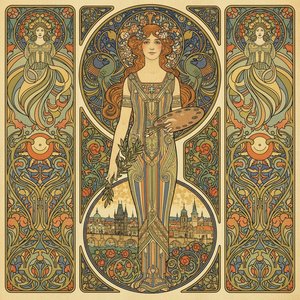
Salome litho
 Lithograph
- Art Nouveau
 1897
1897- 19th Century
 41.0 x 31.0 cm
Experience the flowing elegance of Alphonse Mucha's Art Nouveau Salome litho from 1897, capturing mystique with sinuous lines; discover this masterpiece today.
 Läs mer
Alphonse Mucha (1860-1939) var en tjeckisk konstnär känd för sin fantastiska Art Nouveau-stil med vackra kvinnor och symboliska verk som "Slav Epic". En mästare inom dekorativ konst och affischdesign.
Giclée / Konsttryck
Giclée- eller canvasprint av museumskvalitet med snabb produktion och flexibla ytbehandlingsalternativ. ( Köp handmålat konstverk Byt till digital bildförsäljning)




P118B Skr10

P118H Skr10

P118W Skr10

P438Z Skr10

P508JH Skr12

P508YH Skr12

P805H Skr10

P805Z Skr10

P919BZ Skr10

P919G Skr10

P919XJ Skr10

P959ZH Skr10

P968JZ Skr12

W106C Skr8

W218G Skr10

W218JH Skr8

W218Y Skr10

W307PJ Skr10

W316G Skr10

W316PJ Skr8

W316Y Skr10

W398PJ Skr8

W4111J Skr10

W500HY Skr15

W500JH Skr15

W692G Skr12

W849H Skr8

W940BG Skr15

W953PJ Skr8




Standardstorlek
anpassad
CM
INCH
Välj bland våra förinställda storlekar som motsvarar konstverkets ursprungliga proportioner.
Loading sizes...

bredd
höjd
Ange den bredd och höjd du behöver, för att passa din ram eller din vägg. Ett tryck kan endast beskäras, aldrig göras större än bilden, vilket innebär att ett format med en annan formform leder till att en del av bilden går förlorad. Vi skickar en digital mockup för godkännande innan vi trycker något. Bilden som visas på denna sida visar inte den faktiska beskärningen — det är endast mockuppen som gör det.
Leverans över hela världen () på 2 veckor istället för standard 4/5 veckor. (22 oktober)

Fri expressfrakt över hela världen

Högkvalitativ linnecanvas

Fullständig fraktförsäkring

Garantier för återbetalning av tullavgifter

Garantier för exakt färgåtergivning

100 dagars returrätt vid fabrikationsfel

100% pengarna tillbaka-garanti

Mängdrabatt erbjuds
 Glasalternativet är endast tillgängligt i storlekar under 110 cm.

Salome litho
Giclée / Konsttryck
Reproduktionsstorlek
-


Totalpris
Skr 678
The Enigmatic Allure of Art Nouveau
To gaze upon Alphonse Maria Mucha's Salome litho is to step directly into the opulent dreamscape of the late nineteenth century. This piece is not merely an illustration; it is a visual poem rendered in ink and pigment, encapsulating the very spirit of Art Nouveau. The style itself—with its sinuous, whiplash curves and organic embrace of form—was a deliberate rebellion against the rigid structures of academic art. Mucha masterfully channeled this movement's ethos, creating an aesthetic that celebrates nature’s fluidity and the exquisite curve of the human figure. Every flowing strand of hair, every drape of fabric, seems to move with an internal, rhythmic life, drawing the viewer into its mesmerizing current.
Composition and Mystique
At the heart of the composition stands the central figure, Salome, whose presence is both captivating and deeply enigmatic. She is depicted in a state of poised concentration, her upward gaze suggesting communion with something unseen or divine. Her flowing gown seems less like woven material and more like liquid silk caught mid-swirl. The inclusion of the large wheel or spinning top adds an intriguing layer of symbolism—a suggestion of cyclical time, fate, or perhaps the turning nature of earthly desires. Flanking her, the two background figures complete a tableau vivant, grounding the central mystery within a richly populated narrative space. It is this careful orchestration of forms and gazes that gives the artwork its profound sense of mystique.
Historical Echoes and Symbolism
The choice of Salome, a figure steeped in biblical lore, speaks volumes about the cultural currents of Mucha's time. The late nineteenth century saw an intense fascination with mythology, the exotic, and narratives that touched upon profound spiritual or dramatic themes. Mucha did not simply illustrate a story; he imbued it with universal symbolism. The interplay between the earthly beauty of the woman and the weight of her narrative suggests a contemplation on desire, devotion, and the passage from mortal life to mythic legend. For the modern collector, this piece offers a tangible connection to an era when art was deeply intertwined with storytelling and decorative splendor.
Bringing Salon Grandeur Home
The reproduction of this 1897 lithograph allows contemporary interiors to absorb the grandeur of a bygone artistic epoch. The delicate detail inherent in Mucha's technique—the way light seems to catch on jewelry, or how the background elements blend into the main subject—demands appreciation up close. Whether placed above a mantelpiece or incorporated into a gallery setting, this artwork acts as an immediate focal point, lending an air of sophisticated, bohemian elegance. It is a piece that whispers tales of Parisian salons and Bohemian artistry, transforming any space it graces with enduring beauty and artistic depth.
Frågor och svar
Tillhör "Salome litho" av Alfons Mucha de mest eftertraktade verken inom Art Nouveau?
"Salome litho" är noterad som Iconic bland Art Nouveau-verken i katalogen.
Hur kan jag se "Salome litho" av Alfons Mucha som ett bildspel?
Ett bildspel finns tillgängligt på sidan Bildspel för "Salome litho" av Alfons Mucha.
Vad handlar "Salome litho" om, och vilken atmosfär förmedlar den?
"Salome litho" visar art nouveau, salome, mythology, flowing lines, elegance, figurative art, 19th century och dess förmedlade stämning är Mystical.
Om konstnären
Early Life and Artistic Beginnings
Alphonse Maria Mucha, född den 15 juli 1860 i den lilla byn Ivančice i Mähren – en region som idag tillhör Tjeckien – var redan i ung ålder tydligt markerad av ett konstnärligt talent. Hans förmåga att sjunga lockade honom till en musikskola, men det var dock måleriet som verkligen fängslade hans hjärta och sinne. Han började tidigt experimentera med olika tekniker och stilar, och hans tidiga verk vittnar om en stark fascination för traditionella motiv och den lokala konsttraditionen i Mähren.
Hans utbildning tog honom först till Brno, huvudstaden i Mähren, där han studerade vid den lokala gymnasiet. Där fick han dock inte riktigt briljera och blev avvisad från akademin i Prag – en besvikelse som formade hans syn på konsten och hans strävan efter att skapa sin egen unika stil. Det var under denna tid som han kom i kontakt med Jan Umlauf, en lokal konstnär vars freskar inspirerade honom djupt och ledde till ett tidigt intresse för dekorativa element och berättande genom bild.
Paris och Art Nouveau: En Genombrott
År 1887 flyttade Mucha till Paris, en stad som redan var centrum för konstnärlig innovation och experiment. Han fortsatte sin utbildning vid Académie Julian och Colarossi, men det var i den franska huvudstaden som hans unika stil verkligen började ta form. Han fascinerades av den nya rörelsen Art Nouveau, som präglades av flytande linjer, organiska former och en känsla av rörelse – en stil som skulle bli hans signatur.
Det var i Paris som han fick sitt stora genombrott. Hans poster för skådespelerskan Sarah Bernhardt, särskilt affischen till hennes pjäs Gismonda (1894), blev omedelbart sensationella och etablerade honom som en av de mest framstående konstnärerna inom Art Nouveau. Bernhardts entusiasm över hans arbete ledde till ett långvarigt samarbete, där Mucha designade affischer, kostymer och scenografi för hennes föreställningar.
Universal Exhibitionen och Internationellt Genomslag
År 1900 deltog Mucha i den stora Universal Exhibitionen i Paris, där hans Art Nouveau-stil fick ett enormt internationellt genomslag. Han designade interiörer och affischer för både Bosniens och Hercegovinas paviljong samt samarbetade med Österrikes paviljong. Exhibitionen cementerade hans rykte som en banbrytande konstnär och inspirerade efterföljande generationer av designers och konstnärer.
Under denna tid började han också att utforska andra områden inom design, inklusive inredningsarkitektur, glas och kläder. Hans verk präglades av en elegant och sofistikerad estetik, som ofta innehöll inslag av traditionella tjeckiska motiv och symbolik.
Slav Epicen och ett Nationaldåd
En av Muchas mest monumentala och betydelsefulla projekt var Slav Epic (1912-1930), en serie av 20 historiemålningar som han skapade med stöd från den amerikanska industrimagnaten Charles Richard Crane. Projektet syftade till att illustrera den slaviska folks historia och kultur, och det blev ett symboliskt uttryck för tjeckisk nationalkänsla och identitet.
Slav Epic är inte bara en konstnärlig prestation utan också ett politiskt statement. Mucha använde sin konst för att främja tjeckiska intressen och stärka nationens stolthet, vilket ledde till kontroverser och kritik från vissa håll. Trots detta har Slav Epic blivit en av hans mest kända och älskade verk.
Senare Liv och Arv
Efter första världskriget fick Mucha i uppdrag att designa postfrimärken, sedlar och andra officiella dokument för den nybildade staten Tjeckoslovakien. Hans konst spelade en viktig roll i att forma landets visuella identitet och symbolik.
Alphonse Mucha dog den 14 juli 1939 i Prag, och hans arv lever vidare genom hans fantastiska verk och hans inflytande på konsten och designen. Han är fortfarande en av de mest älskade och respekterade konstnärerna inom Art Nouveau-rörelsen, och hans stil fortsätter att inspirera konstnärer och designers världen över.

Alfons Mucha
1860 - 1939 , Tjeckien
Snabbfakta
- Artistic Movement Or Style: Art Nouveau
- Artists Or Movements Influenced By This Artist: ['Prokopcová']
- Artists Who Influenced This Artist:
- Renoir
- Moreau
- Date Of Birth: 1860-07-15
- Date Of Death: 1939-07-14
- Full Name: Alphonse Maria Mucha
- Nationality: Tjekkisk
- Notable Artworks:
- Slav Epic
- Gismonda
- Salon des Cent
- Place Of Birth: Brno, Tjeckien
Relaterade artiklar
Alphonse Mucha: A Comprehensive Exploration of Art Nouveau's Master of Decorative Symbolism
Explore the life & art of Alphonse Mucha, master of Art Nouveau! Discover his iconic posters, stunning illustrations, and the monumental Slav Epic. A comprehensive guide for collectors & enthusiasts.

Giclée Prints: Archival Quality & Aesthetic Nuances for the Discerning Collector
Explore the world of giclée prints with TopImpressionists. Learn about archival quality, aesthetic nuances & investment potential. Expert guidance for discerning art collectors seeking museum-quality reproductions and lasting value.

10 Legendariska Litografier Som Förändrade Konsthistorien – Upptäck Mästerverk Nu!
Utforska 10 legendariska litografier av Toulouse-Lautrec, Munch & Picasso! Upptäck konsthistorien bakom dessa mästerverk och låt dig inspireras. Köp museumkvalitativa reproduktioner på TopImpressionists.com – för en stilfull inredning.

Art Nouveau: Topp 10 mästerverk som definierade en epok – Konsttryck & Inredning
Utforska Art Nouveau-rörelsens 10 mest ikoniska mästerverk! Lär känna Alphonse Mucha, Gustav Klimt & andra nyckelartister. Vackra konsttryck och inspiration för din inredning – upptäck tidlösa symbolik och organiska former på TopImpressionists.com.

The Enduring Legacy of Fine Art Prints: Technique, History & Aesthetic Impact
Explore the rich history & techniques of fine art prints. Discover investment potential, assess authenticity, and learn how to preserve your collection with expert guidance. Trusted insights for discerning collectors.