


 Visa i rummet
 Skicka
 Dela
Dela
 Detaljer
 Studentguide för konstverk

 Ladda ner
 Liknande objekt
 Röntgen
 Bildspel
 Besökstatistik
Madame Van Leer
 Oil On Panel
- Fauvism
 1929
1929 50.0 x 36.0 cm
 Fitzwilliam College
Admire André Derain's 'Madame Van Leer,' a captivating 1929 oil painting of a striking woman, showcasing Fauvist color and artistic brilliance. A timeless masterpiece by a celebrated French artist.
 Läs mer
André Derain (1880-1954): En nyckelfigur i fauvismen, känd för sin djärva färg och uttrycksfulla stil. Utforska hans ikoniska Londonmålningar och utvecklingen mot klassicismen.
Handgjord oljereproduktion
Handmålad olja på duk i din valda storlek och ram, tillverkad efter beställning av våra konstnärer. ( Byt till tryckta exemplar Byt till digital bildförsäljning)




P118B Skr10

P118H Skr10

P118W Skr10

P438Z Skr10

P508JH Skr12

P508YH Skr12

P805H Skr10

P805Z Skr10

P919BZ Skr10

P919G Skr10

P919XJ Skr10

P959ZH Skr10

P968JZ Skr12

W106C Skr8

W218G Skr10

W218JH Skr8

W218Y Skr10

W307PJ Skr10

W316G Skr10

W316PJ Skr8

W316Y Skr10

W398PJ Skr8

W4111J Skr10

W500HY Skr15

W500JH Skr15

W692G Skr12

W849H Skr8

W940BG Skr15

W953PJ Skr8




Standardstorlek
anpassad
CM
INCH
Välj bland våra förinställda storlekar som motsvarar konstverkets ursprungliga proportioner.
Loading sizes...

bredd
höjd
Ange den bredd och höjd du behöver för att passa din ram eller din vägg. Eftersom detta är handmålat kan konstnären vid en annan form måla lite mer runt bilden eller beskära den något – du väljer själv. Vi skickar en digital mockup för godkännande innan målningen påbörjas. Bilden som visas på denna sida representerar inte det slutgiltiga resultatet — det är endast mockuppen som visar det.
Exempel på vad som kan anpassas: Byt ut ansiktet mot ett foto av kunden; Lägg till ett husdjur (t.ex. byt ut en katt mot en hund); Inkludera ett dolt meddelande i bakgrunden; Ändra bakgrundens landskap eller element.
Efter beställning kommer TopImpressionists.com team att mejla kunden för instruktioner och tillhandahålla en skissförhandsvisning
Efter beställning kommer TopImpressionists.com team att mejla kunden för instruktioner och tillhandahålla en skissförhandsvisning
Leverans över hela världen () på 3–4 veckor istället för standard 5 veckor. (25 oktober). Inga kompromisser med kvaliteten.

Fri expressfrakt över hela världen

Högkvalitativ linnecanvas

Fullständig fraktförsäkring

Garantier för återbetalning av tullavgifter

Garantier för exakt färgåtergivning

100 dagars returrätt vid fabrikationsfel

100% pengarna tillbaka-garanti

Mängdrabatt erbjuds
 Glasalternativet är endast tillgängligt i storlekar under 110 cm.

Madame Van Leer
Tryckteknik
Reproduktionsstorlek
-


Totalpris
Skr 2666
André Derain’s “Madame Van Leer”: A Fauvist Portrait of Parisian Elegance
André Derain's "Madame Van Leer," painted in 1929, is more than just a portrait; it’s a vibrant distillation of the Fauvist movement and a captivating glimpse into the social life of early 20th-century Paris. This oil on panel work, currently residing at the Fitzwilliam Museum in Cambridge, immediately assaults the senses with its audacious color palette – a deliberate rejection of academic realism in favor of emotional expression. Derain, a key figure alongside Matisse in establishing Fauvism, wasn’t interested in faithfully representing his subject; instead, he sought to capture her essence through intense hues and dynamic brushstrokes.
The painting depicts Madame Van Leer, a woman of considerable social standing, seated with an air of quiet confidence. Her red dress, rendered in fiery oranges and deep crimsons, dominates the composition, drawing the eye immediately. This bold color choice isn’t merely decorative; it speaks to the energy and vibrancy that characterized the Fauvist period. Derain employed a technique known as “divisionism,” breaking down colors into small, distinct strokes – a method he had initially adopted from Seurat but pushed to its most expressive limits. Notice how the red is not blended smoothly, but rather layered with yellows, blues, and greens, creating an almost shimmering effect that seems to pulsate with life.
A Window into Parisian Society
Understanding “Madame Van Leer” requires a brief context of 1920s Paris. The city was undergoing rapid social and artistic transformation following the devastation of World War I. Artists, eager to break free from the constraints of traditional art, flocked to Montmartre, seeking inspiration in the bohemian atmosphere and experimenting with new forms of expression. Derain’s work reflects this spirit of innovation and a fascination with the changing face of Parisian society. The subject herself, Madame Van Leer, was a prominent figure in artistic circles, known for her patronage of the arts and her sophisticated social life.
The painting offers a subtle commentary on the role of women in that era. While outwardly composed and elegant, there’s an underlying sense of introspection in Madame Van Leer's gaze. She isn’t simply posing for the portrait; she seems to be contemplating something beyond the immediate scene. This ambiguity adds another layer of complexity to the work, inviting viewers to project their own interpretations onto the image.
The Language of Color and Form
Beyond its social context, “Madame Van Leer” is a masterclass in Fauvist technique. Derain’s use of color isn't arbitrary; it’s deeply symbolic. The vibrant reds evoke passion and energy, while the cooler blues and greens suggest tranquility and introspection. He deliberately distorted forms to heighten their emotional impact, prioritizing visual sensation over realistic representation. The simplified shapes and flattened perspective contribute to a sense of immediacy and directness – as if we are witnessing a fleeting moment captured in paint.
Furthermore, Derain’s brushwork is remarkably expressive. The thick, visible strokes create a tactile quality that invites the viewer to engage with the painting on a physical level. The layering of colors and the dynamic application of paint contribute to the overall sense of movement and vitality. It's important to note that after 1910, Derain moved away from the most extreme Fauvist palette, incorporating influences from Cézanne and the Old Masters, but “Madame Van Leer” remains a powerful example of his early experimentation with color and form.
A Timeless Portrait of Parisian Spirit
“Madame Van Leer” is more than just a beautiful painting; it’s a testament to the transformative power of art. It captures not only the likeness of a woman but also the spirit of an era – a time of innovation, experimentation, and social change. The bold colors, expressive brushwork, and subtle symbolism combine to create a work that continues to resonate with viewers today. Reproductions of this iconic painting offer a chance to bring a touch of Parisian elegance and Fauvist vibrancy into any space, serving as a reminder of the enduring legacy of André Derain’s artistic vision.
Frågor och svar
När och med vilka material skapades "Madame Van Leer"?
"Madame Van Leer" skapades år 1929 i Oil On Panel.
Var kan jag hitta en guide till "Madame Van Leer"?
En Guide-sida finns tillgänglig för "Madame Van Leer" av André Derain: ett utskrivbart faktablad om konstverket, utformat för studenter och undervisning i klassrummet.
Vem har skapat "Madame Van Leer"?
Konstnären bakom "Madame Van Leer" är André Derain. Verket är katalogiserat under André Derains namn.
Liknande konstverk


Om konstnären
Early Life and the Seeds of Fauvism
André Derain, född 10 juni 1880 i den charmiga byn Chatou nära Paris, var inte från början tänkt att leva ett liv fyllt av färg och duk. Till skillnad från vissa berättelser som antyder en omedelbar konstnärlig uppvakning genom möten med andra målare som Vlaminck eller Matisse, började Derain sin konstnärliga resa oberoende runt 1895. Dessa tidiga utforskningar ägde ofta rum tillsammans med Fadre Jacomin och hans söner under landsbygdsutflykter – en formativ upplevelse som inställde en djup uppskattning för den naturliga världen. Han studerade kort vid Académie Camillo 1898, där han olyckligtvis kom att träffas av Henri Matisse, vilket inledde ett avgörande konstnärligt partnerskap. Ytterligare studier under Eugène Carrière skärpte hans grundläggande färdigheter, men det var militärtjänsten från 1901 till 1904 som tillfälligt avbröt hans blomstrande karriär. Vid sin återkomst, övertygad av Matisses oavrådliga tro, lämnade Derain beslutsamt engineering och engagerade sig fullt ut i målarverksamheten, fortsatte han sina studier vid Académie Julian. Detta beslut markerade en vändpunkt, som lade grunden för att bli en central figur i en av modern konst’s mest revolutionära rörelser.The Explosive Birth of Color: Fauvism
Sommaren 1905 blev en explosiv stund för Derain och Matisse när de samarbetade i den solblekta kustbyn Collioure. Denna period föddes verk som “Mountains at Collioure”, karakteriserat av ett radikalt avståndstagande från representativ färg. Landskapen var inte bara skildringar av platser; de var uttryck för känslor, målade genom intensivt livfulla, icke-naturliga nyanser. När deras verk visades på Salon d’Automne samma år, väckte det vrede och häpnad. Kritikern Louis Vauxcelles döpte dem upprört till “Les Fauves” – de vilda djuren – ett namn som först avsågs vara nedlåtande men som snarare omfamnades av konstnärerna själva. Derains bidrag till denna rörelse var inte bara stilistiskt; han besatt en unik förmåga att översätta emotionell intensitet till ren färg. 1906 anlitade Ambroise Vollard honom för att måla London, vilket resulterade i en serie slående tavlor som skildrade Themsen och Tower Bridge. Dessa var inte konventionella stadsscener; de var djärva tolkningar, som fångade Londons energi och atmosfär genom ett icke-konventionellt perspektiv – ett testamente till Derains innovativa vision. Påverkade av konstnärer som Van Gogh och Cézanne, pressade han gränserna för färg och form, vilket lade grunden för framtida generationers expressionistiska målare.Beyond Fauvism: A Shifting Aesthetic
Den initiala feberheten i Fauvismen definierade inte Derains hela konstnärliga bana. Runt 1907 började hans stil genomgå en betydande utveckling, och avvek från den okontrollerade kromatiska utstudsen mot mer dämpade toner och ett ökat fokus på form. Denna period, ofta benämnd som hans “gothiska” fas (1911-1914), återspeglade ett växande intresse för struktur och komposition. Han sjönk ner i studier av de gamla mästarna, införlivade element från kubismen samtidigt som han sökte inspiration från klassiska former. Detta var inte en avvisning av hans tidigare verk utan snarare en expansion av hans konstnärliga ordförråd. Derain’s mångsidighet sträckte sig bortom målarverksamheten; 1919 designade han baletten “La Boutique Fantasque” för Sergei Diaghilevs Ballets Russes, vilket visade hans aptit för teaterskapande och ytterligare visade upp hans mångfaldiga talanger. Nyckelverk från denna era, såsom "Harlequin and Pierrot" och den monumentala väggen “Return of Ulysses”, exemplifierar denna stilistiska förändring – ett steg mot en mer kontrollerad och intellektuellt krävande konstnärlig approach.Major Achievements and Legacy
André Derain’s plats i konshistorien är säkerställd som medgrundare till Fauvismen, en rörelse som oåterkalleligt förändrade modern konst’s landskap. Hans unika syn på London, fångad i hans livfulla tavlor, erbjöd ett nytt perspektiv på en ikonisk stad. Efter första världskriget fick han ny erkännelse för sina bidrag till en återupplivning av klassicismen, vilket visade sig vara hans anpassningsförmåga och bestående konstnärliga relevans. Derain’s resa är ett bevis på den konstnärliga innovationens kraft och komplexiteterna som ligger inbäddade i att navigera en snabbt föränderlig värld.
André Derain
1880 - 1954 , Frankrike
Snabbfakta
- Artistic Movement Or Style: Fauvisme, Kubism
- Artists Or Movements Influenced By This Artist: ['Van Gogh']
- Artists Who Influenced This Artist:
- Matisse
- Cézanne
- Date Of Birth: 10 juni 1880
- Date Of Death: 8 september 1954
- Full Name: André Derain
- Nationality: Fransk
- Notable Artworks:
- Mountains Collioure
- Harlequin Pierrot
- Place Of Birth: Chatou, Frankrike
Relaterade artiklar

Rembrandts 25 Mästerverk: En Konsthistorisk Resa för Hemmet
Utforska Rembrandts 25 mest ikoniska målningar! Lär känna historien bakom mästerverken, hans unika teknik och barockens ljusspel. Köp exklusiva konsttryck & tavlor online på TopImpressionists.com – för en tidlös inredning.

Fauvismens 10 Mästerverk: Konst som Väckte Färg till Livet | TopImpressionists
Upptäck fauvismens 10 mästerverk! Fördjupa dig i Henri Matisses och André Derains djärva färger & expressionistiska konst. Köp reproduktioner av kända målningar online hos TopImpressionists – museumkvalitet för ditt hem. Utforska samlingen nu!

Charles-André van Loo: A Study in Rococo Portraiture & the French Court's Artistic Dynamics
Explore the elegant world of Charles-André van Loo, a master of Rococo portraiture at the French court. Discover his life, techniques, and enduring influence on 18th-century art. Hand-painted reproductions available.

André Derain: Fauvism's Bold Visionary & the Evolution of Modern Color
Explore the revolutionary art of André Derain, co-founder of Fauvism. Discover his bold use of color, evolution from radical expressionism to classicism, and lasting influence on modern art history. Learn more at TopImpressionists.
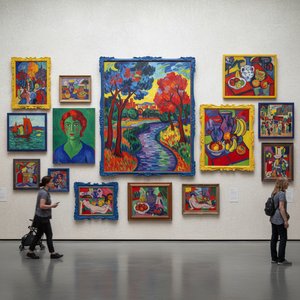
Fauvismens 10 Mästerverk: Konst som Chockade Världen – Upptäck Nu!
Utforska fauvismens 10 mest ikoniska mästerverk! Lär känna Matisse, Derain och andra pionjärer. Starka färger & djärva penseldrag definierade epoken. Hitta konsttryck av högsta kvalitet på TopImpressionists.com – för din heminredning.
Utforska konstverk sorterade efter tema, stil och egenskaper.

