

 Visa i rummet
 Skicka
 Dela
Dela
 Detaljer
 Guide
Guide

 Ladda ner
 Liknande objekt
 Röntgen
 Bildspel
 Besökstatistik
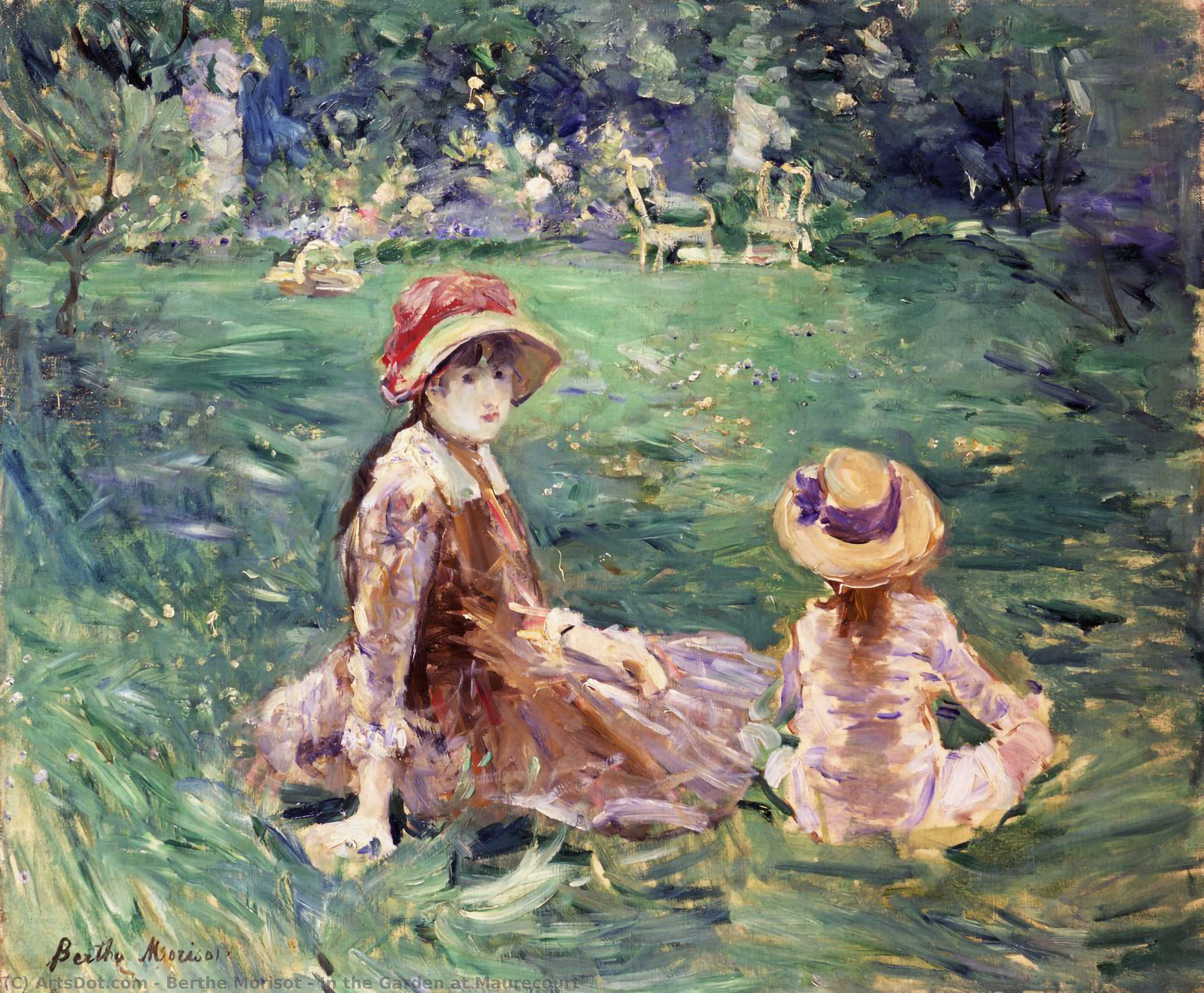
In the Garden at Maurecourt
 Oil On Canvas
- WallArt
- Impressionist Movement
 1884
1884- 19th Century
 54.0 x 65.0 cm
 Toledo Museum of Art
 Läs mer
Handgjord oljereproduktion
Handmålad olja på duk i din valda storlek och ram, tillverkad efter beställning av våra konstnärer. ( Byt till tryckta exemplar Byt till digital bildförsäljning)




P118B $10

P118H $10

P118W $10

P438Z $10

P508JH $12

P508YH $12

P805H $10

P805Z $10

P919BZ $10

P919G $10

P919XJ $10

P959ZH $10

P968JZ $12

W106C $8

W218G $10

W218JH $8

W218Y $10

W307PJ $10

W316G $10

W316PJ $8

W316Y $10

W398PJ $8

W4111J $10

W500HY $15

W500JH $15

W692G $12

W849H $8

W940BG $15

W953PJ $8




Standardstorlek
anpassad
CM
INCH
Välj bland våra förinställda storlekar som motsvarar konstverkets ursprungliga proportioner.
Loading sizes...

bredd
höjd
Du kan ange egna mått för att passa en specifik ram eller yta. Om den valda storleken inte matchar originalbildens proportioner kommer vi antingen att beskära konstverket eller utöka målningen med ytterligare handmålade element. En digital skiss skickas till dig för godkännande innan produktionen påbörjas.
Observera att förhandsvisningen på skärmen inte återspeglar den faktiska beskärningen eller utökningen. Endast skissen visar den slutgiltiga kompositionen korrekt.
Även om anpassade storlekar är möjliga, rekommenderar vi att du väljer en dimension från den fördefinierade listan för att bevara originalproportionerna.
Exempel på vad som kan anpassas: Byt ut ansiktet mot ett foto av kunden; Lägg till ett husdjur (t.ex. byt ut en katt mot en hund); Inkludera ett dolt meddelande i bakgrunden; Ändra bakgrundens landskap eller element.
Efter beställning kommer TopImpressionists.com team att mejla kunden för instruktioner och tillhandahålla en skissförhandsvisning
Efter beställning kommer TopImpressionists.com team att mejla kunden för instruktioner och tillhandahålla en skissförhandsvisning
Leverans över hela världen () på 3–4 veckor istället för standard 5 veckor. (23 september). Inga kompromisser med kvaliteten.

Fri expressfrakt över hela världen

Högkvalitativ linnecanvas

Fullständig fraktförsäkring

Garantier för återbetalning av tullavgifter

Garantier för exakt färgåtergivning

100 dagars returrätt vid fabrikationsfel

100% pengarna tillbaka-garanti

Mängdrabatt erbjuds
 Glasalternativet är endast tillgängligt i storlekar under 110 cm.

In the Garden at Maurecourt
Tryckteknik
Reproduktionsstorlek
-


Totalpris
$ 269
A Symphony of Light and Leisure
In the soft, dappled sunlight of a French afternoon, Berthe Morisot’s “In the Garden at Maurecourt” invites the viewer into a sanctuary of profound stillness. Completed in 1884, this masterpiece serves as a window into the Belle Époque, capturing a moment that feels both fleeting and eternal. The scene unfolds within a lush, verdant garden—likely the Morisot estate near Maurecourt—where two young figures, including the artist’s daughter Julie, are nestled amidst the grass. There is an undeniable intimacy to the composition; the way the figures sit in quiet companionship suggests a private world, shielded from the bustling modernity of the late 19th century. For the collector or interior designer, this piece offers more than mere decoration; it provides an emotional anchor of tranquility, making it an exquisite addition to spaces designed for reflection and peace.
The artistry of Morisot is defined by her ability to translate the ephemeral into the tangible. Eschewing the rigid lines of academic realism, she employs a quintessential Impressionist technique characterized by loose, spontaneous brushstrokes that mimic the fluidity of a watercolor sketch. The canvas vibrates with life through a masterful interplay of light and shadow. Sunlight filters through a canopy of mature trees, casting dancing patterns across the white and lilac fabrics of the girls' dresses. This technique does not merely depict a garden; it recreates the very sensation of warmth on skin and the rustle of leaves in a gentle breeze. The palette, dominated by soothing greens and deep blues, is punctuated by delicate highlights that draw the eye across the textured surface, revealing the artist's profound command over color temperature and atmospheric depth.
Symbolism and the Impressionist Vision
Beyond its aesthetic charm, “In the Garden at Maurecourt” is rich with the stylistic dialogues of its era. Morisot utilizes a central tree to bisect the canvas, a compositional choice that mirrors the influence of Japanese woodblock prints, which were then revolutionizing European perspectives on space and balance. This structural element creates two distinct spheres within the garden, lending a sense of organized harmony to the otherwise wild, organic foliage. The garden itself serves as a powerful symbol of a cultivated paradise—a sanctuary removed from the harsh realities of the industrial world. Through her lens, the landscape becomes an extension of the soul, where the blooming flowers and lush greenery reflect the innocence and budding vitality of the subjects depicted.
For those looking to curate a collection of fine art reproductions, this work stands as a testament to the enduring legacy of Berthe Morisot. Her ability to capture the domestic sphere with such dignity and artistic rigor elevates a simple garden scene into a monumental study of light and life. Whether placed in a sun-drenched morning room or a sophisticated contemporary gallery, this painting brings with it an aura of timeless elegance and a gentle, rhythmic beauty that continues to captivate the modern eye.
Liknande konstverk


Om konstnären
A Life Immersed in Light and Intimacy
Berthe Morisot, född i Bourges 1841 och död i Paris 1895, var en fransk målare som blev en av de mest framstående figurerna inom impressionismen. Hennes berättelse sträcker sig långt bortom att bara vara en ”kvinna inom impressionismen”; att definiera henne enbart utifrån kön förminskar den djupgående originaliteten i hennes konstnärliga vision och hennes obevekliga engagemang för att fånga de flyktiga ögonblicken av modern tid. Hon härstamade från en borgerskapfamilj med konstnärligt arv – hon var släkting till den berömda rokokoförfattaren Jean-Honoré Fragonard – och fick en utbildning som var ovanlig för kvinnor i hennes ålder, en som främjade hennes naturliga talang och gav henne en livslång dedikation till måleri. Tidiga lektioner med Geoffroy-Alphonse Chocarne och Joseph Guichard gav henne grundläggande färdigheter, men det var exponeringen mot mästerverken i Louvren, där hon kopierade verk av de gamla mästarna, som verkligen tände hennes konstnärliga känslighet. Denna period av rigorös träning lade grunden för hennes senare utforskningar av ljus, färg och form. Jean-Baptiste-Camille Corots inflytande var särskilt betydelsefullt; hans betoning på *plein air*-måleri – att måla utomhus direkt från naturen – blev en hörnsten i Morisots metod, vilket tillät henne att fånga ljusets och atmosfärens flyktiga kvaliteter med stor känslighet.Navigating the Impressionist Circle
Morisot konstnärliga resa var tätt sammanflätad med den av Édouard Manet, som hon träffade 1864. Deras relation var präglad av ömsesidig respekt och intellektuell utbyte, där Manet fungerade som mentor och vän. Han målade flera porträtt av henne, vilket förevigade hennes närvaro i sin egen utvecklande stil. Men Morisot var inte bara ett motiv; hon deltog aktivt i den blomstrande impressionistiska rörelsen, blev medlem i gruppen tillsammans med Monet, Degas, Renoir och Pissarro. 1874 vågade hon sig att utställas med denna grupp av ”fördömda” konstnärer, trotsa de konservativa standarderna för den officiella Salongen. Denna första impressionistiska utställning markerade en vändpunkt i konsthistorien, utmanade traditionella akademiska konventioner och banade väg för nya former av konstuttryck. Morisot deltog i nästan alla efterföljande impressionistiska utställningar, visade ständigt sin unika perspektiv och stärkte sin position inom den avantgardistiska kretsen. Hennes verk, som ofta skildrade intima scener från det hemviste eller porträtt av kvinnor, erbjöd en distinkt kvinnlig blick, utmanade rådande samhällsnormer och utvidgade omfånget av acceptabelt motiv för kvinnliga konstnärer.A Distinctive Artistic Voice
Vad som särskiljer Morisot är inte bara *vad* hon målade, utan *hur* hon målade det. Hennes penseldrag kännetecknas av sin delikata flyt, en lätthet i beröringen som förmedlar ett intryck av spontanitet och omedelbarhet. Hon behärsktes att använda brutna färger – att applicera små droppar av ren pigment sida vid sida för att skapa en skimrande effekt av ljus och atmosfär. Till skillnad från vissa av hennes impressionistiska kollegor som fokuserade på storslagna landskap eller livliga stadsscener, valde Morisot ofta intima interiörscener och porträtt, utforskade nyanserna i mänskliga relationer och den tysta skönheten i vardagslivet. Hennes palett är vanligtvis mjuk och harmonisk, med fokus på pastellfärger och subtila färggraderingar. Detta innebär inte att hennes verk saknar styrka; snarare har det en raffinerad elegans och emotionell djup som resonerar hos betraktarna även idag. Kritikern Gustave Geffroy hyllade henne 1894 som en av ”les trois grandes dames” (de tre stora damerna) inom impressionismen – tillsammans med Marie Bracquemond och Mary Cassatt – och erkände hennes betydelsefulla bidrag till rörelsen.Legacy and Lasting Influence
Berthe Morisot’s liv avslutades tragiskt 1895, men hennes konstnärliga arv består. Hon gifte sig med Eugène Manet, bror till Édouard, och navigerade en värld som ofta underskattade kvinnliga konstnärer, men hon fortsatte att sträva efter sina mål med obeveklig beslutsamhet. Hon utställde under sitt fullständiga smeknamn – ett subtilt tecken på självständighet och självkänsla – och utmanade konventionella förväntningar konsekvent. Hennes verk hålls i prestigefyllda samlingar över hela världen, vilket är ett testamente till hennes bestående talang och hennes avgörande roll i att forma modern konsthistoria. *Woman in the Green Dress*, *The Cradle* och *Summer’s Day* är ikoniska exempel på hennes beherskade teknik, som bjuder betraktare in till en värld av ljus, intimitet och tyst kontemplation.
Berthe Morisot
1841 - 1895 , Frankrike
Snabbfakta
- Artistic Movement Or Style: Impressionism
- Artists Or Movements Influenced By This Artist: ['Impressionism']
- Artists Who Influenced This Artist:
- Corot
- Manet
- Date Of Birth: 14 januari 1841
- Date Of Death: 2 mars 1895
- Full Name: Berthe Morisot
- Nationality: Fransk
- Notable Artworks:
- Kvinnan i grönt
- Slafen
- Sommardag
- Place Of Birth: Bourges, Frankrike
Relaterade artiklar

The Enduring Legacy of French Art: Movements, Masters & Cultural Impact
Explore the rich history of French art, from the Salon to Impressionism & beyond. Discover iconic masters, key movements, and expert guidance for collecting timeless masterpieces. TopImpressionists.

Impressionismens Mästverk: Topp 10 Verk som Fångar Ögonblicket | TopImpressionists
Upptäck impressionismens magi! Utforska 10 ikoniska verk av Monet, Renoir & Degas. Lär känna historien bakom mästerverken och hitta inspiration till din inredning med konsttryck från TopImpressionists.com.

Topp 10 Impressionistiska Mästerverk – Konst som Förändrade Hem & Världen |
Upptäck de 10 mest inflytelserika impressionistiska mästerverken! Monet, Renoir & Degas – lär känna historien bakom ikoniska målningar och deras unika ljus. Köp konsttryck av högsta kvalitet på .

Cultivating Paradise: A Historical & Artistic Exploration of Gardens in Painting
Explore the rich history of gardens in painting! Discover masterpieces from Renaissance to Impressionism & beyond. Learn about symbolism, artists like Monet & Klimt, and find your perfect artwork at TopImpressionists.

Portrayals of Power & Perception: A Historical Survey of Women in Art
Explore the rich history of women in art – from iconic muses to groundbreaking artists. Discover feminist movements & reclaim female narratives with TopImpressionists. Expert insights for discerning collectors.
Utforska konstverk sorterade efter tema, stil och egenskaper.


