Förhandsvisa
 Skicka
 Dela
Dela
 Visa detaljer
 Guide
Guide

 Ladda ner
 Liknande objekt
 Röntgen
 Bildspel
 Q&A
Q&A Statistik
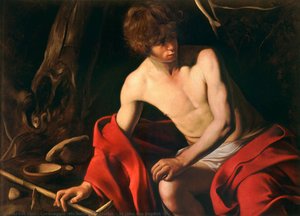
Amor Victorious

- 156.0 x 113.0 cm


Upptäck Caravaggios mästerverk Amor Victorious! Ett dramatiskt barockmålning där kärlek triumferar över allt övrigt och visar upp en ikonisk scen från 1602.
 Visa mer
Caravaggio (1571-1610): Barockmästare! Upplev realism, dramatik & chiaroscuro i hans revolutionerande konstverk. Inspirerade Rubens & Rembrandt.
Giclée / Konsttryck
Giclée- eller canvasprint av museumskvalitet med snabb produktion och flexibla ytbehandlingsalternativ. ( Beställ handmålad reproduktion Byt till digital bild)




P118B Skr10

P118H Skr10

P118W Skr10

P438Z Skr10

P508JH Skr12

P508YH Skr12

P805H Skr10

P805Z Skr10

P919BZ Skr10

P919G Skr10

P919XJ Skr10

P959ZH Skr10

P968JZ Skr12

W106C Skr8

W218G Skr10

W218JH Skr8

W218Y Skr10

W307PJ Skr10

W316G Skr10

W316PJ Skr8

W316Y Skr10

W398PJ Skr8

W4111J Skr10

W500HY Skr15

W500JH Skr15

W692G Skr12

W849H Skr8

W940BG Skr15

W953PJ Skr8




Standardstorlek
skräddarsydd
CM
INCH
Välj bland våra förinställda storlekar som motsvarar konstverkets ursprungliga proportioner.
Loading sizes...

bredd
höjd
Ange den bredd och höjd du behöver för att passa din ram eller vägg. Ett tryck kan endast beskäras, aldrig göras större än originalbilden, vilket innebär att ett format med en annan proportion leder till att en del av bilden går förlorad. Vi skickar en digital mockup för godkännande innan vi påbörjar tryckningen. Bilden som visas på denna sida visar inte den faktiska beskärningen — det är endast mockuppen som gör det.
Leverans över hela världen () på 2 veckor istället för standard 4/5 veckor. (1 november)

Fri expressfrakt över hela världen

Högkvalitativ linnecanvas

Fullständig fraktförsäkring

Garantier för återbetalning av tullavgifter

Garantier för exakt färgåtergivning

100 dagars returrätt (endast vid fel)

100% pengarna tillbaka-garanti

Mängdrabatt erbjuds
 Glasalternativet är endast tillgängligt i storlekar under 110 cm.

Amor Victorious
Giclée / Konsttryck
Storlek på reproduktion
-


Slutgiltigt pris
Skr 693
A Triumph of Love: Unveiling Caravaggio’s *Amor Victorious*
Caravaggio's *Amor Victorious*, painted in 1602, is a breathtaking embodiment of the Baroque period – a moment in art history defined by drama, realism, and intense emotion. Measuring 156 x 113 cm, this oil on canvas currently resides at the Gemäldegalerie in Berlin, captivating viewers with its audacious depiction of Cupid’s dominion. It's a painting that immediately grabs your attention, pulling you into a world of shadowed grandeur and palpable passion.The Allegory Unfolded: A God Above All
This is not your typical cherubic Cupid. Caravaggio presents a powerfully built, almost boyish god of love standing triumphantly amidst the discarded symbols of earthly pursuits. He embodies the very essence of Baroque art—a deliberate rejection of Renaissance idealism in favor of visceral truth. As Virgil’s line that inspired the work proclaims – “love conquers all; let us all yield to love!” – this sentiment is visually asserted before our eyes. At Cupid’s feet lie a lute, violin, musical score, a military helmet, and regal emblems of governance – all rendered powerless before his might. The composition is dynamic, triangular in form, drawing the eye upwards to Cupid’s confident stance; it's as if he commands attention with every gesture. His slightly crooked grin and tousled hair lend him an approachable humanity, a deliberate departure from idealized representations common at the time. This isn’t merely beautiful; it’s unsettling—a challenge to conventional notions of beauty and virtue.Masterful Technique: Chiaroscuro & Realism
Caravaggio's signature technique – *tenebrism*, a dramatic use of light and shadow (chiaroscuro) – is on full display. A strong, unseen light source illuminates Cupid’s body, highlighting his musculature and creating a palpable sense of depth. This stark contrast intensifies the emotional impact and draws attention to every detail, from the texture of the instruments to the glint in Cupid's eye. The artist’s commitment to realism is striking; he doesn’t shy away from portraying Cupid as a physically robust figure, grounding the allegorical subject matter in tangible reality. He achieves this remarkable effect through meticulous brushwork and an unparalleled understanding of how light interacts with surface textures—a skill that would become synonymous with Baroque painting. The artist's masterful use of chiaroscuro elevates *Amor Victorious* beyond mere visual representation; it seeks to evoke feeling, to transport the viewer into the heart of the scene.Historical Context & Patronage
Commissioned by Vincenzo Giustiniani, a wealthy Roman collector known for his patronage of the arts, *Amor Victorious* quickly became a prized possession within his collection. The painting’s immediate acclaim speaks to its innovative approach and powerful message—a bold assertion of love's dominance over intellect, power, and artistic expression. It emerged during a period of intense artistic rivalry in 17th-century Rome, where artists like Rubens and Rembrandt were pushing the boundaries of convention. Caravaggio deliberately challenged established norms, demonstrating his mastery of technique while simultaneously questioning accepted aesthetic ideals. Interestingly, the pose of Cupid bears a striking resemblance to Michelangelo’s *Victory*, suggesting Caravaggio's admiration for Renaissance masters while forging his own distinctive style—a testament to the enduring influence of artistic heritage.Symbolism & Interpretation
Beyond its literal depiction, *Amor Victorious* invites deeper interpretation. While historical analyses have debated potential connections to Caravaggio’s personal life – claims largely dismissed by modern scholarship – the painting's core message remains clear: love transcends all earthly concerns and holds dominion over human experience. The scattered objects surrounding Cupid—a lute, violin, musical score, a military helmet, and regal emblems of governance—represent the various forms of art and expression associated with his domain. They are not merely decorative elements; they symbolize the futility of worldly ambitions in comparison to the transformative power of passion. Consider this: love conquers all, but it does so at a cost – the surrender of reason and ambition. *Amor Victorious* is more than just an image; it’s a meditation on human desire and its capacity for both beauty and destruction. It compels us to confront our own vulnerabilities and aspirations, reminding us that true fulfillment lies beyond the confines of material possessions and worldly achievements.Emotional Resonance & Lasting Legacy
*Amor Victorious* isn't merely aesthetically pleasing; it’s emotionally charged—a visceral experience for anyone who encounters it. The painting evokes feelings of exhilaration mingled with apprehension – love is undeniably powerful, yet its influence can be disruptive and transformative. Caravaggio’s masterpiece continues to inspire artists and captivate audiences centuries later, securing its place as a cornerstone of Baroque art and demonstrating the enduring power of artistic vision. Its dramatic composition, masterful technique, and profound symbolism resonate across time, prompting contemplation on themes of beauty, desire, and human destiny. When contemplating this artwork, imagine yourself transported back to 17th-century Rome—a city ablaze with creativity and ambition, where Caravaggio’s daring style challenged conventions and redefined the boundaries of artistic expression. ## Considerations for Collectors & Designers- Color Palette: The rich warm tones – browns, reds, and golds – create a sense of intimacy and passion, making it suitable for dining rooms, libraries or bedrooms.
- Stylistic Harmony: Pairs beautifully with Baroque furniture, dramatic lighting schemes, and richly textured fabrics.
- Focal Point: Its dynamic composition makes it an ideal focal point in a room, drawing the eye and sparking conversation.
- Reproduction Quality: When considering a reproduction, prioritize high-resolution printing on canvas to capture the nuances of Caravaggio’s brushwork and chiaroscuro effect.
Frågor och svar
Hur samverkar kontrast och harmoni i "Amor Victorious"?
Färgkompositionen i "Amor Victorious" av Caravaggio förenar en Kontrastnivå kontrast med en Stark färgmässig enhetlighet harmoni.
Var i Caravaggios karriär placerar sig "Amor Victorious"?
"Amor Victorious" representerar Caravaggios Mature Period.
Var kan jag köpa ett tryck av "Amor Victorious" av Caravaggio?
"Amor Victorious" finns tillgänglig som ett konsttryck på bomullscanvas eller arkivbeständigt canvaspapper. Beställningar görs via dess Konsttryck i hög kvalitet-sida, i den storlek du själv väljer.
Konstnärsbiografi
En Mästares Liv i Skugga och Ljus
Michelangelo Merisi da Caravaggio, ett namn som är synonymt med barockmåleriet dramatiska intensitet, föddes i Milano 1571, en tid präglad av både konstnärlig blomstring och samhälleliga omvälvningar. Hans tidiga liv var märkt av förlust; pesten härjade hans hemstad och tog livet av hans far och farfar när han bara var sex år gammal. Uppväxt under relativ fattigdom inställde den unge Michelangelos formativa år inom honom en skarp medvetenhet om mänskligt lidande och motståndskraft – teman som senare skulle dominera hans dukar. Han började sin konstnärliga utbildning i Milano under Simone Peterzano, en före detta elev till Tizian, absorberade grunderna i renässansteknik men antydde redan en rebellisk anda som snart skulle krossa konventionella normer. Denna lärlingsutbildning gav en solid grund, men det var i Rom, omkring 1592, som Caravaggio verkligen fann sin röst, om än inte utan initial kamp och svårighet. Staden, ett pulserande nav för konstnärligt beskydd och religiös glöd, visade sig både lockande och oförlåtlig för den ambitiösa unga målaren.Ett Revolutionerande Synsätt: Teknik och Stil
Caravaggios ankomst till Rom signalerade en seismisk förändring i det italienska konstlandskapet. Han avvisade det rådande manieristiska stilen – kännetecknad av dess artificiella elegans och förlängda former – till förmån för en kompromisslös realism som chockade och fängslade publiken. Hans mest definierande innovation var hans mästerliga användning av chiaroscuro, den dramatiska kontrasten mellan ljus och mörker, som han höjde till en ny nivå av uttrycksfull kraft. Denna teknik, ofta kallad tenebrism, var inte bara ett estetiskt val; det var ett medel för att intensifiera emotionell påverkan, dra tittarna in i scenens hjärta och fylla hans figurer med en påtaglig känsla av närvaro. Han undvek idealiserade skildringar och befolkade istället sina målningar med vanliga människor – ofta hämtade från Roms gator – som modeller för religiösa figurer. Detta radikala tillvägagångssätt utmanade traditionella föreställningar om skönhet och helighet, vilket gjorde det heliga relaterbart och djupt mänskligt. Hans kompositioner var ofta karga och direkta, med fokus på avgörande ögonblick av intensivt drama, oavsett om det var den brutala realismen i ”Kristi gripande” eller den tysta kontemplationen i ”Sankt Franciskus från Assisi i extas”.Nyckelverk och Bestående Inflytande
Under sin relativt korta karriär producerade Caravaggio ett verk som fortsätter att resonera med publiken idag. Tidiga verk som ”Spåkvinnan” (1594) visar hans spirande talang för att fånga realistisk detalj och psykologisk nyans. ”Supper at Emmaus” (1601-1602), inrymt på National Gallery i London, exemplifierar hans behärskning av chiaroscuro och förmåga att förmedla djup emotionell djup inom ett bibliskt narrativ. ”David med Goliat’s huvud” (ca 1610) är särskilt kuslig, ofta tolkad som ett självporträtt som speglar Caravaggios eget problematiska tillstånd. Hans inflytande sträckte sig långt bortom Italien och inspirerade en generation konstnärer kända som Caravaggisti, eller ”skuggspelarna”, som antog hans stil i hela Europa. Anmärkningsvärda anhängare inkluderade Peter Paul Rubens, Jusepe de Ribera och Gerrit van Honthorst, var och en anpassade Caravaggios tekniker till sina egna unika konstnärliga visioner.En Tumultuarisk Existens och Ett Bestående Arv
Caravaggios liv var lika dramatiskt och turbulent som hans konst. En flyktig temperament och en benägenhet för slagsmål ledde honom till frekventa problem med lagen, vilket kulminerade i ett mordåtal 1606 som tvingade honom att fly från Rom. Han tillbringade de följande fyra åren på vandring genom Neapel, Malta och Sicilien, fortsatte att måla samtidigt som han desperat sökte en påvlig benådning. Trots sina ansträngningar förblev han laglös, hemsökt av sitt förflutna och plågad av personliga konflikter. Han dog i Porto Ercole, Italien, 1610 under mystiska omständigheter – dödsorsaken är fortfarande omtvistad, med teorier som sträcker sig från feber till förgiftning. Även om hans liv var kortlivat består Caravaggios konstnärliga arv som ett bevis på hans revolutionerande vision och orubbliga engagemang för realismen. Han utmanade konventionerna i sin tid, banade väg för en modernare måleriapproach och lämnade ett outplånligt märke på den västerländska konsthistorien. Hans verk fortsätter att inspirera vördnad och provocera kontemplation, vilket påminner oss om konsten förmåga att belysa de mörkaste hörnen av den mänskliga upplevelsen.
Caravaggio
1571 - 1610 , Spanien
Kortfakta
- Artistic Movement Or Style: Barock, Tenebrism
- Artists Or Movements Influenced By This Artist:
- Rubens
- Ribera
- Artists Who Influenced This Artist:
- Titian
- Leonardo da Vinci
- Date Of Birth: 29 september 1571
- Date Of Death: 18 juli 1610
- Full Name: Michelangelo Merisi da Caravaggio
- Nationality: Italiensk
- Notable Artworks:
- The Fortune Teller
- Supper at Emmaus
- David with Goliath
- Place Of Birth: Milano, Spanien
Relaterade artiklar
Barockens Mästerverk: Topp 10 konstverk som definierade en epok – TopImpressionists.se
Upptäck barockens 10 största mästerverk! Caravaggio, Rembrandt, Bernini och fler. Lär känna historien bakom ikoniska målningar & skulpturer. Köp reproduktioner av hög kvalitet på TopImpressionists.com – för en lyxig heminredning.

Michelangelos 25 Mästerverk: Konsthistoriens Största Skönheter – TopImpressionists
Utforska Michelangelos 25 mest ikoniska konstverk – från Pietà till Sixtinska kapellet. Lär känna renässansens mästare och hans tidlösa skulpturer & målningar. Köp museumkvalitativa reproduktioner på TopImpressionists.com.

The Visceral Stage: Exploring Dramatic Narratives & Emotional Intensity in Baroque Art
Explore the dramatic world of Baroque art! Discover iconic masters like Caravaggio & Rembrandt, their techniques, and the movement's lasting impact. Expert insights for collectors & enthusiasts at TopImpressionists.

Caravaggio's Revolutionary Realism: A Study of Light, Shadow, and the Human Condition
Explore the revolutionary realism of Caravaggio! Discover his mastery of light & shadow (tenebrism), dramatic religious scenes, and lasting influence on Baroque art history. A comprehensive guide for art enthusiasts.

The Dramatic Flourish: Exploring the Baroque Movement's Enduring Legacy in Art History
Explore the dramatic world of Baroque art! Discover iconic artists like Caravaggio & Rubens, defining techniques, and its lasting impact on art history. Expert insights for collectors & enthusiasts at TopImpressionists.
Utforska konstverk sorterade efter tema, stil och egenskaper.