

 Förhandsvisa
 Skicka
 Dela
Dela
 Visa detaljer
 Guide
Guide

 Ladda ner
 Liknande objekt
 Röntgen
 Bildspel
 Statistik
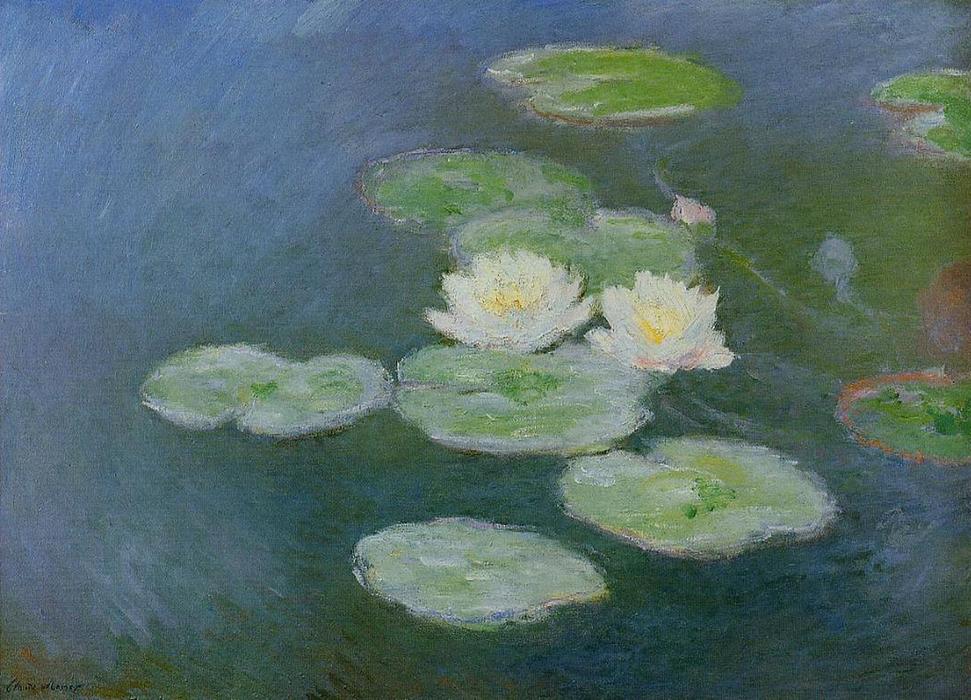
Water Lilies, Evening Effect


Experience the serene beauty of Claude Monet's 'Water Lilies, Evening.' This Impressionist masterpiece captures a tranquil pond scene with vibrant reflections – a timeless study of light and nature.
 Visa mer
Utforska Claude Monets värld, impressionismens mästare känd för att fånga flyktigt ljus och färg genom ikoniska landskap som Näckrosor och Höstackar.
Giclée / Konsttryck
Giclée- eller canvasprint av museumskvalitet med snabb produktion och flexibla ytbehandlingsalternativ. ( Beställ handmålad reproduktion Byt till digital bild)




P118B Skr10

P118H Skr10

P118W Skr10

P438Z Skr10

P508JH Skr12

P508YH Skr12

P805H Skr10

P805Z Skr10

P919BZ Skr10

P919G Skr10

P919XJ Skr10

P959ZH Skr10

P968JZ Skr12

W106C Skr8

W218G Skr10

W218JH Skr8

W218Y Skr10

W307PJ Skr10

W316G Skr10

W316PJ Skr8

W316Y Skr10

W398PJ Skr8

W4111J Skr10

W500HY Skr15

W500JH Skr15

W692G Skr12

W849H Skr8

W940BG Skr15

W953PJ Skr8




Standardstorlek
skräddarsydd
CM
INCH
Välj bland våra förinställda storlekar som motsvarar konstverkets ursprungliga proportioner.
Loading sizes...

bredd
höjd
Ange den bredd och höjd du behöver för att passa din ram eller vägg. Ett tryck kan endast beskäras, aldrig göras större än originalbilden, vilket innebär att ett format med en annan proportion leder till att en del av bilden går förlorad. Vi skickar en digital mockup för godkännande innan vi påbörjar tryckningen. Bilden som visas på denna sida visar inte den faktiska beskärningen — det är endast mockuppen som gör det.
Leverans över hela världen () på 2 veckor istället för standard 4/5 veckor. (26 oktober)

Fri expressfrakt över hela världen

Högkvalitativ linnecanvas

Fullständig fraktförsäkring

Garantier för återbetalning av tullavgifter

Garantier för exakt färgåtergivning

100 dagars returrätt (endast vid fel)

100% pengarna tillbaka-garanti

Mängdrabatt erbjuds
 Glasalternativet är endast tillgängligt i storlekar under 110 cm.

Water Lilies, Evening Effect
Giclée / Konsttryck
Storlek på reproduktion
-


Slutgiltigt pris
Skr 685
A Symphony of Light and Reflection: Claude Monet’s “Water Lilies, Evening Effect”
Claude Monet's "Water Lilies, Evening Effect" isn’t merely a depiction of a pond; it’s an immersion into the very essence of Impressionism – a fleeting moment captured in light, color, and atmosphere. Painted in 1899 during his prolific period at Giverny, this work embodies Monet's lifelong obsession with capturing the ephemeral qualities of nature, particularly the shifting moods of water and sky. The painting’s power lies not just in its subject matter but in Monet’s revolutionary technique, which sought to represent visual sensation rather than photographic realism. He abandoned traditional brushwork, opting instead for loose, broken strokes of color applied directly to the canvas – a method he perfected through his years of *en plein air* painting, working outdoors and observing light's constant transformation.
The scene itself is deceptively simple: a tranquil pond reflecting the twilight sky. However, within this apparent stillness lies a dynamic interplay of color and texture. Monet masterfully utilizes complementary hues – the cool blues and violets of the approaching evening contrasted with the warm yellows and oranges of the remaining sunlight – to create a sense of depth and luminosity. Notice how he doesn’t meticulously render each lily or ripple; instead, he suggests them through dabs and dashes of paint, allowing the viewer's eye to complete the image, creating an intimate connection with the scene.
The Giverny Garden: A Personal Universe
To fully appreciate “Water Lilies, Evening Effect,” it’s crucial to understand Monet’s relationship with his garden at Giverny. This wasn't just a decorative space; it was a laboratory for artistic experimentation – a carefully curated environment designed to stimulate his senses and inspire his paintings. The pond, filled with water lilies he painstakingly cultivated, became the central focus of his work during these later years. He built arched footbridges, Japanese structures, and strategically placed trees to frame the scene and create a sense of depth and perspective. Monet’s garden was, in essence, his personal universe, a space where he could relentlessly pursue his artistic vision.
The painting reflects this intimate connection with nature. It's not a grand, sweeping landscape but rather a quiet, contemplative moment within a familiar setting. The inclusion of the Japanese bridge and its reflection adds an element of serenity and harmony, echoing Monet’s admiration for Japanese art and design. This deliberate juxtaposition of Western and Eastern aesthetics is characteristic of his later work – a testament to his open-mindedness and willingness to incorporate diverse influences into his artistic practice.
Symbolism and the Poetics of Light
Beyond its visual beauty, “Water Lilies, Evening Effect” is rich in symbolism. The water lilies themselves represent purity, rebirth, and the cyclical nature of life – themes frequently explored by Impressionist artists. The reflection of the sky in the pond mirrors the heavens, suggesting a connection between the earthly realm and the divine. More profoundly, Monet was deeply interested in capturing the *impression* of light—the way it changes throughout the day and affects our perception of color and form.
The “Evening Effect,” as the title suggests, captures this fleeting moment of transition – the last vestiges of daylight fading into darkness. The hazy atmosphere, softened colors, and diffused light evoke a sense of melancholy and nostalgia, inviting the viewer to contemplate the beauty of impermanence. Monet wasn’t simply painting what he *saw*; he was conveying how he *felt* about what he saw—a deeply personal response to the world around him.
Bringing the Impression into Your Space
A hand-painted reproduction of “Water Lilies, Evening Effect” offers a remarkable opportunity to bring this iconic masterpiece into your home. TopImpressionists meticulously recreates Monet’s delicate brushstrokes and luminous colors using traditional oil painting techniques, ensuring that every detail is faithfully reproduced. Whether you choose a large-scale canvas for a statement wall or a smaller print for a tranquil corner, this artwork will infuse your space with the serenity and beauty of Giverny. It's more than just decoration; it’s an invitation to slow down, appreciate the subtle nuances of light and color, and connect with the timeless poetry of Claude Monet.
Frågor och svar
Vilken känsla förmedlar "Water Lilies, Evening Effect"?
"Water Lilies, Evening Effect" av Claude Monet förmedlar en Calm emotionell ton.
Vad rekommenderas en reproduktion av "Water Lilies, Evening Effect" av Claude Monet för?
En reproduktion av "Water Lilies, Evening Effect" av Claude Monet rekommenderas för Mood. Detta förslag grundar sig på verkets motiv, stämning och färger.
När skapades "Water Lilies, Evening Effect"?
"Water Lilies, Evening Effect" av Claude Monet skapades år 1899.


Konstnärsbiografi
Ett liv i ljuset: Claude Monets värld
Oscar-Claude Monet, ett namn som är synonymt med impressionismen, var inte bara en landskapsmålare; han var en kronolog över flyktiga ögonblick, en poet av ljus och färg. Född i Paris den 14 november 1840, tog hans tidiga liv en oväntad vändning när familjen flyttade till Le Havre i Normandie vid fem års ålder. Även om han ursprunglig var ämnad för en kommersiell karriär av sin far, framträdde den unge Claudes medfödda konstnärliga talang snabbt, först genom kolteckningar som såldes lokalt – ett bevis på både hans skicklighet och entreprenörsanda. Det var dock mötet med Eugène Boudin som blev avgörande. Boudin lärde inte bara Monet *hur* man målar; han ingöt i honom den revolutionerande idén om att måla en plein air—direkt från naturen—en praktik som skulle definiera hela hans konstnärliga resa.
Monets formella utbildning började i Paris, kortvarigt vid Académie Suisse och senare under Charles Gleyre. Det var här han knöt varaktiga vänskapsband med andra konstnärer som Auguste Renoir, en relation byggd på delade konstnärliga frustrationer och en önskan att bryta sig loss från den traditionella akademiska måleriets begränsningar. Hans tidiga verk uppvisade teknisk skicklighet, men saknade ännu den särpräglata röst som snart skulle karaktärisera hans stil. En period av oro följde när det fransk-preussiska kriget tvingade Monet att söka tillflykt i London. Där fördjupade han sig i arbetena hos engelska landskapsmästare som J.M.W. Turner och absorberade deras atmosfäriska effekter och innovativa användning av färg.
En estetisk revolutions födelse
Vid sin återkomst till Frankrike blev Monet en central gestalt i ett spirande konstnärligt uppror. Missnöjd med de konservativa standarderna vid Salongen, gick han samman med andra likasinnade konstnärer för att organisera oberoende utställningar. Utställningen 1874 visade sig bli en vattendelare, inte bara för Monet utan för hela konstvärlden. Det var här hans målning ”Impression, soleil levant” (Impression, soluppgång) – en disig skildring av hamnen i Le Havre vid gryningen – ställdes ut, och det var från detta verk som den hånfulla termen "impressionism" härstammade. Namnet fastnade dock och utvecklades till en hedersbeteckning för en rörelse som strävade efter att fånga scenens subjektiva *intryck* snarare än dess exakta representation.
Monets signaturstil blomstrade under denna period: lösa, synliga penseldrag, vibrerande och ofta oblandade färger applicerade sida vid sida (en teknik känd som ”bruten färg”), samt ett orubbligt fokus på att fånga ljusets förgängliga egenskaper. Han förföljde outtröttligt sin plein air-praktik och arbetade snabbt för att registrera sina omedelbara perceptioner innan de skiftande förhållandena förändrade motivet. Denna hängivenhet handlade inte bara om att avbilda vad han *såg*, utan snarare hur han *kände* i mötet med det – ett radikalt avsteg från konstnärliga konventioner.
Giverny: Ett paradis av ljus och reflektion
År 1883 slog sig Monet ner i Giverny, nordväst om Paris, där han etablerade ett hem och en trädgård som skulle bli både hans fristad och hans största inspirationskälla. Han förvandlade omsorgsfullt egendomen till ett utsökt paradis, komplett med exotiska blommor, hängpil och, mest berömt, en näckrosdamm överbryggad av en japansk bro. Detta var inte bara en dekorativ trädgård; det var ett levande laboratorium där Monet kunde studera ljusets effekter på vatten, bladverk och reflektioner under kontrollerade former.
De sista decennierna av hans liv ägnades nästan helt åt att måla näckrosdammen i Giverny. Han påbörjade den monumentala serien Näckrosor (Nymphéas), där han skapade enorma dukar som framställde dammens yta som en ständigt föränderlig väv av färg och ljus. Dessa var inte bara målningar av blommor; de var omslutande upplevelser, utformade för att svepa in betraktaren i en värld av fridfull skönhet och kontemplativ stillhet. Skalan på dessa verk är svindlande, de tänjer på det traditionella måleriets gränser och förebådar den abstrakta expressionismen.
Arvet: En bestående inverkan på konsthistorien
Claude Monets betydelse för konsthistorien är omätbar. Han var inte bara impressionismens grundare; han förändrade i grunden hur konstnärer uppfattade och representerade världen omkring dem. Hans betoning av den subjektiva upplevelsen, hans omfamning av plein air-måleri och hans innovativa tekniker banade väg för den moderna konstens utforskande av abstraktion och icke-representativa former.
Monet uppnådde betydande kommersiell framgång under sin livstid – en sällsynthet för avantgardistiska konstnärer i hans era. Hans verk fortsätter att inge förundran och fängsla publik över hela världen, vilket befäster hans plats som en av de viktigaste gestalterna inom västerländsk konst. Han gick bort den 5 december 1926 och lämnade efter sig ett arv som ekar genom generationer av både konstnärer och konstälskare. Viktiga samlingar av hans mästerverk finns på prestigefyllda institutioner som Musée d'Orsay och Musée Marmottan Monet i Paris, vilket säkerställer att hans vision fortsätter att lysa upp världen.
Centrala konstnärliga tekniker
- Plein Air-måleri: Centralt för hans utveckling, vilket möjliggjorde direkt observation av ljus och atmosfär.
- <Bruten färg: Applicering av små drag med ren färg sida vid sida för optisk blandning.
- Seriemåleri: Att skildra samma motiv under olika ljus- och väderförhållanden – vilket demonstrerar tidens och ljusets förvandlande kraft.

Claude Monet
1840 - 1926 , Frankrike
Kortfakta
- Artistic Movement Or Style: Impressionismen
- Artists Or Movements Influenced By This Artist: ['Modern konst']
- Artists Who Influenced This Artist:
- Eugène Boudin
- J.M.W. Turner
- Date Of Birth: 14 november 1840
- Date Of Death: 5 december 1926
- Full Name: Oscar-Claude Monet
- Nationality: Fransk
- Notable Artworks:
- Soluppgång
- Näckrosor
- Höstackar
- Place Of Birth: Paris, Frankrike
Relaterade artiklar

Whispers of Rain: Capturing Light and Emotion in Impressionist Masterpieces
Discover the emotive power of Impressionism. Explore how masters like Monet captured light, rain, and fleeting moments through atmospheric landscapes. Expert insights for art lovers seeking to bring timeless serenity and painterly beauty into their homes.

Capturing the Light: A Journey Through the Ethereal Magic of Impressionism and Post-Impressionism
Embark on a cultural journey through the luminous world of Impressionism. Discover the profound beauty of Monet, Van Gogh, and Cézanne through expert art history insights and explore how to bring these timeless masterpieces into your home with museum-quality hand-painted reproductions.

Monet's Serial Vision: How Capturing Changing Light Birthed Modern Art
Explore the luminous legacy of Claude Monet. Discover how his revolutionary serial vision and mastery of changing light birthed Modern Art through an intimate journey into Impressionist history and technique.
Utforska konstverk sorterade efter tema, stil och egenskaper.


