

 Förhandsvisa
 Skicka
 Dela
Dela
 Visa detaljer
 Guide
Guide

 Ladda ner
 Liknande objekt
 Röntgen
 Bildspel
 Frågor och svar
 Statistik
Permanent Press Landscape

- 244.0 x 173.0 cm


Douglas Coupland's 'Permanent Press Landscape' reimagines iconic Canadian landscapes through digital manipulation, questioning national identity and celebrating artistic innovation.
 Visa mer
Douglas Coupland är en kanadensisk författare och konstnär känd för sina analyser av Generation X, digital kultur och samhällets komplexa landskap. Hans verk inkluderar QR-kodkonst, skulpturer och tankeväckande berättelser som utforskar modernitetens utmaningar.
Konstverket som visas på denna sida skyddas av upphovsrättslagen, vilket innebär att vi inte lagligt kan skapa eller sälja en identisk reproduktion. Detta skydd upprätthålls genom internationella avtal såsom den Bernkonventionen och genom nationella lagar, inklusive de som fastställs av Amerikansk upphovsrättslag – Titel 17. Alla rättigheter förbehållna. Återgivning av konstverk är förbjuden utan skriftligt tillstånd från WahooArt.
Denna metod följer fullt ut upphovsrättsliga regler eftersom den inte innebär kopiering eller duplicering av det skyddade konstverket. Istället är det en kreativ nytolkning – en ny målning som är influerad av originalet men inte identisk med det.
Giclée / Konsttryck
Giclée- eller canvasprint av museumskvalitet med snabb produktion och flexibla ytbehandlingsalternativ. ( Beställ handmålad reproduktion Byt till digital bild)




P118B Skr10

P118H Skr10

P118W Skr10

P438Z Skr10

P508JH Skr12

P508YH Skr12

P805H Skr10

P805Z Skr10

P919BZ Skr10

P919G Skr10

P919XJ Skr10

P959ZH Skr10

P968JZ Skr12

W106C Skr8

W218G Skr10

W218JH Skr8

W218Y Skr10

W307PJ Skr10

W316G Skr10

W316PJ Skr8

W316Y Skr10

W398PJ Skr8

W4111J Skr10

W500HY Skr15

W500JH Skr15

W692G Skr12

W849H Skr8

W940BG Skr15

W953PJ Skr8




Standardstorlek
skräddarsydd
CM
INCH
Välj bland våra förinställda storlekar som motsvarar konstverkets ursprungliga proportioner.
Loading sizes...

bredd
höjd
Ange den bredd och höjd du behöver för att passa din ram eller vägg. Ett tryck kan endast beskäras, aldrig göras större än originalbilden, vilket innebär att ett format med en annan proportion leder till att en del av bilden går förlorad. Vi skickar en digital mockup för godkännande innan vi påbörjar tryckningen. Bilden som visas på denna sida visar inte den faktiska beskärningen — det är endast mockuppen som gör det.
Leverans över hela världen () på 2 veckor istället för standard 4/5 veckor. (8 november)

Fri expressfrakt över hela världen

Högkvalitativ linnecanvas

Fullständig fraktförsäkring

Garantier för återbetalning av tullavgifter

Garantier för exakt färgåtergivning

100 dagars returrätt (endast vid fel)

100% pengarna tillbaka-garanti

Mängdrabatt erbjuds
 Glasalternativet är endast tillgängligt i storlekar under 110 cm.

Permanent Press Landscape
Giclée / Konsttryck
Storlek på reproduktion
-


Slutgiltigt pris
Skr 699
Douglas Coupland’s “Permanent Press Landscape”: A Fractured Canadian Identity
Douglas Coupland's "Permanent Press Landscape" isn’t merely a painting; it’s an excavation of memory, a meditation on the shifting landscape of Canada itself. Born from a digital archive of degraded images unearthed online – fragments of classic Canadian landscapes rendered in low resolution – this work transcends simple reproduction, becoming something far more complex and profoundly unsettling. Coupland doesn't aim to recreate beauty, but rather to expose its fragility, its vulnerability to the relentless churn of information and the distortions inherent in mediated experience.
The composition is deceptively simple: a rugged, rocky terrain dominated by a colossal white boulder. Yet, within this apparent stillness lies a potent tension. The rock itself appears fractured, pieced together from smaller elements – a deliberate visual metaphor for the constructed nature of national identity. Coupland’s masterful manipulation of color—a palette of muted blues, grays, and ochres—evokes a sense of melancholy and distance, as if viewing these scenes through a faded photograph or a pixelated screen. The inclusion of three faint stars adds an element of ethereal beauty, hinting at the enduring power of nature even within this fragmented representation.
Deconstructing the Canadian Myth
Coupland’s work directly engages with the historical narrative of Canada – its romanticized vision of wilderness and pioneering spirit. Traditionally, landscape painting has served as a cornerstone of national identity, celebrating vast expanses of unspoiled nature and portraying a heroic past. However, “Permanent Press Landscape” actively dismantles this idealized image. By utilizing low-resolution digital images, Coupland strips away the grandeur and romanticism, revealing the underlying imperfections and the potential for manipulation. The act of reducing these iconic landscapes to flat planes of color suggests a loss of depth, both literal and metaphorical – a flattening of experience in an increasingly digitized world.
This deliberate deconstruction isn’t intended as a critique of nature itself, but rather a questioning of *how* we perceive and represent it. Coupland forces us to confront the mediated reality through which we understand Canada, prompting reflection on the role of technology and image in shaping our collective memory.
The Language of Fragmentation
Coupland’s technique is characterized by its geometric precision and a deliberate sense of disruption. The reduction of the landscape to simple planes—a process reminiscent of early computer graphics – creates an almost unsettlingly sterile effect. This fragmentation mirrors the breakdown of traditional narratives and the increasing prevalence of fragmented information in contemporary culture. The use of acrylic paint on canvas further emphasizes this starkness, creating a surface that feels both solid and vulnerable.
Interestingly, Coupland’s process echoes the methods of early photography – the manipulation of prints, the layering of images – suggesting a dialogue with the history of visual representation itself. He's not simply copying; he's actively transforming, reinterpreting, and ultimately questioning the very act of seeing.
A Contemporary Iconography
"Permanent Press Landscape" speaks to a crucial moment in Canadian cultural identity: the collision between tradition and modernity, nature and technology. It’s a work that invites viewers to consider what it means to be “Canadian” in the 21st century – a question increasingly complex in an era defined by globalization, digital media, and shifting perceptions of place. The painting's quiet intensity and its subtle critique of established narratives make it a powerful and enduring statement about the complexities of national identity and the ever-evolving relationship between image and reality.
This artwork is available as a high-quality reproduction, offering a unique opportunity to bring this thought-provoking piece into your home or office. Its evocative imagery and subtle commentary will undoubtedly spark conversation and serve as a poignant reminder of Canada’s rich history and its uncertain future.
Frågor och svar
Hur kan jag få en digital fil av "Permanent Press Landscape" av Douglas Coupland?
En digital bild av "Permanent Press Landscape" av Douglas Coupland kan köpas på dess sida för Digital bild i hög upplösning: en högupplöst digital bildnedladdning.
Vem är konstnären bakom "Permanent Press Landscape"?
"Permanent Press Landscape" tillskrivs Douglas Coupland.
Var kan jag köpa en handmålad reproduktion av "Permanent Press Landscape" av Douglas Coupland?
Handmålade kopior av "Permanent Press Landscape" av Douglas Coupland finns att köpa på denna webbplats: en handmålad oljereproduktion på linneväv, via deras sida för Handmålad reproduktion.
Konstnärsbiografi
En kartograf över samtida kultur: Douglas Couplands liv och konst
Douglas Coupland klev in på den kulturella arenan i början av 1990-talet, inte bara som en romanförfattare, utan som en diagnostiker av en hel era. Han föddes den 30 december 1961 på en kanadensisk militärbas i Baden-Söllingen, Tyskland, och hans uppväxt präglades av ständiga flyttar innan han slutligen slog sig ner i Vancouver, Kanada – en stad som skulle komma att forma hans konstnärliga sinne djupt. Denna tidiga erfarenhet gav honom ett skarpt observatörsöga, inställt på de subtila skiftningarna och ångesten i det moderna livet. Även om han initialt studerade skulptur vid Emily Carr College of Art and Design, fann Coupland sin sanna kallelse, inte i att forma fysiska objekt, utan i att artikulera den samtida existensens ogripbara texturer genom ord, och senare genom en fascinerande blandning av visuell konst och digital teknologi. Han nöjde sig inte med att bara spegla kulturen; han gav den ett namn och gav röst åt de outtalade känslorna hos en generation som drev omkring i en allt snabbare accelererande värld.Från Generation X till visuellt kommentar
Couplands stora genombrott kom med utgivningen av Generation X: Tales for an Accelerated Culture år 1991. Romanen var inte bara en litterär framgång; den var ett kulturellt fenomen som myntade en term som omedelbart resonerade med miljontals människor som kämpade med identitet och mening i det postindustriella samhällets skugga. Begrepp som ”McJob” letade sig in i språket och blev en synonym för den osäkerhet och alienation som präglade arbetslivet under det sena 1900-talet. Men Couplands ambition sträckte sig långt bortom att bara sätta en etikett på en generation. Han var intresserad av att utforska det psykologiska landskapet i en värld mättad av media, konsumism och teknologisk förändring. Denna utforskning slutade inte med litteraturen. Han övergick sömlöst till den visuella konsten, driven av en önskan att uttrycka sina idéer genom olika medier. Hans konstnärliga praktik är anmärkningsvärt mångsidig och omfattar måleri, skulptur, fotografi och design – allt förenat av en genomgående tematisk tråd: en granskning av det moderna livet. Med 13 romaner, två novellsamlingar, sju fackböcker och otaliga manus för film och tv, uppvisar han en enorm kreativ kraft.QR-kodernas språk och förlustens tyngd
Couplands visuella konst kännetecknas av en unik blandning av abstraktion, referenser till populärkultur och teknologisk innovation. Mest anmärkningsvärt är kanske hans serie där han integrerar QR-koder i sina målningar. Dessa är inte bara dekorativa element; de fungerar som portaler till dolda lager av betydelse, vilket bjuder in betraktaren att aktivt interagativ med konstverket via sin smartphone. Genom att skanna dessa koder avslöjas koncisa kommentarer som tillför en ny dimension till den visuella upplevelsen – ett bevis på Couplands fascination för skärningspunkten mellan konst och teknik. Utöver denna innovativa teknik brottas hans verk ofta med djupa teman som förlust och dödlighet. Dead Grads Series är till exempel en gripande hyllning till unga liv som tragiskt avbrutits, där varje målning bär titlar som ”Gun”, ”Car Crash” och ”Overdose” – nakna påminnelser om livets skörhet och sorgenens bestående kraft. Silver Boogeyman, ett slående verk som avslöjar ansiktet av Osama bin Laden när det betraktas genom en mobilskärm, exemplifierar hans förmåga att provocera tanken och utmana perceptioner, vilket tvingar betraktaren att konfrontera obekväma sanningar om världen efter 9/11.Skulpturala budskap och nationell identitet
Couplands konstnärliga vision sträcker sig bortom tvådimensionella dukar in i skulpturens rike. The Ice Storm, en monumental stålstruktur, står som en kraftfull reflektion över kanadensisk identitet och sårbarhet. Skulpturens form frammanar både styrka och bräcklighet, vilket speglar nationens komplexa historia och dess relation till den naturliga världen. Hans collage i blandteknik, såsom God, uppvisar hans mästerskap i lagerteknik och grafisk design, där han väver samman symboliska element som ”Lord Jim” och ett geometriskt ”D” för att skapa visuellt fängslande kompositioner som bjuder in till multipla tolkningar. Dessa verk är inte bara estetiska objekt; de är intellektuella pussel som kräver betraktarens aktiva engagemang. Hans arbete har visats på prestigefyllda platser som Vancouver Art Gallery och McMichael Canadian Art Collection, vilket har befäst hans position som en betydelsefull gestalt inom den samtida konsten.Ett arv av observation och innovation
Douglas Couplands bidrag till både litteratur och visuell konst har gett honom stor internationell uppmärksamhet, inklusive utnämningen till Officer of the Order of Canada och medlemskap i Order of British Columbia. Han förblir en vital röst inom kanadensisk kultur, känd för sina insiktsfulla observationer, sin innovativa konstnärliga uttrycksförmåga och sin vilja att ta sig an komplexa sociala och kulturella frågor. Hans verk fortsätter att resonera med en global publik och väcker dialog om samtida kultur, teknologi och det mänskliga tillståndet. Coupland är inte bara en konstnär; han är en kulturell kartograf som kartlägger det ständigt föränderliga landskapet i det moderna livet med både precision och empati. Han har lämnat ett outplånligt avtryck på vår förståelse av oss själva och världen omkring oss, vilket säkrar hans plats som en av Kanadas viktigaste samtida konstnärer.- Centrala teman: Generation X, digital kultur, teknologi, förlust, identitet, konsumism, kanadensisk identitet.
- Inflytanden: Popkonst, minimalism, konstruktivism, japansk affärsvetenskap, samtida litteratur.

Douglas Coupland
1961 - , Tyskland
Kortfakta
- Artistic Movement Or Style: Pop art, minimalism, konstruktivism
- Artists Or Movements Influenced By This Artist: ['Kontruktivism']
- Artists Who Influenced This Artist:
- Pop Art
- Minimalism
- Date Of Birth: December 30, 1961
- Full Name: Douglas Campbell Coupland
- Nationality: Kanadensisk
- Notable Artworks:
- Generation X
- Microserfs
- JPod
- Place Of Birth: Vancouver, Kanada
Relaterade artiklar

George Agnew Reid: A Canadian Impressionist's Pursuit of Light, Colour, and National Identity
Explore the life & work of George Agnew Reid, a pivotal figure in Canadian Impressionism. Discover his genre paintings, mural commissions, and lasting influence on art education & national identity. A comprehensive guide for collectors & enthusiasts.

Romantiska landskap: Topp 10 mästerverk som definierade en epok – TopImpressionists.se
Utforska de 10 mest ikoniska mästerverken inom romantisk landskapsmålning! Lär känna Caspar David Friedrich, Turner & andra. Hitta inspiration och köp museumkvalitativa konsttryck på TopImpressionists.com.
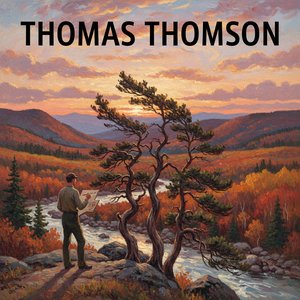
Thomas Thomson: Pioneering Canadian Landscape & the Pursuit of National Identity
Explore the evocative landscapes of Tom Thomson, a pivotal figure in Canadian art & precursor to the Group of Seven. Discover his bold style, lasting legacy, and profound impact on shaping a national artistic identity.

Digital Painting 101: A Collector's Guide to the New Era of Digital Mastery and Algorithmic Art
Master the new era of art with our expert guide to digital painting. Discover how modern aesthetics like Glitch Pop meet traditional mastery, offering sophisticated insights for collectors looking to curate meaningful, high-value contemporary works for their home.

From Lens to Canvas: The Evolution of Photography and the Artistry of the Digital Renaissance
Explore the profound evolution of photography from the camera obscura to the digital renaissance. Discover how light-sensitive chemistry paved the way for modern digital artistry and the enduring connection between lens and canvas in fine art.