

 Förhandsvisa
 Skicka
 Dela
Dela
 Visa detaljer
 Guide
Guide

 Ladda ner
 Liknande objekt
 Röntgen
 Bildspel
 Frågor och svar
 Statistik
Berthe Morisot


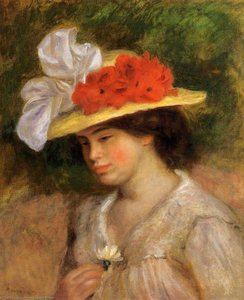
This photograph showcases Édouard Manet’s etching depicting Berthe Morisot. The composition centers on Morisot’s portrait adorned with an elaborate hat featuring feathers and ribbons—a hallmark of Impressionistic style characterized by loose lines and subtle detail. Manet's meticulous technique aims to convey a moment in time, reflecting the spirit of Parisian life during his era.
 Visa mer
Upptäck Édouard Manet (1832-1883), en revolutionerande konstnär som brottades med realism och impressionism! Se ikoniska verk & hans inflytande på modern konsten.
Giclée / Konsttryck
Giclée- eller canvasprint av museumskvalitet med snabb produktion och flexibla ytbehandlingsalternativ. ( Beställ handmålad reproduktion Byt till digital bild)




P118B Skr10

P118H Skr10

P118W Skr10

P438Z Skr10

P508JH Skr12

P508YH Skr12

P805H Skr10

P805Z Skr10

P919BZ Skr10

P919G Skr10

P919XJ Skr10

P959ZH Skr10

P968JZ Skr12

W106C Skr8

W218G Skr10

W218JH Skr8

W218Y Skr10

W307PJ Skr10

W316G Skr10

W316PJ Skr8

W316Y Skr10

W398PJ Skr8

W4111J Skr10

W500HY Skr15

W500JH Skr15

W692G Skr12

W849H Skr8

W940BG Skr15

W953PJ Skr8




Standardstorlek
skräddarsydd
CM
INCH
Välj bland våra förinställda storlekar som motsvarar konstverkets ursprungliga proportioner.
Loading sizes...

bredd
höjd
Ange den bredd och höjd du behöver för att passa din ram eller vägg. Ett tryck kan endast beskäras, aldrig göras större än originalbilden, vilket innebär att ett format med en annan proportion leder till att en del av bilden går förlorad. Vi skickar en digital mockup för godkännande innan vi påbörjar tryckningen. Bilden som visas på denna sida visar inte den faktiska beskärningen — det är endast mockuppen som gör det.
Leverans över hela världen () på 2 veckor istället för standard 4/5 veckor. (6 november)

Fri expressfrakt över hela världen

Högkvalitativ linnecanvas

Fullständig fraktförsäkring

Garantier för återbetalning av tullavgifter

Garantier för exakt färgåtergivning

100 dagars returrätt (endast vid fel)

100% pengarna tillbaka-garanti

Mängdrabatt erbjuds
 Glasalternativet är endast tillgängligt i storlekar under 110 cm.

Berthe Morisot
Giclée / Konsttryck
Storlek på reproduktion
-


Slutgiltigt pris
Skr 699
A Glimpse Through the Etching
The world settles into a quiet, grainy stillness as we look upon this portrait of Berthe Morisot. She sits within an interior space, her presence anchored by a gaze that drifts outward, meeting the viewer with a sense of contemplative calm. There is a certain weight to her expression, a thoughtful pause in the middle of a busy afternoon. Around her, the edges of the room begin to dissolve; figures linger in the background, their forms blurred and indistinct, as if they are mere echoes of a passing moment. The light does not strike the scene with harsh clarity but instead filters through a soft, diffused haze, settling upon the textures of her clothing and the elaborate architecture of her hat.
The hat itself commands attention, heavy with the delicate textures of feathers and ribbons. It rests upon her head like a crown of social grace, yet its very complexity hints at the layers of identity she carries. Beneath the brim, strands of hair escape in loose, energetic lines, adding a sense of movement to an otherwise stationary pose. The atmosphere feels thick with the quietude of the Belle Époque, a moment caught before the next breath or movement breaks the spell.
The Language of Line and Shadow
Every mark on this surface tells a story of deliberate spontaneity. Using the etching technique, the artist employs rapid, sketchy strokes that prioritize feeling over photographic precision. There is no attempt to smooth away the process; instead, the visible, biting lines of the etching create a sense of depth through tonal variation alone. The shadows are not solid blocks but are built from layers of fine, intersecting marks that suggest form and volume. This approach rejects the polished, seamless finish of academic tradition in favor of something much more immediate and raw.
The palette remains muted, leaning into the monochromatic depths of black and white to emphasize light and shadow. This lack of color forces the eye to wander through the textures—the grain of the paper, the sharpness of a silhouette, and the soft, feathered edges of the subject's attire. It is an impressionistic way of seeing, where the artist captures the ephemeral quality of light rather than the rigid boundaries of objects. The composition feels flattened, pulling the viewer closer to the subject, making the encounter feel personal and direct.
A Portrait of Identity
Beyond the technical execution, there is a deeper resonance within this depiction of Morisot. The elaborate adornments of her hat speak to the social status and feminine expectations of her era, yet her intense, inward-looking gaze suggests a mind far removed from mere decoration. There is a quiet tension here between the outward symbols of her station and the private, intellectual world reflected in her eyes. She exists as both a subject of beauty and a person of profound thought.
The way the lines delineate her face and hair creates an impression of life that is fleeting and fragile. It reminds us that this is a study of a living soul, captured during a period of great artistic rebellion when painters were beginning to break free from established rules to find new ways of portraying modern existence. The emotional impact lies in this very intimacy—the feeling that we are witnessing a private moment of introspection, preserved forever in the delicate, etched grooves of the plate.
Frågor och svar
Vilken stil tillhör "Berthe Morisot"?
"Berthe Morisot" är ett verk inom Impressionism. Denna stilriktning anger den konstnärliga tradition som verket tillhör.
Är "Berthe Morisot" av Édouard Manet ett ljust eller mörkt konstverk?
Den upplevda ljusstyrkan i "Berthe Morisot" av Édouard Manet är brilliant. Den kan anpassas efter ljuset i det avsedda rummet.
Är "Berthe Morisot" överlag mer ljus eller mörk?
"Berthe Morisot" av Édouard Manet har registrerats med en ljusstyrka på brilliant och en luminans på Luminous.
Liknande konstverk



Konstnärsbiografi
Édouard Manet: En parisisk revolutionskonstnär
Édouard Manet, född 1832 i ett välbärgat borgerligt hem i Paris, var knappast ämnad för en revolutionärs liv. Hans far, en respekterad domare, såg framför sig en trygg framtid för sin son inom juridiken eller kanske flottan – anständiga yrken som passade deras sociala ställning. Redan som ung pojke låg Manets hjärta hos konsten. Vid elva års ålder började han formella teckningslektioner, och även om han en kort tid var lärling hos den akademiska målaren Thomas Couture, fann han snabbt Coutures rigida metoder kvävande. Detta tidiga motstånd förebådade ett livslångt utmanande av konstnärliga konventioner. Manet var inte intresserad av att bara replikera det förflutna; han sökte fånga den vibrerande – och ibland oroande – verkligheten i det moderna Paris livet. Han besökte ofta Louvren, inte bara för att kopiera gamla mästare utan för att dissekeras deras tekniker, lära sig av konstnärer som Caravaggio och Velázquez hur ljus och skugga kunde forma formen och framkalla känslor. Det var dock en förändring i de konstnärliga strömningarna, särskilt realismens uppkomst med Gustave Courbet i spetsen, som verkligen tände Manets kreativa bana. Courbets insisterande på att avbilda vardagslivet utan idealisering resonerade djupt med Manet och befriade honom från begränsningarna av historiska eller mytologiska motiv.Genombrott och Skandal: Att utmana etablissemanget
1860-talet var en period av intensiv konstnärlig oro i Paris, och Manet befann sig mitt i händelsernas centrum. Ankomsten av japanska tryck – *ukiyo-e* – påverkade hans estetiska känslighet djupt. Han fascinerades av deras platta perspektiv, djärva kompositioner och slående färgval, element som skulle bli kännetecken för hans egen stil. Denna influens, kombinerad med hans växande motvilja mot akademisk polering, ledde till verk som chockade och skandaliserade den parisiska konstvärlden. Le Déjeuner sur l'herbe (Frukost i det gröna), utställd på Salon des Refusés 1863 – en utställning för verk som avvisats av den officiella salongen – blev en blixtledare för kontroverser. Målningen, som föreställer en naken kvinna som nonchalant picknickar med två fullt klädda män, handlade inte bara om nakenhet; det handlade om *hur* den nakenheten presenterades. Manets figurer saknade de idealiserade formerna och den mytologiska kontexten i traditionella nudes. De var otvetydigt moderna och konfronterade betraktaren med en oroande direkthet. Skandalen kring Le Déjeuner intensifierades ytterligare med hans mästerverk från 1865, Olympia. Denna målning, en avsiktlig omtolkning av Titians *Venus of Urbino*, presenterade en samtida prostituerad som stirrade utmanande på betraktaren. Den skoningslösa realismen och det provocerande ämnet möttes med utbredd fördömelse. Kritiker anklagade Manet för vulgaritet och konstnärlig inkompetens, men under upprördheten låg en insikt om att han fundamentalt förändrade måleriets språk.Mot Impressionismen: Ljus, penseldrag och det moderna livet
Även om Manet aldrig helt accepterade etiketten "impressionist", var hans inflytande på rörelsen obestridligt. Han delade deras avvisande av akademiska konventioner och deras engagemang för att fånga ljusets flyktiga effekter och atmosfären. Han ställde ut tillsammans med Monet, Renoir, Degas och andra vid impressionisternas självständiga utställningar, vilket befäste hans position som en nyckelfigur i avantgardet. Manets teknik utvecklades mot ett lösare penseldrag, där han prioriterade intrycket av form framför exakta detaljer. Han experimenterade med färg och använde ofta skarpa kontraster för att skapa dramatiska effekter. Utöver de skandalösa nudes utforskade Manet ett brett spektrum av ämnen: porträtt – inklusive slående skildringar av sin fru Suzanne och konstnärskollegan Émile Zola; scener från det parisiska nattlivet, som A Bar at the Folies-Bergère, som mästerligt fångar främlingskänslan och spektaklet i det moderna stadslivet; och intima hemmascener. Han dokumenterade inte bara dessa motiv; han ifrågasatte dem, utmanade samhällsnormer och konventionella skönhetsbegrepp.Arv och bestående inverkan
Édouard Manets tidiga död 1883 i syfilis avbröt en karriär som redan hade förändrat konsthistorien oåterkalleligt. Även om hans rykte växte betydligt efter hans bortgång, kände han sig omedelbart igenkänd av yngre konstnärer som såg honom som en befriare. Han bröt ner barriärer och utmanade traditionella föreställningar om ämne, teknik och konstnärligt syfte.- Hans betoning på att fånga det moderna livet banade vägen för impressionismen och postimpressionismen.
- Hans innovativa användning av penseldrag och färg influerade generationer av målare.
- Hans vilja att konfrontera obekväma sanningar om samhället tvingade betraktarna att ifrågasätta sina egna antaganden.

Édouard Manet
1832 - 1883 , Frankrike
Kortfakta
- Artistic Movement Or Style: Realism, Impressionism
- Artists Or Movements Influenced By This Artist:
- Claude Monet
- Pierre-Auguste Renoir
- Edgar Degas
- Artists Who Influenced This Artist:
- Caravaggio
- Diego Velázquez
- Gustave Courbet
- Date Of Birth: 23 januari 1832
- Date Of Death: 30 april 1883
- Full Name: Édouard Manet
- Nationality: Fransk
- Notable Artworks:
- Le Déjeuner sur l'herbe
- Olympia
- A Bar at the Folies-Bergère
- Place Of Birth: Paris, Frankrike
Relaterade artiklar

10 Iconic Etchings That Revolutionized the World of Art
Journey through history with 10 legendary etchings that redefined art. From Rembrandt to Goya, explore the stories behind these timeless masterpieces and find museum-quality reproductions for your decor. Discover all masterpieces on TopImpressionists.com.

10 Masterpieces Defined by the Magic of Cobalt Violet
Immerse yourself in the enchanting allure of cobalt violet. Explore 10 iconic masterpieces, from Impressionist classics to modern marvels, and learn the stories behind their vibrant hues. Find museum-quality art reproductions for your decor. Discover all masterpieces on TopImpressionists.com.
Utforska konstverk sorterade efter tema, stil och egenskaper.


