


 Visa i rummet
 Skicka
 Dela
Dela
 Detaljer
 Studentguide för konstverk

 Ladda ner
 Liknande objekt
 Röntgen
 Bildspel
 Besökstatistik
Peaches


Edouard Manet's 'Peaches' is a stunning Impressionist still life capturing everyday beauty with loose brushstrokes and a vibrant blue sky backdrop. Explore its influence & Manet’s legacy!
 Läs mer
Upptäck Édouard Manet (1832-1883), en revolutionerande konstnär som brottades med realism och impressionism! Se ikoniska verk & hans inflytande på modern konsten.
Handgjord oljereproduktion
Handmålad olja på duk i din valda storlek och ram, tillverkad efter beställning av våra konstnärer. ( Byt till tryckta exemplar Byt till digital bildförsäljning)




P118B Skr10

P118H Skr10

P118W Skr10

P438Z Skr10

P508JH Skr12

P508YH Skr12

P805H Skr10

P805Z Skr10

P919BZ Skr10

P919G Skr10

P919XJ Skr10

P959ZH Skr10

P968JZ Skr12

W106C Skr8

W218G Skr10

W218JH Skr8

W218Y Skr10

W307PJ Skr10

W316G Skr10

W316PJ Skr8

W316Y Skr10

W398PJ Skr8

W4111J Skr10

W500HY Skr15

W500JH Skr15

W692G Skr12

W849H Skr8

W940BG Skr15

W953PJ Skr8




Standardstorlek
anpassad
CM
INCH
Välj bland våra förinställda storlekar som motsvarar konstverkets ursprungliga proportioner.
Loading sizes...

bredd
höjd
Ange den bredd och höjd du behöver för att passa din ram eller din vägg. Eftersom detta är handmålat kan konstnären vid en annan form måla lite mer runt bilden eller beskära den något – du väljer själv. Vi skickar en digital mockup för godkännande innan målningen påbörjas. Bilden som visas på denna sida representerar inte det slutgiltiga resultatet — det är endast mockuppen som visar det.
Exempel på vad som kan anpassas: Byt ut ansiktet mot ett foto av kunden; Lägg till ett husdjur (t.ex. byt ut en katt mot en hund); Inkludera ett dolt meddelande i bakgrunden; Ändra bakgrundens landskap eller element.
Efter beställning kommer TopImpressionists.com team att mejla kunden för instruktioner och tillhandahålla en skissförhandsvisning
Efter beställning kommer TopImpressionists.com team att mejla kunden för instruktioner och tillhandahålla en skissförhandsvisning
Leverans över hela världen () på 3–4 veckor istället för standard 5 veckor. (22 oktober). Inga kompromisser med kvaliteten.

Fri expressfrakt över hela världen

Högkvalitativ linnecanvas

Fullständig fraktförsäkring

Garantier för återbetalning av tullavgifter

Garantier för exakt färgåtergivning

100 dagars returrätt vid fabrikationsfel

100% pengarna tillbaka-garanti

Mängdrabatt erbjuds
 Glasalternativet är endast tillgängligt i storlekar under 110 cm.

Peaches
Tryckteknik
Reproduktionsstorlek
-


Totalpris
Skr 2665
Peaches by Édouard Manet: A Study in Light, Simplicity, and Modern Life
Édouard Manet’s “Peaches,” painted in 1882, is more than just a still life; it's a carefully constructed meditation on light, color, and the burgeoning modern world. This deceptively simple work, housed within the National Gallery of Art in Washington D.C., reveals the artist’s innovative approach to painting – one that deliberately moved away from the rigid conventions of academic art and toward a more direct, observational style. The scene is remarkably straightforward: three ripe peaches rest on a dark wooden table, bathed in the soft glow of an unseen light source, against a backdrop of a serene blue sky. Yet, within this apparent simplicity lies a wealth of artistic intention and a subtle commentary on beauty, perception, and the fleeting nature of existence. Manet’s style at this period is characterized by a deliberate rejection of traditional techniques. He eschewed the meticulous blending of tones favored by his predecessors, opting instead for loose, visible brushstrokes that capture the essence of light and color rather than attempting to perfectly replicate reality. Notice how he doesn't attempt to render the peaches with photographic precision; instead, he uses short, broken strokes to suggest their form and texture, creating a sense of vibrancy and immediacy. The background sky is similarly treated – not as a detailed representation but as an atmospheric element that subtly enhances the overall composition. This approach aligns perfectly with the core tenets of Impressionism, a movement Manet significantly influenced, alongside artists like Claude Monet and Frédéric Bazille. His work was deeply rooted in the influence of Old Masters, particularly Diego Velázquez, whose mastery of light and shadow, and ability to capture the essence of his subjects, served as a crucial inspiration for Manet’s own artistic development. The painting's composition is remarkably balanced, drawing the eye directly to the peaches themselves. The arrangement – one peach slightly to the left, another in the center, and the final one to the right – creates a sense of visual rhythm and harmony. The dark table provides a strong contrast to the bright colors of the fruit, further emphasizing their luminosity. Manet’s use of color is particularly noteworthy. He employs a palette of warm yellows, oranges, and reds to depict the peaches, capturing their lusciousness and ripeness with remarkable accuracy. The blue sky serves as a cool counterpoint, adding depth and dimension to the scene. It's important to note that Manet was experimenting with new ways of representing color, moving away from the traditional use of mixed pigments and toward a technique known as “optical mixing,” where colors are perceived by the eye rather than physically blended on the canvas. Manet’s still life paintings were often imbued with deeper meanings, frequently exploring themes of mortality and the passage of time. The peaches themselves can be interpreted as symbols of beauty, abundance, and ultimately, decay. Their vibrant color and luscious form represent a fleeting moment of perfection, destined to fade and wither. This awareness of transience is a recurring motif in Manet’s work, reflecting his own contemplation on the ephemeral nature of life. Furthermore, the painting's placement within the broader context of Manet’s artistic career reveals its significance as a pivotal step toward modern art. His bold experimentation with form, color, and subject matter paved the way for future generations of artists to challenge traditional conventions and explore new ways of representing the world around them.Key Characteristics & Influences
- Impressionist Style: Manet’s technique embodies the core principles of Impressionism – a focus on capturing fleeting moments, emphasizing light and color, and using visible brushstrokes to create an impressionistic effect.
- Velázquez's Legacy: Like Velázquez, Manet was deeply influenced by the Spanish master’s ability to capture the essence of his subjects through careful observation and masterful use of light.
- Modern Subject Matter: Unlike many artists of his time who focused on historical or mythological scenes, Manet chose to depict everyday objects – in this case, simple fruit – elevating them to the level of fine art.
Further Exploration & Related Works
Manet’s “Peaches” is part of a larger body of still life paintings that he created during this period, alongside works such as "Still Life with Melon and Peaches" (National Gallery of Art) and "Almonds, currants and peaches." These paintings demonstrate Manet's consistent interest in exploring the beauty of ordinary objects and his innovative approach to capturing their essence on canvas. For a deeper understanding of Manet’s life and work, we recommend visiting TopImpressionists.com for detailed information and reproductions, as well as Wikipedia for biographical details and critical analyses. You can also explore Paul Cézanne's still lifes featuring fruit, such as "Peaches, Pears and Grapes," available on TopImpressionists.com, to gain further insight into the evolution of this genre.Bringing Manet’s “Peaches” Home
TopImpressionists offers meticulously crafted, hand-painted reproductions of Édouard Manet's "Peaches," allowing you to experience the beauty and artistry of this iconic painting in your own home. Our skilled artists faithfully recreate Manet’s unique style and technique, ensuring that your reproduction captures the essence of the original while retaining a sense of contemporary appeal. Choose from a range of sizes and framing options to perfectly complement your décor. Explore our collection today and bring a touch of Impressionist brilliance into your space.Frågor och svar
Vad rekommenderas för användning av ett tryck av "Peaches"?
Det rekommenderade användningsområdet för "Peaches" av Édouard Manet är Statement. Den kan även användas till andra ändamål.
Hur passar "Peaches" in i Édouard Manets teman och stil?
"Peaches" tillhör Édouard Manets Impressionism-period, vars dokumenterade teman inkluderar velázquez influence, old masters study, realist impact, impressionist style, still life experimentation, transition to modern art, breaking academic norms, key impressionist work.
Är "Peaches" av Édouard Manet ett ljust eller ett mörkt konstverk?
När det gäller upplevd ljusstyrka är "Peaches" av Édouard Manet balanced.
Liknande konstverk


Om konstnären
Édouard Manet: En parisisk revolutionskonstnär
Édouard Manet, född 1832 i ett välbärgat borgerligt hem i Paris, var knappast ämnad för en revolutionärs liv. Hans far, en respekterad domare, såg framför sig en trygg framtid för sin son inom juridiken eller kanske flottan – anständiga yrken som passade deras sociala ställning. Redan som ung pojke låg Manets hjärta hos konsten. Vid elva års ålder började han formella teckningslektioner, och även om han en kort tid var lärling hos den akademiska målaren Thomas Couture, fann han snabbt Coutures rigida metoder kvävande. Detta tidiga motstånd förebådade ett livslångt utmanande av konstnärliga konventioner. Manet var inte intresserad av att bara replikera det förflutna; han sökte fånga den vibrerande – och ibland oroande – verkligheten i det moderna Paris livet. Han besökte ofta Louvren, inte bara för att kopiera gamla mästare utan för att dissekeras deras tekniker, lära sig av konstnärer som Caravaggio och Velázquez hur ljus och skugga kunde forma formen och framkalla känslor. Det var dock en förändring i de konstnärliga strömningarna, särskilt realismens uppkomst med Gustave Courbet i spetsen, som verkligen tände Manets kreativa bana. Courbets insisterande på att avbilda vardagslivet utan idealisering resonerade djupt med Manet och befriade honom från begränsningarna av historiska eller mytologiska motiv.Genombrott och Skandal: Att utmana etablissemanget
1860-talet var en period av intensiv konstnärlig oro i Paris, och Manet befann sig mitt i händelsernas centrum. Ankomsten av japanska tryck – *ukiyo-e* – påverkade hans estetiska känslighet djupt. Han fascinerades av deras platta perspektiv, djärva kompositioner och slående färgval, element som skulle bli kännetecken för hans egen stil. Denna influens, kombinerad med hans växande motvilja mot akademisk polering, ledde till verk som chockade och skandaliserade den parisiska konstvärlden. Le Déjeuner sur l'herbe (Frukost i det gröna), utställd på Salon des Refusés 1863 – en utställning för verk som avvisats av den officiella salongen – blev en blixtledare för kontroverser. Målningen, som föreställer en naken kvinna som nonchalant picknickar med två fullt klädda män, handlade inte bara om nakenhet; det handlade om *hur* den nakenheten presenterades. Manets figurer saknade de idealiserade formerna och den mytologiska kontexten i traditionella nudes. De var otvetydigt moderna och konfronterade betraktaren med en oroande direkthet. Skandalen kring Le Déjeuner intensifierades ytterligare med hans mästerverk från 1865, Olympia. Denna målning, en avsiktlig omtolkning av Titians *Venus of Urbino*, presenterade en samtida prostituerad som stirrade utmanande på betraktaren. Den skoningslösa realismen och det provocerande ämnet möttes med utbredd fördömelse. Kritiker anklagade Manet för vulgaritet och konstnärlig inkompetens, men under upprördheten låg en insikt om att han fundamentalt förändrade måleriets språk.Mot Impressionismen: Ljus, penseldrag och det moderna livet
Även om Manet aldrig helt accepterade etiketten "impressionist", var hans inflytande på rörelsen obestridligt. Han delade deras avvisande av akademiska konventioner och deras engagemang för att fånga ljusets flyktiga effekter och atmosfären. Han ställde ut tillsammans med Monet, Renoir, Degas och andra vid impressionisternas självständiga utställningar, vilket befäste hans position som en nyckelfigur i avantgardet. Manets teknik utvecklades mot ett lösare penseldrag, där han prioriterade intrycket av form framför exakta detaljer. Han experimenterade med färg och använde ofta skarpa kontraster för att skapa dramatiska effekter. Utöver de skandalösa nudes utforskade Manet ett brett spektrum av ämnen: porträtt – inklusive slående skildringar av sin fru Suzanne och konstnärskollegan Émile Zola; scener från det parisiska nattlivet, som A Bar at the Folies-Bergère, som mästerligt fångar främlingskänslan och spektaklet i det moderna stadslivet; och intima hemmascener. Han dokumenterade inte bara dessa motiv; han ifrågasatte dem, utmanade samhällsnormer och konventionella skönhetsbegrepp.Arv och bestående inverkan
Édouard Manets tidiga död 1883 i syfilis avbröt en karriär som redan hade förändrat konsthistorien oåterkalleligt. Även om hans rykte växte betydligt efter hans bortgång, kände han sig omedelbart igenkänd av yngre konstnärer som såg honom som en befriare. Han bröt ner barriärer och utmanade traditionella föreställningar om ämne, teknik och konstnärligt syfte.- Hans betoning på att fånga det moderna livet banade vägen för impressionismen och postimpressionismen.
- Hans innovativa användning av penseldrag och färg influerade generationer av målare.
- Hans vilja att konfrontera obekväma sanningar om samhället tvingade betraktarna att ifrågasätta sina egna antaganden.

Édouard Manet
1832 - 1883 , Frankrike
Snabbfakta
- Artistic Movement Or Style: Realism, Impressionism
- Artists Or Movements Influenced By This Artist:
- Claude Monet
- Pierre-Auguste Renoir
- Edgar Degas
- Artists Who Influenced This Artist:
- Caravaggio
- Diego Velázquez
- Gustave Courbet
- Date Of Birth: 23 januari 1832
- Date Of Death: 30 april 1883
- Full Name: Édouard Manet
- Nationality: Fransk
- Notable Artworks:
- Le Déjeuner sur l'herbe
- Olympia
- A Bar at the Folies-Bergère
- Place Of Birth: Paris, Frankrike
Relaterade artiklar

De 10 mest ikoniska målningarna i nyansen 'Skifferblått' – Konst & Inredning
Utforska de 10 mest ikoniska målningarna dominerade av nyansen 'skifferblått'. Lär känna Monet, Van Gogh & andra mästare. Hitta inspiration för din inredning och köp museumkvalitativa konsttryck på TopImpressionists.com – din källa till tidlös skönhet.

Édouard Manets 25 Mästerverk: Konst, Historia & Inredningsinspiration
Utforska Édouard Manets 25 mest ikoniska målningar! Fördjupa dig i impressionismen, fransk konsthistoria och tidlösa verk som 'Olympia' & 'Le Déjeuner sur l'herbe'. Hitta inspiration för din inredning och köp museumkvalitativa konsttryck på TopImpressionists.com.
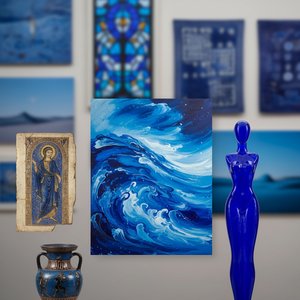
The Allure of Azure: Exploring the Symbolic & Aesthetic Depths of Blue in Art History
Explore the rich history of blue in art! Discover its symbolism, from ancient pigments to modern masterpieces by Kandinsky & Seurat. Uncover the psychological impact and cultural meanings behind this captivating hue.

Impressionismens Mästverk: Topp 10 Verk som Fångar Ögonblicket | TopImpressionists
Upptäck impressionismens magi! Utforska 10 ikoniska verk av Monet, Renoir & Degas. Lär känna historien bakom mästerverken och hitta inspiration till din inredning med konsttryck från TopImpressionists.com.

Paul Cézannes 25 Mästerverk: En Konsthistorisk Resa för Hemmet
Utforska Paul Cézannes 25 mest ikoniska målningar! Fördjupa dig i impressionismens värld, från Mont Sainte-Victoire till stillsben. Hitta inspiration & museumkvalitativa konsttryck på TopImpressionists.com.
Utforska konstverk sorterade efter tema, stil och egenskaper.


