

 Förhandsvisa
 Skicka
 Dela
Dela
 Visa detaljer
 Guide
Guide

 Ladda ner
 Liknande objekt
 Röntgen
 Bildspel
 Frågor och svar
 Statistik
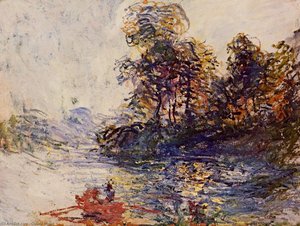
Mountain landscape


Experience Paul Gauguin's 'Mountain Landscape' (1882) – a vibrant post-impressionist masterpiece capturing nature’s essence with bold colors & expressive brushstrokes. Hand-painted reproductions available.
 Visa mer
Paul Gauguin: En revolutionär konstnär med djärva färger & exotiska motiv! Från bankir till symbolistisk legend – utforska hans unika värld och konstnärliga resa.
Giclée / Konsttryck
Giclée- eller canvasprint av museumskvalitet med snabb produktion och flexibla ytbehandlingsalternativ. ( Beställ handmålad reproduktion Byt till digital bild)




P118B Skr10

P118H Skr10

P118W Skr10

P438Z Skr10

P508JH Skr12

P508YH Skr12

P805H Skr10

P805Z Skr10

P919BZ Skr10

P919G Skr10

P919XJ Skr10

P959ZH Skr10

P968JZ Skr12

W106C Skr8

W218G Skr10

W218JH Skr8

W218Y Skr10

W307PJ Skr10

W316G Skr10

W316PJ Skr8

W316Y Skr10

W398PJ Skr8

W4111J Skr10

W500HY Skr15

W500JH Skr15

W692G Skr12

W849H Skr8

W940BG Skr15

W953PJ Skr8




Standardstorlek
skräddarsydd
CM
INCH
Välj bland våra förinställda storlekar som motsvarar konstverkets ursprungliga proportioner.
Loading sizes...

bredd
höjd
Ange den bredd och höjd du behöver för att passa din ram eller vägg. Ett tryck kan endast beskäras, aldrig göras större än originalbilden, vilket innebär att ett format med en annan proportion leder till att en del av bilden går förlorad. Vi skickar en digital mockup för godkännande innan vi påbörjar tryckningen. Bilden som visas på denna sida visar inte den faktiska beskärningen — det är endast mockuppen som gör det.
Leverans över hela världen () på 2 veckor istället för standard 4/5 veckor. (4 november)

Fri expressfrakt över hela världen

Högkvalitativ linnecanvas

Fullständig fraktförsäkring

Garantier för återbetalning av tullavgifter

Garantier för exakt färgåtergivning

100 dagars returrätt (endast vid fel)

100% pengarna tillbaka-garanti

Mängdrabatt erbjuds
 Glasalternativet är endast tillgängligt i storlekar under 110 cm.

Mountain landscape
Giclée / Konsttryck
Storlek på reproduktion
-


Slutgiltigt pris
Skr 700
A Journey Into Gauguin’s Soul: “Mountain Landscape”
Paul Gauguin's "Mountain Landscape," painted in 1882, isn’t merely a depiction of a hillside; it’s a profound distillation of the artist’s evolving vision and his yearning for a deeper connection with nature and spirituality. Emerging from the vibrant, yet ultimately superficial, world of Impressionism, Gauguin embarked on a radical shift—a deliberate rejection of objective representation in favor of subjective experience and symbolic resonance. This painting stands as a pivotal moment in that transformation, showcasing a nascent style that would profoundly influence generations of artists to come. The scene itself is deceptively simple: a rugged, almost primordial landscape dominated by towering mountains and a swirling, cloudy sky. Yet, within this apparent simplicity lies a complex interplay of color, texture, and emotion—a testament to Gauguin’s innovative approach to capturing the essence of his subject. He wasn't striving for photographic accuracy; instead, he sought to translate the *feeling* of being amidst such grandeur, an experience deeply rooted in personal intuition and spiritual contemplation.- The Palette of Emotion: Gauguin’s masterful use of color is immediately striking. Gone are the delicate pastel hues of Impressionism; here, we encounter a bolder, more assertive palette—deep greens, rich browns, ochre yellows, and dramatic blues. These aren't colors that simply describe the landscape; they *become* the landscape itself, imbued with an emotional charge. The vibrant greens suggest life and vitality, while the earthy browns ground the scene in a sense of solidity and permanence. The sky, rendered in swirling shades of blue and grey, evokes both serenity and turbulence—a reflection perhaps of Gauguin’s own inner turmoil during this period of intense artistic exploration.
- Brushstrokes as Voices: Gauguin's distinctive brushwork is equally crucial to the painting’s impact. His strokes are not smooth or blended; they are loose, expressive, and often deliberately uneven. These visible marks—a hallmark of his style—inject a sense of movement and energy into the scene, suggesting the constant flux of nature and the artist’s own restless spirit. The brushstrokes seem to dance across the canvas, creating a tactile quality that invites the viewer to reach out and touch the landscape.
- A Departure from Realism: Notice how Gauguin simplifies forms—the mountains are not meticulously rendered but rather suggested through broad masses of color and texture. This simplification isn’t an act of carelessness; it's a deliberate choice to prioritize emotional impact over literal representation. He is less concerned with depicting *what* he sees than with conveying *how* he feels about what he sees.
The Context of Transformation: Gauguin and Post-Impressionism
To fully appreciate “Mountain Landscape,” it’s essential to understand its place within the broader context of Post-Impressionism—a movement that arose in reaction to the limitations of Impressionism. While Impressionists sought to capture fleeting moments of light and color, Post-Impressionist artists like Gauguin aimed to delve deeper into the underlying emotions and symbolic meanings of their subjects. They rejected the purely optical approach of Impressionism, embracing a more subjective and expressive style. Gauguin’s journey began in Paris, where he initially experimented with Impressionistic techniques. However, disillusioned by what he perceived as its superficiality, he sought refuge in Brittany, immersing himself in rural life and drawing inspiration from Celtic folklore and mythology. This experience profoundly shaped his artistic vision, leading him to develop a style characterized by bold colors, simplified forms, and symbolic imagery—a style that would become synonymous with Post-Impressionism. Key Influences:- Synthetism: Gauguin’s exploration of Synthetism – an artistic style focused on the synthesis of form and color – is evident in this work.
- Primitivism: His fascination with non-Western cultures, particularly those of Tahiti, fueled his desire to strip away Western conventions and embrace a more primal, intuitive approach to art.
Decoding the Symbolism
“Mountain Landscape” isn’t simply a landscape painting; it's a visual poem—a meditation on nature, spirituality, and the human condition. The towering mountains themselves can be interpreted as symbols of strength, permanence, and the sublime—evoking a sense of awe and humility in the face of nature’s grandeur. The swirling clouds suggest both tranquility and turbulence, reflecting the complexities of life and the artist's own inner struggles. Notably, the absence of human figures reinforces this focus on the landscape itself, transforming it into a sacred space—a realm where the viewer can connect with something larger than themselves. Gauguin was deeply interested in exploring themes of spirituality and mythology, often incorporating symbolic elements into his work to convey hidden meanings. The painting invites contemplation: What does the rugged terrain represent? How does the sky’s movement affect your mood?A Legacy of Innovation
“Mountain Landscape” is a remarkably prescient work—a harbinger of the radical artistic movements that would emerge in the early 20th century. Gauguin's bold experimentation with color, texture, and symbolism paved the way for Expressionism, Fauvism, and other avant-garde styles. His willingness to challenge conventional notions of representation and embrace a more subjective approach to art continues to inspire artists today. Reproductions of this iconic painting offer a unique opportunity to experience Gauguin’s visionary spirit—to step into his world and contemplate the timeless beauty and profound mystery of the natural landscape.Frågor och svar
Vilken teknik har använts för "Mountain landscape"?
"Mountain landscape" är utförd i Oil On Canvas.
Vilken känsla förmedlar "Mountain landscape" av Paul Gauguin?
Den emotionella tonen som har registrerats för "Mountain landscape" av Paul Gauguin är Tranquil. Den sammanfattar den känsla som verket uttrycker.
Vilken teknik och vilket årtal gäller för "Mountain landscape" av Paul Gauguin?
"Mountain landscape" skapades år 1882 med tekniken Oil On Canvas. Material och datum beskriver hur och när originalet tillverkades.
Liknande konstverk


Konstnärsbiografi
Eugène Henri Paul Gauguin: En Revolutionär Konstnär i Färg och Symbol
Eugène Henri Paul Gauguin, ett namn som vibrerar av livfulla färger och en rebellisk anda, står som en nyckelperson i övergången från impressionism till modern konst. Hans liv, född 1848 i Paris, var allt annat än konventionellt. Hans tidiga år präglades av en ovanlig bakgrund; hans far var journalist, och hans mor härstammade från peruansk aristokrati – hennes mormor, Flora Tristan, en banbrytande feminist och socialistisk skribent vars idéer utan tvekan resonerade inom familjen. Denna arvförmaning formade Gauguins konstnärliga vision djupt, instället för ett intresse för europeiska kulturer. En tidig upplevelse i Peru som barn, efter familjens flyttning 1850, försänkte honom i en värld radikalt annorlunda än parisisk samhälle – en erfarenhet som kvarstod och slutligen drev hans strävan efter autenticitet i konsten. Återvändandet till Frankrike efter faderns död gav Gauguin en formell utbildning, men han kände sig inte dragad till akademien, utan snarare till den blomstrande finansvärlden, där han började som aktiehandlare – en väg som tycktes stå i skarp kontrast till den konstnärliga ödet som väntade honom.Från Finans till Konstnärlig Kallning
Under många år ledde Gauguin ett dubbelliv, med noggrann uppföljning av sina affärsintressen samtidigt som han diskret vårdade en passion för måleri. Initialt påverkades han av impressionisterna och började experimentera med färg och ljus i sin fritid, men kände snart sig begränsad av deras engagemang för att fånga flyktiga ögonblick av verklighet. Den ekonomiska krisen 1882 visade sig vara en vändpunkt, tvingande honom att lämna sitt lukrativa yrke och helhjärtat omfamna sin konstnärliga kallning. Detta var inte bara ett yrkesbyte; det var en fundamental förändring i världsbilden. Han sökte vägledning från Camille Pissarro, som uppmuntrade hans utveckling och introducerade honom till de avantgardistiska kretsarna i Paris. Trots detta började Gauguin snabbt avvika från impressionistiska principer, längtande efter något mer uttrycksfullt, något mer symboliskt – ett medel för att förmedla inte bara vad han *såg*, utan vad han *kände*. Denna längtan ledde honom på en resa av konstnärlig utforskning som skulle ta honom långt bortom de parisiska salongerna och in i hjärtat av “primitiva” kulturer. Han var inte bara intresserad av att föreställa sig dessa kulturer; han sökte att absorbera deras essens, troende att de innehöll en renhet som hade förlorats i västerländsk civilisation.Uppmaningen till Brittany och Tahiti
Gauguins konstnärliga utveckling var oundvikligen kopplad till hans resor. Han tillbringade tid i Bretagne, fascinerad av landskapens robusta karaktär och de djupt rotade traditionerna hos dess folk. Denna period såg honom experimentera med platta former, djärva konturer och en förenkling av kompositionen – tekniker som förde honom ytterligare bort från naturalismen och närmare ett mer symboliskt språk. Men hans resa till Tahiti 1891 var verkligen en utlösande faktor för hans kreativa potential. Sökande efter skydd från vad han ansåg vara de kväljande begränsningarna i europeisk civilisation, hoppades Gauguin att hitta inspiration i polynesisk kultur, troende att den erbjöd ett renare, mer autentiskt sätt att leva. Detta var inte bara en konstnärlig strävan; det var en andlig sökning. Han sjönk ner i lokala seder och bruk, föreställde polinesiska kvinnor, landskap och religiösa praktiker genom sitt unika perspektiv. Påverkad av japanska tryck – *Japonisme* – och medeltida konst utvecklade han en distinkt estetik präglad av livfulla färger, exotiska motiv och en aura av mystik. Ikoniska målningar som “Vahine no te miti” (Kvinna med mango), “Manao Tupapau” (Vakt vid dödsriket) och “The Day of Gods uppstod under denna period, vilket befäste hans rykte som en visionär konstnär. Hans användning av färg blev alltmer djärv och icke-naturlig, tjänande inte att återskapa verkligheten utan att uttrycka känslor och andlig mening.Arv och Kontrovers
Trots sin konstnärliga triumf var Gauguins liv ofta präglat av svårigheter. Han kämpade med ekonomiska problem och försämrad hälsa under sin tid i Tahiti och senare på Marquesasöarna, där han slutligen etablerade sig. Trots detta fortsatte han att måla flitigt, obevekligt utforskande av teman som liv, död och andlighet. Han dog 1903 på Hiva Oa, en avlägsen ö i Marquesasarkipelagen, i stort sett okänd för sin geni. Det var först efter hans död som Gauguins verk började få den erkännelse de förtjänade. Idag hyllas han som en nyckelperson i utvecklingen av modern konst, som broderar in mellan impressionismen och symbolismen och banar väg för rörelser som Fauvismen. Hans användning av färg, platta former och symboliska bilder har haft ett djupt inflytande på konstnärer som Pablo Picasso, Henri Matisse och många andra. Han är dock en kontroversiell figur på grund av aspekter av hans personliga liv – särskilt hans relationer med unga polinesiska kvinnor – som fortsätter att debatteras och tolkas i ljuset av samtida etiska överväganden. Trots detta är hans konstnärliga bidrag obestridliga, och hans arv inspirerar konstälskare och konstnärer världen över. Han var en sann innovatör, en rebelskare som vågade utmana konventioner och forma sitt eget öde, lämnande efter sig ett verk som är lika fängslande och gåtfullt som mannen själv.Viktiga Influenser & Konstnärliga Egenskaper
- Impressionism: Tidig påverkan på färg och ljus, senare avvisad för dess fokus på flyktiga ögonblick.
- Japonisme: Inspirerade platta perspektiv, djärva konturer och dekorativa mönster.
- Medeltida konst: Påverkade symbolisk bildspråk och en avvikelse från strikt realism.
- Syntetism: En stil utvecklad av Gauguin som betonar skapandet av konst baserat på subjektiv upplevelse snarare än objektiv observation.
- Primitivism: Fascination med icke-europeiska kulturer, troende att de erbjöd ett renare och mer andligt sätt att leva. Detta återspeglas i hans motiv och stilval.

Paul Gauguin
1848 - 1903 , Frankrike
Kortfakta
- Artistic Movement Or Style: Postimpressionism
- Artists Or Movements Influenced By This Artist:
- Picasso
- Matisse
- Artists Who Influenced This Artist: ['Camille Pissarro']
- Date Of Birth: 1848
- Date Of Death: 1903
- Full Name: Eugène Henri Paul Gauguin
- Nationality: Fransk
- Notable Artworks:
- Vahine no te miti
- Manao Tupapau
- The Day of Gods
- Place Of Birth: Paris, Frankrike
Relaterade artiklar

Beyond the Light: Discovering the Soul and Emotional Depth of Post-Impressionism
Embark on a cultural journey through Post-Impressionism. Discover the profound emotional depth of masters like Van Gogh and Cézanne, exploring how they moved beyond light to capture the very soul of human experience through vibrant color and symbolic form.
Utforska konstverk sorterade efter tema, stil och egenskaper.


