

 Förhandsvisa
 Skicka
 Dela
Dela
 Visa detaljer
 Guide
Guide

 Ladda ner
 Liknande objekt
 Röntgen
 Bildspel
 Q&A
Q&A Statistik
The Martigues

- 36.0 x 46.0 cm


A serene harbor scene blending Impressionism and Dadaism, this 1904 oil painting by Francis Picabia captures a tranquil blue and white seascape that invites you to bring a piece of art history into your home.
 Visa mer
Upptäck Francis Picabias avantgardistiska konst! En pionjär inom kubism, dada och maskinålder – hans målningar blandar abstraktion, samhällskommentarer & färg.
Giclée / Konsttryck
Giclée- eller canvasprint av museumskvalitet med snabb produktion och flexibla ytbehandlingsalternativ. ( Beställ handmålad reproduktion Byt till digital bild)




P118B Skr10

P118H Skr10

P118W Skr10

P438Z Skr10

P508JH Skr12

P508YH Skr12

P805H Skr10

P805Z Skr10

P919BZ Skr10

P919G Skr10

P919XJ Skr10

P959ZH Skr10

P968JZ Skr12

W106C Skr8

W218G Skr10

W218JH Skr8

W218Y Skr10

W307PJ Skr10

W316G Skr10

W316PJ Skr8

W316Y Skr10

W398PJ Skr8

W4111J Skr10

W500HY Skr15

W500JH Skr15

W692G Skr12

W849H Skr8

W940BG Skr15

W953PJ Skr8




Standardstorlek
skräddarsydd
CM
INCH
Välj bland våra förinställda storlekar som motsvarar konstverkets ursprungliga proportioner.
Loading sizes...

bredd
höjd
Ange den bredd och höjd du behöver för att passa din ram eller vägg. Ett tryck kan endast beskäras, aldrig göras större än originalbilden, vilket innebär att ett format med en annan proportion leder till att en del av bilden går förlorad. Vi skickar en digital mockup för godkännande innan vi påbörjar tryckningen. Bilden som visas på denna sida visar inte den faktiska beskärningen — det är endast mockuppen som gör det.
Leverans över hela världen () på 2 veckor istället för standard 4/5 veckor. (31 oktober)

Fri expressfrakt över hela världen

Högkvalitativ linnecanvas

Fullständig fraktförsäkring

Garantier för återbetalning av tullavgifter

Garantier för exakt färgåtergivning

100 dagars returrätt (endast vid fel)

100% pengarna tillbaka-garanti

Mängdrabatt erbjuds
 Glasalternativet är endast tillgängligt i storlekar under 110 cm.

The Martigues
Giclée / Konsttryck
Storlek på reproduktion
-


Slutgiltigt pris
Skr 693
A Serene Voyage Through Light and Color
In the quietude of 1904, a young Francis Picabia captured a moment of profound stillness in his masterpiece, The Martigues. This evocative oil on canvas invites the viewer into a tranquil harbor scene, where the boundaries between water, sky, and shore seem to dissolve into a dreamlike haze. The composition is anchored by a large sailing vessel that rests upon the calm expanse of the sea, its presence balanced by the solitary figure of a man standing near a boat in the foreground. This human element provides a poignant sense of scale and a touch of narrative intimacy, suggesting a moment of quiet contemplation amidst the vastness of the coastal landscape. As the eye wanders toward the horizon, the soft silhouettes of trees and distant buildings emerge, lending a gentle depth to the scene that draws the observer deeper into this maritime sanctuary.
The technical brilliance of The Martigues lies in Picabia’s masterful ability to weave together the disparate threads of late 19th-century innovation. At first glance, the painting breathes with the luminous energy of Impressionism, utilizing a palette dominated by soothing blues and crisp whites to evoke the cool, refreshing atmosphere of a coastal morning. Yet, beneath this surface lies a more complex structural approach; the artist employs short, broken brushstrokes reminiscent of Pointillism, creating a textured, tactile surface that dances with light. Subtle hints of yellow-gold on the ship's rigging provide a warm, rhythmic contrast to the cool tones, while delicate traces of green in the vegetation add organic vitality. This experimental fusion of styles showcases an artist on the precipice of a revolution, blending the sensory delights of light and color with a burgeoning interest in more structured, modern forms.
The Dawn of an Avant-Garde Spirit
To behold The Martigues is to witness the early tremors of a cultural earthquake. While Picabia would later become a central provocateur of the Dada movement—a movement defined by its rejection of traditional aesthetics and its embrace of the absurd—this particular work captures him in a more lyrical, transitional phase. It serves as a beautiful bridge between the representational traditions of the past and the radical experimentation of the 20th century. The painting does not merely depict a harbor; it symbolizes the spirit of exploration and the fluidity of identity. The sailing ship, poised for movement yet resting in stillness, acts as a metaphor for the artist’s own restless journey through Cubism, Surrealism, and Dadaism.
For the discerning collector or interior designer, this reproduction offers more than just visual elegance; it provides a window into the soul of modern art history. The soft, diffused lighting and the absence of harsh shadows create an atmosphere of peace that is ideal for creating a sophisticated, calming sanctuary within a home or gallery space. Whether placed in a sunlit study or a contemporary living area, The Martelligues brings with it a sense of historical weight and artistic prestige. Owning a high-quality, hand-painted reproduction allows one to inhabit the same world of light and texture that Picabia inhabited over a century ago, making the profound legacy of the French avant-garde a tangible part of your personal environment.
Frågor och svar
Vilken historisk period tillhör "The Martigues" av Francis Picabia?
"The Martigues" av Francis Picabia härstammar från Modern-perioden, vilket ger verket dess historiska sammanhang.
Vilken stämning skulle "The Martigues" tillföra ett rum?
"The Martigues" av Francis Picabia har en Serene atmosfär och rekommenderas för ett Hotel Room. Stämningen är vad verket tillför det omgivande rummet.
Ur vilket land kommer Dadaism-verket "The Martigues"?
"The Martigues" skapades av Francis Picabia, född i Frankrike, inom Dadaism-rörelsen. Konstnärens ursprung knyter verket till Dadaism så som det utövades av konstnärer från Frankrike.
Liknande konstverk


Konstnärsbiografi
A Life Forged in Avant-Garde Fire: The World of Francis Picabia
Francis Picabia, ett namn synonymt med den tidiga 20:e århundradets konstnärliga rastlöshet, var mer än bara en målare; han var en provocerare, en poet, en typograf och en obeveklig utforskare av konstens gränser. Född i Paris 1879 till en fransk mor och en kubansk far djupt rotad i diplomatiska kretsar, präglades Picabias liv av både privilegium och en djupgående missnöje med konventioner. Denna dualitet drev hans konstnärliga resa, och skapade ett bestående intryck på den moderna konstens landskap. Hans tidiga år var skuggade av tragedi – förlusten av sin mor till tuberkulos när han bara var fem år gammal – men också genomsyrades av en far som uppmuntrade hans blomstrande talang. Arv efter en betydande förmögenhet gav Picabia friheten att helt och hållet ägna sig åt konstnärliga strävanden, en lyx som möjliggjorde för honom att obevekligt experimentera och utmana etablerade normer. Han var inte bara intresserad av *vad* konsten såg ut; han ifrågasatte dess syfte och mening.Paris, 1879–Paris, 1953: Från Impressionism till Kubistisk Revolution
Picabias tidiga konstnärliga försök var rotade i de rådande stilarna på sin tid, särskilt impressionismen. Han målade parisiska landskap och åkrar med en teknisk skicklighet som ändå lämnade honom otillfredsställd. Kritikerna ansåg hans verk för avledande, saknade originalitet, vilket utlöste en avgörande vändpunkt. Denna missnöje drev honom att söka nya uttrycksalternativ, och ledde honom mot de revolutionära idéer som bubblade under kubiströrelsen runt 1909. Att gå med i Puteaux-gruppen – en sammanslutning inklusive Marcel Duchamp och Guillaume Apollinaire – visade sig vara avgörande. Han djupt sig i dekonstruktionen av form, fragmenteringen av perspektiv och utforskningen av geometrisk abstraktion. Denna period såg en betydande förändring i hans estetik, bort från representativ noggrannhet mot ett mer konceptuellt tillvägagångssätt. Hans dukar började pulsera med ny energi, återspeglande den intellektuella virvelvinden i tiden. Duchamps inflytande var särskilt starkt, och främjade en gemensam anda av ikonoklasmi och en vilja att riva ner konstnärliga traditioner.Dada’s Provocateur: Maskiner, Satir och Förnekandet av Logik
Utbrottet av första världskriget fungerade som en katalysator för Picabias mest radikala fas – hans omfamning av Dadaismen. Då han var upprörd över den meningslösa våldet och det samhälleliga hyckleriet han bevittnade, förnekade han logik, rationalitet och traditionella konstnärliga värden helt enkelt. En flytt till New York 1915 placerade honom mitt i en framväxande amerikansk Dada-scen tillsammans med Duchamp och Man Ray. Det var här Picabia verkligen finslipade sin unika Dadaistiska uttrycksform. Han började skapa en serie "maskinritningar", som avbildade fantasimaskiner – ofta fyllda med sexuella undertoner – som fungerade som skoningslösa kritik mot det moderna samhällets besatthet av teknik och industrialisering. Dessa verk var inte bara representationer av maskiner; de var allegorier för de deshumaniserande krafterna i världen omkring honom. Hans satiriska humor, kombinerat med en mästarlärare i linje och form, gjorde dessa ritningar särskilt kraftfulla. Han publicerade *The Little Review*, en Dadaistisk tidning som ytterligare spred hans provocerande idéer och utmanade konventionella konstnärliga normer. Universal Prostitution, en komplex ritning skapad under denna period, exemplifierar hans vilja att konfrontera tabubelämnen och riva ner samhällets förväntningar.En Skiftande Kalejdoskop: Surrealism och Utöver
Picabias konstnärliga resa var präglad av ständig utveckling och en vägran att hamna i en låda. Även om han var djupt involverad i Dada, flirtade han kort med surrealismen på 1920-talet, utforskade världen av drömmar och det undermedvetna. Men även denna association visade sig vara tillfällig. Han växte snabbt uttråkad av vad han ansåg vara den rigida dogmen i Surrealiströrelsen, föredrog att behålla sin oberoende och fortsätta kartlägga sin egen väg. Under större delen av sin karriär fortsatte Picabia att experimentera med olika stilar och tekniker, integrerade element av figurativitet, abstraktion och till och med transparens i sitt arbete. Hans senare målningar visade ofta biomorfa former och en livlig palett, som återspeglade ett nytt intresse för organiska former och sinnliga texturer. Han var en rastlös innovatör fram till sin död 1953, lämnande efter sig ett verk som inte bara utmanar utan också inspirerar konstnärer idag.Picabias arv: En pionjär för modern konstfrihet
Francis Picabias inflytande på modern konst är obestridligt. Hans obevekliga experimenterande, hans avvisande av konventioner och hans vilja att omfamna motsägelser banade väg för generationer av konstnärer som följde efter honom. Han var en sann pionjär för konstfrihet, som visade att konsten kunde vara vad som helst – ett politiskt uttalande, en filosofisk undersökning, ett personligt uttryck eller helt enkelt en lekfull utforskning av form och färg. Han ifrågasatte själva definitionen av vad som utgjorde "konst", tvingade betraktare att ifrågasätta sina egna antaganden och förutfattningar. Idag hyllas Picabias målningar för sin intellektuella rigor, sin visuella dynamik och sin bestående relevans. Hans arv ligger inte bara i hans individuella mästerverk utan också i hans obevekliga engagemang för konstnärlig innovation och hans vägran att låta sig binda av traditionens begränsningar.
Francis Picabia
1879 - 1953 , Frankrike
Kortfakta
- Artistic Movement Or Style: Cubism, Dada, Surrealism
- Artists Or Movements Influenced By This Artist:
- Dada
- Surrealism
- Artists Who Influenced This Artist:
- Sisley
- Duchamp
- Date Of Birth: 22 januari 1879
- Date Of Death: 30 november 1953
- Full Name: Francis Picabia
- Nationality: Fransk
- Notable Artworks: ['Houses i Paris']
- Place Of Birth: Paris, Frankrike
Relaterade artiklar

De 10 mest ikoniska målningarna i nyansen 'Skifferblått' – Konst & Inredning
Utforska de 10 mest ikoniska målningarna dominerade av nyansen 'skifferblått'. Lär känna Monet, Van Gogh & andra mästare. Hitta inspiration för din inredning och köp museumkvalitativa konsttryck på TopImpressionists.com – din källa till tidlös skönhet.

Renoirs Mästverk: Topp 25 Konstverk för Hemmet & Själens Frid
Utforska Renoirs 25 mest älskade konstverk! Fördjupa dig i impressionismens värld, från balettscener till romantiska porträtt. Hitta inspiration & museumkvalitativa reproduktioner på TopImpressionists.com.
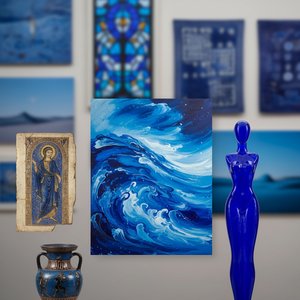
The Allure of Azure: Exploring the Symbolic & Aesthetic Depths of Blue in Art History
Explore the rich history of blue in art! Discover its symbolism, from ancient pigments to modern masterpieces by Kandinsky & Seurat. Uncover the psychological impact and cultural meanings behind this captivating hue.

Vita mästerverk: Topp 10 målningar som hyllar ljuset – TopImpressionists.com
Utforska 10 ikoniska vita målningar av Monet, Whistler & fler! Lär känna historien bakom dessa ljusa konstverk och upptäck hur vitt används för att skapa stämning. Köp museumkvalitativa tryck på TopImpressionists.com.

Claude Monet: Topp 25 mästerverk – Impressionismens ljus i ditt hem
Utforska Claude Monets 25 mest ikoniska målningar – från vattenliljor till soluppgång. Lär känna impressionismens mästare och hitta inspiration för ditt hem med konsttryck av högsta kvalitet på TopImpressionists.com.