


 Visa i rummet
 Skicka
 Dela
Dela
 Detaljer
 Studentguide för konstverk

 Ladda ner
 Liknande objekt
 Röntgen
 Bildspel
 Besökstatistik
Trees, winter
 Oil On Canvas
- WallArt
- Post-Impressionism
 1883
1883- 19th Century
 15.0 x 25.0 cm
Experience Georges Pierre Seurat’s "Trees, Winter," a stunning post-impressionist masterpiece showcasing Pointillism's luminous precision and captivating winter forest scene. Discover this iconic artwork and bring its beauty into your space.
 Läs mer
Upptäck Georges Seurat (1859-1891), pionjären bakom Pointillism & Neoimpressionismen! Utforska 'En söndag på La Grande Jatte' och hans revolutionerande färgteori som fångar moderniteten. Handmålade reproduktioner!
Handgjord oljereproduktion
Handmålad olja på duk i din valda storlek och ram, tillverkad efter beställning av våra konstnärer. ( Byt till tryckta exemplar Byt till digital bildförsäljning)




P118B Skr10

P118H Skr10

P118W Skr10

P438Z Skr10

P508JH Skr12

P508YH Skr12

P805H Skr10

P805Z Skr10

P919BZ Skr10

P919G Skr10

P919XJ Skr10

P959ZH Skr10

P968JZ Skr12

W106C Skr8

W218G Skr10

W218JH Skr8

W218Y Skr10

W307PJ Skr10

W316G Skr10

W316PJ Skr8

W316Y Skr10

W398PJ Skr8

W4111J Skr10

W500HY Skr15

W500JH Skr15

W692G Skr12

W849H Skr8

W940BG Skr15

W953PJ Skr8




Standardstorlek
anpassad
CM
INCH
Välj bland våra förinställda storlekar som motsvarar konstverkets ursprungliga proportioner.
Loading sizes...

bredd
höjd
Ange den bredd och höjd du behöver för att passa din ram eller din vägg. Eftersom detta är handmålat kan konstnären vid en annan form måla lite mer runt bilden eller beskära den något – du väljer själv. Vi skickar en digital mockup för godkännande innan målningen påbörjas. Bilden som visas på denna sida representerar inte det slutgiltiga resultatet — det är endast mockuppen som visar det.
Exempel på vad som kan anpassas: Byt ut ansiktet mot ett foto av kunden; Lägg till ett husdjur (t.ex. byt ut en katt mot en hund); Inkludera ett dolt meddelande i bakgrunden; Ändra bakgrundens landskap eller element.
Efter beställning kommer TopImpressionists.com team att mejla kunden för instruktioner och tillhandahålla en skissförhandsvisning
Efter beställning kommer TopImpressionists.com team att mejla kunden för instruktioner och tillhandahålla en skissförhandsvisning
Leverans över hela världen () på 3–4 veckor istället för standard 5 veckor. (24 oktober). Inga kompromisser med kvaliteten.

Fri expressfrakt över hela världen

Högkvalitativ linnecanvas

Fullständig fraktförsäkring

Garantier för återbetalning av tullavgifter

Garantier för exakt färgåtergivning

100 dagars returrätt vid fabrikationsfel

100% pengarna tillbaka-garanti

Mängdrabatt erbjuds
 Glasalternativet är endast tillgängligt i storlekar under 110 cm.

Trees, winter
Tryckteknik
Reproduktionsstorlek
-


Totalpris
Skr 2666
Georges Pierre Seurat’s “Trees, Winter”: A Symphony of Light and Precision
“Trees, Winter,” painted in 1883 by Georges Pierre Seurat stands as a cornerstone of Post-Impressionism—a movement that irrevocably altered the course of artistic expression. More than just a depiction of a snowy forest landscape, this artwork embodies Seurat’s groundbreaking approach to painting: Pointillism, a method rooted in scientific observation and driven by an unwavering desire to capture the essence of visual perception.
Seurat's journey toward artistic innovation began amidst the intellectual ferment of Parisian life. Born in 1859, he benefited from a privileged upbringing fostered by his father’s legal profession and subsequent foray into property speculation—allowing him access to formative art education. Early influences included Impressionism, particularly Monet and Renoir, yet Seurat swiftly recognized limitations within Impressionistic techniques, prioritizing instead the pursuit of optical accuracy.
The Science Behind Brilliance: Pointillist Technique
Unlike Impressionists who blended colors on canvas to create an illusion of luminosity, Seurat meticulously applied tiny dots of pure pigment—primarily complementary hues—onto the surface. This seemingly simple technique demanded exhaustive mathematical calculations and a profound understanding of color theory. Seurat’s meticulous process aimed to stimulate retinal cells, triggering a phenomenon known as chromoluminarism – essentially recreating the way light interacts with surfaces to produce color perception.
- Mathematical Precision: Seurat employed hexagonal grids overlaid on his canvas to ensure consistent spacing and distribution of pigment dots.
- Complementary Color Harmony: The artist skillfully utilized complementary colors—such as yellow and violet—to maximize visual impact and create a vibrant, balanced composition.
- Optical Mixing: Rather than blending pigments physically, Seurat relied on the eye’s ability to fuse adjacent dots of color, resulting in an astonishingly luminous effect.
A Landscape Steeped in Symbolism
"Trees, Winter" transcends mere topographical representation; it speaks to themes of solitude and contemplation amidst the austere beauty of nature. The stark white snow serves as a canvas for Seurat’s masterful rendering of bare branches—a visual metaphor for resilience and enduring strength during periods of dormancy. Furthermore, the muted earth tones contribute to an atmosphere of quiet introspection, inviting viewers to pause and appreciate the subtle nuances of winter light.
Emotional Resonance: Capturing Atmosphere
Despite its seemingly objective depiction, “Trees, Winter” possesses a palpable emotional depth. Seurat’s unwavering dedication to scientific rigor—combined with his sensitivity to color and texture—creates an artwork that resonates with viewers on a visceral level. It's a testament to the artist’s ability to transform observation into profound artistic expression, securing its place as a timeless masterpiece of Post-Impressionism.
Frågor och svar
Vad är luminansen i "Trees, winter" av Georges Pierre Seurat?
Färgerna i "Trees, winter" uppvisar en Gentle Luminance luminans.
Vilka är proportionerna för "Trees, winter" av Georges Pierre Seurat, och hur stor är den?
"Trees, winter" av Georges Pierre Seurat har proportionerna hos ett Panoramic-verk på 15 x 25 cm.
Vilken teknik användes för "Trees, winter" av Georges Pierre Seurat?
Mediet i "Trees, winter" av Georges Pierre Seurat är Oil On Canvas. Reproduktionerna strävar efter att återge utseendet av denna teknik.
Liknande konstverk


Om konstnären
Georges Seurat: En Pionjär för Ljusets Vetenskap och Modern Konst
Georges Pierre Seurat, född i Paris den 2 december 1859, framträdde som en avgörande gestalt i övergången från impressionismen till modern konst. Hans korta men intensivt fokuserade karriär revolutionerade målningen genom utvecklingen av punktillismen, en teknik grundad på vetenskapliga principer och ett orubbligt sökande efter optisk sanning. Seurats berättelse är en om noggrann observation, intellektuell stringens och en djup känslighet för ljusets och färgens nyanser – kvaliteter som skiljde honom från hans samtida och fortsätter att fängsla publiken än idag. Hans tidiga liv, om än till synes konventionellt, lade grunden för hans framtida konstnärliga utforskningar. Familjen flyttade till Boulevard de Magenta kort efter hans födelse, och hans far, Antoine Chrysostome Seurat, en före detta jurist som blev fastighetsinvesterare, gav den unge Georges en bekväm uppväxt som gav honom tillgång till konstnärlig utbildning. Han började formell träning vid École Municipale de Sculpture et Dessin under skulptören Justin Lequien, följt av inskrivning vid det prestigefyllda École des Beaux-Arts 1878, där han studerade under Henri Lehmann. Dessa formativa år ingav honom en solid grund i traditionella tekniker, men även då började en unik artistisk personlighet ta form – en blandning av delikat känslighet och ett växande intresse för systematisk analys.Från Akademiska Rötter till Kromoluminarism
Seurats konstnärliga utveckling var inte ett plötsligt språng mot innovation, utan snarare en gradvis evolution driven av intellektuell nyfikenhet och rigorös experimentering. Initialt speglade hans verk tidens akademiska standarder, vilket visade skicklighet i teckning och respekt för etablerade kompositionella principer. Han började dock snart ifrågasätta dessa konventioner och sökte ett mer vetenskapligt tillvägagångssätt för målningen. Han fördjupade sig i det framväxande färgfältsområdet, studerade skrifter av forskare som Michel Eugène Chevreul och Ogden Rood, vilka utforskade de optiska effekterna av kontrasterande färger. Denna forskning blev hörnstenen i hans revolutionerande teknik, kromoluminarism – färgens vetenskap – och dess praktiska tillämpning, punktillismen. Kärnidén var enkelt formulerad: att applicera små, distinkta prickar av rena färger på en duk, med förlitandet på betraktarens öga för att optiskt blanda dem och skapa en livfull, lysande effekt. Det handlade inte bara om att uppnå ljusare färger; det handlade om att förstå hur det mänskliga visuella systemet uppfattade ljus och färg, och utnyttja den kunskapen för att skapa en mer dynamisk och engagerande målningupplevelse. Han förberedde noggrant sina storskaliga kompositioner med Conté krita ritningar på grovt papper, där han noggrant kartlade placeringen av varje prick, vilket visade en nästan matematisk precision i sin konstnärliga process.Landmärken av Innovation: Viktiga Verk och Konstnärlig Vision
Kulminationen på Seurats forskning och experimenterande syns kanske bäst i A Sunday Afternoon on the Island of La Grande Jatte (1884-1886), ett monumentalt verk som markerade början av Neo-Impressionismen. Denna ikoniska målning, som skildrar parisare som njuter av en ledig eftermiddag vid Seine, visar hans punktillistiska teknik i sin fulla omfattning. Figurerna, återgivna som noggrant placerade färgprickar, verkar skimra och vibrera med ljus, vilket skapar en atmosfär av stillsam ro. Alfalfa, Saint-Denis (1886-1887) visar hans tillämpning av färgteori på ett lantligt landskap, medan tidigare verk som Landscape at Saint-Ouen (1882-1883) avslöjar hans utvecklande stil och växande intresse för att fånga ljusets och atmosfärens effekter. Även skildringar av det moderna parisiska livet, som The Eiffel Tower (1889), transformerades genom sin unika teknik, vilket visade en harmonisk blandning av industriell modernitet och konstnärlig innovation. Bathers at Asnières (1884), ett annat betydande verk, utforskade teman som fritid och modernt liv med sin distinkta stil, vilket förutspådde det mer raffinerade tillvägagångssättet i *La Grande Jatte*. Dessa målningar var inte bara representationer av scener; de var noggrant konstruerade visuella experiment utformade för att utforska möjligheterna med färg och perception.En Varaktig Arv: Inflytande och Historisk Betydelse
Trots en tragiskt kort livslängd – Seurat dog vid endast 31 års ålder 1891 – var hans inverkan på konstvärlden djupgående och långtgående. Hans arbete utmanade traditionella konstnärliga konventioner, banade väg för otaliga efterföljande rörelser. Betoningen på subjektivt uttryck och utforskning av nya tekniker resonerade med konstnärer som sökte att bryta sig loss från akademiska begränsningar. Seurats inflytande kan ses i verken hos Fauvister, som omfamnade djärva färger och expressiva penseldrag; Kubister, som dekonstruerade former till geometriska former; och Abstrakta expressionister, som prioriterade emotionell intensitet och spontan gester. Seurats vetenskapliga tillvägagångssätt för målning, även om det initialt var kontroversiellt, utvidgade i slutändan definitionen av konstnärlig möjlighet. Han visade att konsten kunde vara både intellektuellt rigorös och emotionellt gripande – en syntes som fortsätter att inspirera konstnärer idag. Seurats arv sträcker sig bortom hans tekniska innovationer; han lämnade efter sig ett verk som fångar essensen av det moderna livet med oöverträffad precision och skönhet, vilket cementerade sin plats som en sann pionjär inom modern konst. Hans målningar är fortfarande vittnesbörd om kraften i observation, experimentering och den bestående mänskliga önskan att förstå världen omkring oss genom linsen av artistisk uttryck.
Georges Pierre Seurat
1859 - 1891 , Frankrike
Snabbfakta
- Artistic Movement Or Style: Neo-Impressionism, Pointillism
- Artists Or Movements Influenced By This Artist:
- Fauvism
- Kubism
- Abstrakt expressionism
- Artists Who Influenced This Artist:
- Michel Eugène Chevreul
- Ogden Rood
- Date Of Birth: 2 december 1859
- Date Of Death: 29 mars 1891
- Full Name: Georges Pierre Seurat
- Nationality: Fransk
- Notable Artworks:
- La Grande Jatte
- Bathers at Asnières
- Alfalfa, Saint-Denis
- Eiffeltornet (1889)
- Place Of Birth: Paris, Frankrike
Relaterade artiklar

Beyond the Light: Discovering the Soul and Emotional Depth of Post-Impressionism
Embark on a cultural journey through Post-Impressionism. Discover the profound emotional depth of masters like Van Gogh and Cézanne, exploring how they moved beyond light to capture the very soul of human experience through vibrant color and symbolic form.
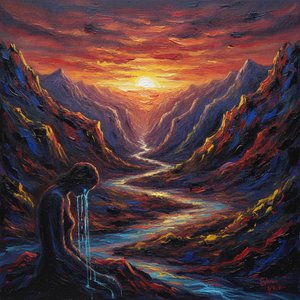
Capturing Emotion: A Journey Through the Soul of Expressionist Landscapes
Explore the profound emotional depth of Expressionist landscapes. Discover how Post-Impressionist masters moved beyond light to capture the soul through vibrant color and form. A curated journey for true art lovers seeking the beauty of expressive mastery.
Utforska konstverk sorterade efter tema, stil och egenskaper.


