

Shown: · With its frame:
 Förhandsvisa
 Skicka
 Dela
Dela
 Visa detaljer
 Guide
Guide

 Ladda ner
 Liknande objekt
 Röntgen
 Bildspel
 Q&A
Q&A Statistik


Skr 2701
Handgjord oljereproduktion
Handmålad olja på duk i din valda storlek och ram, tillverkad efter beställning av våra konstnärer. ( Byt till tryck Byt till digital bild)
Size
·Standardstorlek
skräddarsydd
CM
INCH
Välj bland våra förinställda storlekar som motsvarar konstverkets ursprungliga proportioner.
Loading sizes...

bredd
höjd
Ange den bredd och höjd du behöver för att passa din ram eller din vägg. Eftersom detta är handmålat kan konstnären, vid ett annat format, måla lite mer runt bilden eller beskära den något – det är du som väljer. Vi skickar en digital mockup för godkännande innan målningen påbörjas. Bilden som visas på denna sida representerar inte det slutgiltiga resultatet — det är endast mockuppen som visar det.
 Läs mer
Finish
·
White Skr1

Blurside Skr1

Extended Skr1

P118B Skr10

P118H Skr10

P118W Skr10

P438Z Skr10

P508JH Skr12

P508YH Skr12

P805H Skr10

P805Z Skr10

P919BZ Skr10

P919G Skr10

P919XJ Skr10

P959ZH Skr10

P968JZ Skr12

W106C Skr8

W218G Skr10

W218JH Skr8

W218Y Skr10

W307PJ Skr10

W316G Skr10

W316PJ Skr8

W316Y Skr10

W398PJ Skr8

W4111J Skr10

W500HY Skr15

W500JH Skr15

W692G Skr12

W849H Skr8

W940BG Skr15

W953PJ Skr8

H24-GOLD Skr30

H24-SILVER Skr30

H36-GOLD Skr45

H36-SILVER Skr45
Shipped in a protective tube, ready for your own framer.
Above 105 cm the frame is shipped as a kit for a professional framer — read the details.
Extras
optionalWhat do the extras include?
Examples of what can be changed: Replace face with customer photo; Add pet (e.g., replace cat with dog); Include hidden message in background; Change background landscape or elements.
After order, TopImpressionists.com team will email client for instructions and provide a mockup preview
After order, TopImpressionists.com team will email client for instructions and provide a mockup preview
Leverans över hela världen () på 3–4 veckor istället för standard 5 veckor. (1 november). Inga kompromisser med kvaliteten.
Skyddande fernissa
Namnskylt
Detaljer för graverad bronsplatta
This elegant plaque features the artist's name and the title of the artwork, finely engraved for a timeless presentation.
It is made from bronze with a refined, elegant finish. The text is precisely laser-engraved for a sharp and permanent result. Measuring 9x2 cm, the plaque is compact yet easy to read. It's built to be durable and scratch-resistant, offering a professional, museum-quality look. Mounting is simple thanks to the included adhesive backing.
Detaljer för transparent akrylplatta
The plaque includes essential engraved details such as the artist's name, the title of the artwork, the date it was created, the type of media used-like oil on canvas or watercolor-a brief description of the piece, and a QR code that links to the complete artwork information.
It is crafted from clear acrylic, offering a sleek, modern appearance. The text is UV-engraved in black to ensure strong visual contrast. With a size of 10x15 cm, it ensures optimal readability. It comes equipped with two metal hooks for secure wall mounting. The plaque is designed to be weather-resistant, making it suitable for various environments, and it includes interactive features that work seamlessly with smartphone scanning.
Detaljer för svart akrylplatta
This elegant plaque includes engraved information such as the artist's name, the title of the artwork, the date it was created, the type of media used (like oil on canvas or watercolor), a short description of the artwork, and a QR code for quick access to more information.
The plaque itself is made from refined black acrylic with a premium finish. The text is laser-engraved in white for high contrast and readability. Its size is 10x15 cm, designed to be easy to read. It comes with two metal hooks for professional mounting. The design is sleek and fits any interior style. It is also weather-resistant and durable, with built-in digital integration for mobile compatibility.
Glasalternativet är endast tillgängligt i storlekar under 110 cm.
 Glasalternativet är endast tillgängligt i storlekar under 110 cm.
- Fri expressfrakt över hela världen
- Högkvalitativ linnecanvas
- Fullständig fraktförsäkring
- Garantier för återbetalning av tullavgifter
- Garantier för exakt färgåtergivning
- 100 dagars returrätt (endast vid fel)
- 100% pengarna tillbaka-garanti
- Mängdrabatt erbjuds


Beskrivning av samlarobjekt
Experience the elegance of Rococo art! Giovanni Domenico Tiepolo's 'Minuet,' painted in 1756, captures a lively Venetian ballroom scene with vibrant colors and masterful composition.
Konstnärens biografi
Giovanni Domenico Tiepolo: En mästare inom rokokosmålning, son till Giovanni Battista Tiepolo! Upptäck hans fängslande venetianska fresker och mytologiska målningar – en elegant och konstnärlig arvtagare.
About the painting
A Symphony of Grace: The Rococo Splendor of Tiepolo’s Minuet
In the delicate dance of light and shadow, Giovanni Domenico Tiepolo’s 1756 masterpiece, "Minuet," invites the viewer into a world where the boundaries between the earthly and the divine dissolve. As a quintessential emblem of the Rococo movement, this work captures the very essence of eighteenth-century aristocratic elegance—a period defined by a thirst for frivolity, idealized beauty, and theatrical grandeur. To gaze upon this canvas is to step into the opulent social spheres of the Habsburg court, where every gesture is choreographed with refinement and every hue whispers of luxury. The painting does not merely depict a dance; it orchestrates an immersive experience, pulling the observer into a rhythmic celebration of life itself.
The composition is a masterclass in the Rococo aesthetic, characterized by its rejection of Baroque solemnity in favor of playful asymmetry and a luminous, pastel-driven palette. Tiepolo employs a breathtaking array of delicate creams, blush pinks, and shimmering golds that seem to glow from within, mirroring the sumptuous silks and intricate ornamentation found in the grandest European interiors. Through the expert use of trompe l'oeil techniques, the artist subtly blurs the lines between the painted surface and architectural reality, creating an illusionistic depth that makes the grand classical structures feel as though they are expanding into the viewer's own space. The light does not simply illuminate the figures; it dances across them, lending a palpable sense of atmosphere and movement to the entire scene.
Mythological Echoes and Symbolic Grandeur
Beyond its surface-level charm, "Minuet" is deeply interwoven with the mythological narratives that provided the intellectual backbone of the era. At the heart of this graceful ballet stands a statue of Diana, the goddess of hunting and chastity. This inclusion serves as a profound symbol of virtue and nobility, acting as a silent, watchful guardian over the festivities. The dancers and musicians, arranged in a rhythmic semi-circle, are positioned within an architectural setting reminiscent of ancient Roman temples, a deliberate choice by Tiepolo to ground the ephemeral joy of the dance in the eternal ideals of classical harmony and proportion. This juxtaposition suggests that even the most fleeting moments of human pleasure can be imbued with divine significance.
For the discerning collector or interior designer, "Minuet" offers more than just visual beauty; it provides a profound emotional resonance. The painting captures a sense of exuberant optimism and the effortless poise of a bygone era. Whether placed in a sun-drenched gallery or as a focal point in a sophisticated living space, a high-quality reproduction of this work brings with it an air of historical prestige and timeless sophistication. It is a piece that invites conversation, evoking the spirit of an age where art was a celebration of light, movement, and the enduring pursuit of grace.
Frågor och svar
Vilken är den övergripande stämningen i "Minuet" av Giovanni Domenico Tiepolo?
"Minuet" av Giovanni Domenico Tiepolo beskrivs ha en Elegant stämning. Denna klassificering kan hjälpa till att matcha verket med en miljö.
Var i Giovanni Domenico Tiepolos karriär placeras "Minuet", med tanke på dess datum?
"Minuet", skapat år 1756, tillhör den Mature Period av Giovanni Domenico Tiepolos karriär.
Vilken konstnär och vilken stil ligger bakom "Minuet"?
"Minuet" skapades av Giovanni Domenico Tiepolo i Rococo Style-stil. Konstnären och stilen definierar verkets tradition.
Quick facts and art quiz
About Giovanni Domenico Tiepolo
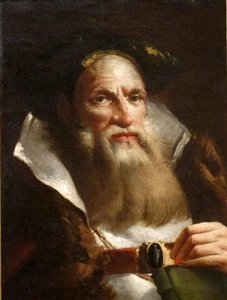
Giovanni Domenico Tiepolo
2007 - 1770, Italien
Konstnärsbiografi
Giovanni Domenico Tiepolo: En mästare inom rokokofresker
Giovanni Domenico Tiepolo (30 augusti 1727 – 3 mars 1804) var en framstående italiensk målare och gravör från Republiken Venedig. Han erkänns som en ledande gestalt inom rokokostilen, där han både ärvde och vidareutvecklade arvet efter sin berömande far, Giovanni Battista Tiepolo. Hans karriär sträckte sig över flera decennier och lämnade efter sig en rik produktion kännetecknad av livfulla färger, dynamiska kompositioner och eleganta skildringar av mytologiska scener, porträtt och landskap.
Tidigt liv och utbildning
Född in i en konstnärlig familj var Giovanni Domenicos tidiga liv djupt sammanflätat med konstens värld. Hans far, Giovanni Battista Tiepolo, en hyllad målare känd för sina monumentala fresker, fungerade som hans främsta mentor. Giovanni Domenico genomgick en rigorös utbildning under sin faders ledning, där han lärde sig de tekniker och stilistiska nyanser som skulle forma hans egen konstnärliga utveckling. Han drog även nytta av möten med andra betydande konstnärer från samtiden, däribland Sebastiano Ricci och Federico Bencovich, vilket ytterligare vidgade hans konstnärliga horisonter. Som ung man assisterade han ofta sin far i storskaliga projekt, vilket gav honom ovärderlig praktisk erfarenhet inom freskmåleri.
Konstnärlig karriär och stil
Giovanni Domenicos karriär blomstrade under hela 1700-talet. Han etablerade sig som en skicklig konstnär kapabel att producera både självständiga verk och bidra till samarbetsprojekt. Även om han initialt arbetade nära sin far, utvecklade han gradvis sin egen särpräglade stil, även om han behöll element av den rokokosestetik som var rådande inom venetiansk konst vid denna tid. Hans konstnärliga produktion omfattade fresker, målningar på duk och etsningar.
- Fresker: Tiepolo var särskilt berömd för sina fresker, som prydde ett flertal platser i Italien med detaljrika scener. Bland de mest anmärkningsvärda exemplen finns freskerna i Ca' Dolfin vid Canal Grande i Venedig samt taket i kyrkan Gesuati (Santa Maria del Rosario), även den i Venedig.
- Målningar: Utöver sina fresker skapade han ett betydande antal målningar på duk, ofta med mytologiska motiv eller porträtt. Exempel inkluderar "Perseus och Andromeda" (se här), ”Europa bortrövningen” (se här) och "Jägare med hjort" (se här).
- Etsningar: Tiepolo uppvisade även stor skicklighet inom etsning och skapade detaljerade och uttrycksfulla tryck, såsom "Die heiligen Augustinus, Ludwig von Frankreich, Johannes Evangelist und Magnus" (se här).
Inflytande och utveckling
Giovanni Domenicos konstnärliga utveckling var djupt påverkad av hans far, Giovanni Battista Tiepolo. Han ärvde den äldre Tiepolos mästerskap i färg, komposition och narrativt berättande. Dock utvecklades Giovanni Domenicos stil till att inkludera ett större fokus på genremåleri och skildringar av vardagslivet, vilket skilde honom från faderns mer monumentala och klassiskt inspirerade verk. Han uppvisade även ett intresse för teatralitet och rörelse, vilket är tydligt i målningar som "Pulcinella" (se här) och ”Herkules apotheos” (se här).
Historisk betydelse
Giovanni Domenico Tiepolo spelade en avgörande roll för den venetianska rokokokonstens fortsättning och evolution. Trots att han under sin livstid hamnade i skuggan av sin faders berömmelse, erkänns han idag som en betydande konstnär i egen rätt. Hans fresker och målningar erbjuder värdefulla inblickar i de konstnärliga smaker och kulturella värderingar som präglade 1700-talets Venedig och Italien. Hans förmåga att förena klassiska teman med samtida känslighet befäste hans plats inom rokokorörelsen och lämnade efter sig ett arv av levande konstnärskap som fortsätter att fängsla betraktare än idag.
Quick facts about Giovanni Domenico Tiepolo
- Artistic Movement Or Style: Rococo
- Artists Who Influenced This Artist: ['Giovanni Battista Tiepolo']
- Date Of Birth: August 30, 1727
- Full Name: Giovanni Domenico Tiepolo
- Nationality: Italian
- Notable Artworks:
- Perseus and Andromeda
- The Rape of Europa
- Hunter with Deer
- Place Of Birth: Venice, Italy
Utforska konstverk sorterade efter tema, stil och egenskaper.


Giovanni Domenico Tiepolo
Minuet
() ·
With its frame: · Hand-painted in oil on linen
Total