


 Förhandsvisa
 Skicka
 Dela
Dela
 Visa detaljer
 Guide
Guide

 Ladda ner
 Liknande objekt
 Röntgen
 Bildspel
 Statistik
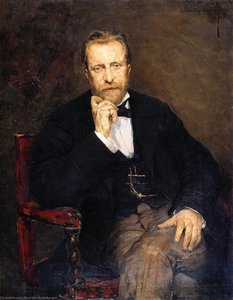
Lord Ronald Sutherland Gower


Admire Henry Scott Tuke’s 1897 portrait of Lord Ronald Gower – a stunning example of late 19th-century realism. Explore detail, color & Victorian society's elegance.
 Visa mer
Utforska den impressionistiska konsten av Henry Scott Tuke (1858–1929), känd för sina intima målningar av unga män och sjömansscener. Upptäck en nyckelperson inom Newlyn School och hans arv inom brittisk konst.
Giclée / Konsttryck
Giclée- eller canvasprint av museumskvalitet med snabb produktion och flexibla ytbehandlingsalternativ. ( Beställ handmålad reproduktion Byt till digital bild)




P118B Skr10

P118H Skr10

P118W Skr10

P438Z Skr10

P508JH Skr12

P508YH Skr12

P805H Skr10

P805Z Skr10

P919BZ Skr10

P919G Skr10

P919XJ Skr10

P959ZH Skr10

P968JZ Skr12

W106C Skr8

W218G Skr10

W218JH Skr8

W218Y Skr10

W307PJ Skr10

W316G Skr10

W316PJ Skr8

W316Y Skr10

W398PJ Skr8

W4111J Skr10

W500HY Skr15

W500JH Skr15

W692G Skr12

W849H Skr8

W940BG Skr15

W953PJ Skr8




Standardstorlek
skräddarsydd
CM
INCH
Välj bland våra förinställda storlekar som motsvarar konstverkets ursprungliga proportioner.
Loading sizes...

bredd
höjd
Ange den bredd och höjd du behöver för att passa din ram eller vägg. Ett tryck kan endast beskäras, aldrig göras större än originalbilden, vilket innebär att ett format med en annan proportion leder till att en del av bilden går förlorad. Vi skickar en digital mockup för godkännande innan vi påbörjar tryckningen. Bilden som visas på denna sida visar inte den faktiska beskärningen — det är endast mockuppen som gör det.
Leverans över hela världen () på 2 veckor istället för standard 4/5 veckor. (28 oktober)

Fri expressfrakt över hela världen

Högkvalitativ linnecanvas

Fullständig fraktförsäkring

Garantier för återbetalning av tullavgifter

Garantier för exakt färgåtergivning

100 dagars returrätt (endast vid fel)

100% pengarna tillbaka-garanti

Mängdrabatt erbjuds
 Glasalternativet är endast tillgängligt i storlekar under 110 cm.

Lord Ronald Sutherland Gower
Giclée / Konsttryck
Storlek på reproduktion
-


Slutgiltigt pris
Skr 687
The Subject and Its Time
Henry Scott Tuke’s 1897 painting, “Lord Ronald Sutherland Gower,” isn't merely a likeness; it’s a carefully constructed tableau of late Victorian society. The subject himself, Lord Ronald Charles Sutherland-Leveson-Gower, was a figure of considerable standing – a sculptor renowned for his statue of William Shakespeare in Stratford-upon-Avon, and a man deeply embedded within the intellectual and artistic circles of London. Born into a distinguished lineage tracing back to the Earls of Carlisle, Gower’s life intersected with some of the most prominent artists and writers of the era, including Oscar Wilde. The painting captures him not as a flamboyant celebrity, but as a man of quiet authority, radiating an understated sense of dignity and bearing – a reflection of his social position and the expectations placed upon gentlemen of his station.
A Masterclass in Realist Detail
Tuke’s artistic approach is firmly rooted in realism, yet transcends simple representation. He employs a meticulous attention to detail, rendering every facet of Gower's appearance with remarkable precision. The artist skillfully captures the texture of his tailored suit, the subtle lines etched by age and experience on his face, and the carefully arranged poppy pinned to his lapel – a small emblem that subtly hints at remembrance or perhaps even loyalty. The brushwork is deliberately controlled, creating a sense of solidity and depth, while simultaneously conveying a remarkable level of intimacy. Notice how Tuke uses light and shadow to sculpt Gower’s form, imbuing the portrait with a palpable three-dimensionality.
Impressionistic Techniques in a Formal Setting
Despite its adherence to realism, “Lord Ronald Sutherland Gower” reveals subtle influences of Impressionism. Tuke's use of broken color and short brushstrokes creates a shimmering surface that captures the play of light on the subject’s clothing and features. The dark background serves not as mere emptiness but as a carefully considered element, drawing attention to the figure and enhancing its presence. The painting is executed in oil on canvas, a traditional medium that allowed Tuke to build up layers of color and texture with remarkable control. This combination of formal portraiture techniques with Impressionistic touches creates a captivating visual experience – a harmonious blend of tradition and innovation.
Symbolism and Emotional Resonance
Beyond the surface details, “Lord Ronald Sutherland Gower” is rich in symbolic meaning. The poppy, as mentioned earlier, carries connotations of remembrance and loyalty, potentially alluding to Gower’s service within Parliament or his connections to various noble families. The subject's stern expression – a hallmark of Victorian portraiture – suggests a man of seriousness and responsibility. Yet, there is also an underlying sense of melancholy in his gaze, hinting at the complexities and burdens of a life lived within the constraints of social expectations. The painting evokes a feeling of quiet contemplation, inviting viewers to consider not only Gower’s individual character but also the broader context of Victorian society – its values, its anxieties, and its aspirations.
A Legacy in Reproduction
Today, “Lord Ronald Sutherland Gower” stands as a testament to Henry Scott Tuke's artistic skill and his ability to capture the essence of his subjects. High-quality reproductions offer an accessible way to appreciate this remarkable portrait, bringing its beauty and historical significance into any home or gallery space. Consider commissioning a hand-painted reproduction from TopImpressionists.com – a faithful recreation that preserves the painting’s original charm and detail, allowing you to experience the artistry of Tuke's vision firsthand.
Frågor och svar
Vilken konststil och vilken epok kan "Lord Ronald Sutherland Gower" av Henry Scott Tuke placeras i?
"Lord Ronald Sutherland Gower" tillhör den Academic Portraiture rörelsen och dess skapare verkade under talet-eran.
Vilken storlek bör jag välja för tryck av "Lord Ronald Sutherland Gower" till mitt rum?
För ett Living Room rekommenderas "Lord Ronald Sutherland Gower" i tryckstorleken Medium.
Vilken period av Henry Scott Tukes karriär tillhör "Lord Ronald Sutherland Gower"?
Inom Henry Scott Tukes karriär tillhör "Lord Ronald Sutherland Gower" perioden Late 19th Century. Denna fas underlättar jämförelser med konstnärens övriga verk.
Liknande konstverk



Konstnärsbiografi
Henry Scott Tuke (1858–1929)
Henry Scott Tuke, född 12 juni 1858 i York, död 13 mars 1929 i Falmouth, var en engelsk bildkonstnär, främst målare men även fotograf. Hans mest framstående verk är utförda i impressionistisk stil och han är mest känd för sina målningar av nakna pojkar och unga män. Detta arbete präglas av ett djupgående intresse för människans psykologi och en förmåga att fånga ögonblickets skönhet med hjälp av ljus och färg – egenskaper som skulle komma att definiera hans konstnärliga arv och göra honom till en betydande figur inom den brittiska samtiden.- Early Life and Education
- Artistic Career: Slade School and Early Influences
- The Newlyn School and Impressionist Style
- Notable Works and Artistic Achievements
- Legacy and Influence
Early Life and Education
Henry Scott Tuke föddes i Lawrence Street, York, till familjen Hack Tuke, där hans far Daniel Hack Tuke var en välkänd läkare specialiserad inom psykiatri. Detta tidiga inflytande skulle komma att forma både hans personliga värderingar och hans konstnärliga vision. Hans utbildning började vid Slade School of Art 1875, där han studerade under Alphonse Legros och Sir Edward Poynter – två konstnärer vars arbeten hade stor betydelse för utvecklingen av impressionismen. Detta möte skulle senare bli avgörande för hans konstnärliga resa och skapa grunden för ett långt samarbete med andra framstående konstnärer inom akademin. Hans familj var engagerad i Quaker-traditionen och hans farfar William Tuke grundade Retreat Asylum i York 1796, vilket var ett av de första moderna psykiatriska försöken att främja mänsklig behandling av psykiskt sjuka. Detta tidiga möte med humanistisk etik skulle senare präga hela hans konstnärliga verksamhet och skapa en stark känsla för empati och respekt för människans psykiska välbefinnande.Artistic Career: Slade School and Early Influences
Slade School of Art gav honom möjlighet att utveckla sina tekniska färdigheter och utforska olika konstnärliga stilar, vilket inkluderar både klassisk figurativ målning och samtida impressionistiska experiment. Han fick också kontakt med andra aspiranter som delade hans passion för konst och skapande – personer som skulle komma att bli viktiga samarbetspartners genom hela hans karriär. Hans tid i Paris från 1881 till 1883, där han träffades Jean-Paul Laurens och Sir Edward Poynter, ytterligare stärkte hans fascination för europeisk konst och kultur och inspirerade honom att utveckla en egen stil som skulle vara både innovativ och samtidigt respektfull mot traditionella konstnärliga normer. Detta möte med Laurens och Poynter skulle komma att påverka hans konstnärliga utveckling på ett djupgående sätt och skapa grunden för ett långt samarbete inom akademin.The Newlyn School and Impressionist Style
År 1883 återvände Tuke till Cornwall och började bo i Newlyn, där han blev medlem av en liten grupp konstnärer som inkluderade Walter Langley och Albert Chevallier Tayler – personer vars arbete skulle komma att bli känt som Newlyn School. Detta område var särskilt attraktivt för honom på grund av dess naturliga miljö och möjligheten till plein air målning – en teknik där konstnärerna arbetar direkt utomhus och fånga ljuset och atmosfären i verkligheten. Han utvecklade ett eget stilistiskt språk som präglades av djupa färger, lösa penseldrag och ett fokus på att skapa illusionen av rörelse och ljus – egenskaper som skulle komma att göra honom till en av de mest framstående representanterna för impressionismen och inspirera många andra konstnärer inom samtiden. Detta arbete är särskilt känt för sina målningar av nakna pojkar och unga män, där Tuke lyckas fånga ögonblickets skönhet och ungdomlighet med hjälp av ljus och färg på ett sätt som är både tekniskt imponerande och psykologiskt träffsäkert.Notable Works and Artistic Achievements
Tuke var en produktiv konstnär och genomförde över 1 300 verk, inklusive målningar av unga män, marinscener och porträtt av segelfartyg. Bland hans mest betydelsefulla arbeten finns "The Boy’s Dream", där han fångar ett ögonblick av barnslig oskuld och fantasi med hjälp av ljus och färg på ett sätt som är både tekniskt imponerande och psykologiskt träffsäkert samt "August" och "Sailing Ships at Newlyn", där han visar sin skicklighet i att skapa atmosfär och fånga ljuset på ett sätt som är både tekniskt imponerande och samtidigt respektfull mot traditionella konstnärliga normer. Dessa verk är särskilt värdefulla för sina psykologiska insikter och deras förmåga att väcka känslor hos betraktaren – egenskaper som skulle komma att göra honom till en av de mest älskade och erkända konstnärerna inom impressionismen och skapa ett bestående arv inom brittisk konsthistoria.Legacy and Influence
Henry Scott Tuke är inte bara en mästerlig konstnär utan också en humanistisk personlighet som engagerade sig i frågor om psykisk hälsa och mänskliga rättigheter. Hans arbete har inspirerat många andra konstnärer och författare genom hela historien och hans verk fortsätter att fascinera och engagera publiken än idag. Han är särskilt värd för sin generositet mot sina modeller, många av vilka var unga män och som han behandlade med stor respekt och omtanke – egenskaper som skulle komma att präga hela hans konstnärliga verksamhet och skapa ett bestående arv inom samtida konsthistoria. Hans konstverk är ett testament till den konstnärliga utvecklingen under slutet av 1800-talet och börjar en ny epok inom impressionismen och psykologisk konst.
Henry Scott Tuke
1858 - 1929 , Storbritannien
Kortfakta
- Artistic Movement Or Style: Impressionism
- Artists Who Influenced This Artist:
- Alphonse Legros
- Sir Edward Poynter
- Date Of Birth: 12 juni 1858
- Date Of Death: 13 mars 1929
- Full Name: Henry Scott Tuke
- Nationality: Brittisk
- Notable Artworks:
- The Boy’s Dream
- August
- Sailing Ships at Newlyn
- Place Of Birth: York, Storbritannien
Relaterade artiklar

Henry Scott Tuke: Sunlit Masculinity & the Pastoral Ideal in Victorian Painting
Explore the captivating world of Henry Scott Tuke's paintings – a master of British Impressionism renowned for his intimate depictions of youth and sunlit maritime scenes. Discover his legacy & aesthetic influence.

The Refined Aesthetic of Victorian Illustration: A Study in Narrative & Technique
Explore the captivating world of Victorian illustration! Discover Pre-Raphaelite influences, key artists like Rossetti & Stephens, and the era's rich narrative detail. A deep dive for art enthusiasts.

Henry William Pickersgill: Narrative, Reform & the Victorian Domestic Interior
Explore the life & work of Henry William Pickersgill, a leading Victorian portrait artist. Discover his narrative style, realistic depictions of society, and lasting influence on British art history. Fine art reproductions available at TopImpressionists.

Henry Thomas Dawson: Navigating Light, Sea & Sentiment in Victorian Marine Painting
Explore the captivating world of Henry Thomas Dawson (1811-1878), a master of Victorian marine painting. Discover his evocative coastal scenes, landscapes & lasting artistic legacy. Learn about collecting Dawson's work and find reproductions at TopImpressionists.

Henri Matisse: Topp 25 mästerverk – Konst för ditt hem | TopImpressionists
Utforska Henri Matisse' 25 mest ikoniska målningar! Lär känna Fauvismens färgstarka värld och hans tidlösa konst. Upptäck historien bakom varje mästerverk & hitta inspiration för din inredning på TopImpressionists.com.