Visa i rummet
 Skicka
 Dela
Dela
 Detaljer
 Studentguide för konstverk

 Ladda ner
 Liknande objekt
 Röntgen
 Bildspel
 Besökstatistik
Cripples

 Läs mer
Handgjord oljereproduktion
Handmålad olja på duk i din valda storlek och ram, tillverkad efter beställning av våra konstnärer. ( Byt till tryckta exemplar Byt till digital bildförsäljning)




































Standardstorlek
anpassad
CM
INCH
Välj bland våra förinställda storlekar som motsvarar konstverkets ursprungliga proportioner.
Loading sizes...

bredd
höjd
Ange den bredd och höjd du behöver för att passa din ram eller din vägg. Eftersom detta är handmålat kan konstnären vid en annan form måla lite mer runt bilden eller beskära den något – du väljer själv. Vi skickar en digital mockup för godkännande innan målningen påbörjas. Bilden som visas på denna sida representerar inte det slutgiltiga resultatet — det är endast mockuppen som visar det.
Exempel på vad som kan anpassas: Byt ut ansiktet mot ett foto av kunden; Lägg till ett husdjur (t.ex. byt ut en katt mot en hund); Inkludera ett dolt meddelande i bakgrunden; Ändra bakgrundens landskap eller element.
Efter beställning kommer TopImpressionists.com team att mejla kunden för instruktioner och tillhandahålla en skissförhandsvisning
Efter beställning kommer TopImpressionists.com team att mejla kunden för instruktioner och tillhandahålla en skissförhandsvisning
Leverans över hela världen () på 3–4 veckor istället för standard 5 veckor. (21 oktober). Inga kompromisser med kvaliteten.

Fri expressfrakt över hela världen

Högkvalitativ linnecanvas

Fullständig fraktförsäkring

Garantier för återbetalning av tullavgifter

Garantier för exakt färgåtergivning

100 dagars returrätt vid fabrikationsfel

100% pengarna tillbaka-garanti

Mängdrabatt erbjuds
 Glasalternativet är endast tillgängligt i storlekar under 110 cm.

Cripples
Tryckteknik
Reproduktionsstorlek
-


Totalpris
Skr 8547
A Vision of Suffering and Divine Judgment
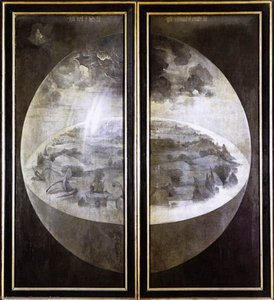
Hieronymus Bosch’s “Cripples” stands as a chilling testament to the anxieties of the Northern Renaissance, capturing not merely physical deformity but a profound psychological unease. Painted around 1500, this enigmatic triptych—a monumental work measuring approximately 31.4 × 21 cm (12.3 × 8.3 inches)—immediately confronts the viewer with an unsettling panorama of grotesque figures engaged in bizarre activities within a meticulously crafted architectural setting.
Bosch’s artistic genius resided in his ability to fuse religious allegory with fantastical imagery, creating scenes that simultaneously depict earthly suffering and foreshadow divine retribution. The composition is dominated by rows of crippled individuals—men, women, and children—each bearing visible signs of injury or disability. These figures are not merely presented as victims of misfortune; they embody a broader critique of human weakness and vulnerability in the face of God’s judgment.
Technical Mastery: Line and Texture
The painting's remarkable detail is achieved through masterful draughtsmanship utilizing ink and pen on paper—a technique characteristic of Bosch’s workshop. Lines are employed with astonishing precision, establishing a grid-like structure that lends order to the chaotic scene while simultaneously emphasizing the contours of each figure. Crosshatching creates rich textures, conveying the roughness of clothing and skin, adding depth and visual interest.
Bosch's meticulous attention to detail extends beyond mere representation; it serves as a conduit for conveying emotion. The muted palette—primarily browns, ochres, and blacks—contributes to an atmosphere of gloom and despair. Light is diffused, lacking any dramatic highlights, reinforcing the painting’s solemn mood.
Symbolism and Interpretation
“Cripples” overflows with symbolic references rooted in medieval Christian thought. The crippled figures represent humanity's fallen state—burdened by sin and destined for eternal punishment. Their postures convey helplessness and despair, mirroring the theological concept of purgatory—a realm of purification where souls endure torment before entering heaven.
Furthermore, Bosch’s depiction of fantastical creatures—winged demons, grotesque animals—underscores the pervasive influence of folklore and superstition during his time. These elements serve as reminders that earthly existence is fraught with peril and that salvation requires unwavering faith. The painting's unsettling imagery continues to fascinate scholars and artists alike, prompting ongoing debate about its precise meaning and enduring legacy.
A Legacy of Horror
“Cripples” remains one of Bosch’s most arresting works—a haunting portrayal of human suffering and divine judgment that transcends its historical context. Its meticulous technique, combined with its profound symbolic content, secures its place as a cornerstone of Northern Renaissance art and a timeless exploration of the darker recesses of the human psyche.
Frågor och svar
Ur vilket land kommer Northern Renaissance-verket "Cripples"?
"Cripples" förenar Northern Renaissance-rörelsen med Nederländerna genom sin skapares födelseplats.
Hur intensiva är färgerna i "Cripples" av Hieronymus Bosch?
"Cripples" av Hieronymus Bosch uppvisar en Monochromatic färgintensitet.
Vilken reproduktionsstorlek rekommenderas för "Cripples" av Hieronymus Bosch?
Rekommenderad tryckstorlek för "Cripples" av Hieronymus Bosch är Large.
Om konstnären
Hieronymus Bosch: En Mystisk Konstnärs Värld
Hieronymus Bosch, ursprungligen Jheronimus van Aken, född omkring 1450 i den livliga staden ’s-Hertogenbosch i Nederländerna – då en del av Brabant – är en av konsthistoriens mest fascinerande och gåtfulla figurer. Hans värld var genomsyrad av senmedeltida religiös passion, folktro och en växande känsla av samhällelig oro, allt vilket djupt påverkade hans unikt obehagliga konstnärliga vision. Från en familj med en lång tradition inom måleriet – hans farfar, Jan van Aken, och fadern, Anthonius van Aken, var båda konstnärer – fick Bosch sannolikt sin tidigaste utbildning inom familjens verkstad, där han absorberade tekniker och konventioner från nederländska målningar. Ändå började han redan i sina tidiga år att avvika från etablerade normer, vilket antydde den extraordinära fantasi som skulle definiera hans karriär. Biografiska detaljer är frustrerande bristfälliga; register är fragmenterade, vilket lämnar mycket öppet för spekulation och tolkning, vilket bidrar till mystiken kring både mannen och hans verk. Han gifte sig med Aleyt Goyaerts van den Meerveen någon gång före 1481, en union som gav honom viss ekonomisk trygghet genom hennes familjs innehav, men lite annat är känt om deras privata liv.Fantastiska Visioner och Symboliska Djup
Boschs konstnärliga stil är omedelbart igenkännlig – en fängslande blandning av minutiös detaljrikedom och vågade fantasifulla bilder. Han arbetade huvudsakligen med olja på ekpaneler, vilket visade enastående behärskning av mediet, och skapade ljusa färger och invecklade texturer. Även om hans tidiga verk visar inflytande från traditionell nederländska målningar – särskilt i sin realism och uppmärksamhet på detaljer – rörde han sig snabbt bortom enkel imitation, utvecklande en djupt originell vision. Hans målningar är inte bara representationer av verkligheten; de är allegoriska landskap bebodda av bisarra varelser, hybrider och obehagliga scener som verkar stulna från drömmar – eller mardrömmar. Religiösa teman genomsyrar mycket av hans arbete, men de är sällan raka beskrivningar av bibliska berättelser. Istället använder Bosch symbolik för att utforska komplexa moraliska och teologiska koncept, ofta med fokus på syndens faror, jordiska nöjes flyktighet och den oundvikliga gudomliga domstolen. Hans varelser – groteska demoner, fantastiska djur och märkligt mänskliga figurer – är inte bara dekorativa element; de är förebilder för vice, lockelse och andlig korruption. Den blandning av heligt och profant, vackert och groteskt skapar en unikt obehaglig effekt som fortsätter att fängsla betraktare århundraden senare.Huvudverk och Symbolik
Bosch var en pionjär inom konstens representation av abstrakta koncept, vilket syns tydligt i hans triptyker. The Garden of Earthly Delights (c. 1490-1510) är ett exempel på detta, och anses vara en av de mest gåtfulla och debatterade verken i konsthistorien. När det öppnas presenteras en panoramautsikt över paradiset, jordelivet och helvetet – en komplex allegorisk representation av mänsklighetens föllande från nåd. Den vänstra panelen visar Eden, fyllt av fantastiska varelser och frodig vegetation; den centrala panelen skildrar en värld uppslukad av sinnliga nöjer och okontrollerade begär; och den högra panelen erbjuder en skrämmande glimt in i helvetets fördömelse. The Last Judgement Triptych (c. 1480-1490) är ett annat kraftfullt exempel på hans förmåga att måla både himmelsk lycka och infernalisk förödelse, medan *The Ascent of the Blessed* (c. 1480-1490) visar hans skicklighet i att skapa eteriska och drömlika scener. Även mindre verk som *Epiphany* (c. 1495) visar upp hans innovativa användning av olja på trä och komplex symbolik, vilket avslöjar en tanke som ständigt brottas med djupa frågor om tro, moral och den mänskliga tillstånd.Inflytande och Bestående Inverkan
Att identifiera Boschs direkta influenser är en utmaning, givet originaliteten i hans vision. Studenter pekar på kopplingar till medeltida folktro, religiösa texter – särskilt de som betonar apokalyptiska teman – och den rådande samhälleliga ångesten under tiden, inklusive rädslor för kätteri och social oro. Men det är tydligt att han syntetiserade dessa element till något helt nytt och unikt för sig själv. Hans inflytande på efterföljande konstnärer är obestridligt. Pieter Bruegel den Äldre följde direkt i hans fotspår, adopterade liknande teman och kompositionstekniker, medan senare rörelser, såsom Surrealismen, också drog inspiration från Boschs drömlika bilder och utforskning av det undermedvetna. Konstnärer som Salvador Dalí och Max Ernst erkände öppet sin tacksamhet till hans obehagliga visioner. Även idag fortsätter Boschs verk att fascinera och provocera debatt, vilket säkerställer hans plats som en mästare inom nederländska målningar och en visionär konstnär vars inflytande sträcker sig långt bortom sin egen tid. Hans målningar ger värdefulla insikter i den religiösa, sociala och psykologiska klimaten under det sena 1400-talet och tidiga 1500-talet, utmanar konventionella normer och banar väg för nya former av konstnärligt uttryck. Han dog 1516, lämnande efter sig ett verk som fortsätter att hemsöka och inspirera, vilket säkerställer hans bestående arv som en av konsthistoriens mest unika och oförglömda röster.Ytterligare information
- Boschs liv och verk i detalj: Hieronymus Bosch - Liv och Verk
- Wikipedia-sida om Hieronymus Bosch: Hieronymus Bosch på Wikipedia

Hieronymus Bosch
1450 - 1516 , Nederländerna
Snabbfakta
- Artistic Movement Or Style: Surrealism, Symbolism
- Artists Or Movements Influenced By This Artist: ['Bruegel äldre']
- Date Of Birth: c. 1450
- Date Of Death: 1516
- Full Name: Hieronymus Bosch
- Nationality: Nederländsk
- Notable Artworks:
- Garden Eden
- Sista domen
- Stigande helgn
- Place Of Birth: Den Bosch, Nederl.
Relaterade artiklar

Enchanting Medieval Imagery: A Sophisticated Journey Through History’s Most Captivating Artworks
Embark on a sophisticated exploration of medieval art, from the luminous beauty of illuminated manuscripts to the courtly elegance of International Gothic style. Discover the profound artistry and sacred history behind the world's most enchanting imagery.

Divine Light & Golden Splendor: A Journey Through the Sacred Grandeur of High Medieval Art
Embark on a soulful journey through High Medieval art. Explore the divine light of Gothic cathedrals, Byzantine splendor, and sacred masterpieces that shaped Western history with our expert-led cultural reflections.
Utforska konstverk sorterade efter tema, stil och egenskaper.