

Shown: · With its frame:
 Förhandsvisa
 Skicka
 Dela
Dela
 Visa detaljer
 Guide
Guide

 Ladda ner
 Liknande objekt
 Röntgen
 Bildspel
 Q&A
Q&A Statistik


Skr 2702
Handgjord oljereproduktion
Handmålad olja på duk i din valda storlek och ram, tillverkad efter beställning av våra konstnärer. ( Byt till tryck Byt till digital bild)
Size
·Standardstorlek
skräddarsydd
CM
INCH
Välj bland våra förinställda storlekar som motsvarar konstverkets ursprungliga proportioner.
Loading sizes...

bredd
höjd
Ange den bredd och höjd du behöver för att passa din ram eller din vägg. Eftersom detta är handmålat kan konstnären, vid ett annat format, måla lite mer runt bilden eller beskära den något – det är du som väljer. Vi skickar en digital mockup för godkännande innan målningen påbörjas. Bilden som visas på denna sida representerar inte det slutgiltiga resultatet — det är endast mockuppen som visar det.
 Läs mer
Finish
·
White Skr1

Blurside Skr1

Extended Skr1

P118B Skr10

P118H Skr10

P118W Skr10

P438Z Skr10

P508JH Skr12

P508YH Skr12

P805H Skr10

P805Z Skr10

P919BZ Skr10

P919G Skr10

P919XJ Skr10

P959ZH Skr10

P968JZ Skr12

W106C Skr8

W218G Skr10

W218JH Skr8

W218Y Skr10

W307PJ Skr10

W316G Skr10

W316PJ Skr8

W316Y Skr10

W398PJ Skr8

W4111J Skr10

W500HY Skr15

W500JH Skr15

W692G Skr12

W849H Skr8

W940BG Skr15

W953PJ Skr8

H24-GOLD Skr30

H24-SILVER Skr30

H36-GOLD Skr45

H36-SILVER Skr45
Shipped in a protective tube, ready for your own framer.
Above 105 cm the frame is shipped as a kit for a professional framer — read the details.
Extras
optionalWhat do the extras include?
Examples of what can be changed: Replace face with customer photo; Add pet (e.g., replace cat with dog); Include hidden message in background; Change background landscape or elements.
After order, TopImpressionists.com team will email client for instructions and provide a mockup preview
After order, TopImpressionists.com team will email client for instructions and provide a mockup preview
Leverans över hela världen () på 3–4 veckor istället för standard 5 veckor. (2 november). Inga kompromisser med kvaliteten.
Skyddande fernissa
Namnskylt
Detaljer för graverad bronsplatta
This elegant plaque features the artist's name and the title of the artwork, finely engraved for a timeless presentation.
It is made from bronze with a refined, elegant finish. The text is precisely laser-engraved for a sharp and permanent result. Measuring 9x2 cm, the plaque is compact yet easy to read. It's built to be durable and scratch-resistant, offering a professional, museum-quality look. Mounting is simple thanks to the included adhesive backing.
Detaljer för transparent akrylplatta
The plaque includes essential engraved details such as the artist's name, the title of the artwork, the date it was created, the type of media used-like oil on canvas or watercolor-a brief description of the piece, and a QR code that links to the complete artwork information.
It is crafted from clear acrylic, offering a sleek, modern appearance. The text is UV-engraved in black to ensure strong visual contrast. With a size of 10x15 cm, it ensures optimal readability. It comes equipped with two metal hooks for secure wall mounting. The plaque is designed to be weather-resistant, making it suitable for various environments, and it includes interactive features that work seamlessly with smartphone scanning.
Detaljer för svart akrylplatta
This elegant plaque includes engraved information such as the artist's name, the title of the artwork, the date it was created, the type of media used (like oil on canvas or watercolor), a short description of the artwork, and a QR code for quick access to more information.
The plaque itself is made from refined black acrylic with a premium finish. The text is laser-engraved in white for high contrast and readability. Its size is 10x15 cm, designed to be easy to read. It comes with two metal hooks for professional mounting. The design is sleek and fits any interior style. It is also weather-resistant and durable, with built-in digital integration for mobile compatibility.
Glasalternativet är endast tillgängligt i storlekar under 110 cm.
 Glasalternativet är endast tillgängligt i storlekar under 110 cm.
- Fri expressfrakt över hela världen
- Högkvalitativ linnecanvas
- Fullständig fraktförsäkring
- Garantier för återbetalning av tullavgifter
- Garantier för exakt färgåtergivning
- 100 dagars returrätt (endast vid fel)
- 100% pengarna tillbaka-garanti
- Mängdrabatt erbjuds


Beskrivning av samlarobjekt
Konstnärens biografi
Hieronymus Bosch (1450-1516): En mystisk nederländsk konstnär vars surrealistiska och symbolrika målningar utforskar moral, religion och människans mörkaste djup – en tidlös inspirationskälla.
About the painting
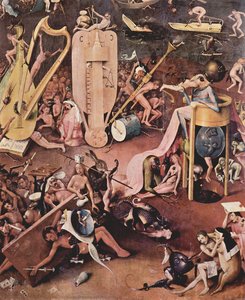
A Moment Frozen in Time: Exploring Hieronymus Bosch’s Ecce Homo Detail
The painting “Ecce Homo” – Latin for “Behold the Man” – is a haunting fragment from Hieronymus Bosch’s monumental triptych, completed around 1475. More than just a depiction of Jesus Christ’s crucifixion, it represents a profound meditation on human suffering and divine compassion, rendered with Bosch's signature blend of meticulous realism and fantastical imagination. This particular detail captures the palpable tension surrounding the figure of Jesus as he is presented to the crowd – a scene charged with religious significance and psychological complexity.The Artist’s Vision: Bosch’s Unique Style
Hieronymus Bosch (c. 1450-1516) stands apart from his contemporaries in Northern Renaissance art. Unlike many artists of his era who adhered to idealized depictions of biblical figures, Bosch embraced a disturbing vision rooted in medieval folklore and Christian mysticism. His style is characterized by an unsettling juxtaposition of naturalistic observation with grotesque imagery – animals transformed into monstrous hybrids, human figures distorted into expressions of agony and ecstasy. This deliberate dissonance wasn’t merely stylistic choice; it served as a powerful tool for conveying Bosch's anxieties about sin, mortality, and the corrupting influence of earthly desires. He meticulously crafted his paintings using oil paint on panel, achieving remarkable detail and luminosity—a technique that allowed him to capture both the physicality of his subjects and the ethereal quality of their spiritual torment.Historical Context: Faith Under Pressure
The triptych itself was commissioned by Willem Boreel, a wealthy Antwerp merchant who sought solace during a period of religious upheaval in Europe. The Protestant Reformation was gaining momentum, challenging papal authority and sparking intense debates about theological interpretation. Bosch’s depiction reflects this climate of uncertainty; the faces of those surrounding Jesus are etched with sorrow and apprehension, mirroring the anxieties felt by many devout Christians grappling with questions of faith and salvation. The inclusion of instruments like a sword and shield speaks to the political tensions of the time – symbols of military might juxtaposed against the vulnerability of Christ on the cross—underscoring Bosch’s awareness of the broader societal landscape.Symbolism: Layers of Meaning Beyond the Visible
Beyond its immediate depiction, “Ecce Homo” is replete with symbolic references that delve into deeper theological concerns. The cup held aloft by one figure represents divine grace – offering solace and redemption to those who acknowledge their failings. Conversely, the expressions on the faces of the onlookers convey a spectrum of emotions: pity, fear, disbelief, and perhaps even contempt. Bosch’s masterful use of color contributes to this symbolic richness; muted tones dominate the scene, emphasizing the solemnity of the occasion while highlighting the luminous glow emanating from Jesus's body—a visual representation of divine holiness amidst human suffering.Emotional Impact: A Portrait of Humanity’s Struggle
“Ecce Homo” continues to resonate with viewers centuries after its creation because it confronts us directly with the fundamental questions of existence. Bosch doesn’t offer easy answers; instead, he compels us to contemplate the horrors of human nature alongside the promise of divine mercy. The painting's unsettling realism combined with fantastical elements creates a visceral experience—one that lingers in the mind long after viewing. It serves as a timeless reminder of our shared vulnerability and the enduring power of faith to illuminate even the darkest corners of the human condition. This detail, like the entire triptych, remains an unforgettable testament to Bosch’s unparalleled artistic genius and his profound engagement with the spiritual anxieties of his time.Frågor och svar
Hur kan "Ecce Homo (detail)" av Hieronymus Bosch användas i heminredningen?
"Ecce Homo (detail)" rekommenderas för Accent och passar utmärkt i ett Living Room.
Vilken är den övergripande stämningen i "Ecce Homo (detail)" av Hieronymus Bosch?
"Ecce Homo (detail)" av Hieronymus Bosch beskrivs ha en Dramatic stämning. Denna klassificering kan hjälpa till att matcha verket med en miljö.
Vilken typ av konstverk är "Ecce Homo (detail)" av Hieronymus Bosch?
"Ecce Homo (detail)" är ett verk av typen WallArt.
Quick facts and art quiz
About Hieronymus Bosch

Hieronymus Bosch
1450 - 1516, Nederländerna
Konstnärsbiografi
Hieronymus Bosch: En Mystisk Konstnärs Värld
Hieronymus Bosch, ursprungligen Jheronimus van Aken, född omkring 1450 i den livliga staden ’s-Hertogenbosch i Nederländerna – då en del av Brabant – är en av konsthistoriens mest fascinerande och gåtfulla figurer. Hans värld var genomsyrad av senmedeltida religiös passion, folktro och en växande känsla av samhällelig oro, allt vilket djupt påverkade hans unikt obehagliga konstnärliga vision. Från en familj med en lång tradition inom måleriet – hans farfar, Jan van Aken, och fadern, Anthonius van Aken, var båda konstnärer – fick Bosch sannolikt sin tidigaste utbildning inom familjens verkstad, där han absorberade tekniker och konventioner från nederländska målningar. Ändå började han redan i sina tidiga år att avvika från etablerade normer, vilket antydde den extraordinära fantasi som skulle definiera hans karriär. Biografiska detaljer är frustrerande bristfälliga; register är fragmenterade, vilket lämnar mycket öppet för spekulation och tolkning, vilket bidrar till mystiken kring både mannen och hans verk. Han gifte sig med Aleyt Goyaerts van den Meerveen någon gång före 1481, en union som gav honom viss ekonomisk trygghet genom hennes familjs innehav, men lite annat är känt om deras privata liv.Fantastiska Visioner och Symboliska Djup
Boschs konstnärliga stil är omedelbart igenkännlig – en fängslande blandning av minutiös detaljrikedom och vågade fantasifulla bilder. Han arbetade huvudsakligen med olja på ekpaneler, vilket visade enastående behärskning av mediet, och skapade ljusa färger och invecklade texturer. Även om hans tidiga verk visar inflytande från traditionell nederländska målningar – särskilt i sin realism och uppmärksamhet på detaljer – rörde han sig snabbt bortom enkel imitation, utvecklande en djupt originell vision. Hans målningar är inte bara representationer av verkligheten; de är allegoriska landskap bebodda av bisarra varelser, hybrider och obehagliga scener som verkar stulna från drömmar – eller mardrömmar. Religiösa teman genomsyrar mycket av hans arbete, men de är sällan raka beskrivningar av bibliska berättelser. Istället använder Bosch symbolik för att utforska komplexa moraliska och teologiska koncept, ofta med fokus på syndens faror, jordiska nöjes flyktighet och den oundvikliga gudomliga domstolen. Hans varelser – groteska demoner, fantastiska djur och märkligt mänskliga figurer – är inte bara dekorativa element; de är förebilder för vice, lockelse och andlig korruption. Den blandning av heligt och profant, vackert och groteskt skapar en unikt obehaglig effekt som fortsätter att fängsla betraktare århundraden senare.Huvudverk och Symbolik
Bosch var en pionjär inom konstens representation av abstrakta koncept, vilket syns tydligt i hans triptyker. The Garden of Earthly Delights (c. 1490-1510) är ett exempel på detta, och anses vara en av de mest gåtfulla och debatterade verken i konsthistorien. När det öppnas presenteras en panoramautsikt över paradiset, jordelivet och helvetet – en komplex allegorisk representation av mänsklighetens föllande från nåd. Den vänstra panelen visar Eden, fyllt av fantastiska varelser och frodig vegetation; den centrala panelen skildrar en värld uppslukad av sinnliga nöjer och okontrollerade begär; och den högra panelen erbjuder en skrämmande glimt in i helvetets fördömelse. The Last Judgement Triptych (c. 1480-1490) är ett annat kraftfullt exempel på hans förmåga att måla både himmelsk lycka och infernalisk förödelse, medan *The Ascent of the Blessed* (c. 1480-1490) visar hans skicklighet i att skapa eteriska och drömlika scener. Även mindre verk som *Epiphany* (c. 1495) visar upp hans innovativa användning av olja på trä och komplex symbolik, vilket avslöjar en tanke som ständigt brottas med djupa frågor om tro, moral och den mänskliga tillstånd.Inflytande och Bestående Inverkan
Att identifiera Boschs direkta influenser är en utmaning, givet originaliteten i hans vision. Studenter pekar på kopplingar till medeltida folktro, religiösa texter – särskilt de som betonar apokalyptiska teman – och den rådande samhälleliga ångesten under tiden, inklusive rädslor för kätteri och social oro. Men det är tydligt att han syntetiserade dessa element till något helt nytt och unikt för sig själv. Hans inflytande på efterföljande konstnärer är obestridligt. Pieter Bruegel den Äldre följde direkt i hans fotspår, adopterade liknande teman och kompositionstekniker, medan senare rörelser, såsom Surrealismen, också drog inspiration från Boschs drömlika bilder och utforskning av det undermedvetna. Konstnärer som Salvador Dalí och Max Ernst erkände öppet sin tacksamhet till hans obehagliga visioner. Även idag fortsätter Boschs verk att fascinera och provocera debatt, vilket säkerställer hans plats som en mästare inom nederländska målningar och en visionär konstnär vars inflytande sträcker sig långt bortom sin egen tid. Hans målningar ger värdefulla insikter i den religiösa, sociala och psykologiska klimaten under det sena 1400-talet och tidiga 1500-talet, utmanar konventionella normer och banar väg för nya former av konstnärligt uttryck. Han dog 1516, lämnande efter sig ett verk som fortsätter att hemsöka och inspirera, vilket säkerställer hans bestående arv som en av konsthistoriens mest unika och oförglömda röster.Ytterligare information
- Boschs liv och verk i detalj: Hieronymus Bosch - Liv och Verk
- Wikipedia-sida om Hieronymus Bosch: Hieronymus Bosch på Wikipedia
Quick facts about Hieronymus Bosch
- Artistic Movement Or Style: Surrealism, Symbolism
- Artists Or Movements Influenced By This Artist: ['Bruegel äldre']
- Date Of Birth: c. 1450
- Date Of Death: 1516
- Full Name: Hieronymus Bosch
- Nationality: Nederländsk
- Notable Artworks:
- Garden Eden
- Sista domen
- Stigande helgn
- Place Of Birth: Den Bosch, Nederl.
Utforska konstverk sorterade efter tema, stil och egenskaper.




Hieronymus Bosch
Ecce Homo (detail)
() ·
With its frame: · Hand-painted in oil on linen
Total