


 Visa i rummet
 Skicka
 Dela
Dela
 Detaljer
 Studentguide för konstverk

 Ladda ner
 Liknande objekt
 Röntgen
 Bildspel
 Besökstatistik
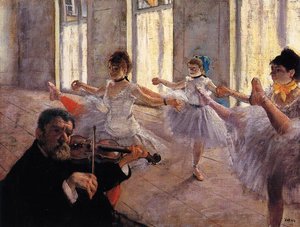
The Dance Class


Experience the intimate movement of Edgar Degas's Impressionist masterpiece The Dance Class, a captivating glimpse into a 19th-century ballet studio that invites you to bring this timeless elegance into your own collection.
 Läs mer
Edgar Degas: En revolutionär fransk konstnär känd för sina fängslande balettdansare, parisiska scener och innovativa tekniker – en sann mästare av modern konst.
Giclée / Konsttryck
Giclée- eller canvasprint av museumskvalitet med snabb produktion och flexibla ytbehandlingsalternativ. ( Köp handmålat konstverk Byt till digital bildförsäljning)




P118B Skr10

P118H Skr10

P118W Skr10

P438Z Skr10

P508JH Skr12

P508YH Skr12

P805H Skr10

P805Z Skr10

P919BZ Skr10

P919G Skr10

P919XJ Skr10

P959ZH Skr10

P968JZ Skr12

W106C Skr8

W218G Skr10

W218JH Skr8

W218Y Skr10

W307PJ Skr10

W316G Skr10

W316PJ Skr8

W316Y Skr10

W398PJ Skr8

W4111J Skr10

W500HY Skr15

W500JH Skr15

W692G Skr12

W849H Skr8

W940BG Skr15

W953PJ Skr8




Standardstorlek
anpassad
CM
INCH
Välj bland våra förinställda storlekar som motsvarar konstverkets ursprungliga proportioner.
Loading sizes...

bredd
höjd
Ange den bredd och höjd du behöver, för att passa din ram eller din vägg. Ett tryck kan endast beskäras, aldrig göras större än bilden, vilket innebär att ett format med en annan formform leder till att en del av bilden går förlorad. Vi skickar en digital mockup för godkännande innan vi trycker något. Bilden som visas på denna sida visar inte den faktiska beskärningen — det är endast mockuppen som gör det.
Leverans över hela världen () på 2 veckor istället för standard 4/5 veckor. (25 oktober)

Fri expressfrakt över hela världen

Högkvalitativ linnecanvas

Fullständig fraktförsäkring

Garantier för återbetalning av tullavgifter

Garantier för exakt färgåtergivning

100 dagars returrätt vid fabrikationsfel

100% pengarna tillbaka-garanti

Mängdrabatt erbjuds
 Glasalternativet är endast tillgängligt i storlekar under 110 cm.

The Dance Class
Giclée / Konsttryck
Reproduktionsstorlek
-


Totalpris
Skr 684
A Glimpse into the Soul of the Studio
To step into Edgar Degas’s “The Dance Class” is to transcend the boundaries of time and enter a sanctuary of disciplined grace. Painted around 1873, this masterpiece does not merely present a scene of balletic rehearsal; it offers an intimate, almost voyeuristic window into the quiet intensity of the dance studio. Unlike the grand, staged spectacles often associated with the opera, Degas directs our gaze toward the unvarnished reality of practice. Here, we witness the subtle tension of a muscle stretching, the focused exhaustion of a young dancer, and the rhythmic, everyday motions that define the life of a performer. It is a profound distillation of movement, where the stillness of a captured moment meets the breathless energy of impending motion.
The composition is a masterclass in unconventional perspective, reflecting Degas’s fascination with the spontaneous snapshots of modern life. Eschewing the rigid symmetry of traditional academic painting, he employs an asymmetrical arrangement that places the dancers slightly off-center, creating a sense of dynamic imbalance. The viewer feels less like a spectator in a theater and more like an unobserved guest standing in the corner of the room. Through the clever use of diagonal lines—formed by the receding floorboards—and a doorway that draws the eye deeper into the background, Degas creates a sprawling, immersive space. This architectural depth allows the figures to overlap and recede, mimicking the natural, cluttered flow of a working studio.
The Harmony of Light and Texture
Degas’s technical prowess is most evident in his ability to marry Impressionistic light with Realist precision. The color palette is remarkably restrained, a sophisticated blend of muted whites, warm beiges, and pale greens, punctuated by the delicate, fleeting touches of rose pink and canary yellow found in the dancers' tutus. This tonal subtlety avoids jarring contrasts, instead fostering a sense of atmospheric harmony that feels soft and natural. The lighting appears to filter through unseen windows, casting gentle shadows that define the volume of the figures and lend a three-dimensional weight to their forms.
Beyond color, the tactile quality of the work invites a sensory response. Through visible, purposeful brushstrokes, Degas captures the contrasting textures of the studio environment: the airy, fragile lightness of the tulle fabric against the solid, weathered grain of the wooden floor. This interplay of textures enhances the painting's realism, making the scene feel tangible and alive. For the collector or interior designer, this piece offers a unique versatility; its muted tones allow it to integrate seamlessly into a variety of sophisticated decor styles, from classical elegance to modern minimalism, while its rich texture provides a focal point of profound character.
An Enduring Legacy of Emotion and Observation
At its heart, “The Dance Class” is an exploration of the human condition through the lens of artistic pursuit. While Degas famously resisted the "Impressionist" label, preferring to identify as a Realist, this work embodies the best of both worlds. It captures the fleeting, ephemeral light of a moment while remaining anchored in the gritty, honest truth of daily labor. There is a palpable sense of nostalgia within the frame—a quiet observation of a bygone era of Parisian culture—yet the emotional resonance remains strikingly modern. The painting evokes feelings of intimacy, discipline, and the solitary struggle for perfection.
For those seeking to adorn their spaces with art that inspires contemplation, this reproduction serves as more than just decoration. It is an invitation to appreciate the beauty found in the mundane and the extraordinary strength required for grace. Whether placed in a sunlit gallery or a quiet study, Degas’s vision continues to captivate, offering a timeless window into the rhythmic heart of the dance.
Frågor och svar
Vilket motiv och vilken atmosfär förenar "The Dance Class" av Hilaire-Germain-Edgar Degas?
"The Dance Class" visar ballet class, dance studio, movement, observation, light, texture, realism och dess förmedlade stämning är Calm.
Var kan jag ladda ner "The Dance Class" av Hilaire-Germain-Edgar Degas?
En nedladdning finns tillgänglig för "The Dance Class": verkets Ladda ner-sida erbjuder en högupplöst digital bildnedladdning.
Vilken är den emotionella tonen i "The Dance Class" av Hilaire-Germain-Edgar Degas?
"The Dance Class" förknippas med en Reflective känsla. Den emotionella tonen beskriver det intryck som verket förmedlar.
Liknande konstverk



Om konstnären
A Life Immersed in Movement
Edgar Degas, född Hilaire-Germain-Edgar De Gas i Paris 1834, var en konstnär vars liv och verk präglades av fascinerande motsägelser. Även om han ofta grupperades med Impressionisterna – Monet, Renoir och andra som revolutionerade måleriet under det sena 1800-talet – förnekade han aktivt den etiketten, identifierandes istället som en realist. Denna engagemang härröt från hans noggranna observation av världen omkring honom och en dedikation till att porträttera den med obönhörlig ärlighet. Degas’s tidiga liv var präglat av en bekväm bourgeois bakgrund; hans far var bankir, och hans mor kom från en kreol familj i New Orleans. Detta gav honom tillgång till utbildning och konstnärliga träningsmöjligheter, även om han ofta kände sig begränsad av akademiska normer. Han började först vid Lycée Louis-le-Grand, men sin verkliga utbildning inleddes när han började kopiera verk i Louvren, finslipade sina färdigheter och tändes en livslång passion för klassisk konst. Dock var Degas’s väg inte en av strikt tradition – den präglades av ständig ifrågasättande och omvärdering av konstnärliga normer. Han besatt ett självständigt sinne som skulle definiera hela hans karriär.Beyond Impressionism: A Unique Artistic Vision
Medan samtida konstnärer som Monet jagade de flyktiga effekterna av ljus utomhus, arbetade Degas i stort sett inom gränserna för sitt ateljé, noggrant konstruerade scener från observation och minne. Hans motiv var definitivt moderna – ett avståndstagande från de historiska eller mytologiska teman som många akademiker målade. Han hittade inspiration i det vardagliga livet i Paris: tvättarinnor, kabarésångerskor, hattmakare och, framför allt, dansare. Det är denna fascination för balett som definierar mycket av hans oeuvre. Degas målade inte bara vackra balettdansare; han fångade den utmattande verkligheten i deras yrke – de oändliga repetitionerna, den fysiska ansträngningen, de flyktiga ögonblicken av grace mittemot en värld av hårt arbete. Hans kompositioner är ofta konventionella, placerar figurer på oväntade sätt och använder asymmetriska arrangemang som skapar en känsla av dynamik och omedelbarhet. Han var en mästare på att fånga rörelse, inte genom suddiga linjer eller dimhöljda effekter, utan genom noggrann observation och omsorgsfull återgivning av form. *Dancer, A Group of Dancers* och *Women Combing Their Hair* är exempel på denna dedikation till att porträttera den mänskliga figuren i rörelse och avslöja komplexiteten i det moderna livet. Han var inte intresserad av ytlig skönhet; han sökte efter sanningen under ytan.Influenser och Konstnärlig Utveckling
Degas konstnärliga resa formas av en mångfald av inflytanden. Hans tidiga utbildning betonade klassiska principer, särskilt arbetet hos Jean-Auguste-Dominique Ingres, vars betoning på skicklighet och exakt form lämnade ett bestående intryck. Men Degas beundrade också realismen, som Gustave Courbet, som utmanade akademiska konventioner och förespråkade porträtt av samtida liv. Ett avgörande ögonblick i hans utveckling kom genom hans association med Camille Pissarro, en ledande impressionist som introducerade honom till andra konstnärer och uppmuntrade honom att experimentera med nya tekniker. Han fascinerades av japanska prints – Ukiyo-e – vilka påverkade hans användning av asymmetriska kompositioner, platt perspektiv och djärva mönster. Han omfamnade också fotografi, erkände dess potential som ett verktyg för att studera rörelse och fånga flyktiga ögonblick i tiden. Denna vilja att integrera olika inflytanden i sitt arbete är det som skiljer Degas från andra och bidrar till hans konstverk unika karaktär. Han var inte rädd för att låna från olika källor, syntetisera dem till något helt nytt.Huvudsakliga prestationer och historisk betydelse
Edgar Degas dog i Paris 1917, lämnade efter sig ett konstverk som fortsätter att fängsla och inspirera publiken idag. Hans innovativa syn på komposition, hans mästerliga skicklighet och hans obönhörliga porträtt av det moderna livet har haft en djupgående inverkan på konsthistoriens gång. Han banade vägen för framtida generationer konstnärer som sökte bryta sig loss från traditionella normer och utforska nya sätt att representera världen omkring dem. Hans inflytande kan ses i arbetet hos Pablo Picasso och Henri Matisse, bland andra. Museer över hela världen – inklusive Musée d'Orsay och Musée de l’Orangerie i Paris – huserar betydande samlingar av hans målningar, pasteller, skulpturer och tryck, vilket säkerställer att hans arv kommer att bestå för kommande generationer. Degas var inte bara en målare av dansare eller hästar; han var en skarp observatör av mänsklig natur, en mästare på form och rörelse och en sann innovatör som omskapade konstens möjligheter.
Hilaire-Germain-Edgar Degas
1834 - 1917 , Frankrike
Snabbfakta
- Artistic Movement Or Style: Impressionism, Realism
- Artists Or Movements Influenced By This Artist:
- Picasso
- Manet
- Artists Who Influenced This Artist:
- Ingres
- Courbet
- Date Of Birth: 1834
- Full Name: Hilaire-Germain Edgar De Gas
- Nationality: Fransk
- Notable Artworks:
- Danskare i vingen 1
- Nedstigning av luckan
- Place Of Birth: Paris, Frankrike
Relaterade artiklar

Soft Light & Velvet Touch: The Ethereal Magic of Pastel Artistry in Impressionist Masterpieces
Discover the ethereal beauty of pastel art through an Impressionist lens. Explore how masters like Monet and Renoir captured light and velvet textures, and learn to curate a collection of luminous, museum-quality masterpieces for your home.

10 Masterpieces Defined by Earthy Driftwood Tones
Immerse yourself in the serene beauty of earthy driftwood tones. Explore 10 iconic masterpieces, from Impressionist landscapes to timeless classics, and find inspiration for your decor with museum-quality reproductions. Discover all masterpieces on TopImpressionists.com.

Mastering Movement: The Top 25 Iconic Artworks by Edgar Degas
Step into the world of Edgar Degas. Explore 25 iconic masterpieces, from graceful ballet dancers to intimate Parisian scenes. Discover the stories and techniques behind these Impressionist treasures and find museum-quality reproductions for your decor. Explore the full collection on TopImpressionists.com.
Utforska konstverk sorterade efter tema, stil och egenskaper.


