


 Förhandsvisa
 Skicka
 Dela
Dela
 Visa detaljer
 Guide
Guide

 Ladda ner
 Liknande objekt
 Röntgen
 Bildspel
 Q&A
Q&A Statistik
Ecce Homo (Christ and the Critics)

James Ensor’s ‘Ecce Homo (Christ & Critics)’ – a haunting expressionist painting exploring judgment & faith. Discover its symbolism, unique style & enduring relevance.
 Visa mer
Upptäck James Ensor (1860-1949), belgisk konstnär pionjär inom expressionism & surrealism. Följ med på en resa genom hans kusliga värld av masker, karnevaler och skelett.
Giclée / Konsttryck
Giclée- eller canvasprint av museumskvalitet med snabb produktion och flexibla ytbehandlingsalternativ. ( Beställ handmålad reproduktion Byt till digital bild)




P118B Skr10

P118H Skr10

P118W Skr10

P438Z Skr10

P508JH Skr12

P508YH Skr12

P805H Skr10

P805Z Skr10

P919BZ Skr10

P919G Skr10

P919XJ Skr10

P959ZH Skr10

P968JZ Skr12

W106C Skr8

W218G Skr10

W218JH Skr8

W218Y Skr10

W307PJ Skr10

W316G Skr10

W316PJ Skr8

W316Y Skr10

W398PJ Skr8

W4111J Skr10

W500HY Skr15

W500JH Skr15

W692G Skr12

W849H Skr8

W940BG Skr15

W953PJ Skr8




Standardstorlek
skräddarsydd
CM
INCH
Välj bland våra förinställda storlekar som motsvarar konstverkets ursprungliga proportioner.
Loading sizes...

bredd
höjd
Ange den bredd och höjd du behöver för att passa din ram eller vägg. Ett tryck kan endast beskäras, aldrig göras större än originalbilden, vilket innebär att ett format med en annan proportion leder till att en del av bilden går förlorad. Vi skickar en digital mockup för godkännande innan vi påbörjar tryckningen. Bilden som visas på denna sida visar inte den faktiska beskärningen — det är endast mockuppen som gör det.
Leverans över hela världen () på 2 veckor istället för standard 4/5 veckor. (29 oktober)

Fri expressfrakt över hela världen

Högkvalitativ linnecanvas

Fullständig fraktförsäkring

Garantier för återbetalning av tullavgifter

Garantier för exakt färgåtergivning

100 dagars returrätt (endast vid fel)

100% pengarna tillbaka-garanti

Mängdrabatt erbjuds
 Glasalternativet är endast tillgängligt i storlekar under 110 cm.

Ecce Homo (Christ and the Critics)
Giclée / Konsttryck
Storlek på reproduktion
-


Slutgiltigt pris
Skr 690
A Confrontation of Faith and Critique: Unveiling James Ensor’s *Ecce Homo (Christ and the Critics)*
James Ensor, a pivotal figure bridging 19th-century Symbolism and early 20th-century Expressionism, delivers a powerfully unsettling statement in *Ecce Homo (Christ and the Critics)*. This work isn't merely a painting; it’s a visceral exploration of judgment, societal hypocrisy, and the enduring struggle between faith and skepticism. Born from a period of intense personal turmoil and social upheaval, Ensor’s masterpiece continues to resonate with contemporary audiences, prompting reflection on our own tendencies toward scrutiny and condemnation.Subject Matter & Narrative
The painting presents a starkly intimate scene featuring three male figures. A central figure, draped in what appears to be classical attire and adorned with a laurel wreath – symbols traditionally associated with victory or sanctity – holds a single red rose. He is the focal point of intense scrutiny from two onlookers. One observer sports modern spectacles and a mustache, grounding the timeless narrative within a contemporary context. The composition immediately establishes a dynamic tension: one figure presented, seemingly vulnerable, and two others engaged in critical observation. This arrangement directly references the biblical *Ecce Homo* ("Behold the Man") moment when Pontius Pilate presents Jesus Christ to the crowd before his crucifixion, setting the stage for a profound meditation on judgment and persecution.Artistic Style & Technique
Ensor’s style in this work is distinctly Expressionist, characterized by bold brushstrokes, vibrant yet often unsettling color palettes, and deliberate distortions of form. The figures aren't rendered with photographic realism; instead, their features are exaggerated to convey emotional intensity and psychological depth. This expressive approach prioritizes the *feeling* of the scene over precise representation. The painting’s texture is rich and layered, suggesting a build-up of both paint and emotion. While details regarding the specific technique (oil on canvas) are known, the photo description suggests watercolor influences in its blending and surface quality – hinting at Ensor's experimental approach to media.Symbolism & Interpretation
The symbolism within *Ecce Homo* is multi-layered and deliberately provocative. The red rose, traditionally associated with Christ’s passion and sacrifice, becomes a poignant symbol of vulnerability in the face of judgment. The laurel wreath hints at both honor and potential martyrdom. The modern attire of one critic suggests that this critique isn't confined to biblical times but is an ongoing human tendency. Ensor masterfully uses these symbols to challenge viewers to consider their own roles as observers and judges. Is society quick to condemn those who embody virtue or difference? The very title, echoing Pilate’s presentation of Christ, underscores the theme of societal judgment and its potential for cruelty.Historical Context & Ensor's Vision
Born in 1860, James Ensor lived through a period of rapid social and political change. He was deeply critical of bourgeois society, religious hypocrisy, and the stifling conventions of his time. His art often served as a vehicle for satire and social commentary. *Ecce Homo* reflects this rebellious spirit, challenging traditional representations of Christ and questioning the motives behind societal judgment. Ensor’s work anticipated many of the themes that would come to define Expressionism – alienation, anxiety, and the subjective experience of reality.Emotional Impact & Lasting Relevance
*Ecce Homo (Christ and the Critics)* is a deeply unsettling yet profoundly moving artwork. It evokes feelings of vulnerability, isolation, and moral discomfort. The painting’s enduring power lies in its ability to force viewers to confront their own biases and prejudices. It serves as a timeless reminder that judgment can be a destructive force and that empathy and understanding are essential for fostering a more compassionate world. This is not simply a historical piece; it's a mirror reflecting our contemporary struggles with acceptance, tolerance, and the courage to challenge societal norms.Collecting & Interior Design Considerations
A high-quality reproduction of *Ecce Homo* can serve as a striking focal point in any interior space. Its complex composition and rich symbolism lend themselves well to contemplative environments – libraries, studies, or living rooms designed for intellectual engagement. The painting’s muted color palette complements both modern and traditional décor styles. Its thought-provoking nature makes it an ideal conversation starter and a testament to the collector's appreciation for art that challenges and inspires.- Explore *Ecce Homo* at TopImpressionists.com
- Discover more works by James Ensor
- View *The Wise Judges* – another compelling work by Ensor
Frågor och svar
Kan jag beställa en oljereproduktion av "Ecce Homo (Christ and the Critics)"?
"Ecce Homo (Christ and the Critics)" finns tillgänglig som en handmålad oljereproduktion på linneväv. Du kan lägga din beställning på dess Handmålad reproduktion-sida, där du kan välja mellan olika storlekar.
Vilket stämningsläge uttrycker "Ecce Homo (Christ and the Critics)" av James Ensor inom Expressionism?
Den Melancholic känslan i "Ecce Homo (Christ and the Critics)" ackompanjeras av dess Expressionism-stil.
Vilken underliggande nyans genomsyrar "Ecce Homo (Christ and the Critics)" av James Ensor?
En Golden Yellow Range nyans går igenom "Ecce Homo (Christ and the Critics)" av James Ensor.
Konstnärsbiografi
A Life Immersed in Masks and Shadows: The World of James Ensor
James Sidney Edouard Ensor, Baron Ensor, född den 13 april 1860 i Ostend, Belgien, död den 19 november 1949 i samma stad, var en belgisk målare och grafiker – en konstnär vars verk präglades av en djupgående fascination för masker, illusioner och det mörka under ytan. Hans livsverk är ett fascinerande möte mellan engelsk och belgiskt arv, en barndom i en levande hamnstad och en konstnärlig resa som ledde honom bortom traditionella gränser och in i de mest obekväma och spännande territorierna inom den moderna konsten.Ensor föddes till ett familjeliv där hans far, James Frederic Ensor, var en välutbildad ingenjör från England, och hans mor, Maria Catherina Haegheman, var belgiskt härkomst. Denna kulturella blandning kan ha bidragit till den dualitet som genomsyrade hans konst – en ständig utforskning av identitet, maskering och det dolda. Hans barndom i Ostend, en livlig hamnstad fylld med karnevaler, souvenirbutiker och ovanliga föremål, var en central inspiration för hans framtida verk. Hans föräldrars butik, där de sålde skivor, masker och andra märkliga prydnadssaker, fungerade som ett levande museum – en kista av intryck som formade hans konstnärliga synvinkel.
From Somber Realism to Grotesque Visions
Ensor’s tidiga målningar återspeglar en mer traditionell stil, där han skildrade vardagliga scener i dämpade toner. Verk som *Russian Music* (1881) och *The Drunkards* (1883) visar en ung konstnär som kämpar med realismen, men även här finns antydningar om den obehagliga bildvärld som skulle komma. En avgörande vändpunkt inträffade när hans färgpalett ljusnade och hans motiv blev alltmer bisarra. Han började fylla sina dukar med karnevaler, skelett, dockor och allegoriska figurer – en värld präglad av fantasi och ofta nära det groteska. Detta var inte bara en stilistisk förändring; det var en medveten utforskning av de mörkare aspekterna av mänsklig existens, ett avståndstagande från samhällets normer och en omfamning av det irrationella.
Hans konstnärliga stil blev omedelbart igenkännbar genom sin kraftfulla penseldragning, livfulla färger och teaterliknande kvalitet – ett visuellt språk som var unikt för honom. Han använde sig ofta av stark kontrast mellan ljus och mörker, och hans verk är fyllda med en känsla av spänning och obekvämhet. Hans konst handlade inte om att bara representera verkligheten; det handlade om att avslöja den underliggande sanningen – ofta en skrämmande eller obehaglig sanning.
Key Works and Recurring Themes
Under sin långa karriär (han levde och arbetade i över 70 år) producerade Ensor ett antal verk som fortsätter att chockera och fascinera betraktare. *The Scandalized Masks* (1883) är ett tidigt exempel på hans fascination för maskeringens makt och dess förmåga att avslöja dolda känslor. Hans mest kontroversiella verk, *Christ’s Entry Into Brussels* (1888-1889), fortsätter att vara en kraftfull satir över religiös hyckleri och samhällets likgiltighet – ett målning som initialt möttes med hård kritik men nu betraktas som ett mästerverk. Bilden av Kristus som marscherar in i en stad full av groteska, maskerade figurer är en kraftfull kommentar till klyftan mellan andliga ideal och mänskligt beteende.
Andra betydande verk inkluderar *Skeletons Fighting over a Hanged Man* (1891), som utforskar teman kring död, förfall och livets absurditet, samt *Tribulations of Saint Anthony* (1887), som dyker ner i komplexa allegoriska teman om lockelse, synd och andlig kamp. Genom hela hans verk finns en återkommande utforskning av döden, samhällskritik, religiös satir och den oändliga kraften hos fantasin – teman som resonerar med en tidlös relevans.
A Pioneer of Modernism: Influences and Legacy
Även om Ensor motvilligt klassificerades, var hans konstnärliga arv komplext och fascinerande. Han erkände inflytanden från mästare som Pieter Bruegel den Äldre, vars trängselrika scener och moraliserande berättelser resonerade med hans egen vision, samt Francisco Goya, vars mörk humor och skoningslösa skildringar av mänskligt lidande lämnade ett bestående intryck. James Abbott McNeill Whistler’s betoning på estetik spelade också en roll i att forma hans konstnärliga känslor.
Men Ensor var inte bara en imitator; han syntetiserade dessa influenser till något helt nytt och originellt. Han är nu allmänt erkänd som en nyckelperson i övergången från 1800-talets symbolism till tidig 20:a århundradets expressionism och surrealism – en sann pionjär inom modern konst. Hans modiga utforskning av det undermedvetna, hans omfamning av groteska bilder och hans avståndstagande från akademiska normer banade väg för framtida generationer av konstnärer som vågade utmana konstens gränser. Trots initial motstånd fick han slutligen erkännande i sin senare ålder, där han blev baron av kung Alberts I beviljande 1929 och belönades med Légion d’honneur 1933.
Han dog i Ostend 1949, lämnade efter sig ett verk som fortsätter att fängsla, störa och inspirera. Hans arv består som ett testamente till konstens kraft att konfrontera obekväma sanningar och utforska djupet av den mänskliga erfarenheten.

James Ensor
1860 - 1949 , Belgien
Kortfakta
- Artistic Movement Or Style: Expressionism, Surrealism
- Artists Or Movements Influenced By This Artist:
- Expressionism
- Surrealism
- Artists Who Influenced This Artist:
- Bruegel d.ä.
- Goya
- Whistler
- Date Of Birth: 13 april 1860
- Date Of Death: 19 november 1949
- Full Name: James Sidney Edouard Ensor
- Nationality: Belgisk
- Notable Artworks:
- Maskerna i skandal
- Skelett...
- Kristi intrång...
- Place Of Birth: Ostend, Belgien
Relaterade artiklar

James Abbott McNeill Whistler: Topp 25 mästerverk för konstälskaren – TopImpressionists.com
Utforska James Abbott McNeill Whistlers 25 mest ikoniska verk – från stämningsfulla Nocturnes till gripande porträtt. Upptäck konsthistoria, tekniker och inspiration för din inredning. Köp reproduktioner av högsta kvalitet på TopImpressionists.com.

Sir Alfred James Munnings: Topp 25 mästerverk – Konst för hemmet & själen
Utforska Sir Alfred James Munnings 25 mest ikoniska målningar! Upptäck hästkonstens mästare, hans impressionistiska landskap & gripande krigskonst. Köp exklusiva konsttryck på TopImpressionists.com – för en tidlös inredning.

James Ensor's Grotesque Visions: Social Commentary & Artistic Innovation
Explore the unsettling yet captivating world of James Ensor, a pioneer of Expressionism. Discover his satirical masterpieces, symbolic imagery & lasting influence on modern art. High-quality reproductions available at TopImpressionists.
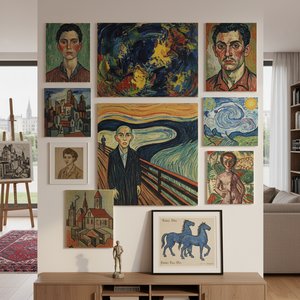
Expressionismens 10 Mästerverk: Konst som Berör Själv och Hem
Utforska expressionismens 10 mest ikoniska mästerverk! Lär känna Munch, Kirchner & Kandinsky. Upptäck historien bakom dessa färgstarka och emotionella konsttryck. Museumkvalitet på TopImpressionists.com – hitta din perfekta tavla online!
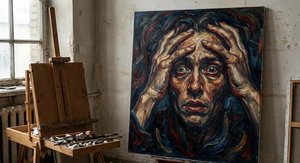
Figurative Expressionism: Emotional Intensity & Subjective Reality in 20th-Century Art
Explore the powerful world of Figurative Expressionism with TopImpressionists. Discover key artists like Kirchner & Beckmann, understand its emotional depth, and learn how to collect this influential 20th-century art movement.
Utforska konstverk sorterade efter tema, stil och egenskaper.


