


 Visa i rummet
 Skicka
 Dela
Dela
 Detaljer
 Studentguide för konstverk

 Ladda ner
 Liknande objekt
 Röntgen
 Bildspel
 Besökstatistik
Fruit
 Oil On Canvas
- WallArt
- Impressionism
 1888
1888- 19th Century
 54.0 x 44.0 cm
 Metropolitan Museum of Art
Admire Julian Alden Weir’s ‘Fruit’ (1888), a vibrant Impressionist still life featuring apples, oranges & grapes. Hand-painted reproduction – perfect for art lovers.
 Läs mer
Julian Alden Weir (1852-1919): En pionjär inom amerikansk impressionism, känd för sina lugna landskap och medlemskap i "The Ten". Besök Weir Farm National Historic Site!
Giclée / Konsttryck
Giclée- eller canvasprint av museumskvalitet med snabb produktion och flexibla ytbehandlingsalternativ. ( Köp handmålat konstverk Byt till digital bildförsäljning)




P118B Skr10

P118H Skr10

P118W Skr10

P438Z Skr10

P508JH Skr12

P508YH Skr12

P805H Skr10

P805Z Skr10

P919BZ Skr10

P919G Skr10

P919XJ Skr10

P959ZH Skr10

P968JZ Skr12

W106C Skr8

W218G Skr10

W218JH Skr8

W218Y Skr10

W307PJ Skr10

W316G Skr10

W316PJ Skr8

W316Y Skr10

W398PJ Skr8

W4111J Skr10

W500HY Skr15

W500JH Skr15

W692G Skr12

W849H Skr8

W940BG Skr15

W953PJ Skr8




Standardstorlek
anpassad
CM
INCH
Välj bland våra förinställda storlekar som motsvarar konstverkets ursprungliga proportioner.
Loading sizes...

bredd
höjd
Ange den bredd och höjd du behöver, för att passa din ram eller din vägg. Ett tryck kan endast beskäras, aldrig göras större än bilden, vilket innebär att ett format med en annan formform leder till att en del av bilden går förlorad. Vi skickar en digital mockup för godkännande innan vi trycker något. Bilden som visas på denna sida visar inte den faktiska beskärningen — det är endast mockuppen som gör det.
Leverans över hela världen () på 2 veckor istället för standard 4/5 veckor. (22 oktober)

Fri expressfrakt över hela världen

Högkvalitativ linnecanvas

Fullständig fraktförsäkring

Garantier för återbetalning av tullavgifter

Garantier för exakt färgåtergivning

100 dagars returrätt vid fabrikationsfel

100% pengarna tillbaka-garanti

Mängdrabatt erbjuds
 Glasalternativet är endast tillgängligt i storlekar under 110 cm.

Fruit
Giclée / Konsttryck
Reproduktionsstorlek
-


Totalpris
Skr 678
Julian Alden Weir’s “Fruit”: A Still Life of Transient Beauty
Julian Alden Weir's 1888 painting, "Fruit," offers a captivating glimpse into the burgeoning world of American Impressionism. More than just a depiction of apples, oranges, and grapes arranged on a table, it’s a meditation on beauty, decay, and the fleeting nature of existence – a core tenet of the *vanitas* tradition prevalent in European art at the time. Weir, born in West Point, New York, inherited an artistic lineage deeply rooted in formal training, beginning with his father's instruction at the United States Military Academy, yet it was his immersion in Parisian ateliers and encounters with artists like Jean-Léon Gérôme that truly ignited his distinctive style. This painting represents a pivotal moment in Weir’s artistic journey – a deliberate shift away from the rigid academicism of his early years towards a more subjective and emotionally resonant approach to capturing the world around him.
The composition itself is deceptively simple, yet meticulously crafted. The arrangement of the fruit—the vibrant red of the apples, the sunny yellow of the oranges, and the deep purple of the grapes – draws the eye immediately. Notice how Weir doesn’t strive for photographic realism; instead, he employs loose brushstrokes and a muted palette, prioritizing atmosphere and light over precise detail. The table, rendered with subtle tonal variations, provides a grounding element, anchoring the vibrant fruits within a sense of quiet contemplation. This deliberate choice reflects the influence of artists like Edouard Manet, whom Weir admired and whose work encouraged him to explore more intimate still lifes that evoked the *vanitas* tradition – a reminder of mortality and the transience of earthly pleasures.
The Influence of *Vanitas* and the Symbolism of Decay
“Fruit” is deeply informed by the *vanitas* genre, a popular theme in Northern European art during the 16th and 17th centuries. *Vanitas* paintings typically featured symbolic objects – skulls, decaying fruit, extinguished candles – to remind viewers of the inevitability of death and the futility of worldly pursuits. While Weir’s work isn't overtly morbid, the inclusion of ripe fruit on the verge of decay subtly conveys this underlying theme. The slightly bruised apple, for instance, hints at the passage of time and the ephemeral nature of beauty. The grapes, plump and luscious, represent abundance and pleasure, but their proximity to the decaying elements suggests that even these joys are ultimately transient.
Beyond *vanitas*, individual fruits carry specific symbolic weight. Apples have long been associated with knowledge, temptation, and immortality in Western art. Oranges, introduced to Europe from the East, represented wealth and luxury. Grapes symbolize abundance, fertility, and joy. Weir’s careful selection of these elements creates a layered visual narrative, inviting viewers to contemplate not just the beauty of the fruit itself, but also its deeper meaning.
Technique and Artistic Style
Weir's masterful technique is evident in his skillful use of light and shadow. He employs broken color—applying small dabs of paint rather than blending them smoothly—to create a sense of luminosity and atmospheric depth. The brushstrokes are loose and expressive, capturing the texture of the fruit’s skin and the sheen of its surfaces. This approach aligns with the Impressionist movement's emphasis on capturing fleeting moments and subjective perceptions. The painting is executed in oil on canvas, a medium that allowed Weir to achieve rich colors and subtle tonal variations.
Interestingly, this period of Weir’s work – the 1880s – saw him moving away from his earlier academic style and embracing a more intimate and emotionally driven approach. His connection with artists like Edouard Manet during his time in Paris undoubtedly played a role in this transformation. The painting's quiet elegance and contemplative mood reflect Weir’s growing confidence as an artist, signaling a shift towards a distinctly American brand of Impressionism.
A Reproduction for Art Lovers
TopImpressionists is proud to offer a meticulously hand-painted reproduction of Julian Alden Weir’s “Fruit.” This isn't merely a print; it’s a faithful recreation of the original, capturing the artist’s delicate brushwork and evocative atmosphere. The 54 x 44 cm size makes this piece ideal for adding a touch of timeless beauty to any room – from a cozy study to a sophisticated dining area. The subtle color palette and nuanced details will bring a sense of serenity and contemplation to your space, reminding you of the fleeting nature of beauty and the importance of appreciating the present moment. Explore our collection today and bring home a piece of art history.
Frågor och svar
Finns det en guide för "Fruit" av Julian Alden Weir?
Guiden till "Fruit" är konstverkets Guide-sida – ett utskrivbart faktablad som visar konstverket tillsammans med dess bildtext, källhänvisning och identitetstabell (konstnär, datum, medium, originalstorlek, samling).
Vilka är proportionerna för "Fruit" av Julian Alden Weir, och hur stor är den?
Formatet för "Fruit" är Portrait och originalet mäter 54 x 44 cm. Båda är användbara vid planering av en reproduktion.
Vilken färginstensitet har "Fruit" av Julian Alden Weir?
"Fruit" av Julian Alden Weir uppvisar en Monochromatic färgintensitet.
Liknande konstverk


Om konstnären
Early Life and Artistic Foundations
Julian Alden Weir, född den 30 augusti 1852 i West Point, New York, bar med sig en djupgående konstnärlig arv som formade hans liv och karriär. Hans far, Robert Walter Weir, var en respekterad målare och teckningsprofessur vid United States Military Academy, vilket från tidig ålder lade grunden för sonens fascination för konsten. Huset i sig var ett levande konstverk, fyllt av verktyg, inspiration och den kreativa atmosfären som präglade familjelivet. Denna omsorgfulla miljö utstrålades även till hans äldre bror, John Ferguson Weir, som själv blev en framstående landskapsmålare. Julian’s formella utbildning inleddes på National Academy of Design i New York City runt 1870, där han fick en solid grund i traditionella tekniker. Men det var hans resa till Paris 1873 som verkligen tände hans konstnärliga utveckling. Att studera under Jean-Léon Gérôme vid École des Beaux-Arts exponerade honom för akademisk rigor och minutiös detaljrikedom, medan vänskapsbanden med konstnärer som Jules Bastien-Lepage breddade hans perspektiv på vad måleriet kunde vara. Initialt hade Weir en stark aversion mot den framväxande impressionistiska rörelsen, och avfärdade dess upplevda brist på form och struktur som ”förfärligt”. Denna tidiga motvilja skulle visa sig vara avgörande, eftersom hans slutliga omfamning av impressionism kom inte från omedelbar acceptans utan snarare genom en gradvis utveckling av förståelse.The Connecticut Years and Artistic Transformation
En vändpunkt i Weir’s liv inträffade 1883 med hans giftermål med Anna Dwight Baker och den efterföljande flytten till Branchville, Connecticut. Han köpte en gård där, sökte ett lugn från det hektiska konstlivet i New York City. Denna lantliga miljö blev mer än bara en fristad; den var en källa till inspiration. De stilla landskapen, rytmen i jordbrukslivet och den intima kopplingen till naturen började subtilt förändra hans konstfokus. Även om han initialt fortsatte att producera porträtt och stilleben i en traditionell stil, fann Weir sig alltmer lockad av att fånga de flyktiga effekterna av ljus och atmosfär. Rundan 1891 blomstrade denna tendens ut i en fullständig omfamning av impressionism. Påverkats av konstnärer som John Twachtman och Theodore Robinson, började han experimentera med brutna penseldrag, livfulla färger och ett fokus på subjektiv perception. Detta var inte en total avfärd från hans tidigare utbildning; det var snarare en syntes av akademisk skicklighet med den innovativa andan i den nya rörelsen. Hans stil tenderade att svänga mellan ren impressionistisk uttryck och en mer dämpad tonalism, vilket skapade ett unikt visuellt språk som skiljde honom från sina samtida. Han visade också betydande talang som graverare, särskilt genom sin skickliga användning av aquatint-tekniker.A Leading Voice in American Art
Under slutet av 1800-talet hade Julian Alden Weir etablerat sig som en framstående figur i den amerikanska konstscenen. Han var nyckelfigur i att bilda “The Ten,” en grupp av oberoende konstnärer som sökte sin egen väg utanför de traditionella institutionernas begränsningar, såsom National Academy of Design. Denna kollektiv – inklusive konstnärer som Childe Hassam, Willard Leroy Metcalf och Edmund Tarbell – representerade ett betydande steg mot konstnärlig autonomi och hjälpte till att forma riktningen för amerikansk måleri. 1912 valdes han till president för Association of American Painters and Sculptors, vilket ytterligare befässtade hans ledarroll inom konstgemenskapen. Han tjänstgjorde senare som president för National Academy of Design själv, vilket visade den respekt han hade vunnit från både progressiva och konservativa krafter i konstvärlden. Hans nyckelverk från denna period – såsom *On the Shore* (1892), en livfull kustscen; *New England Barnyard* (1904), en charmig skildring av landsbygdslivet; och *Upland Pasture* (1905) – exemplifierar hans behärskning av impressionistiska tekniker och hans förmåga att fånga essensen av amerikanska landskap.Legacy and Enduring Influence
Julian Alden Weir’s bidrag sträcker sig bortom hans individuella målningar. Han spelade en nyckelroll i att brygga klyftan mellan traditionell akademisk måleri och den innovativa andan hos impressionismen, vilket banade väg för framtida generationer av amerikanska konstnärer. Hans engagemang för att främja konstnärlig autonomi genom “The Ten” utmanade etablerade normer och hjälpte till att skapa en mer levande och mångsidig konstvärld. Idag står Weir Farm National Historic Site i Branchville, Connecticut, som ett testamente till hans liv och verk. Den bevaras såsom den var under hans tid, erbjuder besökare en glimt av den värld som inspirerade honom – de böljande kullar, de väderbitna ladugårdarna och den tysta skönheten i det amerikanska lantbruket. Platsen fungerar inte bara som ett historiskt landmärke utan också som en fortskridande källa till inspiration för konstnärer idag. Hans familjs konstnärliga arv – härledd från hans far Robert Walter Weir, en Hudson River School-målare – cementerar ytterligare Julian Alden Weirs plats i den bredare historien om amerikansk konst. Han dog i New York City den 8 december 1919, lämnande efter sig ett verk som fortsätter att fängsla och inspirera, och påminner oss om konstens kraft att fånga skönheten och essensen av världen omkring oss.
Julian Alden Weir
1852 - 1919 , USA
Snabbfakta
- Artistic Movement Or Style: Impressionism, Tonalism
- Artists Or Movements Influenced By This Artist:
- The Ten
- Hudson River School
- Artists Who Influenced This Artist:
- Gérôme
- Bastien-Lepage
- Date Of Birth: 30 aug 1852
- Date Of Death: 8 dec 1919
- Full Name: Julian Alden Weir
- Nationality: Amerikansk
- Notable Artworks:
- On the Shore
- Barnyard
- Pastur
- Place Of Birth: West Point, USA
Relaterade artiklar

The Timeless Charm of Oil on Board: Reimagining Texture and Light through the Impressionist Lens
Discover the profound intimacy of oil on panel. Explore how Impressionist masters used rigid supports to capture light, texture, and impasto depth through exquisite, handmade oil reproductions for discerning collectors.

The Soul of Impressionism: Why Oil on Canvas Captures Eternal Light and Timeless Emotion
Discover the enchanting alchemy of Impressionism. Explore how the mastery of oil on canvas, through glazing and impasto, captures eternal light and emotion. Perfect for lovers of Monet and Van Gogh seeking the profound depth of hand-painted fine art.

Enchanting Strokes: Unveiling the Luminous Magic and Timeless Soul of Impressionist Masterpieces
Immerse yourself in the luminous beauty of Impressionism. TopImpressionists.com offers exquisite, hand-painted oil reproductions of masters like Monet and Van Gogh. From museum-quality landscapes to bespoke portraits from photos, we bring timeless artistry and soul to your collection.
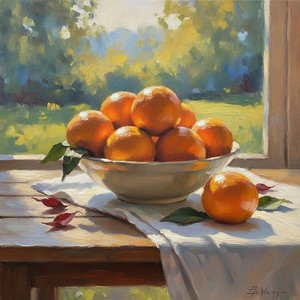
Sun-Drenched Citrus: The Vibrant Beauty of Oranges in Impressionist Masterpieces
Embark on a sensory journey through Impressionist masterpieces. Discover how Renoir and Cézanne captured the vibrant light and luscious textures of sun-drenched oranges in exquisite still life paintings designed to inspire and transform your home.

Moonlight Magic: Capturing the Luminous Glow of Impressionist Nightscapes
Discover the ethereal beauty of Impressionist nightscapes. Explore how masters like Monet and Van Gogh captured moonlight through luminous oil textures. Expert insights for collectors seeking museum-quality, handmade reproductions to transform their homes with timeless nocturnal magic.