Visa i rummet
 Skicka
 Dela
Dela
 Detaljer
 Studentguide för konstverk

 Ladda ner
 Liknande objekt
 Röntgen
 Bildspel
 Besökstatistik
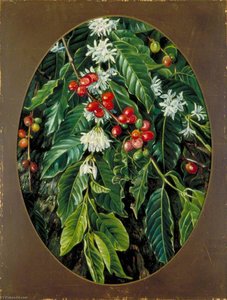
The Papyrus
 Oil On Canvas
- WallArt
- Northern Renaissance
 1880
1880 107.0 x 44.0 cm
 Marianne North Gallery
Discover 'The Papyrus' by Marianne North – a stunning 1880 botanical oil painting showcasing intricate *Oenanthe* plants in a Dutch Golden Age style. Explore Victorian art & natural beauty.
 Läs mer
Marianne North (1830-1890): En pionjär konstnär och botaniker som målade exotiska växter över hela världen! Hennes galleri på Kew Gardens är ett fantastiskt minne.
Handgjord oljereproduktion
Handmålad olja på duk i din valda storlek och ram, tillverkad efter beställning av våra konstnärer. ( Byt till tryckta exemplar Byt till digital bildförsäljning)




P118B Skr10

P118H Skr10

P118W Skr10

P438Z Skr10

P508JH Skr12

P508YH Skr12

P805H Skr10

P805Z Skr10

P919BZ Skr10

P919G Skr10

P919XJ Skr10

P959ZH Skr10

P968JZ Skr12

W106C Skr8

W218G Skr10

W218JH Skr8

W218Y Skr10

W307PJ Skr10

W316G Skr10

W316PJ Skr8

W316Y Skr10

W398PJ Skr8

W4111J Skr10

W500HY Skr15

W500JH Skr15

W692G Skr12

W849H Skr8

W940BG Skr15

W953PJ Skr8




Standardstorlek
anpassad
CM
INCH
Välj bland våra förinställda storlekar som motsvarar konstverkets ursprungliga proportioner.
Loading sizes...

bredd
höjd
Ange den bredd och höjd du behöver för att passa din ram eller din vägg. Eftersom detta är handmålat kan konstnären vid en annan form måla lite mer runt bilden eller beskära den något – du väljer själv. Vi skickar en digital mockup för godkännande innan målningen påbörjas. Bilden som visas på denna sida representerar inte det slutgiltiga resultatet — det är endast mockuppen som visar det.
Exempel på vad som kan anpassas: Byt ut ansiktet mot ett foto av kunden; Lägg till ett husdjur (t.ex. byt ut en katt mot en hund); Inkludera ett dolt meddelande i bakgrunden; Ändra bakgrundens landskap eller element.
Efter beställning kommer TopImpressionists.com team att mejla kunden för instruktioner och tillhandahålla en skissförhandsvisning
Efter beställning kommer TopImpressionists.com team att mejla kunden för instruktioner och tillhandahålla en skissförhandsvisning
Leverans över hela världen () på 3–4 veckor istället för standard 5 veckor. (25 oktober). Inga kompromisser med kvaliteten.

Fri expressfrakt över hela världen

Högkvalitativ linnecanvas

Fullständig fraktförsäkring

Garantier för återbetalning av tullavgifter

Garantier för exakt färgåtergivning

100 dagars returrätt vid fabrikationsfel

100% pengarna tillbaka-garanti

Mängdrabatt erbjuds
 Glasalternativet är endast tillgängligt i storlekar under 110 cm.

The Papyrus
Tryckteknik
Reproduktionsstorlek
-


Totalpris
Skr 2666
A Window into a Lost World: Marianne North’s “The Papyrus”
Marianne North's "The Papyrus," painted in 1880, isn’t merely a botanical illustration; it’s a meticulously crafted portal to a bygone era of scientific exploration and artistic devotion. This captivating work, housed within the serene Marianne North Gallery at the Royal Botanic Gardens, Kew, transports the viewer to a verdant corner of Sicily, teeming with life and echoing with the quiet ambition of its creator. The painting immediately draws the eye with its vibrant palette – deep greens, earthy browns, and subtle blues – creating an atmosphere of tranquil beauty that belies the arduous journey undertaken by North herself.
At first glance, “The Papyrus” depicts a seemingly simple scene: a waterway lined with towering *Oenanthe* plants, commonly known as Egyptian rush. However, closer inspection reveals a remarkable level of detail and artistic skill. Each stalk is rendered with painstaking precision, capturing the delicate texture of its fibrous surface, while the seed heads are depicted in all their intricate glory. The artist’s mastery lies not just in her ability to accurately represent these plants but also in her talent for evoking their inherent beauty and vitality. It's a testament to North’s dedication – she spent years traversing continents, braving challenging terrains, and meticulously documenting the flora of remote regions.
The Victorian Adventurer: Marianne North’s Unconventional Path
To fully appreciate “The Papyrus,” one must understand the extraordinary life of its artist. Marianne North was a true pioneer – a woman who defied societal expectations and forged her own path as both a botanist and an accomplished painter. Born in 1830, she initially pursued a career as a vocalist but abandoned it after failing health led her to discover a passion for capturing the beauty of the natural world on canvas. Driven by a thirst for knowledge and a desire to explore the globe, North embarked on a remarkable series of expeditions throughout the late 19th century, venturing into jungles, mountains, and deserts – often alone and facing considerable hardship.
Her travels were not simply recreational; they were meticulously planned scientific endeavors. North carried with her an easel, paints, and brushes, documenting hundreds of plant species in their natural habitats. She wasn’t content to merely observe; she actively sought out rare specimens, carefully studying their morphology and distribution. This dedication resulted in a vast collection of botanical paintings – over 300 works that now form the core of the Marianne North Gallery at Kew. Her work stands as a remarkable record of global biodiversity, offering invaluable insights into the plant life of different regions.
Technique and Symbolism: A Dutch Golden Age Revival
North’s artistic style is deeply rooted in the conventions of Northern Renaissance painting, particularly the detailed botanical illustrations that flourished during the Dutch Golden Age. She employed a technique known as “glazing,” layering thin washes of oil paint to build up color and form gradually, creating a luminous and richly textured surface. This method allowed her to capture the subtle nuances of light and shadow, lending depth and realism to her subjects. The composition itself echoes the principles of Dutch still life painting – the careful arrangement of elements within a defined space, the use of dramatic lighting, and the emphasis on detail.
Beyond its technical merits, “The Papyrus” carries symbolic weight. It represents North’s unwavering commitment to scientific inquiry and her profound respect for the natural world. The *Oenanthe* plants themselves hold a certain significance – they were commonly used in ancient Egypt for medicinal purposes and as symbols of rebirth and regeneration. Furthermore, the painting can be interpreted as a celebration of Victorian exploration and discovery, reflecting a period of intense scientific curiosity and a growing awareness of the planet’s diverse ecosystems. The inclusion of elements reminiscent of the Rhind Mathematical Papyrus, a key document in ancient Egyptian mathematics, subtly connects North's work to a long tradition of human understanding and observation.
A Timeless Legacy: Bringing Nature Home
“The Papyrus” is more than just a beautiful painting; it’s a window into the life and mind of a remarkable woman. It invites us to contemplate the interconnectedness of art, science, and exploration, and to appreciate the enduring legacy of Marianne North's pioneering work. Reproductions of this masterpiece offer a stunning way to bring a touch of Victorian botanical artistry into any interior space – a reminder of the beauty and wonder that can be found in the natural world.
Frågor och svar
Finns det en AR-förhandsvisning för "The Papyrus"?
"The Papyrus" av Marianne North kan förhandsvisas på din egen vägg via konstverkets AR-förhandsvisning-sida med hjälp av förstärkt verklighet (AR) på en kompatibel enhet.
Vilken färginstensitet har "The Papyrus" av Marianne North?
Färgintensiteten i "The Papyrus" är Balanced. Intensitet beskriver hur starka färgerna upplevs.
Vilken storlek bör jag välja för tryck av "The Papyrus" till mitt rum?
Rekommenderad kombination för "The Papyrus" av Marianne North: ett tryck i storlek Medium för ett Living Room.
Om konstnären
A Victorian Adventurer in Bloom
Marianne North var en själslig frihet, en kvinna som bytte ut den förväntade bekvämligheten i viktoriansk hushållning mot ett liv av modiga utforskningar och konstnärlig hängivenhet. Född 1830 i en privilegierad familj i Hastings, England, var hennes tidiga väg tänkt att leda till musikaliska strävanden. Men sjukdom ledigt omdirigerade hennes passioner mot den ömtåliga konsten att måla blommor – en förändring som inte bara visade sig vara en tröst utan blev födelsen av en extraordinär existens levd helt på sina egna villkor. Medan många kvinnor i sin era var fångade inom salar och samhälleliga förväntningar, företog North en otrolig resa som skulle bära henne över kontinenter, omvandlande henne till både en hyllad konstnär och en självutbildad botaniker. Hennes historia är ett testamente till uthållighet, oberoende och en djupgående koppling till den naturliga världen – ett bevis på en själ som inte var bunden av konventioner.Från Botanisk Observation till Global Expedition
Åren efter hennes mors död 1855 var formativa, fyllda med omfattande resor genom Europa tillsammans med hennes far. Dessa äventyr skärpte hennes observeringsförmåga och kultiverade ett skarpt öga för landskap, vilket inställde en längtan som snart skulle blomstra till något mycket större. Efter sin fars död 1869 bestämde North sig för att helt och hållet ägna sig åt att måla floran i avlägsna länder – ett beslut som markerade ett avgörande ögonblick i hennes liv. Detta var inte bara en fråga om att fånga skönhet; det var en handling av vetenskaplig dokumentation, driven av en önskan att registrera den botaniska mångfalden i en värld som snabbt förändrades under inflytande av kolonialism och industrialisering. Redan 1871 började North en serie expeditioner som spände över nästan femton år, där hon begav sig till regioner lika olika som Kanada, Jamaika, Brasilien, Japan, Borneo, Indien, Australien och Nya Zeeland. Hon reste inte med vetenskapliga team eller officiell tursponsring utan finansierade sina äventyr själv, förlitar sig på sin familjs förmögenhet och en obeveklig vilja att följa sin konstnärliga vision. Hennes metod var noggrann: hon skulle fullständigt fördjupa sig i varje miljö, noggrant observera och skissa växterna innan de tolkades på canvas med stor precision och livfull färg. Hon var inte bara en besökare; hon blev en del av landskapen hon målade, absorberade deras essens och uttryckte dem genom sin konst. Denna omfattande resa, företagen av en kvinna under en tid som kraftigt begränsade kvinnans oberoende, är i sig ett bevis på hennes exceptionella karaktär.En Unik Konstnärlig Stil & Arv vid Kew
Norths konststil känns omedelbart igen för sin detaljerade realism och livfulla palett. Hon arbetade främst med olja – ett ovanligt val för botanisk illustration vid den tiden – och uppnådde en djup färg och textur som gav hennes motiv liv. Hennes målningar är inte sterila vetenskapliga representationer; de är fyllda med en känsla av atmosfär och plats, fångar inte bara växtens *form* utan också dess miljö och känslan av att vara fördjupad i den. Hon var inte bara en observatör; hon var en skapare som försökte fånga det flyktiga ögonblicket av naturens skönhet. Hennes konst är ett bevis på hennes noggrannhet, hennes förmåga att observera och återskapa detaljerade landskap och växter med stor precision. Hon använde sig av en unik teknik som kombinerade observationer med en stark känsla för färg och ljus. Hennes verk är inte bara vetenskapliga illustrationer utan också konstverk som fångar skönheten i naturen. En viktig del av hennes arv är galleriet tillägnat henne vid Kew Gardens i London. Erkännande av betydelsen av hennes samling – över 800 målningar som dokumenterar växter från hela världen – donerade North dem till Royal Botanic Gardens 1882, tillsammans med medel för att bygga ett dedikerat utställningsutrymme. Marianne North Gallery, öppnade samma år, är fortfarande den enda permanenta enskilda utställningen av en kvinna på Kew och fortsätter att inspirera besökare idag. Den står som ett kraftfullt tecken på hennes konstnärliga prestationer och hennes engagemang för att dela sina upptäckter med världen – ett levande testamente till ett liv levt i strävan efter skönhet och kunskap. Målningar som "Tegoro, Sarawak" exemplifierar detta, transporterar betraktare till frodiga regnskogar fulla av liv, medan verk som "On the Way from Tibet near Nagkunda, North India" fångar den dramatiska majestätet i de himalajiska landskapen med romantisk realism.Utmanande Konventioner & Bestående Inverkan
Marianne North var mer än bara en konstnär; hon var en pionjär som utmanade samhälleliga normer och utvidgade gränserna för vad som ansågs acceptabelt för kvinnor i viktorianskt England. Hennes oberoende resor, professionella karriär och engagemang för vetenskaplig observation var alla exceptionella prestationer för sin tid. Hon trotsade förväntningarna genom att avstå från äktenskap och istället forma sitt eget öde, driven av intellektuell nyfikenhet och konstnärligt passion. Hennes målningar är värdefulla historiska dokument som registrerar växtlivet vid en kritisk tidpunkt i historien – en period av snabb miljöförändring och kolonial expansion. De erbjuder insikter i de botaniska landskapen under 1800-talet och ger visuella bevis på arter som kanske nu är hotade eller utdöda. Hennes historia fortsätter att resonera idag, inspirerar konstnärer, vetenskapsmän och äventyrare att följa sina passioner med mod och beslutsamhet – ett verkligt testamente till en själ av oberoende och en livslång kärlek till den naturliga världen.Notable Works
- Foliage, Flowers and Fruit of the Cashew, Tanjore, India: En färgstark representation som visar de invecklade detaljerna i denna tropiska växt.
- Elephants, Exotic Fish, and Leaf Insect: Visar Norths förmåga att fånga inte bara flora utan också fauna inom deras naturliga habitat.
- Tegoro, Sarawak: Ett frodigt regnskogslandskap som exemplifierar hennes detaljerade realism och atmosfäriska skönhet.
- On the Way from Tibet near Nagkunda, North India: Fångar det dramatiska himalajiska landskapet med romantisk realism.
- Lake of Ajmere, North West India: En oljemålning som visar indiska berg och en lugn solnedgång.

Marianne North
1830 - 1890 , Storbritannien
Snabbfakta
- Artistic Movement Or Style: Victoriatiden
- Artists Or Movements Influenced By This Artist: ['Hooker']
- Artists Who Influenced This Artist: ['Hooker']
- Date Of Birth: 1830
- Date Of Death: 1890
- Full Name: Marianne North
- Nationality: Brittisk
- Notable Artworks:
- Tegoro Sarawak
- Lake Ajmere
- Place Of Birth: Hastings, Storbritannien
Relaterade artiklar

Golden Light & Dutch Skies: The Timeless Magic of Dutch Golden Age Landscapes
Discover the breathtaking beauty of Dutch Golden Age landscapes. Explore the mastery of light, chiaroscuro, and 17th-century realism through an expert art history lens, celebrating the enduring legacy of the Dutch Masters for discerning collectors and art lovers.

Mastering Light & Shadow: A Journey Through the Dutch Golden Age's Luminous Legacy
Embark on a cultural journey through the Dutch Golden Age. Explore the masterful interplay of light and shadow in 17th-century masterpieces, from Rembrandt to Vermeer, and discover how this era of profound realism continues to inspire fine art collectors today.
The Timeless Elegance of Victorian Botanical Painting: A Journey Through Nature's Intricate Detail and Scientific Artistry
Discover the exquisite world of Victorian botanical painting, where scientific precision meets profound aesthetic grace. Explore a journey through nature's intricate details, from legendary illustrators to the untamed beauty of Marianne North’s vibrant floral masterpieces.
Utforska konstverk sorterade efter tema, stil och egenskaper.