

 Förhandsvisa
 Skicka
 Dela
Dela
 Visa detaljer
 Guide
Guide

 Ladda ner
 Liknande objekt
 Röntgen
 Bildspel
 Frågor och svar
 Statistik
Köttets sång


Max Ernsts surrealist mästerverk 'Köttets sång' (1920) utforskar det undermedvetna med drömlika bilder och en unik stil. En fascinerande inblick i ett tidigt exempel på dadaism och surrealism.
 Visa mer
En surrealistisk pionjär känd för frottage och collage. Upptäck hans drömlika mästerverk idag.
Konstverket som visas på denna sida skyddas av upphovsrättslagen, vilket innebär att vi inte lagligt kan skapa eller sälja en identisk reproduktion. Detta skydd upprätthålls genom internationella avtal såsom den Bernkonventionen och genom nationella lagar, inklusive de som fastställs av Amerikansk upphovsrättslag – Titel 17. Alla rättigheter förbehållna. Återgivning av konstverk är förbjuden utan skriftligt tillstånd från WahooArt.
Denna metod följer fullt ut upphovsrättsliga regler eftersom den inte innebär kopiering eller duplicering av det skyddade konstverket. Istället är det en kreativ nytolkning – en ny målning som är influerad av originalet men inte identisk med det.
Giclée / Konsttryck
Giclée- eller canvasprint av museumskvalitet med snabb produktion och flexibla ytbehandlingsalternativ. ( Beställ handmålad reproduktion Byt till digital bild)




P118B Skr10

P118H Skr10

P118W Skr10

P438Z Skr10

P508JH Skr12

P508YH Skr12

P805H Skr10

P805Z Skr10

P919BZ Skr10

P919G Skr10

P919XJ Skr10

P959ZH Skr10

P968JZ Skr12

W106C Skr8

W218G Skr10

W218JH Skr8

W218Y Skr10

W307PJ Skr10

W316G Skr10

W316PJ Skr8

W316Y Skr10

W398PJ Skr8

W4111J Skr10

W500HY Skr15

W500JH Skr15

W692G Skr12

W849H Skr8

W940BG Skr15

W953PJ Skr8




Standardstorlek
skräddarsydd
CM
INCH
Välj bland våra förinställda storlekar som motsvarar konstverkets ursprungliga proportioner.
Loading sizes...

bredd
höjd
Ange den bredd och höjd du behöver för att passa din ram eller vägg. Ett tryck kan endast beskäras, aldrig göras större än originalbilden, vilket innebär att ett format med en annan proportion leder till att en del av bilden går förlorad. Vi skickar en digital mockup för godkännande innan vi påbörjar tryckningen. Bilden som visas på denna sida visar inte den faktiska beskärningen — det är endast mockuppen som gör det.
Leverans över hela världen () på 2 veckor istället för standard 4/5 veckor. (10 november)

Fri expressfrakt över hela världen

Högkvalitativ linnecanvas

Fullständig fraktförsäkring

Garantier för återbetalning av tullavgifter

Garantier för exakt färgåtergivning

100 dagars returrätt (endast vid fel)

100% pengarna tillbaka-garanti

Mängdrabatt erbjuds
 Glasalternativet är endast tillgängligt i storlekar under 110 cm.

Köttets sång
Giclée / Konsttryck
Storlek på reproduktion
-


Slutgiltigt pris
Skr 702
Max Ernst’s Psychedelic Dreamscape: “The Song of the Flesh”
Max Ernst’s “The Song of the Flesh,” painted in 1920, isn't merely a depiction of a beach scene; it’s an immersion into the subconscious, a vibrant collision of Dadaist rebellion and Surrealist exploration. This artwork, now beautifully reproduced on TopImpressionists.com, transcends simple representation, demanding that we confront the unsettling beauty of the irrational and the primal instincts lurking beneath our conscious awareness. Ernst, a pivotal figure in both movements, masterfully employs bold, almost jarring colors – ochres, blues, and greens – against stark black forms to create an atmosphere thick with tension and mystery. The composition itself is deliberately disorienting; a running dog clutching a frisbee becomes the focal point of this dreamlike tableau, surrounded by other dogs and a soaring bird, all set within a landscape that feels both familiar and utterly alien.
A Fragmented Reality: Dadaism and Surrealism Converge
To understand “The Song of the Flesh,” one must appreciate its roots in the turbulent artistic climate of the early 20th century. Following the devastation of World War I, artists sought to dismantle traditional notions of reality and beauty. Dadaism, with its embrace of absurdity and anti-art sentiment, paved the way for Surrealism – a movement dedicated to unlocking the power of dreams and the unconscious mind. Ernst’s work exemplifies this shift; he deliberately disrupts logical order, layering seemingly random elements into a cohesive, albeit unsettling, whole. The painting echoes techniques pioneered by artists like Pablo Picasso, but Ernst pushes beyond mere fragmentation, injecting a distinctly psychological dimension. The use of collage and assemblage, hallmarks of his style, further contributes to the sense of disjointedness and invites the viewer to actively participate in constructing meaning.
Symbolism and the Primal Instinct
Beyond its formal qualities, “The Song of the Flesh” is rich with symbolic potential. The dog, a recurring motif in Ernst’s work, often represents instinct, desire, and even aggression. Its frisbee – a symbol of playful pursuit – juxtaposed against its frantic run suggests a restless energy, a yearning for something just out of reach. The birds, soaring above the scene, could signify freedom or perhaps an unattainable ideal. The beach itself, typically associated with relaxation and tranquility, is rendered here as a stage for bizarre activity, hinting at the hidden anxieties beneath the surface of everyday life. Some art historians have linked the image to Freudian concepts of repressed desires and the unconscious, suggesting that Ernst was deliberately tapping into primal fears and longings.
Technique and Legacy
Ernst’s masterful technique is evident in every brushstroke. He employs a layered approach, building up textures and colors through multiple applications of paint – a process he perfected using his innovative “frottage” method, which involved rubbing paper over textured surfaces to create unexpected patterns. The painting's aged appearance, reminiscent of vintage photographs, adds to its dreamlike quality, as if it were unearthed from the depths of memory. “The Song of the Flesh” remains a cornerstone of Surrealist art, influencing generations of artists and continuing to fascinate viewers with its enigmatic beauty and unsettling power. Its reproduction on TopImpressionists.com offers an unparalleled opportunity to experience this iconic work firsthand, bringing Ernst’s visionary world into your home or studio.
Discover the Original & High-Quality Reproductions
Explore the full depth of Max Ernst's artistic vision with a hand-painted reproduction of “The Song of the Flesh” available at TopImpressionists.com. We offer a range of sizes and canvas materials to suit your individual taste and space. For further insights into Ernst’s life, techniques, and other remarkable works, visit our website or explore resources like the Prince of Wales's Own Regiment of Yorkshire Museum collection.
Frågor och svar
Hur är färgkompositionen i "Köttets sång" av Max Ernst uppbyggd?
Färgkompositionen i "Köttets sång" av Max Ernst förenar en Mild kontrast med en Stark färgmässig enhetlighet harmoni.
Hur samverkar medium och rörelse i "Köttets sång"?
"Köttets sång" av Max Ernst förenar tekniken Akryl på duk med stilen Surrealist Movement. Teknik och epok beskriver verkets utförande och stilistiska uttryck.
Tillhör "Köttets sång" av Max Ernst de mest eftertraktade verken inom Surrealist Movement?
"Köttets sång" av Max Ernst klassificeras som Ikonisk och tillhör Surrealist Movement-rörelsen.
Konstnärsbiografi
Max Ernst liv och ursprung
Max Ernst kom till världen den 2 april 1891 i Brühl, Tyskland. Han växte upp i en borgerlig katolsk familj som det tredje av nio barn. Hans uppväxt präglades av den lugna och disciplinerade atmosfären i hemmet, där hans far, Philipp, arbetade som lärare för döva. Philipp var även en amatörmålare, och det var genom honom som pojken för första gången kom i kontakt med konstens verktyg och utövande.
Vid 1909, under sin tid som student vid universitetet i Bonn, började Max Ernst att måla. Denna tidiga period i hans liv kännetecknades av ett växande intresse för den visuella världen, även om hans bana så småningom skulle expandera långt bortom duken. Han blev en konstnär som behärskade många olika medier; han verkade som målare, skulptör, grafikers, grafisk konstnär och poet. Hans tidiga år handlade mindre om att finna en enda riktning och mer om en rastlös nyfikenhet kring hur man kan gestalta både världen och det mänskliga sinnet.
Akademiska strävanden och tidiga konstnärliga influenser
Max Ernst väg mot konsten formades av en djup nyfikenhet på det mänskliga sinnet och tankens komplexa strukturer. Under sin tid vid universitetet i Bonn fokuserade han inte enbart på pensel och duk; istället ägnade han sin tid åt att studera filosofi, konsthistoria, litteratur, psykologi och psykiatri. Dessa ämnen gav honom ett ramverk för att förstå världen som sträckte sig långt bortom enkel estetik. Han var fascinerad av existensens underliggande orsaker och strävade efter att förstå psykets mekanismer och den mänskliga expressionens historia. Denna intellektuella grund skulle senare tillåta honom att röra sig bortom traditionell representation för att istället utforska de mer dolda och irrationella lagren av mänsklig erfarenhet.
Hans tidiga år präglades av en växande koppling till det konstnärliga communityt i Tyskland. År 1911 blev han en del av gruppen Die Rheinischen Expressionisten, en period i hans liv som definierades av sökandet efter ett helt nytt visuellt språk. En avgörande vändpunkt inträffade 1912 när han besökte Sonderbund-utställningen i Köln. Att få uppleva verken av Pablo Picasso, Vincent van Gogh och Paul Gauguin förändrade hans perspektiv fundamentalt. Dessa konstnärer erbjöd honom en väg att bryta sig loss från etablerade normer. Han fann sig dragen till deras angreppssätt, vilket satte honom på en kurs mot det radikala experimenterande som skulle komma att definiera hela hans konstnärskap.
Första världskrigets inverkan
Utbrottet av det stora kriget kom att fundamentalt splittra Max Ernst livsbana. Han inkallades till militärtjänst och tillbringade fyra år som soldat vid fronten. Som artillerist konfronterades han med de brutala realiteterna på både öst- och västfronten. Denna erfarenhet var mer än bara ett avbrott i hans studier; det var en djupgående psykologisk chock. Det kaos och den förstörelse han bevittnade lämnade honom djupt skakad, vilket födde en bestående skepticism mot den moderna världen och dess etablerade ordningar.
Konfliktens trauma var så absolut att det tycktes utplåna hans tidigare jag. I sin egen självbiografi skrev han om denna inre död med en häpnadsväckande klarhet, där han konstaterade att Max Ernst dog den 1 augusti 1914. Denna känsla av förlust och den efterföljande desillusionen skulle slutligen driva honom mot de radikala, antirationella uttryck som kännetecknade de rörelser som följde i krigets spår.
Dadaism och gruppen i Köln
Det stora krigets kaos lämnade Max Ernst med en djup skepticism inför den moderna världens strukturer. Vid 1919 års ingång fann denna desillusionering en röst i Köln, där han förenade sina krafter med Hans Arp och Johannes Theodor Baargeld för att grunda Kölns dadaistgrupp. Detta var en period av intensiv och rastlös skaparkraft. Tillsammans med sina nya följeslagare hjälpte han till att lansera kortlivade tidskrifter som Der Strom och die Schammade, där det skrivna ordet användes för att utmana gränserna för vad konst överhuvudtaget fick vara. Det var en tid av radikala skiften, både i hans konstnärliga produktion och i hans privatliv, då han 1919 gifte sig med konsthistoriestudenten Luise Straus.
Under dessa år började Max Ernst röra sig bort från det traditionella måleriet och fann istället ett nytt språk i montaget och sammanställningens konst. Han skapade sina första collage 1919, där han arbetade med bildfragment för att skapa något som var helt skilt från de ursprungliga delarna. Ett anmärkningsvärt tidigt exempel från denna period är Fiat modes, en portfölj med litografier som uppvisade hans växande intresse för dessa fragmenterade kompositioner. Dessa experiment var inte enbart stilistiska val; de utgjorde ett sätt att navigera i en värld som inte längre kändes sammanhängande eller rationell.
Den surrealistiska rörelsen i Paris
Vid 1922 hade den rastlösa energi som drivit hans dadaistiska år funnit ett nytt hem när Max Ernst flyttade till Frankrike. Han fann sin plats i Paris intellektuella kretsar och fann en känsla av tillhörighet bland surrealisterna. Han blev en del av en sammansvetsad grupp ledd av André Breton, en krets som strävade efter att kartlägga det mänskliga sinnets märkliga och outforskade territorier. Detta var en tid av intensivt samarbete och ett gemensamt syfte, där gränserna för vad konsten kunde representera ständigt förflyttades in i drömmarnas och det omedvetnas rike.
Hans närvaro i denna krets präglades av ett djupt engagemang för både det skrivna ordet och den visuella bilden. Han samarbetade med Paul Éluard i tidskriften Littérature, ett projekt som bidrog till att definiera rörelsens räckvidd. Dessa år kännetecknades av en ständig jakt på nya sätt att visualisera det irrationella. År 1924 förde hans nyfikenhet honom långt bortom Paris gator när han reste till Indokina, en erfarenhet som tillförde ytterligare lager till hans ständigt expanderande världsbild.
- Oedipus Rex
- Celebes
Innovativa tekniker och konstnärliga metoder
Max Ernst var en rastlös experimenter som ständigt strävade efter att kringgå det medvetna sinnets kontroll. Han sökte ofta efter sin bildvärld i det oavsiktliga och slumpmässiga. Detta ledde honom till utvecklingen av frottage, en metod där han placerade papper över texturerade ytor och gnuggade dem med blyerts eller kol. Denna enkla gnuggande handling lät oväntade former framträda ur träets ådring eller ett blads ränder. Han vidareutvecklade denna idé genom grattage, en process där han skrapade färg över duken för att avslöja texturerna hos föremål som placerats undertill. Dessa metoder gjorde det möjligt för honom att skapa landskap som kändes både organiska och djupt främmande.
Hans fascination för det irrationella ledde honom även till decalcomania. Genom att pressa färg från en yta till en annan uppnådde han drömlika förvrängningar och skiktade effekter som tycktes ha stigit fram direkt ur en dröm. Han var även en mästare på collage, där han med stor omsorg sammanställde disparata element – såsom vetenskapliga illustrationer eller utklipp från tidningar – till kompositioner som utmanade vår perception av verkligheten. Han målade inte bara en scen; han konstruerade den av fragment från den värld som omgav honom.
- The Elephant Celebes (1921)
- Europe after the Rain II (1942)
- The Robing of the Bride (1940)
Symboliken kring fåglar och Loplop
En märklig, personlig fixering vid fåglar följde Max Ernst genom hela hans liv. Det rörde sig inte om ett enkelt intresse för naturen, utan snarare en djupt rotad besatthet som sprang ur ett barndomsminne. Han mindes ett ögonblick då hans favoritfågel dog precis samtidigt som hans yngre syster föddes. Denna slumpmässiga sammanträffande tycktes i hans sinne smälta samman föreställningarna om liv och död, vilket förvandlade fåglar till symboler som bar på både varsel och mysterium. Han betraktade dem ofta som varelser som kunde överbrygga gapet mellan den mänskliga erfarenheten och det övernaturliga.
Denna fascination antog till slut en fysisk, nästan psykologisk form genom ett fågelliknande, freudianskt alter ego som han kallade Loplop. Denna karaktär var mer än bara ett återkommande motiv; den var en vägvisare genom hans sinnets landskap. Loplop gjorde sitt första formella framträdande i hans kollage-roman från 1929, La Femme 100 Têtes. I det verket agerade fågeln som en berättare som ledde läsaren genom en serie sammanställda bilder och fragmenterade verkligheter. Genom Loplop fann Max Ernst ett sätt att personifiera det undermedvetnas irrationella impulser, och gav ett ansikte – eller en näbb – åt de delar av sig själv som trotsade logiken.
- Forest and Dove
Exil och livet i USA
Andra världskrigets skuggor nådde till slut även konstnärens fristad i Frankrike. År 1938 vände det politiska klimatet skarpt mot honom, och han internerades i Camp des Milles nära Aix-en-Provence. Denna period av instängdhet var en tung börda, särskilt då nazistregimen stämplade honom som en oönskad utlänning. Osäkerheten kring hans situation växte i takt med att kriget intensifierades, vilket tvingade fram ett beslut att lämna det liv han byggt upp i Europa bakom sig.
En väg mot säkerhet öppnade sig genom Peggy Guggenheims hjälp. År 1941 flydde han till New York och anlände till en stad som höll på att bli en fristad för många av hans samtida. Denna flytt var mer än bara ett miljöombyte; det var en total förflyttning. Han och Guggenheim gifte sig 1942 och fann en känsla av stabilitet i varandra mitt i tidens kaos. Under sin tid i USA fortsatte han att experimentera med sina metoder och fann nya sätt att översätta det undermedvetnas texturer till duken.
- Napoleón en el desierto (1941)
- Day and Night (1941)
- Europe after the Rain II (1942)
Senare år och sista verk
Efter år av liv i USA återvände Max Ernst till Paris 1953. Denna hemkomst markerade en period av betydande erkännande för hans livslånga experimenterande. År 1954 tilldelades han det stora priset för måleri vid den 27:e Venedigbiennalen. Hans närvaro i konstvärlden förblev stadig medan han fortsatte att utforska sitt mediums gränser långt in i sina senare år.
Hans nyfikenhet ledde honom ofta mot material som kändes både sköra och beständiga. År 1966 skapade han ett schackspel i glas med titeln Immortel. Detta verk speglade hans förmåga att finna magi i föremåls fysiska egenskaper, mycket likt de texturer han under decennier hade avtäckt genom att gnugga och skrapa. Han förblev aktiv i sitt skapande ända fram till sin död i Paris den 1 april 1976.
Var man kan se hans verk idag
Att spåra Max Ernsts rastlösa fantasi kräver en resa genom flera av världens stora kulturella nav. I Venedig rymmer Peggy Guggenheim Collection verk som speglar hans djupa koppling till den surrealistiska kretsen. Hans närvaro kan även förnimmas i salarna på Metropolitan Museum of Art, där hans experiment med textur och form bevarats för dem som studerar det tidiga 1900-talets skiftande konstlandskap.
Resenärer kan även möta hans konst i Edinburgh på National Galleries of Scotland, där samlingen erbjuder en möjlighet att se hans vision på nära håll. Andra betydelsefulla samlingar återfinns i Staatsgalerie Stuttgart och Tel Aviv Museum of Art, vilket säkerställer att hans inflytande förblir tillgängligt över olika kontinenter. Dessa institutioner håller hans fysiska arv vid liv och låter oss betrakta de faktiska ytor som han skrapade och gnuggade för att frammana sina bilder.
- The Entire City (omkring 1936)
- Europe after the Rain II (1942)
- The Robing of the Bride (1940)
- Oedipus Rex (1922)
- The Elephant Celebes (1921)

Max Ernst
1891 - 1976 , Tyskland
Kortfakta
- Artistic Movement Or Style:
- Dadaism
- Surrealism
- Artists Or Movements Influenced By This Artist: ['Surrealism']
- Artists Who Influenced This Artist:
- Pablo Picasso
- Vincent van Gogh
- Paul Gauguin
- Date Of Birth: 1891
- Date Of Death: 1976
- Full Name: Maximilian Maria Ernst
- Nationality: Tysk
- Notable Artworks:
- The Entire City
- Euclides
- Of This Men Shall Know Nothing
- Forest and Dove
- Place Of Birth: Brühl, Tyskland
Relaterade artiklar

Beyond Reality's Grasp: Exploring the Philosophical Foundations of Surrealism
Explore the philosophical roots & artistic innovations of Surrealism with TopImpressionists. Discover Dalí, Ernst, Delvaux & Freud's influence on this revolutionary movement. High-quality art reproductions available.

Dreamscapes & Disrupted Realities: Exploring Surrealism's Enduring Influence
Explore the fascinating world of Surrealism! Discover its origins, key artists like Dalí & Magritte, and enduring influence on art & culture. Expert insights & high-quality reproductions at TopImpressionists.
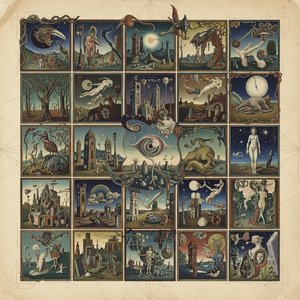
Max Ernsts 25 Mästerverk: Surrealismens Geni i Konst och Hemmets Atmosfär
Utforska Max Ernsts 25 mest ikoniska surrealistiska målningar och collage. Lär känna historien bakom dadaismens genier och expressionismens färgstarka värld. Hitta inspiration till din heminredning med museumskvalitativa konsttryck på TopImpressionists.com.

Surrealismens 10 Mästerverk: Konst som Utmanar Verkligheten – TopImpressionists
Utforska surrealismens 10 mest ikoniska mästerverk – Dalí, Magritte & mer. Lär känna historien bakom drömlika landskap och symbolik i konsten. Hitta konsttryck av högsta kvalitet för ditt hem på TopImpressionists.com.

Dada: A Revolution of Anti-Art & the Rejection of Reason in Early 20th Century Aesthetics
Explore the revolutionary Dada art movement! Discover its origins, key artists like Duchamp & Arp, and lasting impact on modern art. A deep dive into anti-art & challenging conventions.
Utforska konstverk sorterade efter tema, stil och egenskaper.


