

Visas: · Med ram:
 Förhandsvisa

 Skicka
 Dela
 Visa detaljer
 Faktablad för elever


 Ladda ner
 Liknande objekt
 Röntgen
 Bildspel
 Frågor och svar

 Statistik
Found (Max Klinger)


Canvas och konsttryck från Skr500 vid 36 x 28 cm
Handmålad oljereproduktion från Skr2501
- Fri frakt över hela världen, leverans inom 3–4 veckor
- Rullade tryck levereras inom 3–4 veckor
- 100 dagars öppet köp, pengarna tillbaka
- Betygsatt 4.9/5 av 241 kunder på ArtShopReviews.com
Skr 776
Giclée / Konsttryck
Giclée- eller canvasprint av museumskvalitet med snabb produktion och flexibla ytbehandlingsalternativ. ( Impressionistiskt oljemåleri Köp digital kopia
)
Teknik och material
 Läs mer
Vårt budgettryck: samma motiv tryckt på en 260 g/m² polyestercanvas istället för bomull, levererad rullad i rör via brev med normal post inom 3 till 4 veckor. Endast rullad (ingen spännram, ingen ram) och ingen expressproduktion, för storlekar med minst en sida på 80 cm eller mindre. Cirka 30% billigare än trycket på bomullscanvas.
Inte tillgänglig i denna storlek: minst en sida måste vara 80 cm eller mindre.
Endast rullad: välj canvas rullad i rör för att kunna välja detta tryck.
Tillgänglig för storlekar där båda sidor är 110 cm eller mindre. För större storlekar trycks motivet på matt bomullskanvas.
Matt archival canvas är inte tillgängligt för denna storlek: båda sidorna måste vara 110 cm eller mindre. Ditt tryck är istället gjort på matt bomullscanvas.
Glasalternativet är endast tillgängligt i storlekar under 110 cm.
Storlek
·Välj bland våra förinställda storlekar som motsvarar konstverkets ursprungliga proportioner.
Laddar storlekar...

bredd
höjd
Ange den bredd och höjd du behöver för att passa din ram eller vägg. Ett tryck kan endast beskäras, aldrig göras större än originalbilden, vilket innebär att ett format med en annan proportion leder till att en del av bilden går förlorad. Vi skickar en digital mockup för godkännande innan vi påbörjar tryckningen. Bilden som visas på denna sida visar inte den faktiska beskärningen — det är endast mockuppen som gör det.
Standardstorlek
skräddarsydd
CM
INCH
Slutför
·
Vit kant Skr1

Suddig kantfinish Skr1

Fortsatt motiv Skr1

P118B Skr10

P118H Skr10

P118W Skr10

P438Z Skr10

P508JH Skr12

P508YH Skr12

P805H Skr10

P805Z Skr10

P919BZ Skr10

P919G Skr10

P919XJ Skr10

P959ZH Skr10

P968JZ Skr12

W106C Skr8

W218G Skr10

W218JH Skr8

W218Y Skr10

W307PJ Skr10

W316G Skr10

W316PJ Skr8

W316Y Skr10

W398PJ Skr8

W4111J Skr10

W500HY Skr15

W500JH Skr15

W692G Skr12

W849H Skr8

W940BG Skr15

W953PJ Skr8
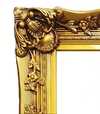
H24-GOLD Skr30
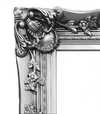
H24-SILVER Skr30
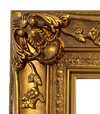
H36-GOLD Skr70
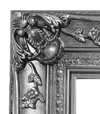
H36-SILVER Skr70
Skickas i ett skyddande rör, redo att ramas in av din egen inramare.
För mått över 105 cm levereras ramen som ett kit för en professionell ramverkare — läs detaljerna.
Tillval
valfrittVad ingår i tilläggen?
Leverans över hela världen () på 2 veckor istället för standard 4/5 veckor. (25 december)
Snabbproduktion och expressbud är inte tillgängligt för Economy poly-canvas-tryck, som skickas med vanlig post.
Skyddande fernissa
Namnskylt
Detaljer för graverad bronsplatta
Denna eleganta plakett pryds av konstnärens namn och verkets titel, vackert graverat för en tidlös presentation.
Den är tillverkad i brons med en förfinad och elegant finish. Texten är precisionslasergraverad för ett skarpt och bestående resultat. Med måtten 9x2 cm är plaketten kompakt men ändå lättläst. Den är konstruerad för att vara hållbar och reptålig, vilket ger ett professionellt utseende av museikvalitet. Montering är enkel tack vare den medföljande självhäftande baksidan.
Detaljer för transparent akrylplatta
Plaketten innehåller väsentliga graverade detaljer såsom konstnärens namn, verkets titel, skapelsedatum, vilken teknik som använts – till exempel olja på duk eller akvarell – en kort beskrivning av verket samt en QR-kod som länkar till fullständig information om konstverket.
Den är tillverkad av klart akryl som ger ett stilrent och modernt utseende. Texten är UV-graverad i svart för att säkerställa hög visuell kontrast. Med måtten 10x15 cm garanteras optimal läsbarhet. Den levereras med två metallkrokar för säker väggmontering. Plaketten är vägerbeständig och lämplig för olika miljöer, samt utrustad med interaktiva funktioner som fungerar sömlöst vid skanning med smartphone.
Detaljer för svart akrylplatta
Denna eleganta plakett innehåller graverad information såsom konstnärens namn, verkets titel, skapelsedatum, teknik (exempelvis olja på duk eller akvarell), en kort beskrivning av konstverket samt en QR-kod för snabb åtkomst till mer information.
Själva plaketten är tillverkad av högkvalitativ svart akryl med en exklusiv finish. Texten är laseretsad i vitt för hög kontrast och god läsbarhet. Storleken är 10x15 cm, utformad för att vara lättläst. Den levereras med två metallkrokar för professionell montering. Designen är stilren och passar alla typer av inredningsstilar. Den är även väderbeständig och hållbar, med inbyggd digital integration för mobil kompatibilitet.
Glasalternativet är endast tillgängligt i storlekar under 110 cm.
 Glasalternativet är endast tillgängligt i storlekar under 110 cm.
- Fri frakt över hela världen, leverans inom 3–4 veckor
- Högkvalitativ linnecanvas
- Fullständig fraktförsäkring
- Garantier för återbetalning av tullavgifter
- Garantier för exakt färgåtergivning
- 100 dagars öppet köp, pengarna tillbaka
- 100% pengarna tillbaka-garanti
- Mängdrabatt erbjuds


Found: Max Klinger och Symbolism-ögonblicket
Two figures kneel in despair beneath a suspended form in this dramatic monochromatic etching filled with dense, swirling cross-hatching.
Max Klinger: biografi
Hans Parodi på handskens upptäckt var inspirerad av en dröm: undersök hur handsken framträder i varje plansch.
Om konstverket
The Artwork Found by Max Klinger
In the quiet tension of Found, the viewer encounters a scene of profound emotional distress. Max Klinger, born in 1857 in Leipzig, Germany, presents a vision that feels caught in a moment of sudden, sharp anguish. The composition draws the eye upward through a pyramidal arrangement, where two figures kneel in supplication at the base. Above them, a third figure remains suspended on a rigid rectangular plane, creating a sense of unsettling verticality. The atmosphere is heavy with a feeling of helplessness, as if the figures are trapped within a swirling chaos of lines that refuse to settle.
The imagery suggests a narrative of torment or judgment, though the exact nature of the suffering remains a mystery. Shadows and highlights dance across the forms, emphasizing the intensity of the facial expressions and the physical strain of the subjects. There is a palpable sense of unease in the way the figures interact with the space around them. The scene does not offer the comfort of a clear light source, leaving the viewer to navigate the deep shadows and the turbulent, textured background that seems to pulse with internal turmoil.
Composition and Visual Elements
A heavy, pyramidal structure dictates the movement of the scene, pulling the eye upward through a tense arrangement of forms. At the base, two figures kneel in a state of supplication, their bodies anchoring the bottom of the triangle. Above them, a third figure remains suspended on a rigid, rectangular plane, creating a jarring contrast between the organic curves of the human forms and the unyielding geometry of the platform. This vertical tension holds the viewer in a state of suspended animation, caught between the grounded suffering below and the hovering presence above.
The background refuses to remain still. Dense, swirling lines churn through the space, suggesting a world in a state of constant, chaotic turmoil. These lines wrap around the figures, blurring the distinction between the subjects and the atmosphere surrounding them. Light and shadow dance unevenly across the scene, with deep, heavy blacks clashing against pale highlights to emphasize the emotional weight of the figures. The perspective feels strangely flattened, yet the layering of these dark, textured shapes creates a sense of depth that pulls the viewer into the center of the struggle.
Technique and Artistic Materials
The scene emerges from a monochromatic world, where every shadow and highlight relies on a careful dance of gray tones. This is the result of a meticulous printmaking process, likely an etching or an engraving. One can almost feel the physical resistance of the metal plate as the artist uses sharp etching needles to incise deep, deliberate lines into the surface. These marks do not merely outline forms; they build a dense, textured landscape through heavy cross-hatching that catches the light and holds the darkness in place.
The materials used in this creation speak to a tactile, hands-on labor. A metal plate, perhaps zinc or copper, receives the initial wounding of the needle, creating the channels that will eventually hold the ink. Once the incised lines are ready, ink is pressed into these grooves, transferring the soul of the plate onto paper. This method allows for a staggering level of detail, where the swirling, chaotic lines of the background and the sharp, angular contours of the figures emerge from the interplay of ink and fiber.
Style and Artistic Movement
The work breathes with the heavy, restless energy of late 19th-century Expressionism. Every line seems to vibrate with an internal tension, pushing beyond mere representation to capture a raw, psychological state. This approach finds a striking kinship with the visual language of Edvard Munch, where the external world bends and twists to mirror the turbulence of the human spirit. The figures do not simply exist in space; they appear caught in a moment of profound emotional upheaval, their forms shaped by the weight of what they feel rather than the strict rules of anatomy.
At its core, the piece is deeply rooted in the Symbolist movement. It moves away from the literalism of the natural world to explore the shadowy, subjective realms of the subconscious. Rather than depicting a clear, objective reality, the imagery functions through a language of signs and metaphors that point toward deeper, unseen truths. The atmosphere is thick with the sense of a dream or a nightmare, where the boundaries between the physical self and the internal psyche begin to dissolve into a swirl of dark, textured lines.
Emotional and Symbolic Themes
Anguish and fear pulse through the scene, casting a heavy shadow over the figures. A profound sense of desperation grips the viewer as the subject matter unfolds, depicting a moment of intense emotional distress and torment. The two kneeling figures at the base of the composition seem trapped in a state of supplication, their bodies conveying a deep-seated helplessness. Above them, a third figure remains suspended on a rigid rectangular plane, watching the suffering below. This triangular arrangement creates a palpable tension, suggesting a heavy power dynamic or the weight of an inevitable judgment.
Chaos swirls in the background, where dense, agitated lines churn like a storm. These movements suggest a state of inner turmoil or perhaps the presence of overwhelming external forces acting upon the souls depicted. The darkness and light do not merely define form; they heighten the psychological weight of the moment. Every line contributes to an atmosphere of unease, as if the very air around the figures is thick with their collective despair. The struggle feels immediate, caught in a perpetual state of spiritual or emotional crisis.
Related Works by Max Klinger
The shadows of the artist's imagination stretch into other graphic cycles, where the boundaries between reality and the subconscious continue to blur. In the series Paraphrase on the Finding of a Glove, a single lost object transforms into a potent fetish, triggering a sequence of dreamlike visions and unsettling encounters. This narrative exploration of desire and loss finds a musical counterpart in the Brahms Fantasies from 1894, where the artist translates the spirit of composition into visual form. These works reveal a mind preoccupied with the hidden currents of human longing and the irrational forces that govern our inner lives.
Other explorations move through the realms of myth and movement. The artist's hand traces the tension found in The Rape of Prometheus and the rhythmic energy of Preparation for the dance. Each piece acts as a window into a world where the physical and the psychological are inseparable. Whether through the meticulous lines of an etching or the heavy presence of a sculpture, the artist's vision remains fixed on the tension between the seen world and the unseen impulses that drive it.
Frågor och svar
Är denna reproduktion av Found handmålad eller tryckt?
Tryck: Found återges som ett giclée-tryck på bomullskanvas eller på Epson arkivbeständigt canvaspapper.
Vilken storlek bör jag välja för Found?
Storlekarna sträcker sig från 36.3 x 27.5 cm (Skr500) till 248.4 x 188.4 cm (Skr4533); tabellen på denna sida listar de huvudsakliga storlekarna och deras priser.
Hur lång leveranstid är det?
Ett tryck som levereras rullat i rör skickas kostnadsfritt med vanlig post och anländer inom 3 till 4 veckor; ett uppspänt eller inramat tryck tar 4 till 5 veckor. Expressleverans med bud är endast tillgänglig genom det betalda alternativet Expressleverans som erbjuds på denna sida. Du kan returnera produkten inom 100 dagar för full återbetalning, helt utan krav på villkor.
Vilket medium använde Max Klinger för Found?
Etching
Snabbfakta och konstquiz
Om Max Klinger

Max Klinger
1857 - 1920, Tyskland
Om Max Klinger: liv, verk och biografi
Snabbfakta om Max Klinger
- Artistic Movement Or Style: Symbolism
- Artists Or Movements Influenced By This Artist: ['Inspection Medical Hermeneutics']
- Artists Who Influenced This Artist:
- Menzel
- Goya
- Date Of Birth: 1857
- Date Of Death: 1920
- Full Name: Max Klinger
- Nationality: Tysk
- Notable Artworks:
- Paraphrase...
- Beethoven
- The Bull
- Place Of Birth: Leipzig, Tyskland
Utforska konstverk sorterade efter tema, stil och egenskaper.


Max Klinger
Found
() ·
Med ram: ·
Totalt