


 Förhandsvisa
 Skicka
 Dela
Dela
 Visa detaljer
 Guide
Guide

 Ladda ner
 Liknande objekt
 Röntgen
 Bildspel
 Q&A
Q&A Statistik
Bust Selfportrait in Paiting Overall


This artwork showcases Max Liebermann's self-portrait in 1922, executed in oil on canvas. It exemplifies Impressionism’s focus on capturing fleeting moments of light and color, featuring a contemplative gaze and attire reflecting the artist's era.
 Visa mer
Max Liebermann (1847-1935): Tysk impressionistkänd med ljusa landskap, porträtt och en stark kamp för konstnärlig frihet. Upptäck hans arv!
Giclée / Konsttryck
Giclée- eller canvasprint av museumskvalitet med snabb produktion och flexibla ytbehandlingsalternativ. ( Beställ handmålad reproduktion Byt till digital bild)




P118B Skr10

P118H Skr10

P118W Skr10

P438Z Skr10

P508JH Skr12

P508YH Skr12

P805H Skr10

P805Z Skr10

P919BZ Skr10

P919G Skr10

P919XJ Skr10

P959ZH Skr10

P968JZ Skr12

W106C Skr8

W218G Skr10

W218JH Skr8

W218Y Skr10

W307PJ Skr10

W316G Skr10

W316PJ Skr8

W316Y Skr10

W398PJ Skr8

W4111J Skr10

W500HY Skr15

W500JH Skr15

W692G Skr12

W849H Skr8

W940BG Skr15

W953PJ Skr8




Standardstorlek
skräddarsydd
CM
INCH
Välj bland våra förinställda storlekar som motsvarar konstverkets ursprungliga proportioner.
Loading sizes...

bredd
höjd
Ange den bredd och höjd du behöver för att passa din ram eller vägg. Ett tryck kan endast beskäras, aldrig göras större än originalbilden, vilket innebär att ett format med en annan proportion leder till att en del av bilden går förlorad. Vi skickar en digital mockup för godkännande innan vi påbörjar tryckningen. Bilden som visas på denna sida visar inte den faktiska beskärningen — det är endast mockuppen som gör det.
Leverans över hela världen () på 2 veckor istället för standard 4/5 veckor. (29 oktober)

Fri expressfrakt över hela världen

Högkvalitativ linnecanvas

Fullständig fraktförsäkring

Garantier för återbetalning av tullavgifter

Garantier för exakt färgåtergivning

100 dagars returrätt (endast vid fel)

100% pengarna tillbaka-garanti

Mängdrabatt erbjuds
 Glasalternativet är endast tillgängligt i storlekar under 110 cm.

Bust Selfportrait in Paiting Overall
Giclée / Konsttryck
Storlek på reproduktion
-


Slutgiltigt pris
Skr 690
A Gaze Into the Self: Max Liebermann's Bust Selfportrait
To stand before this selfportrait is to encounter not merely a likeness, but a carefully considered meditation on identity itself. Painted in 1922 by Max Liebermann, this bust portrait captures the artist at a moment of profound introspection. The subject gazes out from the canvas with an undeniable seriousness, his mustache and beard lending him an air of intellectual gravitas. Every element—from the precise knot of his bow tie to the thoughtful set of his glasses—contributes to a persona that is both intimately familiar and strikingly composed. It speaks volumes about the artist's self-perception during this pivotal time in his life, offering us a direct line into the mind of a master.
Technique and Tonal Drama
Liebermann’s handling of paint here showcases his mastery of tonal contrast. The deliberate use of a black and white color scheme is not a limitation, but rather a powerful artistic choice that heightens the drama and focuses all attention squarely on the nuances of the sitter's expression. Observe how the light seems to sculpt the planes of his face, giving dimension to the subtle contours around his eyes and mouth. The technique employed suggests an Impressionist foundation—a sensitivity to fleeting moments—but channeled through a more formal, almost psychological portraiture lens. This stark palette strips away the distractions of color, leaving only the essential architecture of character.
Historical Echoes in Berlin
Created in 1922, this work emerges from a period when Germany was navigating immense social and artistic upheaval. Liebermann, an artist deeply connected to the vibrant cultural pulse of Berlin, captured a moment that feels both timeless and acutely contemporary. While his earlier works celebrated everyday life with Impressionistic joy, this selfportrait suggests a more internalized dialogue—a necessary turning inward amidst the roaring changes of the early 20th century. It is a testament to an artist who remained keenly observant, even when looking at himself.
Symbolism and Emotional Resonance
The act of painting a selfportrait has always been fraught with symbolic weight; it is both documentation and declaration. Here, the direct address to the viewer creates an immediate, almost confrontational intimacy. The seriousness in his eyes invites us to question: what is being observed? Is it the artist, or the enduring spirit that survives the passage of time? For collectors and those seeking art for a sophisticated interior space, this piece offers depth. It doesn't merely decorate; it prompts conversation, encouraging contemplation on self-image, intellect, and the weight of experience.
Bringing Liebermann Home
Owning a reproduction of "Bust Selfportrait in Paiting" allows one to integrate a piece of this rich artistic dialogue into your own sanctuary. The dramatic contrast inherent in the original composition translates beautifully into any setting, providing a focal point that is both intellectually stimulating and visually arresting. It serves as a sophisticated anchor for a room, echoing the thoughtful elegance of early 20th-century European portraiture while maintaining a modern, stark power.
Frågor och svar
Vilken känsla förmedlar färgerna i "Bust Selfportrait in Paiting Overall" av Max Liebermann?
Den Earthy färgpaletten i "Bust Selfportrait in Paiting Overall" av Max Liebermann harmonierar med dess Reflective emotionella ton. Färg är ett av de sätt som ett verk förmedlar känsla på.
Hur samverkar medium och rörelse i "Bust Selfportrait in Paiting Overall"?
I "Bust Selfportrait in Paiting Overall" möter Oil On Canvas-tekniken Impressionism-rörelsen.
Vem är upphovspersonen till "Bust Selfportrait in Paiting Overall" och inom vilken stilriktning?
Max Liebermann skapade "Bust Selfportrait in Paiting Overall" inom Impressionism-rörelsen.
Liknande konstverk


Konstnärsbiografi
A Life Immersed in Light: The World of Max Liebermann
Max Liebermann, född 1847 i Berlin, var en av Tysklands mest betydelsefulla modernistiska konstnärer. Hans karriär präglades av en djupgående förståelse för ljus och färg, samt ett engagemang för att bryta med traditionella konstnärliga normer. Liebermanns resa från en universitetsutbildning i juridik och filosofi till att bli en ledande figur inom den tyska impressionismen var lång och mångfacetterad, formad av studier i Weimar, Paris och Nederländerna. Hans tidiga verk, ofta skildrande vardagsliv och arbetarklassens liv, utmanade de romantiska ideal som dominerade konstvärlden vid tiden. Dessa målningar var inte avsedda att vara samhällskritiska, utan snarare ärliga porträtt av mänsklig existens, fyllda med värdighet och respekt.Embracing Impressionism in a German Context
Liebermanns konstnärliga utveckling påverkades djupt av hans exponering för fransk realism och framför allt den blomstrande impressionistiska rörelsen. Édouard Manets mod, hans avslag på akademisk konvention och fokus på samtida liv resonerade starkt med Liebermann. Han kopierade inte bara det han såg i Paris utan anpassade dessa principer till en tysk känsla, vilket resulterade i en unik impressionism. Hans palett blev ljusare, hans penseldrag lösa och mer spontana, och hans motiv skiftade mot scener av borgerskapets fritid och den lugna skönheten i hans trädgård vid Wannasejerna. Denna trädgård blev en återkommande symbol i hans verk, ett fristed från världens snabba förändringar och en oändlig källa till inspiration för hans utforskningar av ljus och atmosfär. Han målade inte bara blommor och löv utan fångade hela känslan av sommaren, solens värme och den mjuka brisen som susar genom bladen. Utöver landskap etablerade Liebermann sig som en eftertraktad porträttmålare, och skapade över 200 beställningsverk, inklusive ikoniska representationer av figurer som Albert Einstein och Paul von Hindenburg. Dessa porträtt var inte bara likheter utan också insiktsfulla studier av karaktär, som avslöjade sina subjektas inre liv genom subtila gester och uttryck.A Champion of Artistic Freedom
Liebermann var inte nöjd med att bara måla; han kämpade aktivt för konstnärlig innovation och självständighet. Genom att erkänna de kvävande begränsningar som den traditionella konstinstitutionen påförde, blev han en drivkraft bakom Berlin Secession 1898, där han ledade denna avantgardegrupp i över ett decennium. Secessionen utmanade konventionella normer och erbjöd en plattform för konstnärer som arbetade utanför akademisk tradition. Detta engagemang för konstfrihet sträckte sig bortom hans egna verk; Liebermann trodde passionerat att konstnärer skulle vara fria att utforska sin vision utan att bli hindrade av politiska eller ideologiska tryck. Hans val till den Preussiska Konstakademin 1909 och hans efterföljande presidentskap 1920 var vittnesbörd om hans växande inflytande inom den tyska konstvärlden, men dessa positioner ledde också till att han ställdes inför de stigande vågorna av antisemitism och nationalism som skulle hota hans livsverk.Shadows of a Changing World: Legacy and Resilience
Nazisternas uppkomst kastade en mörk skugga över Liebermanns sena år. Hans principiella hållning mot diskriminering ledde till att han avgick från den Preussiska Konstakademin 1933, ett modigt steg som signalerade hans avslag på att kompromissa sina värderingar. Trots att han mötte allt större förföljelse fortsatte han att måla, och fann tröst och mening i sin konst. Han dog i Berlin 1935 och lämnade efter sig ett rikt arv av målningar, tryck och en djupgående engagemang för konstfrihet. Hans fru, Martha, tog sitt eget liv 1943 för att undvika deportation, en hjärtskärande illustration av de fasor som åtföljde Förintelsen. Under många år efter kriget betraktades Liebermanns verk något bortglömt, men under de senaste decennierna har det funnits en nyuppskattning av hans bidrag till den tyska impressionismen och modern konsthistoria. Idag minns han inte bara som en briljant målare utan också som en modig förespråkare för konsttryck och ett symbol för motstånd mot tyranni. Hans målningar fortsätter att fängsla betraktare med sin ljusa skönhet, insiktsfulla observationer och bestående mänsklighet.Key Achievements & Lasting Influence
* **"The Twelve-Year-Old Jesus in the Temple":** Detta tidiga verk väckte betydande debatt på grund av dess ovana representation av en semitiskt utseende Jesus, vilket utmanade traditionella religiösa ikoner. * **Ledarskap i Berlin Secession:** Hans nyckelroll i att leda denna avantgardegrupp utmanade konstnärliga normer och banade väg för modern konst i Tyskland. * **Presidentskap i den Preussiska Konstakademin:** En betydande erkännelse av hans konstnärliga värde, men komprometterad av nazisternas uppkomst. * **Mästerlig porträttmålning:** Hans förmåga att fånga essensen av sina motiv i över 200 beställda porträtt säkrade hans rykte som en ledande porträttmålare. * **Inflytande på den tyska impressionismen:** Liebermann översatte effektivt principerna för impressionism till en unikt tysk kontext, vilket inspirerade generationer av konstnärer.
Max Liebermann
1847 - 1935 , Tyskland
Kortfakta
- Artistic Movement Or Style: Impressionism
- Artists Or Movements Influenced By This Artist: ['Tysk Impressionism']
- Artists Who Influenced This Artist: ['Manet']
- Date Of Birth: 20 juli 1847
- Date Of Death: 8 februari 1935
- Full Name: Max Liebermann
- Nationality: Tysk
- Notable Artworks:
- Jesus i templet
- Nederländska gårdshus
- Place Of Birth: Berlin, Tyskland
Relaterade artiklar

Impressionismens Mästverk: Topp 10 Verk som Fångar Ögonblicket | TopImpressionists
Upptäck impressionismens magi! Utforska 10 ikoniska verk av Monet, Renoir & Degas. Lär känna historien bakom mästerverken och hitta inspiration till din inredning med konsttryck från TopImpressionists.com.

Reflecting the Self: A History of Portraiture & Psychological Insight
Explore the fascinating history of self-portraiture from Renaissance masters like Dürer & Rembrandt to modern interpretations. Discover the psychological insights and artistic techniques behind these iconic works. Expert analysis for art enthusiasts.

Tysk Expressionism: 10 Mästerverk som Definierade en Epok – Konst & Inredning
Utforska 10 ikoniska mästerverk inom tysk expressionism! Lär känna konstnärer som Nolde, Kirchner & Heckel. Upptäck historien bakom dessa färgstarka målningar och finn inspiration till din inredning med TopImpressionists.com – museumkvalitet för ditt hem.
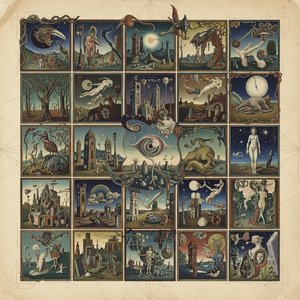
Max Ernsts 25 Mästerverk: Surrealismens Geni i Konst och Hemmets Atmosfär
Utforska Max Ernsts 25 mest ikoniska surrealistiska målningar och collage. Lär känna historien bakom dadaismens genier och expressionismens färgstarka värld. Hitta inspiration till din heminredning med museumskvalitativa konsttryck på TopImpressionists.com.

Paul Cézannes 25 Mästerverk: En Konsthistorisk Resa för Hemmet
Utforska Paul Cézannes 25 mest ikoniska målningar! Fördjupa dig i impressionismens värld, från Mont Sainte-Victoire till stillsben. Hitta inspiration & museumkvalitativa konsttryck på TopImpressionists.com.
Utforska konstverk sorterade efter tema, stil och egenskaper.


