


 Visa i rummet
 Skicka
 Dela
Dela
 Detaljer
 Studentguide för konstverk

 Ladda ner
 Liknande objekt
 Röntgen
 Bildspel
 Besökstatistik
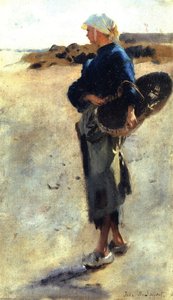
The Parrot Man


Discover Max Liebermann’s ‘The Parrot Man,’ a vibrant Impressionist oil painting capturing urban life & exotic beauty. Explore rich textures & expressive lines in this unique 19th-century artwork.
 Läs mer
Max Liebermann (1847-1935): Tysk impressionistkänd med ljusa landskap, porträtt och en stark kamp för konstnärlig frihet. Upptäck hans arv!
Handgjord oljereproduktion
Handmålad olja på duk i din valda storlek och ram, tillverkad efter beställning av våra konstnärer. ( Byt till tryckta exemplar Byt till digital bildförsäljning)




P118B Skr10

P118H Skr10

P118W Skr10

P438Z Skr10

P508JH Skr12

P508YH Skr12

P805H Skr10

P805Z Skr10

P919BZ Skr10

P919G Skr10

P919XJ Skr10

P959ZH Skr10

P968JZ Skr12

W106C Skr8

W218G Skr10

W218JH Skr8

W218Y Skr10

W307PJ Skr10

W316G Skr10

W316PJ Skr8

W316Y Skr10

W398PJ Skr8

W4111J Skr10

W500HY Skr15

W500JH Skr15

W692G Skr12

W849H Skr8

W940BG Skr15

W953PJ Skr8




Standardstorlek
anpassad
CM
INCH
Välj bland våra förinställda storlekar som motsvarar konstverkets ursprungliga proportioner.
Loading sizes...

bredd
höjd
Ange den bredd och höjd du behöver för att passa din ram eller din vägg. Eftersom detta är handmålat kan konstnären vid en annan form måla lite mer runt bilden eller beskära den något – du väljer själv. Vi skickar en digital mockup för godkännande innan målningen påbörjas. Bilden som visas på denna sida representerar inte det slutgiltiga resultatet — det är endast mockuppen som visar det.
Exempel på vad som kan anpassas: Byt ut ansiktet mot ett foto av kunden; Lägg till ett husdjur (t.ex. byt ut en katt mot en hund); Inkludera ett dolt meddelande i bakgrunden; Ändra bakgrundens landskap eller element.
Efter beställning kommer TopImpressionists.com team att mejla kunden för instruktioner och tillhandahålla en skissförhandsvisning
Efter beställning kommer TopImpressionists.com team att mejla kunden för instruktioner och tillhandahålla en skissförhandsvisning
Leverans över hela världen () på 3–4 veckor istället för standard 5 veckor. (24 oktober). Inga kompromisser med kvaliteten.

Fri expressfrakt över hela världen

Högkvalitativ linnecanvas

Fullständig fraktförsäkring

Garantier för återbetalning av tullavgifter

Garantier för exakt färgåtergivning

100 dagars returrätt vid fabrikationsfel

100% pengarna tillbaka-garanti

Mängdrabatt erbjuds
 Glasalternativet är endast tillgängligt i storlekar under 110 cm.

The Parrot Man
Tryckteknik
Reproduktionsstorlek
-


Totalpris
Skr 2666
A Vibrant Snapshot of Urban Life
Max Liebermann's “The Parrot Man,” painted in 1902, isn’t merely a depiction of a street vendor; it’s a carefully constructed tableau brimming with the energy and complexities of early 20th-century Berlin. The painting captures a scene unfolding on what appears to be a bustling promenade or park – a vibrant hub of commerce and casual encounters. Liebermann masterfully uses loose, impressionistic brushstrokes to convey not just the visual appearance but also the atmosphere of the moment: a sense of lively movement, dappled light, and the slightly chaotic beauty of everyday life. The composition is dominated by the central figure of the vendor, his posture radiating confidence as he displays his exotic wares – a collection of brilliantly colored parrots perched on his arms. The blurred background figures, rendered with quick, expressive lines, suggest a continuous flow of activity, drawing the viewer into this intimate slice of urban existence.
Impressionistic Technique and Layered Texture
Liebermann’s technique is a fascinating blend of realism and impressionism. He meticulously observes the details – the folds in the vendor's clothing, the texture of the pavement, the iridescent sheen of the parrot feathers – yet he deliberately avoids photographic precision. Instead, he employs thick impasto brushwork, particularly noticeable on the birds themselves, creating a rich, tactile surface that invites close inspection. The use of color is equally deliberate; blues and greens dominate, reflecting the natural environment, while bursts of red from the parrots inject energy and visual interest. The flattened perspective, characteristic of Impressionism, contributes to the painting’s immediacy, pulling the viewer directly into the scene. Liebermann's skillful manipulation of light and shadow adds depth and a sense of realism despite the overall loose style.
Symbolic Layers: Commerce, Exoticism, and Berlin Identity
“The Parrot Man” is more than just a charming street scene; it’s laden with symbolic meaning. The vendor himself represents commerce and the entrepreneurial spirit of Berlin at the turn of the century – a city rapidly modernizing and embracing new economic opportunities. The parrots, imported from distant lands, embody exoticism and the allure of the “new world,” reflecting Berlin's position as a gateway to Europe and beyond. However, there’s also an element of melancholy in the scene. The vendor’s focused gaze suggests a solitary profession, hinting at the isolation that can accompany commerce. Furthermore, the painting subtly captures the spirit of Berlin itself – a city teeming with life, diversity, and a unique blend of tradition and modernity.
A Legacy of Observation: Liebermann's Artistic Vision
Max Liebermann’s “The Parrot Man” exemplifies his distinctive approach to art. Born in 1847, he initially pursued a more conventional path but ultimately found his true calling in painting. Influenced by Impressionism and Realism, Liebermann developed a unique style characterized by keen observation, masterful technique, and a deep understanding of human psychology. His ability to capture fleeting moments of beauty and emotion resonated with audiences and cemented his place as one of Germany’s most important artists. Reproductions of “The Parrot Man” offer a captivating glimpse into this world, allowing viewers to appreciate Liebermann's artistic vision and the vibrant spirit of early 20th-century Berlin.
Frågor och svar
Varför är upphovsrättsläget för "The Parrot Man" som det är?
"The Parrot Man" av Max Liebermann är allmän egendom – upphovsrätten har löpt ut. Upphovsrätten beräknas från konstnärens dödsår, och Max Liebermann avled 1935.
Var kan jag hitta statistik om "The Parrot Man" av Max Liebermann?
Sidan Statistik för "The Parrot Man" av Max Liebermann presenterar statistik över publika besök: månatliga besök för detta konstverk, en jämförelse med konstnärens mest sedda verk samt varifrån besökarna kommer.
Var kan jag ladda ner "The Parrot Man" av Max Liebermann?
"The Parrot Man" av Max Liebermann kan laddas ner från verkets Ladda ner-sida som en högupplöst digital bildnedladdning.
Liknande konstverk


Om konstnären
A Life Immersed in Light: The World of Max Liebermann
Max Liebermann, född 1847 i Berlin, var en av Tysklands mest betydelsefulla modernistiska konstnärer. Hans karriär präglades av en djupgående förståelse för ljus och färg, samt ett engagemang för att bryta med traditionella konstnärliga normer. Liebermanns resa från en universitetsutbildning i juridik och filosofi till att bli en ledande figur inom den tyska impressionismen var lång och mångfacetterad, formad av studier i Weimar, Paris och Nederländerna. Hans tidiga verk, ofta skildrande vardagsliv och arbetarklassens liv, utmanade de romantiska ideal som dominerade konstvärlden vid tiden. Dessa målningar var inte avsedda att vara samhällskritiska, utan snarare ärliga porträtt av mänsklig existens, fyllda med värdighet och respekt.Embracing Impressionism in a German Context
Liebermanns konstnärliga utveckling påverkades djupt av hans exponering för fransk realism och framför allt den blomstrande impressionistiska rörelsen. Édouard Manets mod, hans avslag på akademisk konvention och fokus på samtida liv resonerade starkt med Liebermann. Han kopierade inte bara det han såg i Paris utan anpassade dessa principer till en tysk känsla, vilket resulterade i en unik impressionism. Hans palett blev ljusare, hans penseldrag lösa och mer spontana, och hans motiv skiftade mot scener av borgerskapets fritid och den lugna skönheten i hans trädgård vid Wannasejerna. Denna trädgård blev en återkommande symbol i hans verk, ett fristed från världens snabba förändringar och en oändlig källa till inspiration för hans utforskningar av ljus och atmosfär. Han målade inte bara blommor och löv utan fångade hela känslan av sommaren, solens värme och den mjuka brisen som susar genom bladen. Utöver landskap etablerade Liebermann sig som en eftertraktad porträttmålare, och skapade över 200 beställningsverk, inklusive ikoniska representationer av figurer som Albert Einstein och Paul von Hindenburg. Dessa porträtt var inte bara likheter utan också insiktsfulla studier av karaktär, som avslöjade sina subjektas inre liv genom subtila gester och uttryck.A Champion of Artistic Freedom
Liebermann var inte nöjd med att bara måla; han kämpade aktivt för konstnärlig innovation och självständighet. Genom att erkänna de kvävande begränsningar som den traditionella konstinstitutionen påförde, blev han en drivkraft bakom Berlin Secession 1898, där han ledade denna avantgardegrupp i över ett decennium. Secessionen utmanade konventionella normer och erbjöd en plattform för konstnärer som arbetade utanför akademisk tradition. Detta engagemang för konstfrihet sträckte sig bortom hans egna verk; Liebermann trodde passionerat att konstnärer skulle vara fria att utforska sin vision utan att bli hindrade av politiska eller ideologiska tryck. Hans val till den Preussiska Konstakademin 1909 och hans efterföljande presidentskap 1920 var vittnesbörd om hans växande inflytande inom den tyska konstvärlden, men dessa positioner ledde också till att han ställdes inför de stigande vågorna av antisemitism och nationalism som skulle hota hans livsverk.Shadows of a Changing World: Legacy and Resilience
Nazisternas uppkomst kastade en mörk skugga över Liebermanns sena år. Hans principiella hållning mot diskriminering ledde till att han avgick från den Preussiska Konstakademin 1933, ett modigt steg som signalerade hans avslag på att kompromissa sina värderingar. Trots att han mötte allt större förföljelse fortsatte han att måla, och fann tröst och mening i sin konst. Han dog i Berlin 1935 och lämnade efter sig ett rikt arv av målningar, tryck och en djupgående engagemang för konstfrihet. Hans fru, Martha, tog sitt eget liv 1943 för att undvika deportation, en hjärtskärande illustration av de fasor som åtföljde Förintelsen. Under många år efter kriget betraktades Liebermanns verk något bortglömt, men under de senaste decennierna har det funnits en nyuppskattning av hans bidrag till den tyska impressionismen och modern konsthistoria. Idag minns han inte bara som en briljant målare utan också som en modig förespråkare för konsttryck och ett symbol för motstånd mot tyranni. Hans målningar fortsätter att fängsla betraktare med sin ljusa skönhet, insiktsfulla observationer och bestående mänsklighet.Key Achievements & Lasting Influence
* **"The Twelve-Year-Old Jesus in the Temple":** Detta tidiga verk väckte betydande debatt på grund av dess ovana representation av en semitiskt utseende Jesus, vilket utmanade traditionella religiösa ikoner. * **Ledarskap i Berlin Secession:** Hans nyckelroll i att leda denna avantgardegrupp utmanade konstnärliga normer och banade väg för modern konst i Tyskland. * **Presidentskap i den Preussiska Konstakademin:** En betydande erkännelse av hans konstnärliga värde, men komprometterad av nazisternas uppkomst. * **Mästerlig porträttmålning:** Hans förmåga att fånga essensen av sina motiv i över 200 beställda porträtt säkrade hans rykte som en ledande porträttmålare. * **Inflytande på den tyska impressionismen:** Liebermann översatte effektivt principerna för impressionism till en unikt tysk kontext, vilket inspirerade generationer av konstnärer.
Max Liebermann
1847 - 1935 , Tyskland
Snabbfakta
- Artistic Movement Or Style: Impressionism
- Artists Or Movements Influenced By This Artist: ['Tysk Impressionism']
- Artists Who Influenced This Artist: ['Manet']
- Date Of Birth: 20 juli 1847
- Date Of Death: 8 februari 1935
- Full Name: Max Liebermann
- Nationality: Tysk
- Notable Artworks:
- Jesus i templet
- Nederländska gårdshus
- Place Of Birth: Berlin, Tyskland
Relaterade artiklar

The Timeless Beauty of Oil on Panel: Capturing Light and Texture through the Impressionist Lens
Discover the exquisite depth of oil on panel. Explore how Impressionist masters captured light and texture through tactile brushwork, and learn how to bring these museum-quality, hand-painted masterpieces into your home with expert curation.

Capturing the Soul: The Ethereal Magic and Timeless Technique of Impressionist Portraiture
Discover the ethereal beauty of Impressionist portraiture. Explore how masters like Monet and Renoir captured light and soul through brushwork, and learn how to bring this timeless magic into your home with exquisite, hand-painted oil reproductions from TopImpressionists.com.

The Soul of Impressionism: Why Oil on Canvas Captures Eternal Light and Timeless Emotion
Discover the enchanting alchemy of Impressionism. Explore how the mastery of oil on canvas, through glazing and impasto, captures eternal light and emotion. Perfect for lovers of Monet and Van Gogh seeking the profound depth of hand-painted fine art.

The Timeless Charm of Oil on Board: Reimagining Texture and Light through the Impressionist Lens
Discover the profound intimacy of oil on panel. Explore how Impressionist masters used rigid supports to capture light, texture, and impasto depth through exquisite, handmade oil reproductions for discerning collectors.

From Fleeting Moments to Eternal Masterpieces: Transform Your Memories into Bespoke Impressionist Oil Paintings
Elevate your cherished memories with TopImpressionists.com. We transform your photos into exquisite, hand-painted Impressionist oil masterpieces. Experience the timeless texture of real brushstrokes and professional artistry to create a lasting legacy for your home.
Utforska konstverk sorterade efter tema, stil och egenskaper.


