

 Förhandsvisa
 Skicka
 Dela
Dela
 Visa detaljer
 Guide
Guide

 Ladda ner
 Liknande objekt
 Röntgen
 Bildspel
 Frågor och svar
 Statistik
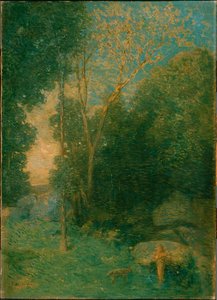
INTERIEUR DE FORET (COMPIEGNE)


Discover 'Interieur de Foret (Compiegne)' by Paul Huet – a captivating Romantic landscape painting. Explore its atmospheric brushstrokes, forest scene & human element. #art #landscapepainting #frenchart
 Visa mer
Paul Huet (1803-1869) var en fransk landskapsmålare känd för sin romantiska stil och sitt inflytande på Barbizon- och impressionistiska konstnärer. Utforska hans stämningsfulla akvareller och oljemålningar.
Giclée / Konsttryck
Giclée- eller canvasprint av museumskvalitet med snabb produktion och flexibla ytbehandlingsalternativ. ( Beställ handmålad reproduktion Byt till digital bild)




P118B Skr10

P118H Skr10

P118W Skr10

P438Z Skr10

P508JH Skr12

P508YH Skr12

P805H Skr10

P805Z Skr10

P919BZ Skr10

P919G Skr10

P919XJ Skr10

P959ZH Skr10

P968JZ Skr12

W106C Skr8

W218G Skr10

W218JH Skr8

W218Y Skr10

W307PJ Skr10

W316G Skr10

W316PJ Skr8

W316Y Skr10

W398PJ Skr8

W4111J Skr10

W500HY Skr15

W500JH Skr15

W692G Skr12

W849H Skr8

W940BG Skr15

W953PJ Skr8




Standardstorlek
skräddarsydd
CM
INCH
Välj bland våra förinställda storlekar som motsvarar konstverkets ursprungliga proportioner.
Loading sizes...

bredd
höjd
Ange den bredd och höjd du behöver för att passa din ram eller vägg. Ett tryck kan endast beskäras, aldrig göras större än originalbilden, vilket innebär att ett format med en annan proportion leder till att en del av bilden går förlorad. Vi skickar en digital mockup för godkännande innan vi påbörjar tryckningen. Bilden som visas på denna sida visar inte den faktiska beskärningen — det är endast mockuppen som gör det.
Leverans över hela världen () på 2 veckor istället för standard 4/5 veckor. (3 november)

Fri expressfrakt över hela världen

Högkvalitativ linnecanvas

Fullständig fraktförsäkring

Garantier för återbetalning av tullavgifter

Garantier för exakt färgåtergivning

100 dagars returrätt (endast vid fel)

100% pengarna tillbaka-garanti

Mängdrabatt erbjuds
 Glasalternativet är endast tillgängligt i storlekar under 110 cm.

INTERIEUR DE FORET (COMPIEGNE)
Giclée / Konsttryck
Storlek på reproduktion
-


Slutgiltigt pris
Skr 703
The Enveloping Mystery of the Woodland
To stand before Paul Huet’s depiction of an interior forest—Intérieur de Forêt (Compiègne)—is not merely to observe a landscape; it is to step through a veil into a moment suspended between light and shadow. The painting immerses the viewer in the profound, almost palpable atmosphere of a dense woodland. Huet masterfully captures the overwhelming presence of nature, where the vertical thrust of countless tree trunks creates an architectural rhythm, guiding the eye deep into the cool embrace of the woods. This is a scene steeped in the Romantic sensibility, suggesting that the forest itself is a character, whispering secrets only to those who listen closely.
A Study in Light and Atmosphere
Technically, Huet’s handling of oil paint is breathtakingly evocative. One can almost feel the texture beneath the surface; the visible brushstrokes speak to an artist deeply engaged with his medium, prioritizing feeling over flawless polish. The light here is not direct but diffused—a celestial curtain filtering through a thick canopy overhead. This dappled illumination creates pockets of ethereal brightness on the forest floor and catches the edges of foliage, giving the scene a luminous quality despite its deep shadows. The palette relies heavily on earthy greens and rich browns, punctuated by those brilliant, almost accidental touches of yellow and white that suggest hope or revelation within the gloom.
Romantic Echoes and Human Presence
Historically, this work situates itself perfectly within the currents of 19th-century Romanticism. Huet, a pioneer whose vision bridged the gap between academic training and the burgeoning spirit of Impressionism, understood that nature was a mirror for the human soul. The inclusion of a small figure, subtly placed near the lower right corner, is crucial. This solitary presence acts as an anchor, providing scale and narrative focus against the immensity of the woods. It suggests contemplation—a moment where humanity pauses before the sublime power of the natural world, finding both solitude and companionship within its embrace.
Symbolism for the Modern Sanctuary
For the contemporary collector or designer, this piece transcends mere decoration; it functions as an emotional conduit. The forest setting symbolizes retreat, introspection, and the enduring connection to something wild and untamed. It speaks to a modern yearning for sanctuary—a place away from the clamor of urban life. Reproducing Intérieur de Forêt allows one to bring that sense of hushed tranquility into a formal interior space, transforming a room into a contemplative haven. The artwork doesn't shout its beauty; it whispers it, inviting quiet reflection upon its textured, deeply atmospheric surface.
Frågor och svar
Vilken teknik har använts för "INTERIEUR DE FORET (COMPIEGNE)"?
"INTERIEUR DE FORET (COMPIEGNE)" är utförd i Oil On Canvas.
Var kan jag se originalet av "INTERIEUR DE FORET (COMPIEGNE)" av Paul Huet?
"INTERIEUR DE FORET (COMPIEGNE)" av Paul Huet visas på Louvren, Paris, France. Museilistan avser originalverket, inte reproduktioner.
Är "INTERIEUR DE FORET (COMPIEGNE)" typisk för vad Paul Huet vanligtvis skapade?
"INTERIEUR DE FORET (COMPIEGNE)" skildrar forest landscape, romantic art, natural scene, atmospheric view, tree silhouettes, human figure, tranquil nature, dark woods, medan Paul Huets dokumenterade teman är key work in huet's career, demonstrates romantic vision, influential on impressionists, romantic landscape tradition, french barbizon school style, emphasis on atmospheric mood, connection to nature's power, solitude and reflection. En jämförelse mellan dessa visar hur verket förhåller sig till konstnärens vanliga motiv.
Liknande konstverk



Konstnärsbiografi
Paul Huet: En pionjär inom det romantiska landskapsmåleriet
Paul Huet (1803–1869) framstår som en central, om än ofta underskattad, gestalt inom den franska 1800-talskonsten – en landskapsmålare vars inflytande sträckte sig djupt in i både Barbizon-skolan och de framväxande impressionisterna. Född i Paris under ett blomstrande konstnärligt klimat, präglades Huets resa av en outtröttlig iakttagelseförmåga, en djup samhörighet med naturen och ett medvetet avståndstagande från tidens nyklassicistiska trender. Hans verk var inte blott skildringar av vackra vyer; de utgjorde ett försök att fånga själva essensen av ljus, atmosfär och den naturliga världens förgängliga skönhet – en strävan som befäste hans plats som en nyckelinnovatör inom det franska måleriet.Tidiga influenser och konstnärlig skolning
Huets konstnärliga utveckling tog sin början i en gedigen grund av traditionella tekniker. Han fick sin tidiga undervisning av Jean-Julien Deltil, en tidigare elev till Jacques-Louis David, och fortsatte sedan sina studier vid École des Beaux-Arts under ledning av Pierre Guérin och Antoine-Jean Gros. Avgörande för hans bana var mötet med Richard Parkes Bonington, en medstudent i Gros ateljé. Detta möte kom att bli transformativt; Boningtons inställning till plein air-måleri – att arbeta direkt ute i naturen – fångade Huet och ledde honom till att överge nyklassicismens stela formalitet för att istället omfamna en mer spontan och observerande stil. De brittiska landskapsmålningarna som visades på Salongen 1824 fungerade som en uppenbarelse; John Constables förmåga att frammana friskhet och grönskande skönhet, utan att förlita sig på mörka skuggor eller konstlade effekter, resonerade djupt med Huet och formade hans egen konstnärliga filosofi. Han beskrev berömt Constables arbete som ”kanske första gången man kände friskheten, såg en lyxig, grönskande natur, utan svarthet, råhet eller manierism.”Barbizon-stilen och de nederländska mästarna
Huets stil utvecklades genom en fascinerande syntes av olika influenser. Inledningsvis efterliknade han Boningtons akvarellteknik, men hans konstnärliga sinne sträckte sig långt bortom ren imitation. Han hämtade inspiration från de atmosfäriska landskapen hos nederländska mästare som Jacob van Ruysdael och Meindert Hobbema, särskilt deras mästerliga användning av ljus och färg för att förmedla stämning och atmosfär. Denna beundran för de gamla mästarna genomsyrade hans eget arbetssätt och resulterade i målningar som besatt en stillsam värdighet och en anmärkningsvärd känsla av realism – inte fotografisk, utan djupt känd. Hans konst under denna period kännetecknades av ett medvetet avståndstagande från akademiska konventioner, där han föredrog lösa penseldrag, vibrerande färger och en betoning på att fånga naturens omedelbara intryck.Erkännande i Salongen och politiskt engagemang
Huets konstnärliga karriär tog fart med hans debut på Salongen 1827, där en av hans åtta inskickade målningar blev antagen. Han fortsatte att ställa ut regelbundt på Salongen under hela 1830- och 40-talen och byggde stadigt upp sitt rykte bland kritiker och samlare. Eugène Delacroix, en medkonstnär och nära vän, blev en stark förespråkare för Huets verk och erkände dess unika kvaliteter. Dock erbjöd Étienne-Jean Delécluze ett mer kritiskt perspektiv, då han ansåg att Huet var alltför hängiven Constable och Turner, vilket ibland skedde på bekostnad av grundläggande kompositionsprinciper. Utöver sina konstnärliga strävanden var Huet en aktiv deltagare i julirevolutionen 1830 och blev senare involverad i republikansk politik, vilket speglade det turbulenta sociala och politiska klimatet i Frankrike vid denna tid. Hans engagemang för dessa ideal gav honom erkännande från kung Louis-Philippe, som belönade honom med ett par Sèvres-porslinsvaser 1844, samt en guldmedalj vid Salongen 1848.Arv och konstnärlig betydelse
Paul Huets inverkan på det franska landskapsmåleriet är betydande. Hans innovativa användning av akvarell – inte bara som skissmaterial utan som ett primärt medium för färdiga verk – demonstrerade dess potential att uppnå en anmärkningsvärd djup och rikedom, vilket ofta påminde om oljemålningar. Han var en tidig förespråkare för plein air-måleri och prioriterade direkt observation av naturen framför arbete i ateljén. Ännu viktigare var Huets betoning på att fånga ljusets och atmosfärens flyktiga effekter, vilket utövade ett djupt inflytande över Barbizon-skolan och senare impressionisterna. Konstnärer som Théodore Rousseau och Jean-François Millet, som strävade efter att måla direkt från naturen med fokus på landsbygdsliv och landskap, står i tacksamhetsskuld till Huets pionjärarbete. Hans livsverk står som ett vittnesbörd om betraktandets kraft, enkelhetens skönhet och den bestående lockelsen i att fånga den naturliga världens innersta väsen. Han avled i Paris 1869 och lämnade efter sig en omfattande produktion som fortsätter att fängsla betraktare med sin stämningsfulla atmosfär och djupa koppling till naturen.
Paul Huet
1803 - 1869 , Frankrike
Kortfakta
- Artistic Movement Or Style: Romantiskt landskap
- Artists Or Movements Influenced By This Artist:
- Barbizon-skolan
- Impressionisterna
- Artists Who Influenced This Artist:
- Rembrandt
- John Constable
- Eugène Delacroix
- Date Of Birth: 1803-10-03
- Date Of Death: 1869-01-08
- Full Name: Paul Huet
- Nationality: Fransk
- Notable Artworks:
- A Villa Near Rome
- Effet du Soir
- Sous bois avec un étang
- Place Of Birth: Paris, Frankrike
Relaterade artiklar

Capturing the Soul: The Emotional Magic and Sublime Grandeur of Romantic Landscape Painting
Explore the profound emotional depth of Romantic landscape painting. Discover how masters like Friedrich and Turner captured the sublime through light, shadow, and nature's power in this expert art history retrospective for discerning collectors.
Capturing the Soul: The Emotional Majesty and Sublime Power of Romantic Landscape Painting
Explore the profound emotional depth of Romantic landscape painting. Discover how masters like Turner and Friedrich captured the sublime power of nature through intuition and imagination in this expert art history retrospective.