


 Förhandsvisa
 Skicka
 Dela
Dela
 Visa detaljer
 Guide
Guide

 Ladda ner
 Liknande objekt
 Röntgen
 Bildspel
 Statistik
Samson och Delila
 Olja på duk
- Väggkonst
- Barock
 1610
1610- Tidigmodern tid
 185.0 x 205.0 cm
 National Gallery
Utforska Peter Paul Rubens ikoniska 'Samson och Delila', ett barockmästerverk som skildrar bibliskt drama med mästerlig chiaroscuro och sensuella detaljer. Beundra dess inflytande på konsthistorien!
 Visa mer
Sir Peter Paul Rubens: En barockmästare! Känd för dynamiska kompositioner, skimrande färger & ikoniska verk som 'Nedstigningen från korset'. Utforska hans liv & konst!
Giclée / Konsttryck
Giclée- eller canvasprint av museumskvalitet med snabb produktion och flexibla ytbehandlingsalternativ. ( Beställ handmålad reproduktion Byt till digital bild)




P118B Skr10

P118H Skr10

P118W Skr10

P438Z Skr10

P508JH Skr12

P508YH Skr12

P805H Skr10

P805Z Skr10

P919BZ Skr10

P919G Skr10

P919XJ Skr10

P959ZH Skr10

P968JZ Skr12

W106C Skr8

W218G Skr10

W218JH Skr8

W218Y Skr10

W307PJ Skr10

W316G Skr10

W316PJ Skr8

W316Y Skr10

W398PJ Skr8

W4111J Skr10

W500HY Skr15

W500JH Skr15

W692G Skr12

W849H Skr8

W940BG Skr15

W953PJ Skr8




Standardstorlek
skräddarsydd
CM
INCH
Välj bland våra förinställda storlekar som motsvarar konstverkets ursprungliga proportioner.
Loading sizes...

bredd
höjd
Ange den bredd och höjd du behöver för att passa din ram eller vägg. Ett tryck kan endast beskäras, aldrig göras större än originalbilden, vilket innebär att ett format med en annan proportion leder till att en del av bilden går förlorad. Vi skickar en digital mockup för godkännande innan vi påbörjar tryckningen. Bilden som visas på denna sida visar inte den faktiska beskärningen — det är endast mockuppen som gör det.
Leverans över hela världen () på 2 veckor istället för standard 4/5 veckor. (26 oktober)

Fri expressfrakt över hela världen

Högkvalitativ linnecanvas

Fullständig fraktförsäkring

Garantier för återbetalning av tullavgifter

Garantier för exakt färgåtergivning

100 dagars returrätt (endast vid fel)

100% pengarna tillbaka-garanti

Mängdrabatt erbjuds
 Glasalternativet är endast tillgängligt i storlekar under 110 cm.

Samson och Delila
Giclée / Konsttryck
Storlek på reproduktion
-


Slutgiltigt pris
Skr 685
A Masterpiece of Betrayal and Baroque Splendor
In the quiet, tension-filled shadows of a darkened chamber, Peter Paul Rubens captures one of the most harrowing moments in biblical history. Samson and Delilah is not merely a depiction of a story from the Book of Judges; it is a visceral exploration of vulnerability, deceit, and the heavy cost of misplaced trust. As Samson lies in a deep, unsuspecting slumber, his powerful frame slumped against the lap of Delilah, the viewer is thrust into the very heartbeat of a tragedy. The air in the painting feels thick with anticipation, as if the entire room holds its breath while the shears approach the source of Samson's divine strength.
Rubens, a titan of the Flemish Baroque, utilizes his unparalleled command of light and shadow to orchestrate this drama. Through the masterful application of chiaroscuro—a technique inspired by the dramatic contrasts of Caravaggio—the artist directs our gaze with surgical precision. A soft, flickering candlelight illuminates the central figures, casting deep, velvety shadows that swallow the corners of the room, leaving only the most essential elements of the betrayal visible. This interplay of light does more than create depth; it heightens the psychological weight of the scene, making the suddenness of the hair-cutting feel both inevitable and shocking.
The Artistry of Flesh and Fabric
To behold this work is to witness Rubens at the height of his technical virtuosity. His ability to render texture is nothing short of extraordinary; one can almost feel the weight of Delilah’s rich, crimson robes and the softness of the skin where Samson’s heavy limbs rest. The artist layers oil paints with such precision that the surface achieves a luminous, breathing quality. This tactile richness is a hallmark of the Baroque style, designed to overwhelm the senses and pull the observer into the physical reality of the painted world.
Every brushstroke serves a narrative purpose. Notice the meticulous detail in the hands of the accomplice, whose crossed posture subtly signals the treachery unfolding. The contrast between Samson’s muscular, heroic physique and his current state of total helplessness creates a profound emotional dissonance. For the collector or the lover of fine art, this painting offers a masterclass in how movement, color, and anatomy can be synthesized to tell a story that transcends time.
Symbolism and Eternal Resonance
Beyond the immediate drama, Rubens weaves a complex web of symbolism into the composition. Behind Delilah, the presence of a statue of Venus serves as a poignant reminder of the themes of beauty and allure that led to Samson's downfall. The goddess of love stands as a silent witness to the misuse of passion. Furthermore, the inclusion of the withered old woman in the background may serve as a memento mori, a subtle suggestion that the fleeting beauty Delilah uses as a weapon will eventually fade, much like the strength Samson is currently losing.
For those looking to bring a sense of historical grandeur and intellectual depth into a curated space, a reproduction of this masterpiece offers more than just decoration. It provides a focal point for conversation, an infusion of dramatic energy, and a connection to the golden age of European painting. Whether placed in a sophisticated study or a grand living hall, Samson and Delilah commands attention, inviting all who look upon it to contemplate the eternal struggle between strength and weakness, and the delicate line between love and betrayal.
Frågor och svar
Hur upplevs ljusstyrkan i "Samson och Delila" av Peter Paul Rubens?
Sammantaget har "Samson och Delila" registrerats som balanserad. Upplevd ljusstyrka beskriver hur ljust eller mörkt verket framstår.
Vilken historisk period tillhör "Samson och Delila" av Peter Paul Rubens?
"Samson och Delila" av Peter Paul Rubens tillhör den historiska perioden Tidigmodern tid, en klassificering som placerar verket i sitt konsthistoriska sammanhang.
Vilken storlek rekommenderas för "Samson och Delila" i ett Hotellobbyer?
För ett Hotellobbyer rekommenderas "Samson och Delila" i tryckstorleken Storformat.
Konstnärsbiografi
A Life Forged in Baroque Splendor
Sir Peter Paul Rubens, ett namn som resonerar med själva essensen av Barockdynamik, var mycket mer än bara en målare. Han var en diplomat, en lärd och en kulturell arkitekt som fundamentalt förändrade den konstnärliga landskapet i 1600-talets Europa. Född i Siegen, Tyskland, 1577, präglades hans tidiga liv av förflyttning – en formativ upplevelse som subtilt infiltrerade hans senare verk med en underström av drama och emotionell djup. Hans far, Jan Rubens, en jurist på flykt från religiös förföljelse för sina kalvinistiska övertygelser, försköt familjen från deras födelsestad Antwerpen, då under spansk styre. Denna initiala exil väckte hos den unga Peter Paul en känsla av motståndskraft och anpassningsförmåga – kvaliteter som skulle tjäna honom väl genom hans mångfacetterade karriär. Efter sin fars död 1587 återvände familjen till Antwerpen, där han fick en humanistsk utbildning innan han började sin konstnärliga träning omkring 1590, och lärde sig under Tobias Verhaecht och Adam van Noort, och skärpte sina grundläggande färdigheter i ritning och målarkonsttekniker. Det var dock hans tid med Otto van Veen som visade sig vara avgörande, och exponerade honom för det rika arv av renässanskonst – en värld han snart skulle omfamna helhjärtat.Den Italienska Uppvakningen och Konstnärlig Syntes
År 1600 företog Rubens en transformativ resa till Italien, en pilgrimsfärd som oåterkalleligt formade hans konstnärliga vision. I åtta år fördjupade han sig i mästerverken av Michelangelo, Raphael och Titian, absorberade deras behärskning av form, färg och komposition. Den italienska geniernas inflytande är tydligt synligt i hans tidiga italienska verk, karaktäriserade av klassiska teman och idealiserade figurer. Rubens kopierade inte bara; han syntesade dessa influenser med sin egen inneboende talang, utvecklade en distinkt stil präglad av livfulla färger, dynamiska kompositioner och en sinnlig skildring av den mänskliga formen. Han studerade anatomi noggrant, vilket resulterade i figurer som hade både fysisk realism och emotionell kraft – robusta kroppar fyllda med liv och rörelse. Denna period var inte bara en konstnärlig utveckling; det var en djupgående intellektuell uppvakning, som främjade en genuin uppskattning för klassisk mytologi och litteratur – teman som skulle återkomma i hans verk. Återvändningen till Antwerpen 1608 innebar att Rubens snabbt etablerade sig som den ledande konstnären på sin tid, och mottog en ström av uppdrag som vittnade om hans växande rykte och befäste hans position i frontlinjen av flamländsk konst.En Mästare i Många Former: Målning Utöver Gränser
Rubens konstnärliga produktion var otroligt mångsidig och produktiv. Han begränsade sig inte till en enda genre; istället utmärkte han sig inom historiemåleri, mytologiska scener, porträtt, landskap och religiösa verk – ett testamente till sin mångfald och oändliga kreativitet. Hans stora dukar, ofta avsedda för kyrkor, palats och allmänna platser, var betagande utställningar av teknisk skicklighet och dramatisk berättelseförmåga. Nedstigningen från Korset (c. 1612-1614) exemplifierar hans mästerliga användning av ljus och skugga för att skapa en scen med djup emotionell intensitet, och drar betraktarna in i hjärtat av berättelsen. Uppstigningen från Korset (1610-1611), med sina virvlande figurer och dynamiska kompositioner, visar upp hans förmåga att förmedla rörelse och energi – en kännetecken för hans Barockstil. Även i synes statiska ämnen som Parisdomen (c. 1636) fyllde Rubens med liv och vitalitet genom sin livfulla färgpalett och sinnliga skildring av den mänskliga formen. Hans teknik var lika imponerande – en mästervracks i oljemåleri, som använde impasto för att skapa textur och djup, tillsammans med delikata glaseringstekniker för att uppnå ljusa effekter. Han använde ofta allegoriska figurer och symbolisk bildspråk, vilket lagrade berättelser med komplexa betydelser som inbjöd till eftertanke och tolkning.Diplomati, Arv och Bestående Inverkan
Rubens inflytande sträckte sig långt bortom konstvärlden. Hans diplomatiska färdigheter var högt efterfrågade av de söderländska områdena (moderna Belgien), och han genomförde flera uppdrag till England, Frankrike och Spanien, förhandlade om fredsavtal och främjade politiska allianser – en unik dubbel roll som gav honom en nyanserad syn på europeiska angelägenheter och ytterligare förstärkte hans rykte som en man av intelligens och inflytande. År 1622 utsågs han till hovmålare för Maria de Medici, drottningen i exil av kung Henrik IV i Frankrike. Två hela gallerier var att dekoreras med scener från drottningens och hennes avlidne makes liv. Uppdraget var en svår period. Drottningen var obekväm och förändrande; och hennes favorit, kardinal Richelieu, såg Rubens som ett politiskt hot. Efter år av förhandlingar lämnades projektet halvfärdigt när Maria blev avvisad från tronen. År 1625 drabbade feber Antwerpen av pest. Rubens flyttade sin familj till Bryssel tills det värsta hade passerat. De återvände sedan till Antwerpen där hans första fru dog, troligen av feber. Vanligtvis en man som var stolt över sin stoicism, blev Rubens förkrossad av förlusten av ‘den enda jag måste älska och vårda så länge jag lever’. Han kastade sig in i sitt diplomatiska arbete för att distrahera sig själv. Han tillbringade flera månader i England där han utförde flera uppdrag åt kung Karl I. I både Frankrike och England blev Rubens en förtrogen av de mäktiga och farliga. I sina resor förhandlade han allianser för Isabella Clara Eugenia, den guvernör över det spanska Nederländerna. I gengäld beviljades hon sin lojala målare riddarvärdighet, och konstnären blev Sir Peter Paul Rubens.Nyckeldrag i Rubensocks Stil
- Dynamisk Komposition: Rubensocks målade verk är kända för sina energiska och dramatiska arrangemang av figurer.
- Livfull Färgpalett: Han använde en rik, varm färgskala som gav hans dukar liv.
- Sinnliga Figurer: Hans skildringar av den mänskliga formen karaktäriserades av fullhet, vitalitet och ofta, öppen sensualitet.
- Mästlig Användning av Ljus och Skugga: Rubens behärska ljus och skugga för att skapa djup, drama och emotionell effekt.
- Allegorisk Symbolism: Hans verk innehöll ofta allegoriska figurer och symboliskt bildspråk, vilket lagrade berättelser med komplexa betydelser som inbjöd till eftertanke och tolkning.

Peter Paul Rubens
1577 - 1640 , Tyskland
Kortfakta
- Artistic Movement Or Style: Barock
- Artists Or Movements Influenced By This Artist:
- Van Dyck
- Barock
- Artists Who Influenced This Artist:
- Michelangelo
- Titian
- Date Of Birth: 1577
- Date Of Death: 1640
- Full Name: Sir Peter Paul Rubens
- Nationality: Vallon/flamsk
- Notable Artworks:
- Nedstigningen
- Madonna
- Trädgård
- Place Of Birth: Siegen, Tyskland
Relaterade artiklar

Peter Paul Rubens: A Baroque Master's Life, Legacy & Enduring Influence
Discover the life & art of Peter Paul Rubens, the most influential artist of the Flemish Baroque tradition. Explore his masterpieces, legacy, and impact on art history with TopImpressionists.

Paul Klees 25 Mästerverk: En Konstnärlig Resa för Hemmet och Själens Fröjd
Utforska Paul Klees 25 mest ikoniska målningar! Fördjupa dig i hans abstrakta värld av färg, expressionism och unik konstnärlig stil. Hitta inspiration till ditt hem med reproduktioner av högsta kvalitet på TopImpressionists.com – din källa för tidlös konst.

Paul Cézannes 25 Mästerverk: En Konsthistorisk Resa för Hemmet
Utforska Paul Cézannes 25 mest ikoniska målningar! Fördjupa dig i impressionismens värld, från Mont Sainte-Victoire till stillsben. Hitta inspiration & museumkvalitativa konsttryck på TopImpressionists.com.

The Grandeur of Baroque Portraiture: Power, Emotion & Artistic Innovation
Explore the grandeur of Baroque portraiture! Discover Rubens, Van Dyck & the masters of 17th-century art. Uncover symbolism, techniques & lasting influence. Expert insights for collectors and enthusiasts.
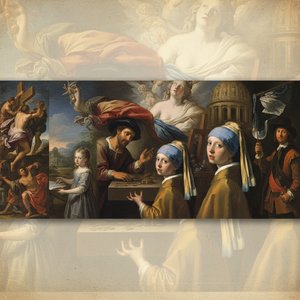
Barockens Mästerverk: Topp 10 konstverk som definierade en epok – TopImpressionists.se
Upptäck barockens 10 största mästerverk! Caravaggio, Rembrandt, Bernini och fler. Lär känna historien bakom ikoniska målningar & skulpturer. Köp reproduktioner av hög kvalitet på TopImpressionists.com – för en lyxig heminredning.
Utforska konstverk sorterade efter tema, stil och egenskaper.


