


 Förhandsvisa
 Skicka
 Dela
Dela
 Visa detaljer
 Guide
Guide

 Ladda ner
 Liknande objekt
 Röntgen
 Bildspel
 Statistik
Reflection


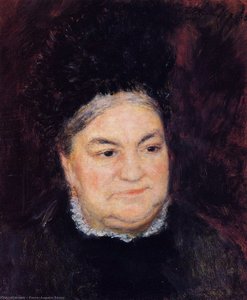
Experience Pierre-Auguste Renoir’s ‘Reflection,’ an Impressionist masterpiece capturing a woman's enigmatic gaze and vibrant Parisian light. A serene portrait brimming with nostalgia & beauty.
 Visa mer
Pierre-Auguste Renoir: En fransk impressionistkänd för ljus, liv och skönhet i sina ikoniska porträtt och landskap. Upptäck hans värld!
Giclée / Konsttryck
Giclée- eller canvasprint av museumskvalitet med snabb produktion och flexibla ytbehandlingsalternativ. ( Beställ handmålad reproduktion Byt till digital bild)




P118B Skr10

P118H Skr10

P118W Skr10

P438Z Skr10

P508JH Skr12

P508YH Skr12

P805H Skr10

P805Z Skr10

P919BZ Skr10

P919G Skr10

P919XJ Skr10

P959ZH Skr10

P968JZ Skr12

W106C Skr8

W218G Skr10

W218JH Skr8

W218Y Skr10

W307PJ Skr10

W316G Skr10

W316PJ Skr8

W316Y Skr10

W398PJ Skr8

W4111J Skr10

W500HY Skr15

W500JH Skr15

W692G Skr12

W849H Skr8

W940BG Skr15

W953PJ Skr8




Standardstorlek
skräddarsydd
CM
INCH
Välj bland våra förinställda storlekar som motsvarar konstverkets ursprungliga proportioner.
Loading sizes...

bredd
höjd
Ange den bredd och höjd du behöver för att passa din ram eller vägg. Ett tryck kan endast beskäras, aldrig göras större än originalbilden, vilket innebär att ett format med en annan proportion leder till att en del av bilden går förlorad. Vi skickar en digital mockup för godkännande innan vi påbörjar tryckningen. Bilden som visas på denna sida visar inte den faktiska beskärningen — det är endast mockuppen som gör det.
Leverans över hela världen () på 2 veckor istället för standard 4/5 veckor. (26 oktober)

Fri expressfrakt över hela världen

Högkvalitativ linnecanvas

Fullständig fraktförsäkring

Garantier för återbetalning av tullavgifter

Garantier för exakt färgåtergivning

100 dagars returrätt (endast vid fel)

100% pengarna tillbaka-garanti

Mängdrabatt erbjuds
 Glasalternativet är endast tillgängligt i storlekar under 110 cm.

Reflection
Giclée / Konsttryck
Storlek på reproduktion
-


Slutgiltigt pris
Skr 685
Reflection: A Moment Frozen in Light – Renoir’s Impressionistic Intimacy
Pierre-Auguste Renoir's “Reflection,” painted in 1877, isn’t merely a portrait; it’s an exquisitely captured slice of Parisian life imbued with a profound sense of nostalgia and quiet observation. This captivating oil on canvas immediately draws the viewer into a private moment, a fleeting impression of a woman lost in thought as she gazes off-camera. The painting exemplifies the core tenets of Impressionism – not just a style, but a philosophy of seeing and representing the world around us. Renoir’s masterful manipulation of light and color transforms a simple scene into an evocative meditation on beauty, memory, and the elusive nature of emotion.
The subject herself remains subtly enigmatic. Dressed in a fashionable black hat adorned with a vibrant red ribbon – a detail that immediately commands attention – she possesses a captivating stillness. Her posture suggests a gentle contemplation, perhaps a fleeting smile or a hint of melancholy playing on her lips, though her gaze is directed beyond the frame, inviting us to imagine what occupies her thoughts. The background, featuring a simple chair, isn’t merely decorative; it grounds the scene in reality and adds a layer of intimacy, as if we are privileged witnesses to this private reverie. The brushstrokes themselves are loose and visible, characteristic of Impressionism's rejection of academic precision in favor of capturing the immediacy of perception.
The Language of Light: Renoir’s Revolutionary Technique
Renoir’s approach to light is arguably the painting’s most striking element. He abandons traditional shading techniques and instead employs a vibrant, almost luminous palette to depict the scene. The red ribbon, rendered in bold strokes of crimson and pink, practically vibrates with color, while the black hat provides a dramatic contrast. This deliberate use of color isn't simply decorative; it’s a fundamental aspect of Impressionism’s exploration of how light affects our perception. As discussed in articles like those found on Light in painting, Renoir was pushing the boundaries of artistic representation by prioritizing the *effect* of light over a literal depiction of form and shadow. He sought to capture the transient qualities of sunlight as it danced across surfaces, creating an atmosphere of warmth and vibrancy.
The technique employed is remarkably fluid – short, broken brushstrokes layered upon each other to build up color and texture. This creates a sense of movement and luminosity, mirroring the way light itself seems to shimmer and shift. It’s a deliberate departure from the smooth, polished surfaces favored by earlier artists, reflecting a new emphasis on spontaneity and direct observation.
A Bridge Between Styles: Renoir's Influence and Legacy
Pierre-Auguste Renoir stands as a pivotal figure in the transition from Realism to Impressionism. His work resonated with the burgeoning artistic circles of 19th-century Paris, influencing generations of artists who followed. As noted in resources like Paul Cézanne, the Post-Impressionist painter was deeply impacted by Renoir’s emphasis on color and form. Cézanne's later explorations of planes of color and simplified forms can be seen as a direct response to Renoir’s pioneering approach. The influence extends beyond Cézanne; artists like Monet and Sisley, with whom Renoir collaborated closely, also built upon his innovations.
“Reflection” itself serves as a testament to this legacy – a beautiful example of Impressionism's commitment to capturing the fleeting beauty of everyday life. Further exploration of Renoir’s oeuvre, such as in pieces like Portrait of Margot (Portrait of a Model), reveals the breadth and depth of his artistic vision.
Bringing “Reflection” Home: A High-Quality Reproduction
TopImpressionists offers meticulously crafted hand-painted reproductions of Pierre-Auguste Renoir’s “Reflection,” allowing you to experience this iconic artwork in stunning detail. Each reproduction is created by skilled artists who painstakingly recreate the original's delicate brushstrokes, vibrant colors, and atmospheric quality. Whether displayed in a formal setting or cherished as a personal treasure, our reproductions capture the essence of Renoir’s masterpiece – its quiet beauty, evocative mood, and timeless appeal. For those seeking to delve deeper into Renoir’s world, we encourage you to visit the Museu Rhode Island School of Design Museum of Art in Providence, Rhode Island, to view original works and gain further insight into Renoir’s artistic journey.
Frågor och svar
Hur harmonierar färgerna i "Reflection" med varandra?
Färgharmonin i "Reflection" beskrivs som Strong Color Unity.
Vilken konstnär tillskrivs "Reflection"?
Konstnären bakom "Reflection" är Pierre-Auguste Renoir. Verket är katalogiserat under Pierre-Auguste Renoirs namn.
Var kan jag köpa ett tryck av "Reflection" av Pierre-Auguste Renoir?
För att beställa ett tryck av "Reflection" av Pierre-Auguste Renoir, gå helt enkelt till dess sida för Konsttryck i hög kvalitet: ett konsttryck på bomullscanvas eller arkivbeständigt canvaspapper.
Liknande konstverk




Konstnärsbiografi
En Mästare av Ljus och Liv: Pierre-Auguste Renoirs Värld
Pierre-Auguste Renoir, född 1841 i den provinsiella franska staden Limoges, representerar en fascinerande resa från en ödmjuk början som porslinsmålare till att bli en hyllad mästare inom impressionismen. Hans tidiga liv präglades av en flytt till Paris med familjen, driven av ekonomiska möjligheter – en upplevelse som skulle forma hans konstnärliga känslighet i grunden. Den pulserande staden, med sitt vibrerande gatuliv och mångfald av karaktärer, blev inspirationskällan för mycket av hans senare verk. Som ung lärde sig Renoir att måla porslin, en praktisk nödvändighet dikterad av ekonomiska begränsningar, men han fann tröst i frekventa besök på Louvren där han noggrant studerade de gamla mästarna och absorberade deras tekniker. Han utvecklade en uppskattning för skönhet som skulle bli ett kännetecken för hans stil. Denna tidiga exponering tände en passion inom honom som överträffade hantverket; det var en kallelse att fånga ljusets flyktighet och livets essens på duken. Senare skrevs han in i Charles Gleyres studio, där han knöt livslånga vänskapsband med blivande konstnärer som Claude Monet, Alfred Sisley och Frédéric Bazille – ett avgörande ögonblick som lade grunden för impressioniströrelsen.Från Realism till Strålande Intryck
Renoirs konstnärliga utveckling var en fascinerande process, påverkad av en mängd olika mästare. Han drogs initialt till Gustave Courbets och Édouard Manets realism, beundrade deras engagemang för att skildra samtida liv med ärlighet och direkthet. Det var dock Peter Paul Rubens och Jean-Antoine Watteaus ljusa paletter och sensuella former som verkligen fängslade honom, vilket inspirerade ett djupt uppskattande för skönhet i hans verk och en benägenhet att porträttera scener av glädje och fritid. Dessa tidiga influenser kulminerade när Renoir började forma sin egen unika stil, präglad av livfulla färger, brutna penseldrag och ett fokus på att fånga ljusets flyktiga effekter. Hans deltagande i den första impressionistutställningen 1874 var ett vattendelarmoment, även om det möttes med kritik från traditionella konstkretsar. Detta djärva drag signalerade en avvisning av akademiska konventioner och en omfamning av en ny konstnärlig vision – en som syftade till att fånga inte bara vad ögat ser, utan hur det *känns* att uppleva ett visst ögonblick. Målningar som Bal du moulin de la Galette (1876) exemplifierar detta tillvägagångssätt och fördjupar tittarna i den livliga atmosfären på Paris nattliv med sitt fläckiga solljus och glädjefulla figurer.Att Fånga Livets Flyktiga Ögonblick: Nyckelverk och Teman
Renoirs oeuvre är en hyllning till livets enkla nöjen – intima sammankomster, sollätta landskap och den strålande skönheten i den mänskliga formen. Luncheon of the Boating Party (1880-81) står som ett av hans mest ikoniska verk, som skildrar en sällskaplig grupp som njuter av en lugn eftermiddag på Seine. Målningen är en mästerklass i att fånga ljus och rörelse, med figurer badade i varmt solljus och reflektioner som skimrar i vattnet. After the Bath (1885-87) visar Renoirs utsökta skicklighet i att porträttera den kvinnliga nakenheten, med betoning på delikat hudton och graciösa poser. Hans målningar är inte bara representationer av verkligheten; de genomsyras av en känsla av värme, intimitet och glädje som resonerar djupt hos tittarna. Han var inte intresserad av storslagna historiska berättelser eller dramatiska allegorier; istället fokuserade han på att fånga skönheten i vardagen och lyfta vanliga ögonblick till konstverk. Dance at Bougival, ett annat hyllat verk, demonstrerar hans förmåga att fånga flyktiga intryck och atmosfäriska effekter, vilket skapar en känsla av rörelse och spontanitet.En Förskjutning Mot Form och Struktur: Senare År och Arv
Under 1890-talet genomgick Renoirs stil en betydande förändring. Även om han aldrig helt övergav sina impressionistiska rötter, började han röra sig mot ett mer skulpturalt och klassiskt tillvägagångssätt, påverkat av hans resor till Italien och ett förnyat intresse för form och struktur. Denna förändring berodde delvis på fysiska begränsningar – artrit begränsade gradvis hans rörlighet, vilket tvingade honom att anpassa sin teknik. Trots dessa utmaningar fortsatte Renoir att måla med orubblig hängivenhet och producerade verk som kännetecknas av fylligare figurer och en varmare palett. Hans senare målningar återspeglar ofta ett mer kontemplativt humör, men de behåller samma underliggande hyllning till skönhet som definierade hans tidigare arbete. Utöver sina konstnärliga prestationer sträcker sig Renoirs arv genom hans familj; hans son, Jean Renoir, blev en känd filmskapare och bar vidare en kreativ anda över generationerna. Pierre-Auguste Renoir dog 1919 och lämnade efter sig ett bestående verk som fortsätter att inspirera och glädja publiken världen över. Han förblir en av de mest älskade figurerna inom konsthistorien, hyllad för sin förmåga att fånga livets glädje och den mänskliga upplevelsens skönhet med oöverträffad känslighet och grace.Bestående Inflytande
- Renoirs inflytande på efterföljande generationer av konstnärer är obestridligt. Hans betoning på ljus, färg och att fånga flyktiga ögonblick banade väg för många moderna konstnärliga rörelser.
- Hans hyllning till skönhet och sensualitet fortsätter att resonera med publiken idag, vilket gör hans verk universellt tilltalande.
- Han spelade en avgörande roll i etableringen av impressionismen som en stor kraft inom konsthistorien, utmanade traditionella konventioner och öppnade upp nya möjligheter för konstnärligt uttryck.
- Den bestående populariteten hos hans målningar – reproducerade på otaliga affischer, kalendrar och andra varor – vittnar om den tidlösa kvaliteten i hans verk.

Pierre-Auguste Renoir
1841 - 1919 , Frankrike
Kortfakta
- Artistic Movement Or Style: Impressionism
- Artists Or Movements Influenced By This Artist: ['Impressionism']
- Artists Who Influenced This Artist:
- Rubens
- Watteau
- Courbet
- Date Of Birth: 25 februari 1841
- Date Of Death: 3 december 1919
- Full Name: Pierre-Auguste Renoir
- Nationality: Fransk
- Notable Artworks:
- Bal du moulin de la Galette
- Luncheon of the Boating Party
- After the Bath
- Place Of Birth: Limoges, Frankrike
Relaterade artiklar

Mästverk i svart: Topp 10 målningar som fascinerar – TopImpressionists.se
Utforska 10 ikoniska målningar dominerade av svart – från Rembrandts djupa skuggor till Munchs ångest. Lär känna historien bakom mästerverken och hitta inspiration för din inredning på TopImpressionists.se. Upptäck hela kollektionen online!

Renoirs Mästverk: Topp 25 Konstverk för Hemmet & Själens Frid
Utforska Renoirs 25 mest älskade konstverk! Fördjupa dig i impressionismens värld, från balettscener till romantiska porträtt. Hitta inspiration & museumkvalitativa reproduktioner på TopImpressionists.com.

Topp 10 Impressionistiska Mästverk som Definierade Konströrelsen – TopImpressionists
Upptäck de 10 mest inflytelserika impressionistiska mästerverken av Monet, Renoir & Degas. Lär känna historien bakom varje konsttryck och hitta inspiration för din heminredning hos TopImpressionists.com – museumkvalitet online!

Crimson Threads of Narrative: Exploring Symbolism & Representation in Artworks Featuring the Red Dress
Explore the rich symbolism of the red dress in art history! From ancient power displays to iconic portraits like Cézanne’s 'Madame Cezanne', discover the cultural and artistic significance behind this captivating color. Expert analysis & insights.

Topp 10 Impressionistiska Mästerverk som Definierade Konsten – TopImpressionists
Utforska de 10 mest ikoniska impressionistiska mästerverken av Monet, Renoir & Degas. Lär känna historien bakom dessa tidlösa konstverk och upptäck hur ljus och färg definierade en epok. Köp museumskvalitativa tryck på TopImpressionists.com.
Utforska konstverk sorterade efter tema, stil och egenskaper.


