


 Visa i rummet
 Skicka
 Dela
Dela
 Detaljer
 Studentguide för konstverk

 Ladda ner
 Liknande objekt
 Röntgen
 Bildspel
 Besökstatistik
Self Portrait
 Oil On Canvas
- WallArt
- Post-Impressionism
 1899
1899- 19th Century
 33.0 x 41.0 cm
A striking post-impressionist self portrait by Raoul Dufy captures a serious man in a red bow tie with vibrant oil textures, offering a unique opportunity to bring this piece of French art history into your collection.
 Läs mer
Raoul Dufy (1877-1953): En fransk konstnär känd för sin livfulla färgpalett, lekfulla kompositioner och en glädjefull skildring av modernitet. #Dufy #Fauvism
Giclée / Konsttryck
Giclée- eller canvasprint av museumskvalitet med snabb produktion och flexibla ytbehandlingsalternativ. ( Köp handmålat konstverk Byt till digital bildförsäljning)




P118B Skr10

P118H Skr10

P118W Skr10

P438Z Skr10

P508JH Skr12

P508YH Skr12

P805H Skr10

P805Z Skr10

P919BZ Skr10

P919G Skr10

P919XJ Skr10

P959ZH Skr10

P968JZ Skr12

W106C Skr8

W218G Skr10

W218JH Skr8

W218Y Skr10

W307PJ Skr10

W316G Skr10

W316PJ Skr8

W316Y Skr10

W398PJ Skr8

W4111J Skr10

W500HY Skr15

W500JH Skr15

W692G Skr12

W849H Skr8

W940BG Skr15

W953PJ Skr8




Standardstorlek
anpassad
CM
INCH
Välj bland våra förinställda storlekar som motsvarar konstverkets ursprungliga proportioner.
Loading sizes...

bredd
höjd
Ange den bredd och höjd du behöver, för att passa din ram eller din vägg. Ett tryck kan endast beskäras, aldrig göras större än bilden, vilket innebär att ett format med en annan formform leder till att en del av bilden går förlorad. Vi skickar en digital mockup för godkännande innan vi trycker något. Bilden som visas på denna sida visar inte den faktiska beskärningen — det är endast mockuppen som gör det.
Leverans över hela världen () på 2 veckor istället för standard 4/5 veckor. (24 oktober)

Fri expressfrakt över hela världen

Högkvalitativ linnecanvas

Fullständig fraktförsäkring

Garantier för återbetalning av tullavgifter

Garantier för exakt färgåtergivning

100 dagars returrätt vid fabrikationsfel

100% pengarna tillbaka-garanti

Mängdrabatt erbjuds
 Glasalternativet är endast tillgängligt i storlekar under 110 cm.

Self Portrait
Giclée / Konsttryck
Reproduktionsstorlek
-


Totalpris
Skr 684
A Moment Captured in Time: The Introspection of Raoul Dufy
In the quiet, contemplative moments before his brush became a conduit for the exuberant colors of Fauvism, Raoul Dufy captured a profound sense of self through his Self Portrait. Painted in 1899, this work serves as a poignant window into the artist's early psyche, long before he became the master of light and joyful French landscapes. The portrait presents a man poised in a moment of deep thought, his gaze averted from the viewer as if lost in an internal dialogue or observing something unseen beyond the frame. Clad in a formal suit jacket and a striking red bow tie, the subject possesses a certain gravity, a seriousness that hints at the burgeoning talent and the intense dedication required to navigate the competitive art world of late 19th-century France.
The technique employed in this oil on canvas reflects the rich, tactile traditions of the era. Even in this early stage of his career, one can sense the influence of the Impressionist masters, with a deliberate use of texture to create depth and presence. The way the light catches the fabric of his attire and the subtle shadows contouring his face suggests a mastery of form that would later evolve into his signature decorative style. There is a weight to the colors here—a richness that anchors the subject within the composition, providing a sense of permanence and dignity that makes the piece feel both intimate and monumental.
The Prelude to Vibrancy: Style and Historical Context
To look upon this 1899 masterpiece is to witness the genesis of a legend. At the time of this painting, Dufy was still deeply immersed in the academic foundations of Le Havre and the burgeoning influences of Montmartre. While his later works would dance with the wild, uninhibited hues of Fauvism, this self-portrait retains a more somber, post-impressionist restraint. It is a study in character rather than a celebration of spectacle. The artist uses a palette that, while grounded, prepares the eye for the chromatic revolutions to come, using contrast and tonal shifts to direct the viewer's emotion toward the subject's contemplative state.
For collectors and interior designers, this piece offers a unique opportunity to possess a foundational moment in art history. It provides a sophisticated anchor for a room, offering a sense of intellectual depth and historical weight. Unlike more boisterous works, this portrait invites quiet observation, making it an ideal centerpiece for a study, a library, or a formal sitting area where conversation and reflection are encouraged. The subtle tension between the man's formal attire and his wandering gaze creates a narrative mystery that continues to captivate anyone who lingers before its canvas.
An Invitation to Elegance
Bringing a high-quality reproduction of this Self Portrait into a home or gallery space is more than an act of decoration; it is an act of curation. It allows the timeless elegance of Dufy’s early period to breathe within a modern setting, bridging the gap between the turn of the century and the contemporary era. The painting's ability to evoke emotion—ranging from a sense of nostalgic melancholy to a profound respect for the artist's journey—makes it a versatile and powerful addition to any curated collection.
Whether you are an art enthusiast seeking to connect with the roots of French modernism or a designer looking for a piece that embodies serious, classical beauty, this work stands as a testament to the enduring power of the human spirit captured through paint. It remains a soulful, evocative masterpiece that promises to inspire awe and contemplation for generations to come.
Frågor och svar
Vilken konstnär och vilken stil ligger bakom "Self Portrait"?
Bakom "Self Portrait" står Raoul Dufy och Post-Impressionism-rörelsen.
Hur starka är färgerna i "Self Portrait"?
Färgen i "Self Portrait" har en mättnad på Balanced Soft och en intensitet på Balanced.
Vilka andra namn eller alias använder sig Raoul Dufy av?
Raoul Dufy förekommer även under namnen Dufy.


Om konstnären
A Life Immersed in Color and Light
Raoul Dufy, född den 3 juni 1877 i den livliga hamnstad Le Havre, Normandie, var en konstnär vars namn blev synonymt med glädje, färgrikedom och en distinkt fransk *joie de vivre*. Hans resa började inte mitt i paletter och penslar, utan snarare i den praktiska världen av handel, där han arbetade för ett kaffiimportföretag efter att ha lämnat skolan vid fjorton års ålder. Trots detta brann dock en stark passion för konst inom honom, som ledde till kvällskurser på Le Havres École des Beaux-Arts och öppnade dörren till en framtid fylld av kreativitet. Där knöt han vänskap med andra konstnärer – Raimond Lecourt och Othon Friesz – som delade hans studio i Montmartre och en strävan efter att utforska nya visuella språk. Dessa tidiga år präglades av influenser från Impressionismen, särskilt de ljusa landskapen hos Claude Monet och Camille Pissarro, vilket lade grunden för Dufys senare mästerskap inom ljus och färg. Han mottog en stipendium för att studera vid École Nationale supérieure des Beaux-Arts i Paris, där han ytterligare finslipade sina färdigheter och fördjupade sig i den konstnärliga bubblan av tiden.Embracing Fauvism and Finding His Voice
År 1900-talets början såg Dufy navigera i det ständigt föränderliga landskapet av modern konst. Initiala utforskningar ledde honom genom Kubismen, men det var Henri Mattisses banbrytande *Luxe, Calme et Volupté* vid Salon des Indépendants 1905 som visade sig vara en verklig omvälvning. Denna utställning, med sin vågade användning av färg och uttrycksfull frihet, resonerade djupt hos Dufy och drev honom mot en stil präglad av djärva nyanser och frigjorda penseldrag. Han absorberade inte bara Fauvismens energi utan destillerade den till något unikt för sig själv. Han avvek från rörelsens strikta dogmer, utvecklade ett mer dekorativt och flytande tillvägagångssätt. Denna period präglades av experimenterande med olika medier – illustration, textildesign för Paul Poiret, även keramik – vilket visade på en imponerande mångsidighet som sträckte sig bortom de traditionella gränserna för målning. Hans design var inte bara dekorativ utsmyckning; den var en integrerad uttrycksform av hans konstnärliga vision, och tillförde livfullhet och dynamik till vardagliga föremål.A Stenographic Style: Capturing Modern Life
Under 1920-talet hade Dufy fullt blomstrat i sin så kallade “stenografiska” stil. Denna teknik innebar att han snabbt applicerade tunna lager av färg över skelettstrukturer, vilket skapade en känsla av rörelse och spontanitet. Det var ett perfekt sätt att fånga modern livs energi – seglatskapstävlingar, pulserande stadsbilder, eleganta sociala sammankomster vid den franska Rivieran. Han var inte intresserad av minutiös detaljrikedom; han sökte att förmedla atmosfär, känsla och skönheten i ett ögonblick. Hans målningar blev hyllningar till fritid, nöje och det livfulla pulsen av samtida samhälle. Han målade orkestrar, loppbanor och havslandskap med en sprudlande kvalitet som fångade andan i jazzåldern. Denna period såg också honom genomföra stora beställningar, inklusive den monumentala *La Fée Electricité* för Expositionen Internationale 1937 i Paris – ett enormt verk som hyllade elektricitetens inverkan på det moderna livet, utfört med en imponerande hastighet och effektivitet med hjälp av ett nytt snabbtorkande medium.Key Characteristics of Dufy’s Art
- Vibrant Color Palette: Dufy var känd för sin användning av livfulla, mättade färger, ofta applicerade i tunna lager.
- Dynamic Composition: Hans målningar präglades ofta av energiska kompositioner som förmedlade en känsla av rörelse och spontanitet.
- Decorative Style: En stark dekorativ element var närvarande genom hela hans verk, influerad av hans designarbeten för textilier och keramik.
- Celebration of Modern Life: Dufys konst skildrade ofta scener av fritid, sociala sammankomster och nöjen i det samtida samhället.
- Stenographic Technique: Hans signaturstil innebar att han snabbt applicerade tunna lager av färg över skelettstrukturer.
Influences and Artistic Development
Dufys konstnärliga utveckling var en fascinerande blandning av påverkan och självständighet. Han började med Impressionismen, inspirerad av Monet och Pissarro, men hans möte med Matisse vid Salon des Indépendants 1905 markerade ett avgörande ögonblick. Fauvismens vågade färgpalett och frihetliga penseldrag öppnade nya dörrar för honom. Han experimenterade med Kubism under en tid, men återvände snart till en mer personlig stil, influerad av Cézanne. Hans tid i Montmartre var rik på konstnärliga utbyten, och han samarbetade med andra framstående konstnärer som Othon Friesz. Han utvecklade en distinkt stil som kombinerade Fauvismens energi med en dekorativ känsla och ett fokus på att fånga ögonblickets flyktighet. Hans verk reflekterar inte bara hans personliga vision utan också den dynamiska atmosfären i det tidiga 20:e århundradet.Legacy and Enduring Appeal
Raoul Dufy dog i Forcalquier år 1953, men hans konst fortsätter att inspirera och fascinera. Hans verk finns samlade i prestigefyllda museer över hela världen, inklusive Musée d’Orsay i Paris, Hermitage-museet i St Petersburg och The Museum of Modern Art i New York – ett bevis på hans bestående konstnärliga betydelse. Han var inte bara en målare; han var en skildrare av sin tid, som fångade andan i en era med hjälp av en unik blandning av Fauvist energi, dekorativ elegans och en distinkt optimistisk vision. Hans konst erbjuder fortfarande en färgstark flykt och en påminnelse om att omfamna *joie de vivre* – glädjen i livet – som genomsyrade hans liv och verk.
Raoul Dufy
1877 - 1953 , Frankrike
Snabbfakta
- Artistic Movement Or Style: Fauvisme
- Artists Or Movements Influenced By This Artist:
- Ceramiken
- Textildesign
- Artists Who Influenced This Artist:
- Monet
- Matisse
- Date Of Birth: 3 juni 1877
- Date Of Death: 23 mars 1953
- Full Name: Raoul Dufy
- Nationality: Fransk
- Notable Artworks:
- La Plage de Ste-Adresse
- Portrait de Mme. Dufy
- Place Of Birth: Le Havre, Frankrike
Relaterade artiklar

Beyond the Light: Discovering the Soul and Emotional Depth of Post-Impressionism
Embark on a cultural journey through Post-Impressionism. Discover the profound emotional depth of masters like Van Gogh and Cézanne, exploring how they moved beyond light to capture the very soul of human experience through vibrant color and symbolic form.

Capturing the Soul: The Ethereal Magic and Timeless Technique of Impressionist Portraiture
Discover the ethereal beauty of Impressionist portraiture. Explore how masters like Monet and Renoir captured light and soul through brushwork, and learn how to bring this timeless magic into your home with exquisite, hand-painted oil reproductions from TopImpressionists.com.

Capturing Emotion: A Journey Through the Soul of Expressionist Landscapes
Explore the profound emotional depth of Expressionist landscapes. Discover how Post-Impressionist masters moved beyond light to capture the soul through vibrant color and form. A curated journey for true art lovers seeking the beauty of expressive mastery.
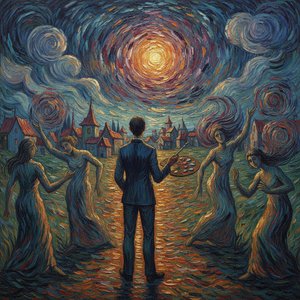
Beyond the Light: Capturing Emotion Through the Expressive Soul of Post-Impressionism
Explore the profound emotional depth of Post-Impressionism. Discover how masters like Van Gogh and Cézanne moved beyond light to capture raw feeling through color and texture. A journey into art history for the true connoisseur.