

 Förhandsvisa
 Skicka
 Dela
Dela
 Visa detaljer
 Guide
Guide

 Ladda ner
 Liknande objekt
 Röntgen
 Bildspel
 Q&A
Q&A Statistik
James Hope Grant

Admire Sir Francis Grant’s elegant 19th-century portraits! Explore his masterful depictions of British aristocracy & sporting scenes. A timeless classic for art collectors.
Sir Francis Grant (1803-1878): Skotsk målare känd för eleganta porträtt av brittisk adliga familjer, inklusive drottning Victoria och mästerverk som "Melton Breakfast". Utforska hans konstnärliga arv!
 Visa mer
Giclée / Konsttryck
Giclée- eller canvasprint av museumskvalitet med snabb produktion och flexibla ytbehandlingsalternativ. ( Beställ handmålad reproduktion Byt till digital bild)




P118B Skr10

P118H Skr10

P118W Skr10

P438Z Skr10

P508JH Skr12

P508YH Skr12

P805H Skr10

P805Z Skr10

P919BZ Skr10

P919G Skr10

P919XJ Skr10

P959ZH Skr10

P968JZ Skr12

W106C Skr8

W218G Skr10

W218JH Skr8

W218Y Skr10

W307PJ Skr10

W316G Skr10

W316PJ Skr8

W316Y Skr10

W398PJ Skr8

W4111J Skr10

W500HY Skr15

W500JH Skr15

W692G Skr12

W849H Skr8

W940BG Skr15

W953PJ Skr8




Standardstorlek
skräddarsydd
CM
INCH
Välj bland våra förinställda storlekar som motsvarar konstverkets ursprungliga proportioner.
Loading sizes...

bredd
höjd
Ange den bredd och höjd du behöver för att passa din ram eller vägg. Ett tryck kan endast beskäras, aldrig göras större än originalbilden, vilket innebär att ett format med en annan proportion leder till att en del av bilden går förlorad. Vi skickar en digital mockup för godkännande innan vi påbörjar tryckningen. Bilden som visas på denna sida visar inte den faktiska beskärningen — det är endast mockuppen som gör det.
Leverans över hela världen () på 2 veckor istället för standard 4/5 veckor. (1 november)

Fri expressfrakt över hela världen

Högkvalitativ linnecanvas

Fullständig fraktförsäkring

Garantier för återbetalning av tullavgifter

Garantier för exakt färgåtergivning

100 dagars returrätt (endast vid fel)

100% pengarna tillbaka-garanti

Mängdrabatt erbjuds
 Glasalternativet är endast tillgängligt i storlekar under 110 cm.

James Hope Grant
Giclée / Konsttryck
Storlek på reproduktion
-


Slutgiltigt pris
Skr 693
Konstnärsbiografi
Sir Francis Grant (1803–1878): Celebrated Scottish Portrait & Sporting Painter and Royal Academy President
Sir Francis Grant, a name synonymous with refined portraiture and dedicated service to the British art establishment, emerged as one of the most sought-after artists of his era. Born in 1803 into a landed family in Perthshire, Scotland, young Francis initially seemed destined for a career in law. However, the pull of artistic expression proved too strong to resist. Though largely self-taught, he briefly studied under Alexander Nasmyth in Edinburgh, laying an early foundation before forging his own distinctive path. This path wasn’t immediately clear; Grant's initial successes came with sporting scenes, capturing the energy and vibrancy of rural life – subjects that would initially define his reputation. A pivotal moment arrived through his marriage, granting him access to the exclusive world of Melton Mowbray’s hunting set. There, he honed his skills under John Ferneley, a master of equestrian art, and began to specialize in depictions of horses and hounds – endeavors that showcased his meticulous attention to detail and compositional prowess.Early Artistic Development & Sporting Achievements
Grant's formative years were marked by an unwavering fascination with the natural world and particularly with equine pursuits. His early canvases celebrated the thrill of fox hunting and the beauty of rural landscapes, establishing him as a prominent figure in the burgeoning sporting art movement. *Melton Breakfast* (1834), arguably his most iconic work, exemplifies this style—a dynamic portrayal brimming with vibrant colors and capturing the palpable excitement of a hunting event. This painting demonstrated Grant’s remarkable ability to convey emotion and atmosphere through visual means, securing him considerable acclaim within artistic circles. His mentor, John Ferneley, instilled in him invaluable techniques for portraying horses realistically, influencing his subsequent compositions and solidifying his reputation as an equestrian artist. The meticulous observation of animal anatomy and movement became a hallmark of Grant’s oeuvre—a testament to Ferneley's influence and Grant’s own dedication to mastering the craft.The Royal Portraiture Tradition & Victorian Patronage
Grant’s artistic trajectory took a decisive turn when he secured commissions from influential members of British society, notably the royal family. His portrait of Lady Glenlyon (1842) stands as a watershed moment in his career—a masterpiece that solidified his position among the foremost portraitists of the Victorian era and cemented his legacy as an artist who captured not merely physical likeness but also inner character and social standing. Grant’s style blended Neoclassical elegance with subtle Romantic sensibilities, characterized by masterful use of chiaroscuro (light and shadow) to create dramatic effects—a technique honed during his studies under Nasmyth and perfected through years of experience. He skillfully rendered the subtleties of expression and posture, conveying a profound understanding of human psychology alongside technical virtuosity. The patronage of Queen Victoria herself underscored Grant’s prestige and ensured that his portraits would endure as symbols of Victorian grandeur and refinement.A Master of Equestrian Art & Academic Recognition
Grant's artistic prowess extended beyond portraiture into the realm of equestrian art, where he achieved unparalleled renown. His depictions of horses and hounds were celebrated for their accuracy, dynamism, and emotional resonance—reflecting Ferneley’s teachings and Grant’s own unwavering passion for the subject matter. The monumental group portrait of Queen Victoria riding with Lord Melbourne and others in Windsor Park (1840) exemplifies his mastery of this genre—a breathtaking spectacle that captured both the regal dignity of the monarch and the noble spirit of her companions. This ambitious undertaking demanded exceptional skill in anatomical rendering, perspective projection, and compositional balance—challenges Grant embraced wholeheartedly, resulting in a work of enduring artistic significance. His election as an associate of the Royal Academy in 1842 marked a pivotal moment in his career—a recognition of his artistic accomplishments and a testament to his unwavering commitment to upholding academic standards.Legacy & Influence: Shaping British Art History
Grant’s presidency of the Royal Academy from 1866 until his death in 1878 represented a culmination of his lifelong dedication to art and scholarship—a period during which he championed innovation while honoring tradition. He instituted a groundbreaking practice: the holding of major loan exhibitions, expanding the Academy's reach and fostering greater engagement with the public—a transformative step that cemented its role as a cornerstone of British cultural life. Grant’s influence extended far beyond his own artistic output; he mentored younger artists and championed stylistic experimentation, shaping the trajectory of British art history. His paintings continue to be admired for their beauty, technical brilliance, and psychological insight—serving as enduring reminders of a remarkable artist who captured the spirit of his time. He remains a pivotal figure in Victorian art history – a skilled portraitist, a respected leader, and a chronicler of his era. His work offers not just aesthetic pleasure but also a fascinating glimpse into a bygone era.
Sir Francis Grant
1803 - 1878 , Storbritannien
Kortfakta
- Artistic Movement Or Style: Neoklassicism och Romantism
- Artists Or Movements Influenced By This Artist:
- Martin Archer Shee
- Solomon Alexander Hart
- Artists Who Influenced This Artist:
- Alexander Nasmyth
- John Ferneley
- Date Of Birth: 18 januari 1803
- Date Of Death: 5 oktober 1878
- Full Name: Sir Francis Grant
- Nationality: Skotsk
- Notable Artworks:
- Melton Breakfast
- Lady Glenlyon
- Equestrian Portraits av Drottningen Viktoria
- Place Of Birth: Edinburgh, Storbritannien
Relaterade artiklar

Francis Ferdinand Maurice Cook: A Study in Victorian Aestheticism & Landscape Evolution
Explore the captivating art of Sir Francis Ferdinand Maurice Cook – a British artist bridging Victorian traditions & Aestheticism. Discover his landscapes, collection history, and unique style. Expert analysis for collectors.

Sir Joshua Reynolds' Mästverk: 25 Porträtt som Definierade en Epok | TopImpressionists
Utforska 25 ikoniska porträtt av Sir Joshua Reynolds – en mästare inom engelsk rokokokon och neoclassicism. Upptäck historierna bakom hans eleganta oljemålningar och finn inspiration till din heminredning med TopImpressionists.com. Se hela samlingen online!

Sir Alfred James Munnings: Topp 25 mästerverk – Konst för hemmet & själen
Utforska Sir Alfred James Munnings 25 mest ikoniska målningar! Upptäck hästkonstens mästare, hans impressionistiska landskap & gripande krigskonst. Köp exklusiva konsttryck på TopImpressionists.com – för en tidlös inredning.
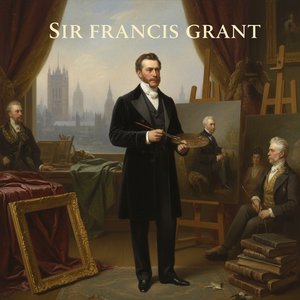
Sir Francis Grant: Portraiture, Patronage & Victorian Society
Explore the life & work of Sir Francis Grant, a leading Victorian portraitist. Discover his aristocratic clientele, role at the Royal Academy, and enduring artistic legacy. Learn about art patronage in 19th-century Britain.

Francis Bacons 25 Mästerverk: En Djupdykning i Konsthistoriens Mörkaste Själ – TopImpressionists.com
Utforska Francis Bacons 25 mest ikoniska målningar – en djupdykning i expressionismens mörka skönhet och modern konst. Lär känna historien bakom varje verk och hitta inspiration för din inredning med TopImpressionists.coms museumkvalitativa tryck. Upptäck mästerverken online!
Utforska konstverk sorterade efter tema, stil och egenskaper.

