

 Visa i rummet
 Skicka
 Dela
Dela
 Detaljer
 Studentguide för konstverk

 Ladda ner
 Liknande objekt
 Röntgen
 Bildspel
 Besökstatistik
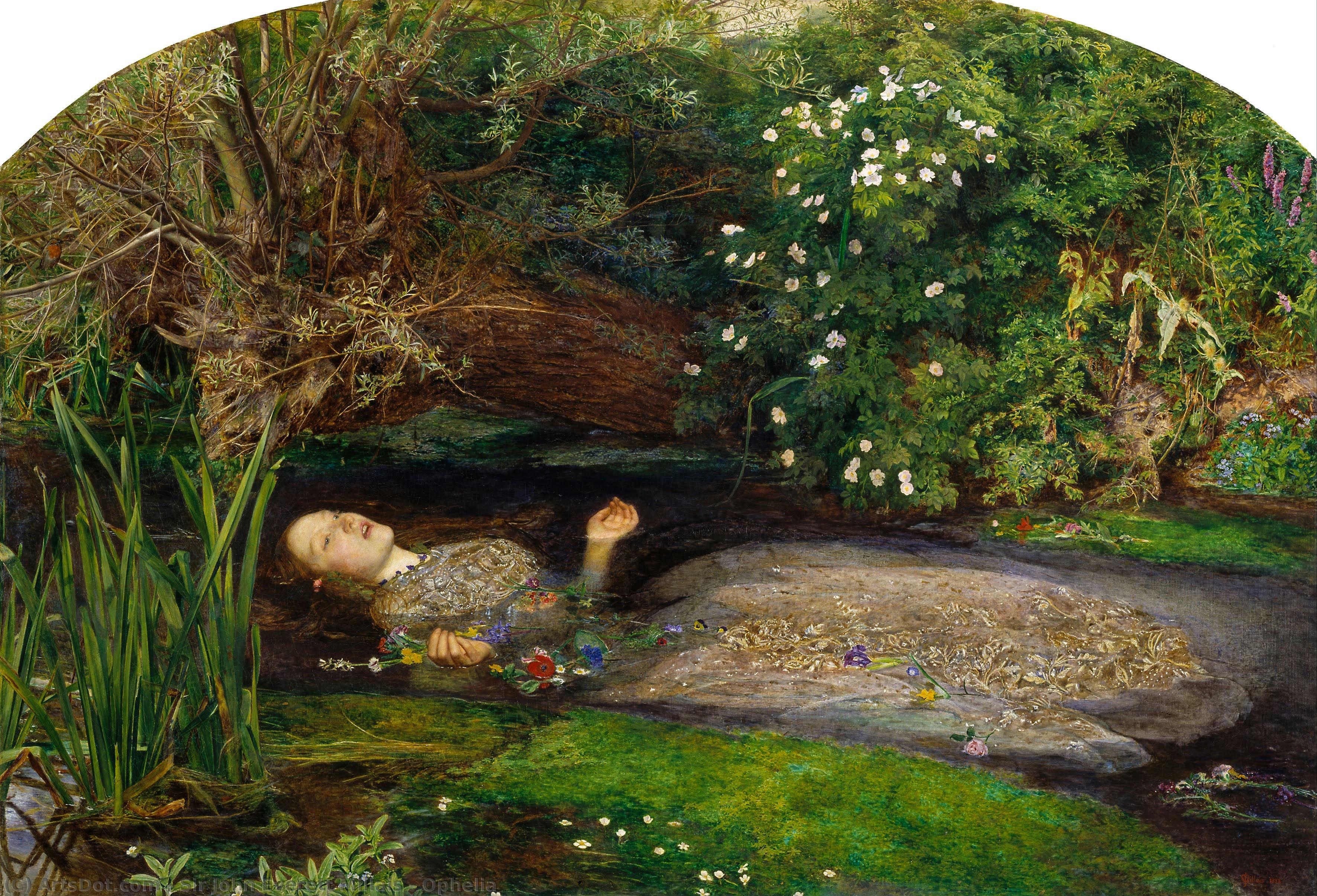
Ophelia
 Oil On Canvas
- WallArt
- Pre-Raphaelite
 1851
1851 11.0 x 76.0 cm
 Tate Britain
Experience Millais’ "Ophelia" – a breathtaking Pre-Raphaelite masterpiece! Explore its serene beauty, intricate detail & symbolic depth. A timeless work of art.
 Läs mer
Sir John Everett Millais (1829-1896) var en pionjär inom Pre-Raphaelitism, känd för sin detaljrika realism och ikoniska målningar som Ophelia & Christ i familjen. Hans konst fångade viktoriansk tid.
Handgjord oljereproduktion
Handmålad olja på duk i din valda storlek och ram, tillverkad efter beställning av våra konstnärer. ( Byt till tryckta exemplar Byt till digital bildförsäljning)




P118B Skr10

P118H Skr10

P118W Skr10

P438Z Skr10

P508JH Skr12

P508YH Skr12

P805H Skr10

P805Z Skr10

P919BZ Skr10

P919G Skr10

P919XJ Skr10

P959ZH Skr10

P968JZ Skr12

W106C Skr8

W218G Skr10

W218JH Skr8

W218Y Skr10

W307PJ Skr10

W316G Skr10

W316PJ Skr8

W316Y Skr10

W398PJ Skr8

W4111J Skr10

W500HY Skr15

W500JH Skr15

W692G Skr12

W849H Skr8

W940BG Skr15

W953PJ Skr8




Standardstorlek
anpassad
CM
INCH
Välj bland våra förinställda storlekar som motsvarar konstverkets ursprungliga proportioner.
Loading sizes...

bredd
höjd
Type the width and the height you need, to fit your frame or your wall. This is hand-painted, so for a size with a different shape the artist can paint a bit more around the picture, or cut a bit — you choose. We send you a digital mockup to approve before the painting starts. The picture shown on this page does not show the real result — only the mockup does.
Exempel på vad som kan anpassas: Byt ut ansiktet mot ett foto av kunden; Lägg till ett husdjur (t.ex. byt ut en katt mot en hund); Inkludera ett dolt meddelande i bakgrunden; Ändra bakgrundens landskap eller element.
Efter beställning kommer TopImpressionists.com team att mejla kunden för instruktioner och tillhandahålla en skissförhandsvisning
Efter beställning kommer TopImpressionists.com team att mejla kunden för instruktioner och tillhandahålla en skissförhandsvisning
Leverans över hela världen () på 3–4 veckor istället för standard 5 veckor. (14 oktober). Inga kompromisser med kvaliteten.

Fri expressfrakt över hela världen

Högkvalitativ linnecanvas

Fullständig fraktförsäkring

Garantier för återbetalning av tullavgifter

Garantier för exakt färgåtergivning

100 dagars returrätt vid fabrikationsfel

100% pengarna tillbaka-garanti

Mängdrabatt erbjuds
 Glasalternativet är endast tillgängligt i storlekar under 110 cm.

Ophelia
Tryckteknik
Reproduktionsstorlek
-


Totalpris
Skr 2630
A Frozen Moment of Melancholy: Millais’s “Ophelia”
Sir John Everett Millais's "Ophelia," painted in 1851–52, isn’t merely a depiction of a tragic Shakespearean scene; it’s an immersive experience—a meticulously crafted tableau of sorrow and beauty that continues to captivate viewers over a century and a half later. This iconic Pre-Raphaelite masterpiece transcends its literary source, becoming a profound meditation on loss, innocence, and the poignant surrender to nature's embrace. The painting immediately draws the eye with its luminous palette and astonishing level of detail, inviting the viewer into a world both idyllic and profoundly mournful.
Millais’s genius lies not just in his technical skill—though that is undeniably remarkable—but in his ability to evoke an atmosphere of palpable grief. He achieved this through a radical departure from conventional artistic practices for the time, choosing to paint *en plein air* (outdoors) and working directly from nature. This commitment to realism, coupled with the Pre-Raphaelite Brotherhood’s fascination with medieval and Renaissance art, resulted in a work that feels simultaneously ancient and utterly contemporary. The scene unfolds along the Hogsmill River near Ewell, Surrey, where Millais meticulously recreated the landscape, capturing the dappled sunlight filtering through the foliage and the shimmering reflections on the water's surface.
The Figure of Despair
At the heart of “Ophelia” is her figure—a young woman reclining gracefully in the stream, her expression a mixture of serene acceptance and heartbreaking resignation. Elizabeth Siddall, Millais’s model for Ophelia, endured an extraordinary ordeal to achieve this portrayal. For weeks, she posed submerged in a bathtub filled with cold water, draped in heavy velvet robes to simulate the chill of the river. This dedication to realism extended beyond mere appearance; it was a deliberate attempt to capture the physical sensation of drowning—a testament to Millais’s commitment to portraying the subject matter with unflinching honesty.
The details surrounding Siddall's posing are particularly poignant, revealing the demanding nature of Pre-Raphaelite art production. The discomfort she experienced led to a severe illness, requiring medical attention and ultimately shaping the painting’s atmosphere of vulnerability. Millais’s careful observation of her posture, the delicate drape of her gown, and the subtle expression on her face all contribute to the overwhelming sense of tragedy.
Symbolism Woven into the Scene
“Ophelia” is rich in symbolic detail, each element carefully chosen to deepen the narrative’s emotional resonance. The flowers scattered around her—violets, pansies, poppies, willow branches, and daisies—are not merely decorative; they carry specific meanings rooted in Victorian symbolism. Violets represent faithfulness and modesty, while poppies symbolize death and sleep. The willow branch, a traditional symbol of mourning, drapes over the riverbank, mirroring Ophelia’s descent into sorrow. Even the arrangement of the flowers suggests a deliberate composition—a visual representation of her fragmented thoughts and memories.
The inclusion of a silver casket, partially submerged in the water, further reinforces the theme of loss and remembrance. It is a relic from her past, a symbol of her shattered engagement and the world she has lost. The presence of a small mouse nestled amongst the embroidery on the table adds an unexpected layer of detail—a reminder of mortality and the fragility of life.
A Legacy of Beauty and Sorrow
“Ophelia” remains one of the most celebrated paintings in the Pre-Raphaelite canon, admired for its technical brilliance, emotional depth, and enduring power. It’s a work that invites repeated viewing—each encounter revealing new layers of meaning and nuance. Beyond its artistic merit, “Ophelia” has become an iconic image of female vulnerability and tragic beauty, frequently referenced in literature, film, and popular culture. Its depiction of a young woman surrendering to the embrace of nature continues to resonate with viewers today, serving as a poignant reminder of the ephemeral nature of life and the enduring power of art to capture both its splendor and its sorrow.
Reproductions of “Ophelia” offer an accessible way to experience this masterpiece firsthand. Whether displayed in a grand salon or a cozy study, this evocative image will undoubtedly spark conversation and inspire contemplation for years to come.
Frågor och svar
Vilken storlek rekommenderas för "Ophelia" i ett Living Room?
För ett Living Room är den rekommenderade tryckstorleken för "Ophelia" av John Everett Millais Medium.
Vilken är den rekommenderade tryckstorleken för "Ophelia" av John Everett Millais?
Rekommenderad tryckstorlek för "Ophelia" av John Everett Millais är Medium.
Hur samverkar kontrast och harmoni i "Ophelia"?
Färganalysen av "Ophelia" av John Everett Millais uppvisar en Balanced kontrast och en Balanced Harmony harmoni.
Om konstnären
A Prodigy of the Pre-Raphaelites: The Life and Art of Sir John Everett Millais
John Everett Millais, född i Southampton 1829, steg in i konstvärlden med en redan bevisad talang. Redan vid elva års ålder, en otrolig prestation för sin tid, antogs han på Royal Academy Schools – den yngsta studenten någonsin att få denna möjlighet. Detta tidiga tecken på exceptionell förmåga antydde en karriär som inte bara skulle definiera ett konstnärligt rörelse utan också fånga det viktorianska samhällets fantasi med sin betraktade realism och djupa känslomässiga innehåll. Från sina första dagar besatt Millais en anmärkningsvärd förmåga till observation, en kvalitet som skulle bli grundstenen i hans konstnärliga stil. Han målade inte bara det han såg utan skapade minutiöst om det, införing av varje penseldrag med nästan fotografisk noggrannhet. Denna dedikation till sanning i representation skiljde honom från sina samtida och ledde slutligen till att han utmanade de etablerade konventionerna inom den brittiska konsten.The Birth of a Brotherhood and Artistic Rebellion
Millais konstnärliga resa tog en avgörande vändpunkt 1848, när han tillsammans med Dante Gabriel Rossetti och William Holman Hunt grundade Pre-Raphaelite Brotherhood. Detta var inte bara ett estetiskt val utan en avsiktlig revolt mot vad de ansåg vara artificialiteten i akademisk konst – konst som hade avvikit för långt från den naturliga världen och den ärlighet som präglade tidig renässanskonst, konstnärer som arbetat *innan* Raphael. De Pre-Raphaelites sökte återuppliva klarheten, detaljrikedomen och de livfulla färgpaletterna hos konstnärer som Jan van Eyck och Fra Angelico. Deras manifest var en strävan efter sanning i naturen, ett avståndstagande från idealiserade former och en omfamning av ämnen hämtade ur litteratur, mytologi och vardagslivet. Millais’s tidiga verk, såsom *Isabella*, visade omedelbart denna nya approach – en minutiös uppmärksamhet på detaljer kombinerad med en berättande intensitet som fångade och ofta provocerade publiken. Hans mest kontroversiella verk under denna period, *Christ in the House of His Parents* (1849-50), skildrade den heliga familjen inte som eteriska varelser utan som vanliga arbetarklassens människor, vilket utlöste ilska bland kritiker som ansåg dess realism förstörare och till och med blasfemt.Evolving Styles and Victorian Sensibilities
Mitten av 1850-talet markerade en betydande förändring i Millais liv och konstnärliga stil. Hans äktenskap med Effie Gray, efter att hennes äktenskap med John Ruskin hade upplösts, påverkade hans verk djupt. Han rörde sig bort från den intensivt detaljerade, symboliska stilen i sina tidiga Pre-Raphaelite målningar mot en bredare, mer atmosfärisk realism. Denna förändring var inte bara ett stilistiskt val utan också en reflektion över en ökad engagemang med samtida liv och en önskan att fånga den flyktiga skönheten i naturen. Målningar som *Autumn Leaves* exemplifierar denna nya riktning – en fridfull representation av en grupp unga kvinnor som släpper löv på en flod, fylld av en känsla av melankoli och nostalgi. Han hittade också betydande framgång som porträttist, fångandes likheten hos framstående viktorianska figurer, inklusive John Gladstone och Benjamin Disraeli. Denna period såg Millais uppnå allmän popularitet och ekonomisk säkerhet, men den drog också kritik från vissa som ansåg att han hade kompromissat sina konstnärliga principer.Major Works and Lasting Influence
Trots denna kritik förblir Sir John Everett Millais en av de viktigaste figurerna i 1800-talets brittiska konst. Hans inflytande sträcker sig bortom Pre-Raphaelite Brotherhood; han omdefinierade standarderna för realism och berättarpanting, inspirerade generationer av konstnärer. Hans ikoniska bilder – *Ophelia*, med sin hjärtskärande skönhet och symboliska rikedom, **A Huguenot**, som skildrar en gripande stund av religiös konflikt och förbjuden kärlek, och många andra – fortsätter att resonera hos publiken idag. Millais förmåga att kombinera minutiös observation med känslomässig djup, hans behärskning av färg och komposition och hans vilja att utmana konstnärliga konventioner etablerade honom som en sann innovatör. 1896 valdes han till president för Royal Academy, ett testamente till sin bestående arv – men tragiskt nog dog han bara några månader efter sin val. Hans verk hyllas fortfarande i museer och samlingar över hela världen, vilket säkerställer att dess skönhet och kraft kommer att bestå för kommande generationer.Key Works
- Christ in the House of His Parents (1849-1850): Tate Britain, London – Ett kontroversiellt mästerverk som exemplifierar tidig Pre-Raphaelite realism.
- Ophelia (1851-1852): Tate Britain, London – Kanske hans mest kända verk, känt för sin hjärtskärande skönhet och symboliska djup.
- A Huguenot (1851-1852): Privat ägd – En dramatisk skildring av religiös konflikt och förbjuden kärlek.
- Mariana (1850-1851): Manchester Art Gallery – Inspirerad av Shakespeares dramer, visar Millais’s skicklighet i att fånga stämning och atmosfär.
- Autumn Leaves (1855-1856): City of Manchester Art Galleries – En fridfull och suggestiv målning som speglar hans utvecklande stil.

John Everett Millais
1829 - 1896 , Storbritannien
Snabbfakta
- Artistic Movement Or Style: Pre-Raphaelit
- Artists Or Movements Influenced By This Artist: ['Pre-Raphaeliter']
- Artists Who Influenced This Artist: ['Pre-Raphaeliter']
- Date Of Birth: 8 juni 1829
- Date Of Death: 13 augusti 1896
- Full Name: Sir John Everett Millais
- Nationality: Brittisk
- Notable Artworks:
- Ophelia
- Christ i huset
- A Huguenot
- Place Of Birth: Southampton, Storbritannien
Relaterade artiklar

The Pre-Raphaelite Brotherhood: Rediscovering Beauty, Romance, and Medieval Magic in Victorian Art
Embark on a journey through the Pre-Raphaelite Brotherhood. Discover the romantic symbolism, medieval magic, and radical beauty of Rossetti and Burne-Jones in this expert exploration of Victorian art history.
Utforska konstverk sorterade efter tema, stil och egenskaper.


