

![Self Portrait With Pipe [sketch] — Théo Van Rysselberghe](/media/artworks/images-full/9e/7b/9e7bce3a3cf712911704726cb84ae06e.jpg)
 Visa i rummet
 Skicka
 Dela
Dela
 Detaljer
 Guide
Guide

 Ladda ner
 Liknande objekt
 Röntgen
 Bildspel
 Besökstatistik
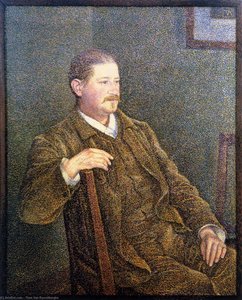
Self Portrait with Pipe [sketch]


Explore Théo van Rysselberghe's evocative Self Portrait with Pipe (1880), a seminal Neo-Impressionist masterpiece capturing light and introspection—a cornerstone of Belgian art history.
 Läs mer
Théo van Rysselberghe: En pionjär inom neoimpressionismen! Färgrik konst med influenser från Marocko och en passion för ljusets skönhet.
Handgjord oljereproduktion
Handmålad olja på duk i din valda storlek och ram, tillverkad efter beställning av våra konstnärer. ( Byt till tryckta exemplar Byt till digital bildförsäljning)




P118B $10

P118H $10

P118W $10

P438Z $10

P508JH $12

P508YH $12

P805H $10

P805Z $10

P919BZ $10

P919G $10

P919XJ $10

P959ZH $10

P968JZ $12

W106C $8

W218G $10

W218JH $8

W218Y $10

W307PJ $10

W316G $10

W316PJ $8

W316Y $10

W398PJ $8

W4111J $10

W500HY $15

W500JH $15

W692G $12

W849H $8

W940BG $15

W953PJ $8




Standardstorlek
anpassad
CM
INCH
Välj bland våra förinställda storlekar som motsvarar konstverkets ursprungliga proportioner.
Loading sizes...

bredd
höjd
Du kan ange egna mått för att passa en specifik ram eller yta. Om den valda storleken inte matchar originalbildens proportioner kommer vi antingen att beskära konstverket eller utöka målningen med ytterligare handmålade element. En digital skiss skickas till dig för godkännande innan produktionen påbörjas.
Observera att förhandsvisningen på skärmen inte återspeglar den faktiska beskärningen eller utökningen. Endast skissen visar den slutgiltiga kompositionen korrekt.
Även om anpassade storlekar är möjliga, rekommenderar vi att du väljer en dimension från den fördefinierade listan för att bevara originalproportionerna.
Exempel på vad som kan anpassas: Byt ut ansiktet mot ett foto av kunden; Lägg till ett husdjur (t.ex. byt ut en katt mot en hund); Inkludera ett dolt meddelande i bakgrunden; Ändra bakgrundens landskap eller element.
Efter beställning kommer TopImpressionists.com team att mejla kunden för instruktioner och tillhandahålla en skissförhandsvisning
Efter beställning kommer TopImpressionists.com team att mejla kunden för instruktioner och tillhandahålla en skissförhandsvisning
Leverans över hela världen () på 3–4 veckor istället för standard 5 veckor. (23 september). Inga kompromisser med kvaliteten.

Fri expressfrakt över hela världen

Högkvalitativ linnecanvas

Fullständig fraktförsäkring

Garantier för återbetalning av tullavgifter

Garantier för exakt färgåtergivning

100 dagars returrätt vid fabrikationsfel

100% pengarna tillbaka-garanti

Mängdrabatt erbjuds
 Glasalternativet är endast tillgängligt i storlekar under 110 cm.

Self Portrait with Pipe [sketch]
Tryckteknik
Reproduktionsstorlek
-


Totalpris
$ 269
A Quiet Contemplation Captured in Light
In the intimate stillness of 1880, Theo van Rysselberghe captured more than just his own likeness; he captured a moment of profound psychological depth. In his Self Portrait with Pipe [sketch], the artist presents us with an earnest, unblinking gaze that bridges the gap between the canvas and the observer. Seated indoors, the subject is enveloped in an atmosphere of quiet introspection, where every detail—from the subtle texture of his attire to the steady presence of his pipe—serves to deepen the narrative of a man lost in thought. This is not merely a study of a face, but an invitation into the artist's inner sanctum, offering a window into the contemplative soul that would later define much of the Neo-Impressionist movement.
The technical mastery displayed in this early work hints at the revolutionary path van Rysselberghe was destined to tread. While his later fame rests upon the scientific precision of pointillism, this piece showcases a remarkable command of oil on canvas and a burgeoning sensitivity to light. The artist utilizes a meticulous approach reminiscent of the cloisonné technique, applying layers that create a rich, textural landscape of shadow and luminosity. Through a subdued palette, he achieves a sense of serene melancholy, using harmonious tones to build a composition that feels both physically grounded and spiritually ethereal. For the discerning collector or interior designer, this painting offers a sophisticated anchor for any space, providing a focal point that commands attention through subtlety rather than spectacle.
Symbolism and the Spirit of an Era
Beyond the visual surface, the artwork is steeped in the intellectual currents of late 19th-century Belgium. The inclusion of the pipe is far from incidental; it acts as a potent symbol of philosophical engagement, solitude, and the slow, deliberate passage of time. It represents the intellectual pursuit that characterized the era's burgeoning interest in psychology and self-awareness. As the viewer meets the artist's direct gaze, the pipe becomes a companion in thought, suggesting that the act of looking is itself an act of deep reflection.
Historically, this work emerges from a period of intense artistic experimentation. As van Rysselberghe moved away from the fleeting impressions of his predecessors toward a more structured exploration of color theory, this sketch stands as a vital precursor to his mature style. It embodies the tension between traditional realism and the scientific advancements in optical research that were beginning to reshape the art world. To possess a reproduction of this piece is to hold a fragment of art history—a moment where the weight of tradition meets the dawn of modern perception, making it an exquisite addition to any curated collection seeking both historical gravity and timeless emotional resonance.
Liknande konstverk



Om konstnären
A Pioneer of Light: The Life and Art of Théo van Rysselberghe
Théophile “Théo” van Rysselberghe, född 1862 i den charmiga staden Gent i Belgien, var en konstnär vars liv och verk representerar ett fascinerande skifte inom europeisk konst. Hans resa var inte en linjär progression utan snarare en gradvis utforskning av ljusets essens, influerad av resor, intellektuella utbyten och en outsläcklig strävan efter att fånga naturens flyktiga skönhet. Från sin familj med rötter i den välmående borgerskapen i Frankrike fick van Rysselberghe sin första konstnärliga utbildning vid Gents akademiska institution, under ledningen av Theodore-Joseph Canneel, följt av studier på den prestigefyllda Académie Royale des Beaux-Arts i Bryssel. Dessa tidiga år lade grunden för hans stil, präglad av traditionell realism – som tydligt syns i hans tidiga verk, såsom *Self-Portrait with Pipe* (1880), där han skildrade detaljerade porträtt med dämpade toner och en noggrann precision. Även om dessa tidiga arbeten visade tecken på en växande känslighet för ljus och färg, antydde de en framtida riktning – ett steg bort från den strikta realismen som dominerade den belgiska konstscenen vid denna tidpunkt. Ett särskilt intressant verk från denna period är *Child in an Open Spot of the Forest* (1880), som redan visar en subtil avvikelse, med ljusare färger och mer löst penslade ytor – ett förspel till hans senare stil.Morockanska Impressioner och Födelsen av Les XX
En transformativ fas i van Rysselberghe’s liv inleddes med hans resor till Marocko mellan 1882 och 1888. Dessa långa vistelser fördjupade honom i en värld av levande färger, intensivt solljus och exotiska landskap – ett skarp motsatssätt mot de dämpade tonerna i hans tidigare verk. Målningar som *Arabian Street Cobbler* (1882), *Arabian Boy* (1882) och *Resting Guard* (1883) illustrerar en växande fascination för att fånga ljusets effekter på formen, vilket ledde honom bort från strikt realism mot en mer impressionistisk synvinkel. Denna upplevelse var inte bara en visuell observation; det var en kulturell immersion som breddade hans konstnärliga horisonter och lämnade ett bestående intresse för resor. Återvändandet till Bryssel markerade början på en aktiv deltagande i den belgiska konstscenen, där han tillsammans med Octave Maus och Émile Verhaeren grundade det inflytelserika konstnärsgruppen *Les XX* (The Twenty) år 1883. Denna grupp fungerade som en plattform för att visa fram avantgardistisk konst, introducera nya rörelser som Impressionism och Symbolism till en belgisk publik som i stort sett var okunnig om dessa innovationer. *Arabian Phantasia* (1884), ett stort format av en exotisk scen, blev hans mest kända verk från denna period, vilket visade hans behärskning av ljus och komposition.Embracing Neo-Impressionism: A Scientific Approach to Color
Den verkliga vändpunkten i van Rysselberghe’s konstnärliga utveckling inträffade när han stötte på Georges Seurat’s *A Sunday on La Grande Jatte* (1884–86) vid den åttonde impressionistiska utställningen i Paris 1886. Initialt skeptisk till Seurat’s minutiösa “pointillist” teknik – den systematiska appliceringen av små, rena färger – började van Rysselberghe gradvis att uppskatta dess vetenskapliga grund och potential för att åstadkomma ljusa effekter. Han började experimentera med divisionism, den Neo-Impressionistiska metoden att separera färger i sina beståndsdelar och låta betraktarens öga blanda dem optiskt. Detta var inte bara en teknisk förändring; det representerade ett fundamentalt skifte i hans syn på måleri – ett steg mot en mer analytisk och objektiv representation av ljus och färg. Han ingick vänskap med andra Neo-Impressionistiska målare som Paul Signac, och reste med honom längs den franska Rivieran, där de utbytte idéer om teknik och teori. Van Rysselberghe skiljde sig från mängden genom att tillämpa pointillism inte bara på landskap utan också på porträtt, vilket skapade slående livfulla och psykologiskt insiktsfulla porträtt av sin familj och en nära krets av vänner – verk som *Madame Charles Maus* (1890) är ett utmärkt exempel.Beyond Pointillism: A Lasting Legacy
Medan han var djupt engagerad i Neo-Impressionism under en betydande period, flyttade van Rysselberghe bort sig från dess strikta linjer på slutet av 1890-talet. Han sökte större frihet i sin penseldragning och kompositioner, utforskade nya sätt att uttrycka känslor och atmosfär. Han fortsatte att vara en produktiv konstnär, arbetande med olika media inklusive möbeldesign, bokillustration och dekorativa konstverk. Hans inflytande sträckte sig bortom Belgien och påverkade konstnärer som Piet Mondrian och Jan Toorop, som hämtade inspiration från hans innovativa användning av färg och ljus. Van Rysselberghe’s arv ligger inte bara i hans vackra målningar utan också i hans roll som en katalysator för konstförändring – en förespråkare för modernism som hjälpte till att introducera nya idéer och tekniker till den belgiska konstscenen. Hans verk finns nu bevarade i framstående museisamlingar världen över, inklusive Musée du Luxembourg i Paris och Museum voor Schone Kunsten i Gent, vilket säkerställer att hans bidrag till konsthistorien fortsätter att firas och uppskattas av kommande generationer. *Hans engagemang för att utforska ljusets, färgens och formens samspel cementerade hans plats som en sann pionjär inom modern måleri.*
Théo van Rysselberghe
1862 - 1926 , Belgien
Snabbfakta
- Artistic Movement Or Style: Neo-Impressionism
- Artists Or Movements Influenced By This Artist:
- Les XX
- Symbolism
- Artists Who Influenced This Artist:
- Georges Seurat
- Paul Signac
- Date Of Birth: 23 nov 1862
- Date Of Death: 14 dec 1926
- Full Name: Théophile van Rysselberghe
- Nationality: Belgisk
- Notable Artworks:
- Arabian Phantasia
- Madame Maus
- Place Of Birth: Gent, Belgien
Relaterade artiklar

Timeless Impressionism: Bringing the Soul of Monet and Van Gogh into Your Cultural Space
Discover the soul of Impressionism. Explore how the luminous light of Monet and the emotional depth of Van Gogh can transform your home with premium, hand-painted oil reproductions designed for the discerning art lover.

Capturing the Light: A Journey Through the Ethereal Magic of Impressionism and Post-Impressionism
Embark on a cultural journey through the luminous world of Impressionism. Discover the profound beauty of Monet, Van Gogh, and Cézanne through expert art history insights and explore how to bring these timeless masterpieces into your home with museum-quality hand-painted reproductions.
Utforska konstverk sorterade efter tema, stil och egenskaper.
