


 Förhandsvisa
 Skicka
 Dela
Dela
 Visa detaljer
 Guide
Guide

 Ladda ner
 Liknande objekt
 Röntgen
 Bildspel
 Statistik
Peace
 Acrylic On Canvas
- WallArt
- Romantic Realism
 1844
1844 340.0 x 362.0 cm
 Louvren
 Visa mer
Giclée / Konsttryck
Giclée- eller canvasprint av museumskvalitet med snabb produktion och flexibla ytbehandlingsalternativ. ( Beställ handmålad reproduktion Byt till digital bild)




P118B Skr10

P118H Skr10

P118W Skr10

P438Z Skr10

P508JH Skr12

P508YH Skr12

P805H Skr10

P805Z Skr10

P919BZ Skr10

P919G Skr10

P919XJ Skr10

P959ZH Skr10

P968JZ Skr12

W106C Skr8

W218G Skr10

W218JH Skr8

W218Y Skr10

W307PJ Skr10

W316G Skr10

W316PJ Skr8

W316Y Skr10

W398PJ Skr8

W4111J Skr10

W500HY Skr15

W500JH Skr15

W692G Skr12

W849H Skr8

W940BG Skr15

W953PJ Skr8




Standardstorlek
skräddarsydd
CM
INCH
Välj bland våra förinställda storlekar som motsvarar konstverkets ursprungliga proportioner.
Loading sizes...

bredd
höjd
Ange den bredd och höjd du behöver för att passa din ram eller vägg. Ett tryck kan endast beskäras, aldrig göras större än originalbilden, vilket innebär att ett format med en annan proportion leder till att en del av bilden går förlorad. Vi skickar en digital mockup för godkännande innan vi påbörjar tryckningen. Bilden som visas på denna sida visar inte den faktiska beskärningen — det är endast mockuppen som gör det.
Leverans över hela världen () på 2 veckor istället för standard 4/5 veckor. (25 oktober)

Fri expressfrakt över hela världen

Högkvalitativ linnecanvas

Fullständig fraktförsäkring

Garantier för återbetalning av tullavgifter

Garantier för exakt färgåtergivning

100 dagars returrätt (endast vid fel)

100% pengarna tillbaka-garanti

Mängdrabatt erbjuds
 Glasalternativet är endast tillgängligt i storlekar under 110 cm.

Peace
Giclée / Konsttryck
Storlek på reproduktion
-


Slutgiltigt pris
Skr 684
A Moment of Shared Humanity: Théodore Chassériau’s “Peace”
Théodore Chassériau's "Peace," painted in 1844, is more than just a depiction of a village scene; it’s a poignant meditation on community, vulnerability, and the quiet dignity of everyday life. Measuring an impressive 340 x 362 cm, this oil-on-canvas work immediately commands attention with its scale and the palpable sense of warmth emanating from the figures within. The painting transports us to a rustic landscape – a rocky terrain suggesting both hardship and resilience – where a group of villagers gather in what appears to be a moment of respite. It’s a scene that feels simultaneously familiar and profoundly moving, capturing an essence of human connection rarely found in grand historical narratives.
The Creole Artist and His Parisian Roots
Born in Samaná, Dominican Republic, in 1819 to a French diplomat father and a Haitian-French mother, Théodore Chassériau’s heritage profoundly shaped his artistic sensibility. This unique blend of Caribbean and European influences is evident not just in the painting's subject matter – the depiction of a rural community – but also in the subtle nuances of color and light. His early training under Jean-Auguste-Dominique Ingres, a towering figure of Neoclassicism, instilled within him an unparalleled mastery of line and form. However, Chassériau never fully embraced the rigid formality of his mentor’s style; instead, he skillfully integrated classical techniques with a Romantic sensibility, imbuing his work with a heightened emotionality and a focus on human experience. “Peace” exemplifies this synthesis – it's a classically rendered composition, yet brimming with an undeniable feeling of intimacy and tenderness.
Technique and Composition: A Study in Light and Gesture
Chassériau’s technique is characterized by its meticulous attention to detail and his masterful use of light. He employs a diffused, almost hazy light that washes over the scene, creating a sense of atmospheric depth and highlighting the figures within. Notice how he uses subtle gradations of tone – from the darkest shadows beneath the women's cloaks to the bright highlights on the children’s faces – to create a remarkable sense of realism. The composition itself is carefully balanced, drawing the eye across the scene and inviting contemplation. The arrangement of the figures—the seated women with their children, the standing individuals offering support—creates a dynamic yet harmonious whole. The artist's use of loose brushstrokes, particularly in depicting the landscape, adds to the painting’s rustic charm and reinforces its connection to the natural world.
Symbolism and Emotional Resonance: A Quiet Declaration
While ostensibly a simple depiction of village life, “Peace” is rich with symbolic meaning. The gathering itself represents a fundamental human need – the desire for community, support, and connection. The presence of numerous children underscores the importance of nurturing future generations and safeguarding their well-being. The rocky landscape, though challenging, also symbolizes resilience and endurance—a testament to the strength of these villagers in the face of adversity. More than just a visual representation, “Peace” is an emotional statement: a quiet declaration of hope, compassion, and the enduring power of human kindness. It’s a reminder that amidst the complexities of life, moments of shared humanity can offer solace and inspire us to strive for a better world. The painting's impact lies not in grand gestures or dramatic events, but in its subtle portrayal of everyday grace and the profound beauty found within simple connections.
TopImpressionists offers exquisite, hand-painted reproductions of Théodore Chassériau’s “Peace,” allowing you to bring this timeless masterpiece into your home or office. Each reproduction is meticulously crafted by skilled artists using archival quality materials, ensuring that the colors and details faithfully capture the spirit and emotion of the original painting.
Frågor och svar
Vilket nationellt ursprung ligger bakom Romantic Realism i "Peace"?
"Peace" förenar Romantic Realism-rörelsen med Dominikanska republiken genom sin skapares födelseplats.
Vilken känsla förmedlar "Peace" av Théodore Chassériau?
"Peace" av Théodore Chassériau förmedlar en Hopeful känsla inom en övergripande Calm stämning.
Använder "Peace" av Théodore Chassériau starka kontraster eller mjuka harmonier?
Färgkompositionen i "Peace" av Théodore Chassériau förenar en Gentle kontrast med en Unified Palette harmoni.
Konstnärsbiografi
En kreolsk romantiker: Théodore Chassériaus liv och konst
Född under den tropiska solen i Samaná, i Dominikanska republiken, den 20 september 1819, var Théodore Chassériaus liv en fascinerande blandning av kulturer och konstnärliga strömningar. Hans far, Benoît Chassériau, var en fransk diplomat som navigerade genom den karibiska politikens komplexitet, medan hans mor, Maria Magdalena Couret de la Blagniére, kom från en familj med rötter i både Haiti och Frankrike – ett ursprung som gav den unge Théodore ett unikt perspektiv. Detta kreolska arv skulle komma att forma hans konstnärliga vision djupt och skilja honom från många av hans samtida. Familjens flytt till Paris 1820 markerade början på Chasserrisau's formella konstnärliga utbildning, en skolning djupt rotad i nyklassicismens stränga traditioner under Jean-Auguste-Dominique Ingres vägledning. Ingres såg en sällsynt talang i den unge konstnären, tog honom till sin favoritelev och ingöt i honom en mästerlig kontroll över linje, form och klassisk komposition – en grund som förblev synlig genom hela Chassériaus karriär, även när han vågade sig in i nya konstnärliga territorier.Att överbrygga världar: Från nyklassicism till romantiskt uttryck
Inledningsvis höll Chassériau troget fast vid Ingres stränga standarder och producerade verk som kännetecknades av precis teckning och idealiserade former. Men den framväxande romantiska rörelsen, med sitt fokus på känsla, drama och individuellt uttryck, utövade ett oemotståndligt dragkraft. Eugène Delacroixs livfulla färgpaletter och dynamiska kompositioner visade sig vara särskilt inflytelserika och utlöste ett skifte i Chassériaus konstnärliga ansats. Han började experimentera med lösare penseldrag, rikare nyanser och mer känslomässigt laddade motiv. Detta var inte ett enkelt förkastande av hans tidigare utbildning; snarare var det en syntes – en mästerlig sammanvävning av nyklassisk precision med romantisk glöd. Chassériau adopterade inte bara Delacroixs stil, utan absorberade dess själ och skapade ett unikt konstnärligt språk som lät honom utforska komplexa teman med både teknisk briljans och emotionellt djup. Hans resor till Algeriet 1846 gav ytterligare bränsle åt denna utveckling och exponerade honom för en värld av exotiska landskap, levande kulturer och gripande mänskliga öden som skulle bli centrala i hans livsverk.Arv och inflytande: En bro till moderniteten
Théodore Chassériaus förtidiga död vid trettiosju års ålder den 8 oktober 1856 avbröt en lovande karriär, men hans inverkan på konstvärlden var betydande. Han fungerade som en avgörande bro mellan nyklassicism och romantik, och visade att dessa till synes motstridiga stilar kunde samexistera och berika varandra. Hans arbete influerade senare konstnärer som Vadim Muzika, som beundrade hans förmåga att förena klassisk teknik med emotionellt uttryck. Vidare bidrog Chassériaus utforskande av orientalistiska teman till en bredare konstnärlig fascination för Nordafrika och Mellanöstern, vilket banade väg för framtida generationer av konstnärer att utforska dessa regioner och kulturer. Han var inte bara en imitatör av Delacroix eller Ingres; han skapade sin egen väg – en väg som omfamnade både tradition och innovation, precision och passion. Hans arv ligger i hans förmåga att syntetisera olika influenser till en unikt personlig stil, en stil som fortsätter att fängsla och inspirera betraktare än idag.Ett bestående intryck
Chassériau förblir en viktig gestalt i den franska 1800-talsmåleriet, erkänd som en av sin tids mest begåvade romantiska konstnärer. Hans målningar erbjuder värdefulla inblickar i sin eras kulturella och konstnärliga trender – det växande intresset för exotiska platser, spänningen mellan klassiska ideal och romantisk sensualitet, samt konstnärens föränderliga roll i samhället. Han var en målare som vågade blicka bortom etablerade konventioner, genom att omfamna både sitt kreolska arv och de mångfaldiga influenser som formade hans vision. Hans verk står som ett vittnesbörd om konstens kraft att överskrida gränser – kulturella, stilistiska och emotionella – och att förena oss med den universella mänskliga erfarenheten.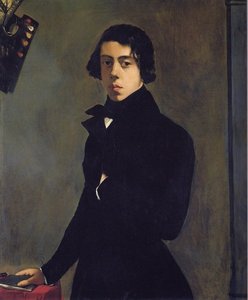
Théodore Chassériau
1819 - 1856 , Dominikanska republiken
Kortfakta
- Artistic Movement Or Style: Neoclassicism och Romantik
- Artists Or Movements Influenced By This Artist: ['Eugène Delacroix']
- Artists Who Influenced This Artist: ['Jean-Auguste-Dominique Ingres']
- Date Of Birth: 20 september 1819
- Full Name: Théodore Chassériau
- Nationality: Fransk
- Notable Artworks:
- Den skumborna Venus
- Suzanne i badet
- Esters toalett
- Place Of Birth: Santa Bárbara de Samaná, Santo Domingo
Relaterade artiklar

The Soul of Impressionism: Why Oil on Canvas Captures Eternal Light and Timeless Emotion
Discover the enchanting alchemy of Impressionism. Explore how the mastery of oil on canvas, through glazing and impasto, captures eternal light and emotion. Perfect for lovers of Monet and Van Gogh seeking the profound depth of hand-painted fine art.
Utforska konstverk sorterade efter tema, stil och egenskaper.

