Visa i rummet
 Skicka
 Dela
Dela
 Detaljer
 Studentguide för konstverk

 Ladda ner
 Liknande objekt
 Röntgen
 Bildspel
 Besökstatistik
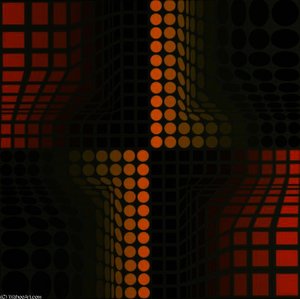
Illik

Upptäck Illik av Victor Vasarely – ett fascinerande abstrakt konstverk från Op Art rörelsen. Inspirerad av geometriska mönster och färger, detta verk är en unik hyllning till konstnärlig innovation.
 Läs mer
The Swedish meta description is optimized for search engines and aims to be engaging while adhering to the character limit.
Handgjord oljereproduktion
Handmålad olja på duk i din valda storlek och ram, tillverkad efter beställning av våra konstnärer. ( Byt till tryckta exemplar Byt till digital bildförsäljning)




P118B $10

P118H $10

P118W $10

P438Z $10

P508JH $12

P508YH $12

P805H $10

P805Z $10

P919BZ $10

P919G $10

P919XJ $10

P959ZH $10

P968JZ $12

W106C $8

W218G $10

W218JH $8

W218Y $10

W307PJ $10

W316G $10

W316PJ $8

W316Y $10

W398PJ $8

W4111J $10

W500HY $15

W500JH $15

W692G $12

W849H $8

W940BG $15

W953PJ $8




Standardstorlek
anpassad
CM
INCH
Välj bland våra förinställda storlekar som motsvarar konstverkets ursprungliga proportioner.
Loading sizes...

bredd
höjd
Du kan ange egna mått för att passa en specifik ram eller yta. Om den valda storleken inte matchar originalbildens proportioner kommer vi antingen att beskära konstverket eller utöka målningen med ytterligare handmålade element. En digital skiss skickas till dig för godkännande innan produktionen påbörjas.
Observera att förhandsvisningen på skärmen inte återspeglar den faktiska beskärningen eller utökningen. Endast skissen visar den slutgiltiga kompositionen korrekt.
Även om anpassade storlekar är möjliga, rekommenderar vi att du väljer en dimension från den fördefinierade listan för att bevara originalproportionerna.
Exempel på vad som kan anpassas: Byt ut ansiktet mot ett foto av kunden; Lägg till ett husdjur (t.ex. byt ut en katt mot en hund); Inkludera ett dolt meddelande i bakgrunden; Ändra bakgrundens landskap eller element.
Efter beställning kommer TopImpressionists.com team att mejla kunden för instruktioner och tillhandahålla en skissförhandsvisning
Efter beställning kommer TopImpressionists.com team att mejla kunden för instruktioner och tillhandahålla en skissförhandsvisning
Leverans över hela världen () på 3–4 veckor istället för standard 5 veckor. (26 september). Inga kompromisser med kvaliteten.

Fri expressfrakt över hela världen

Högkvalitativ linnecanvas

Fullständig fraktförsäkring

Garantier för återbetalning av tullavgifter

Garantier för exakt färgåtergivning

100 dagars returrätt vid fabrikationsfel

100% pengarna tillbaka-garanti

Mängdrabatt erbjuds
 Glasalternativet är endast tillgängligt i storlekar under 110 cm.

Illik
Tryckteknik
Reproduktionsstorlek
-


Totalpris
$ 269
Illik: A Kaleidoscope of Geometric Harmony
Victor Vasarely’s “Illik,” created in 1971, stands as a cornerstone of Op Art – Optical Art – a movement that revolutionized visual perception during the mid-20th century. More than just a painting; it's an invitation to experience color and form in ways previously unimaginable, reflecting Vasarely’s profound fascination with mathematics and his desire to liberate art from traditional representational constraints.
The artwork itself is dominated by a vibrant yellow background punctuated by meticulously arranged black squares. These squares aren’t randomly scattered; they adhere to a complex geometric pattern reminiscent of honeycomb structures or kaleidoscopic designs. Vasarely's genius lay in exploiting the human eye’s tendency to perceive movement and depth where none actually exist, generating an illusion of shimmering dynamism.
Vasarely’s Geometric Vision
Born Győző Vásárhelyi in Pécs, Hungary, in 1906, Vasarely embarked on a lifelong pursuit of abstraction rooted in the principles of Bauhaus design. Influenced by figures like Piet Mondrian and László Moholy-Nagy, he rejected illusionistic painting altogether, opting instead for pure geometric forms – circles, squares, triangles – to convey emotion and intellectual concepts.
His systematic approach involved calculating precise ratios and angles to achieve optimal visual impact. Vasarely believed that art should communicate directly with the viewer’s subconscious mind, bypassing rational thought and tapping into primal sensations. This conviction fueled his unwavering dedication to exploring the boundaries of perception.
The Significance of Op Art
"Illik" exemplifies the core tenets of Op Art, which emerged in the wake of World War II as artists sought new ways to express themselves amidst a climate of anxiety and uncertainty. Rejecting realism, Op Art embraced illusionistic techniques – such as Trompe-l'œil—to create artworks that tricked the eye into perceiving movement, vibration, or spatial distortion.
Vasarely’s work wasn’t merely aesthetically pleasing; it represented a conceptual breakthrough. He argued that art could transcend mere visual representation and engage with fundamental questions about how we perceive reality. “Illik” continues to captivate audiences today, demonstrating the enduring power of geometric abstraction to provoke contemplation and inspire wonder.
A Legacy of Innovation
Victor Vasarely’s influence extends far beyond Op Art itself. His pioneering use of mathematical formulas and his unwavering commitment to exploring visual perception paved the way for subsequent developments in kinetic art, computer graphics, and even architectural design. “Illik” remains a testament to Vasarely's visionary spirit—a dazzling reminder that beauty can be found not in imitation but in the deliberate manipulation of sensory experience.
Om konstnären
A Life Forged in Geometry: The World of Victor Vasarely
Victor Vasarely, ungerska Győző Vásárhelyi, född 9 april 1906 i Pécs, Ungern, död 15 mars 1997 i Paris, Frankrike, var en ungersk målare och grafiker, från 1930 verksam i Frankrike. Hans konst är känd för sina geometriska abstraktioner, optiska illusioner och sin inflytande på både modern konst och design. Vasarelys resa till att bli en pionjär inom Op Art och kinetisk konst var allt annat än förutbestämd. Hans tidiga liv antydde en väg långt borta från duken; han studerade först medicin vid Eötvös Loránds universitet i Budapest. Men lockelsen av visuell expression var för stark, vilket ledde till att han lämnade medicinen för konstvärlden 1927 och gick med i Podolini-Volkmanns akademi. Detta beslut markerade inte bara en förändring i yrke utan också början på en livslång utforskning av de grundläggande principer som styr perception och form. En avgörande händelse var hans anmälan till Sándor Bortnyiks verkstad – Műhely – ett skola djupt influerad av Bauhaus-rörelsen. Här absorberade Vasarely principerna för funktionell design och geometrisk abstraktion, frö som skulle blomstra i hans signaturstil. Dessa formativa år var inte bara en fråga om att lära sig teknik; det handlade om att dekonstruera traditionella konstkonventioner och omfamna ett nytt visuellt språk rotat i logik och precision.From Early Abstraction to the Dawn of Op Art
Senare 1920-tal och tidiga 1930-tal vittnade om Vasarelys gradvisa avståndstagande från representativ konst, när han fördjupade sig i geometrisk abstraktion. Verk som "Blått Studie" och "Grönt Studie", skapade 1929, exemplifierar denna övergång – en medveten borttagning av berättande innehåll till förmån för ren form och färgrelationer. Även om han var påverkad av mästare som Piet Mondrian och Kazimir Malevich, var Vasarely inte nöjd med att bara efterlikna deras stilar. Han sökte transcendera sina föregångares statiska kompositioner, med målet att skapa en dynamik som aktivt engagerar betraktarens perception. Detta sökande ledde honom till Paris 1930, där han etablerade sig som grafisk designer och reklamartist, finslipade sina färdigheter samtidigt som han fortsatte att utveckla sin unika konstnärliga vision. Det var under denna period som han började experimentera med tekniker som senare skulle bli kännetecken för Op Art – manipulering av former och färger för att skapa illusioner av rörelse och djup. Fröna planterades för en revolution i visuell upplevelse.The Systematic Illusion: Defining a Movement
Under 1960-talet hade Victor Vasarely fullt ut etablerat sig som en ledande figur i den växande Op Art-rörelsen. Till skillnad från många konstnärer som förlitade sig på intuition och spontan uttryck, angav Vasarely sitt arbete med en distinkt systematisk metodik. Han använde rutnät och matematiska principer för att generera mönster som skapade kraftfulla optiska illusioner – visuella vibrationer, virvlande effekter och sensationer av djup där ingen fysiskt existerade. Detta handlade inte om bedrägeri; det var en fråga om att avslöja den inneboende dynamiken inom perceptionen själv. Han trodde på reproducerbarhet och bred tillgänglighet, med målet att demokratisera konsten genom att göra den tillgänglig bortom galleriernas och museernas gränser. Hans verk utmanade betraktarna att ifrågasätta sin egen visuella upplevelse, tvingande dem att aktivt delta i skapandet av mening. Denna medvetna engagemang med perception skiljde Op Art från andra rörelser och etablerade Vasarely som dess främsta företrädare. Han målade inte bara bilder; han konstruerade upplevelser.Historical Significance and Lasting Influence
Vasarelys bidrag till konsthistorien är mångfacetterat. Han gick utöver traditionella målningstekniker för att skapa verk som aktivt engagerar betraktarens perception. Hans systematiska metodik utmanade konventionella uppfattningar om konstnärlig kreativitet och banade väg för datorgenererad konst och digital design. Genom att omfamna reproducerbarhet och kommersiella tillämpningar suddade Vasarely ut gränserna mellan fin konst och populärkultur, lämnande ett bestående intryck på både den ena och den andra. Han skapade inte bara estetiskt tilltalande objekt; han genomförde visuella experiment som avslöjade grundläggande sanningar om hur vi ser världen. Hans verk fortsätter att resonera idag, påminner oss om kraften i abstraktion, skönheten i geometri och de oändliga möjligheterna för mänsklig kreativitet. Vasarelys inflytande sträcker sig bortom konstvärlden; han har djupt påverkat grafisk design, mode, inredningsdesign och till och med tidig datorgrafik, inspirerat generationer med sin innovativa vision och hans orubbliga engagemang för att utforska möjligheterna i perception.Key Works and Legacy
Vasarely’s artistic output spanned several decades, encompassing a vast range of works that exemplify his unique approach to visual art. Some notable examples include: "Blue Study" (1929), “Green Study” (1929), “Zebra” (1967), and the iconic “Suomi” tableware series created in collaboration with Rosenthal porcelain (1968). The Fondation Vasarely, established in Aix-en-Provence, serves as a vital resource for preserving and promoting his extensive body of work. A remarkable event – the inclusion of serigraphs aboard the French-Soviet spacecraft Salyut 7 in 1982 – symbolized the global recognition of his art and its connection to the broader human endeavor of exploration. Vasarely’s legacy remains a testament to his pioneering spirit and enduring influence on the world of modern art and design.
Victor Vasarely
1906 - 1997 , Kroatien
Snabbfakta
- Artistic Movement Or Style: Op Art, Kinestisk konst
- Artists Or Movements Influenced By This Artist:
- Grafisk design
- Inredningsdesign
- Artists Who Influenced This Artist:
- Piet Mondrian
- Kazimir Malevich
- Date Of Birth: 9 april 1906
- Date Of Death: 15 mars 1997
- Full Name: Victor Vasarely
- Nationality: Ungersk-fransk
- Notable Artworks:
- Blue Studie
- Green Studie
- Place Of Birth: Pécs, Kroatien
Relaterade artiklar

The Beauty of Less: A Sophisticated Guide to the Soul of Minimalist Art and Geometric Harmony
Discover the profound elegance of minimalist art. Explore how geometric abstraction and the beauty of reduction create serene, sophisticated spaces through our expert guide to finding soul and harmony in every line and shape.

The Beauty of Order: A Journey Through the Timeless Elegance of Geometric Abstraction
Discover the profound elegance of geometric abstraction. Explore a curated journey through minimalist mastery, from De Stijl to modern textures, and learn how structured beauty brings timeless order and sophisticated serenity to your art collection.
Utforska konstverk sorterade efter tema, stil och egenskaper.