

 Förhandsvisa
 Skicka
 Dela
Dela
 Visa detaljer
 Guide
Guide

 Ladda ner
 Liknande objekt
 Röntgen
 Bildspel
 Frågor och svar
 Statistik
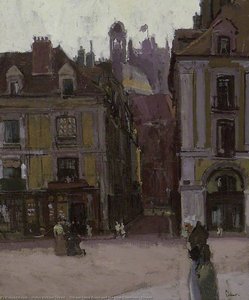
The Bar Parlour

- 104.0 x 158.0 cm


Explore 'The Bar Parlour' by Walter Richard Sickert – an evocative Impressionist painting capturing London nightlife and featuring three figures in a dimly lit bar setting.
 Visa mer
Walter Sickert (1860-1942): En pionjär inom brittisk modernism. Känd för sina skuggiga London-bilder, musikhaller och porträtt – en mångfasetterad konstnär med ett fascinerande arv.
Giclée / Konsttryck
Giclée- eller canvasprint av museumskvalitet med snabb produktion och flexibla ytbehandlingsalternativ. ( Beställ handmålad reproduktion Byt till digital bild)




P118B Skr10

P118H Skr10

P118W Skr10

P438Z Skr10

P508JH Skr12

P508YH Skr12

P805H Skr10

P805Z Skr10

P919BZ Skr10

P919G Skr10

P919XJ Skr10

P959ZH Skr10

P968JZ Skr12

W106C Skr8

W218G Skr10

W218JH Skr8

W218Y Skr10

W307PJ Skr10

W316G Skr10

W316PJ Skr8

W316Y Skr10

W398PJ Skr8

W4111J Skr10

W500HY Skr15

W500JH Skr15

W692G Skr12

W849H Skr8

W940BG Skr15

W953PJ Skr8




Standardstorlek
skräddarsydd
CM
INCH
Välj bland våra förinställda storlekar som motsvarar konstverkets ursprungliga proportioner.
Loading sizes...

bredd
höjd
Ange den bredd och höjd du behöver för att passa din ram eller vägg. Ett tryck kan endast beskäras, aldrig göras större än originalbilden, vilket innebär att ett format med en annan proportion leder till att en del av bilden går förlorad. Vi skickar en digital mockup för godkännande innan vi påbörjar tryckningen. Bilden som visas på denna sida visar inte den faktiska beskärningen — det är endast mockuppen som gör det.
Leverans över hela världen () på 2 veckor istället för standard 4/5 veckor. (5 november)

Fri expressfrakt över hela världen

Högkvalitativ linnecanvas

Fullständig fraktförsäkring

Garantier för återbetalning av tullavgifter

Garantier för exakt färgåtergivning

100 dagars returrätt (endast vid fel)

100% pengarna tillbaka-garanti

Mängdrabatt erbjuds
 Glasalternativet är endast tillgängligt i storlekar under 110 cm.

The Bar Parlour
Giclée / Konsttryck
Storlek på reproduktion
-


Slutgiltigt pris
Skr 701
A Glimpse into London's Twilight: The Soul of Sickert's Bar Parlour
In the quiet, amber-hued corners of early twentieth-century London, Walter Richard Sickert found his most profound muses. The Bar Parlorp, painted in 1922, serves as a masterful window into a world that exists in the soft periphery of the bustling metropolis. This evocative piece captures a fleeting moment of repose within a dimly lit establishment, where the boundaries between public life and private intimacy begin to blur. Through his distinctive lens, Sickert does not merely document a scene; he invites the viewer to sit at the table, to feel the weight of the afternoon shadows, and to become a silent participant in this intimate tableau of everyday existence.
The composition is anchored by three figures who inhabit the space with a natural, unforced grace. Two women are seated at a table, their presence suggesting a shared confidence or perhaps a momentary respite from the world outside, while a man leans against the counter behind them, his posture embodying the weary yet watchful character of the urban dweller. There is a profound sense of theatricality in this arrangement—a nod to Sickert’s own early ambitions on the London stage. Every element, from the scattered bottles on the counter to the humble loaf of bread resting on the table, contributes to a narrative of domesticity found within the public sphere, creating a scene that feels both deeply personal and universally recognizable.
The Mastery of Impressionistic Light and Texture
Technically, The Bar Parlour is a triumph of late Impressionist sensibility. Sickert eschews the sharp, clinical lines of realism in favor of loose, expressive brushstrokes that prioritize atmosphere over anatomical precision. This technique allows the light to perform its own magic; rather than being a harsh, direct force, the illumination is soft and diffused, as if filtering through a haze of tobacco smoke and dust motes. The color palette is a sophisticated study in earth tones—deep ochres, warm umbers, and muted shadows—which coalesce to create an inviting, nostalgic warmth that wraps around the viewer like a heavy velvet curtain.
For the discerning collector or interior designer, this painting offers more than mere decoration; it provides a focal point of profound emotional depth. The texture of the paint itself adds a tactile dimension to the work, suggesting the weathered surfaces of the bar and the soft fabrics of the figures' attire. When rendered as a high-quality reproduction, the interplay of light and shadow retains its ability to transform a room, lending an air of sophisticated melancholy and timeless elegance to any curated space. It is a piece that does not demand attention through loudness, but rather commands it through a quiet, irresistible magnetism.
A Legacy of Shadows and Human Connection
To understand the emotional resonance of this work, one must consider Sickert’s unique position as an artist caught between German heritage and British urbanity. His fascination with the "marginalized" and the "unseen" is palpable here. There is no grand historical drama unfolding in The Bar Parlour; instead, the drama lies in the subtle psychological tension between the characters and the heavy, comforting stillness of their environment. It is a celebration of the mundane, elevated to the level of high art through sheer observational genius.
Owning or displaying a reproduction of this masterpiece allows one to bring a piece of London's historical soul into the modern home. It serves as a reminder of the beauty found in the quiet intervals of life—the moments of stillness amidst the chaos of progress. For those seeking to infuse their interiors with a sense of history, warmth, and intellectual depth, Sickert’s vision offers an unparalleled source of inspiration, bridging the gap between the fleeting present and the enduring past.
Frågor och svar
Kan "The Bar Parlour" av Walter Richard Sickert, som finns i samlingen på Fitzwilliam College, reproduceras lagligt?
"The Bar Parlour" av Walter Richard Sickert, som finns på Fitzwilliam College, är allmän egendom – upphovsrätten har löpt ut. Denna status avgör om reproduktioner av bilden får framställas.
Vad föreställer "The Bar Parlour" av Walter Richard Sickert och vilken stämning förmedlar det?
"The Bar Parlour" av Walter Richard Sickert skildrar london life, bar parlour scene, interior painting, early 20th century, figure composition, earth tones palette, domestic setting i en Elegant stämning. Motiv och atmosfär beskriver tillsammans verket.
Är "The Bar Parlour" av Walter Richard Sickert fri från upphovsrätt?
Upphovsrättslig status för "The Bar Parlour" av Walter Richard Sickert: verket är allmän egendom – upphovsrätten har löpt ut. Detta avgör om reproduktioner av bilden får framställas fritt.
Liknande konstverk




Konstnärsbiografi
En Konstnär i Skuggor och Ljus
Walter Richard Sickert, född 1860 i München, var en konstnär vars liv och verk är djupt sammanflätade med Londons atmosfär – både dess glittrande underbelly och dess skuggiga hemligheter. Han var en man av motstridiga influenser: en tysk uppväxt som präglades av politiska omvälvningar, men som ledde honom till ett liv i England, där han blev en nyckelperson i den brittiska avantgardens utveckling. Sickert var inte bara en målare; han var en observatör, en psykolog och en skildrare av sin tids London – en stad full av energi, desperation och en ständig ström av människor.
Hans tidiga liv präglades av rörelse och osäkerhet. Familjens flytt till England 1868, orsakad av Europas politiska turbulens, sårade hans identitet och kanske bidrog till hans eviga fascination för marginaliserade personer och utstötta grupper. Trots en konstnärlig släkttradition – hans far, Oswald Sickert, var en dansk målare – drömde Walter i ung ålder om att bli skådespelare, och han fick en kortvarig erfarenhet på scenen tillsammans med den berömda Sir Henry Irving. Denna tidiga exponering för teatern, med dess illusioner och karaktärsskådespeleri, formade hans konstnärliga syn, och gav hans målningar en teatralitet och psykologisk djup som skiljde honom från sina samtida. Trots detta fann han dock att den visuella uttrycksmiljön var mer lockande, och han sökte sig till Slade School 1881 och blev sedan en dedikerad elev av James Abbott McNeill Whistler. Whistlers inflytande var inte bara tekniskt; det främjade en uppskattning för konstnärlig oberoende och en vilja att utmana konventionella normer.
London's Underbelly och Alluren av Modern Liv
Sickerts konstnärliga kompass vände sig snabbt mot Londons pulserande, ofta grusiga verkligheter. Han blev fångad av stadens musikhallers atmosfär – utrymmen fulla av energi, spektakel och en mångfaldig samling människor. Hans målningar från denna period, såsom Katie Lawrence at Gatti's, är beundransvärda för sin skoningslösa skildring av dessa miljöer och deras invånare. Dessa var inte bara representationer; de var utforskningar av modern urban existens, fångade i ögonblickets flyktighet och de råa känslorna som upplevdes inom dessa väggar. Han strävade efter att måla livet som det levdes, inte som det idealiserades – ett radikalt avståndstagande från viktorianska konstnärliga konventioner. Detta engagemang för realism väckte kontroverser; kritiker ansåg hans motiv för "fula" och "nedslående", vilket utmanade känslor som föredrog idealiserade representationer.
Inflytande och Teknik
Whistlers inflytande var centralt, men Sickert sökte också inspiration från andra källor. Han studerade Edgar Degas i Paris, där han lärde sig att skapa en situation genom sina figurers stämning – ett element som senare skulle bli framträdande i hans verk. Hans tidiga målningar präglades av tonalstudier målade *alla prima*, direkt från naturen, vilket återspeglade Whistlers betoning på färg och ljus. Han var också en skicklig etsadare, och hans tryckteknik utvecklades under Whistlers vägledning. Sickert var inte bara intresserad av att representera det han såg; han var fascinerad av hur ljuset och skuggorna interagerade för att skapa atmosfär och stämning.
Camden Town Group och Arvet
När årtiondet gick framåt blev Sickert en nyckelperson i den blomstrande brittiska avantgardemovningen. Han ingick i New English Art Club 1888, vilket placerade honom bland konstnärer som omfamnade fransk impressionistisk princip. Senare spelade han en avgörande roll i att etablera Camden Town Group 1911 – en grupp konstnärer dedikerade till att skildra modern liv med skoningslös ärlighet och stilistiska innovationer. Sickerts inflytande på denna grupp var betydande, och han uppmuntrade dem att bryta sig loss från akademiska begränsningar och utforska nya former av uttryck. Han förespråkade en oidealiserad syn på den urbana landskapet, med fokus på vardagliga scener och vanliga människor. Hans målningar under denna period visade ofta störande ämnen, såsom hans Camden Town Murder-serie, vilket återspeglade ett växande intresse för brottslighet och psykologisk spänning. Detta engagemang för att konfrontera svåra teman cementerade hans rykte som en provokativ och utmanande konstnär.
Walter Richard Sickert’s arv sträcker sig bortom hans rika produktion. Han var en katalysator för förändring i brittisk konst, och han banade vägen för efterföljande generationer av konstnärer att omfamna modernismen och utforska nya uttrycksalternativ. Hans inflytande kan ses i arbetet hos många konstnärer som följde, särskilt de som var associerade med Camden Town Group och andra avantgardegrupper. Sickert’s pionjäranda, hans engagemang för realism och hans vilja att utmana samhälleliga normer fortsätter att inspirera konstnärer idag. Han är en nyckelperson i konsthistorien, en konstnär som vågade titta bortom ytan, konfrontera de obekväma sanningarna om det moderna livet och fånga dem på duken med skoningslös ärlighet.
Nyckelinformation & Influenser
- Född: 31 maj 1860, München
- Död: 22 januari 1942, Bathampton
- Nyckelinflytelser: James Abbott McNeill Whistler, Edgar Degas
- Relaterade grupper: New English Art Club, Camden Town Group

Walter Richard Sickert
1860 - 1942 , Tyskland
Kortfakta
- Artistic Movement Or Style: Post-Impressionism
- Artists Or Movements Influenced By This Artist: ['Camden Town Group']
- Artists Who Influenced This Artist:
- Whistler
- Degas
- Date Of Birth: 31 maj 1860
- Date Of Death: 22 jan 1942
- Full Name: Walter Richard Sickert
- Nationality: Brittisk
- Notable Artworks:
- Katie Lawrence
- Sinn Féiners
- Dieppe
- Place Of Birth: München, Tyskland
Relaterade artiklar

Walter Sickert: A Shadowy Realism & the Modern British Canvas
Explore the life & work of Walter Sickert, a pivotal British painter bridging Impressionism to Modernism. Discover his evocative scenes of London life, controversial legacy, and lasting influence on 20th-century art.

Impressionismens Mästverk: Topp 10 Verk som Fångar Ögonblicket | TopImpressionists
Upptäck impressionismens magi! Utforska 10 ikoniska verk av Monet, Renoir & Degas. Lär känna historien bakom mästerverken och hitta inspiration till din inredning med konsttryck från TopImpressionists.com.

Richard Hayley Lever: A Study in British Impressionism & Coastal Light
Explore the captivating world of Richard Hayley Lever (1876-1958), a master of Impressionism renowned for his vibrant coastal scenes. Discover his life, style & legacy with TopImpressionists.

Bortom Ljus och Färg: Impressionismen kontra Postimpressionismen för den Kräsne Samlaren
För den kräsne konstsamlaren: En djupdykning i impressionismens och postimpressionismens värld. Upptäck nyckelverk, värdera din samling och investera klokt.

National Gallerys 25 Mästerverk: Konsthistoriens Höjdpunkter för Ditt Hem
Utforska National Gallery Londons 25 mest ikoniska målningar! Lär känna Van Gogh, Monet, Rembrandt och andra mästare. Hitta inspiration & köp museumkvalitativa konsttryck för ditt hem på TopImpressionists.com.