


 Visa i rummet
 Skicka
 Dela
Dela
 Detaljer
 Studentguide för konstverk

 Ladda ner
 Liknande objekt
 Röntgen
 Bildspel
 Besökstatistik
Camp Fire


Experience Winslow Homer's 'The Northeaster,' a stunning watercolor capturing the raw power of the ocean and its dramatic beauty. A masterpiece from 1883, now at the Brooklyn Museum.
 Läs mer
Winslow Homer (1836-1910): En ikonisk amerikansk realist med kraftfulla målningar av hav och landskap! Upplev mästerverk som Gulfström och Breezing Up.
Handgjord oljereproduktion
Handmålad olja på duk i din valda storlek och ram, tillverkad efter beställning av våra konstnärer. ( Byt till tryckta exemplar Byt till digital bildförsäljning)




P118B Skr10

P118H Skr10

P118W Skr10

P438Z Skr10

P508JH Skr12

P508YH Skr12

P805H Skr10

P805Z Skr10

P919BZ Skr10

P919G Skr10

P919XJ Skr10

P959ZH Skr10

P968JZ Skr12

W106C Skr8

W218G Skr10

W218JH Skr8

W218Y Skr10

W307PJ Skr10

W316G Skr10

W316PJ Skr8

W316Y Skr10

W398PJ Skr8

W4111J Skr10

W500HY Skr15

W500JH Skr15

W692G Skr12

W849H Skr8

W940BG Skr15

W953PJ Skr8




Standardstorlek
anpassad
CM
INCH
Välj bland våra förinställda storlekar som motsvarar konstverkets ursprungliga proportioner.
Loading sizes...

bredd
höjd
Ange den bredd och höjd du behöver för att passa din ram eller din vägg. Eftersom detta är handmålat kan konstnären vid en annan form måla lite mer runt bilden eller beskära den något – du väljer själv. Vi skickar en digital mockup för godkännande innan målningen påbörjas. Bilden som visas på denna sida representerar inte det slutgiltiga resultatet — det är endast mockuppen som visar det.
Exempel på vad som kan anpassas: Byt ut ansiktet mot ett foto av kunden; Lägg till ett husdjur (t.ex. byt ut en katt mot en hund); Inkludera ett dolt meddelande i bakgrunden; Ändra bakgrundens landskap eller element.
Efter beställning kommer TopImpressionists.com team att mejla kunden för instruktioner och tillhandahålla en skissförhandsvisning
Efter beställning kommer TopImpressionists.com team att mejla kunden för instruktioner och tillhandahålla en skissförhandsvisning
Leverans över hela världen () på 3–4 veckor istället för standard 5 veckor. (23 oktober). Inga kompromisser med kvaliteten.

Fri expressfrakt över hela världen

Högkvalitativ linnecanvas

Fullständig fraktförsäkring

Garantier för återbetalning av tullavgifter

Garantier för exakt färgåtergivning

100 dagars returrätt vid fabrikationsfel

100% pengarna tillbaka-garanti

Mängdrabatt erbjuds
 Glasalternativet är endast tillgängligt i storlekar under 110 cm.

Camp Fire
Tryckteknik
Reproduktionsstorlek
-


Totalpris
Skr 2665
Camp Fire by Winslow Homer: A Study in Rustic Tranquility
Winslow Homer’s “Camp Fire,” completed around 1883 and currently residing at the Metropolitan Museum of Art, stands as a cornerstone of American Realism—a movement dedicated to portraying life accurately without romantic embellishment. More than just a depiction of a campfire scene, it's an exquisitely crafted meditation on solitude, companionship, and the profound connection between humanity and nature.
Subject Matter & Composition: Homer captures a quintessential moment of rural American life—a group of men gathered around a crackling fire in the Adirondack Mountains. Two dogs flank the central figure, adding warmth and visual interest to the composition. The artist’s keen eye meticulously observes details like backpacks strapped on shoulders and a simple wooden chair positioned near the hearth, subtly conveying the activity of hikers or campers.
Style & Technique: Homer employed watercolor with blotting and scraping—a technique that allowed him to achieve remarkable textural effects. As noted by fellow artist Henry William Brewer, Homer skillfully utilized resist—thin layers of wax applied to paper before painting—to define the contours of tree trunks. This method ensured precise lines while simultaneously creating a dense, textured surface where subsequent washes were applied. The artist meticulously scrubbed away the resist after drying, leaving visible fragments that contributed to the overall visual richness.
Historical Context & Symbolism: Painted during Homer’s prolific period exploring the Adirondacks, “Camp Fire” reflects the burgeoning interest in plein air painting and the Romantic fascination with wilderness landscapes. The campfire itself symbolizes warmth, comfort, and human connection—a refuge from the anxieties of urban life. Furthermore, the towering cedar tree serves as a powerful emblem of resilience and endurance, mirroring Homer’s own artistic vision.
Emotional Impact: Viewing “Camp Fire” evokes a palpable sense of serenity and contemplation. The subdued palette—dominated by browns, blues, and ochres—enhances the painting's atmosphere of quiet reflection. Homer’s masterful rendering captures not only the visual beauty of the scene but also its emotional resonance—a celebration of simple pleasures and the restorative power of nature.
Resources for Further Exploration: To delve deeper into Winslow Homer’s artistic legacy, visit The Metropolitan Museum of Art to examine “Camp Fire” alongside other iconic works from his oeuvre. Alternatively, explore the history of painting on Wikipedia: History of Painting. For a stunning watercolor reproduction, consider purchasing one at TopImpressionists.com.
Frågor och svar
Är färgerna i "Camp Fire" av Winslow Homer klara eller dämpade?
Färgen i "Camp Fire" har en mättnad på Muted och en intensitet på Monochromatic.
Hur är färgkompositionen i "Camp Fire" av Winslow Homer uppbyggd?
I "Camp Fire" paras en Gentle kontrast med en Balanced Harmony harmoni.
Vilket format och vilken orientering rekommenderas för tryck av "Camp Fire"?
Storlek Large, Landscape-orientering: detta är den rekommenderade tryckinställningen för "Camp Fire" av Winslow Homer.
Liknande konstverk


Om konstnären
Winslow Homer (1836-1910): A Brush With the American Spirit
Winslow Homer, född 24 februari 1836 i Boston, Massachusetts, död 29 september 1910 på Prouts Neck i Scarborough, Maine, var en amerikansk målare, bland annat illustrationer och akvarell. Han är ansedd som en av de förnämsta av 1800-talets amerikanska målare och en av de mest kända inom amerikansk kultur. Homer målade bland annat landskap, och är mest känd för vyer av havet. Han är ansedd som en av de förnämsta av 1800-talets amerikanska målare och en av de mest kända inom amerikansk kultur.Early Life and Artistic Beginnings
Homer’s resa började inte med grand historiska kanvaser, utan som ett kommersiellt illustratör vid den täta åldern av tolv för Harper's Weekly. Detta tidiga lärlingskap var förmästande, honing en exceptionell förmåga att fånga scener med klarhet och detalj – färdigheter som skulle bli kännetecknande för hans mogen verk. Han var inte lärande perspektiv i Paris; han var lärande *se* Amerika, dess människor, och dess utvecklande berättelse. De pulserande gatorna av Boston, den lugna värdigheten av landsbygd New England liv, dessa var hans första subjekt, renderad med en precision född av nödvändighet för kraven för tryckmedia. Detta grundläggande tillåtte honom att övergå till målning, initialt i akvarell, innan fullt omfamna den expressiva potentialen av oljefärger. Hans familj var från långa linjer av New Englanders och hans första lärare var hans mamma, en begåvad amatör vattenfärgist. När han var 13 år gammal gav upp hans far företaget till att söka ett förmögenhet i Kalifornien guldrush. När det misslyckades lämnade hans far sin familj och gick till Europa för att väcka kapital för andra förmögenhetsförsök som inte betalade av. Efter Homer högskoleexamen tog han på sig många av hennes egenskaper, inklusive hennes lugna, starka vilja, hennes torra känsla för humor, och hennes konstnärliga talang. Han hade en lycklig barndom, växande upp mest i då-rural Cambridge, Massachusetts. Han var inte särskilt bra på skolan, men hans konstnärliga talang var synlig från sina tidiga år.The Civil War and Artistic Transformation
Winslow Homer’s konstnärliga vision förändrades dramatiskt av kriget. Som en krigsreporter för Harper's Weekly bevittnade han försthand de brutala verkligheterna av konflikt. Han fokuserade inte på hjälteaktiga bataljoner eller stora strategier; istället dokumenterade han vardagslivet av soldater och civila, de lugna ögonblick av sorg och motståndskraft mitt i kaos. Detta erfarenhet förändrade hans konstnärliga syn ytterligare. De pastoral scener gav väg till mer utmanande ämnen: veteraner kämpande med trauma, frigivna slavar navigerande en ny värld, och den skarpa skönheten av landskap beröring av nöd. Han började utforska teman om kamp, isolering, och mänsklighetens prekärhet. Detta upplevelse gav honom inspiration till att skapa verk som skulle vara både känslomässigt träffande och visuellt imponerande. Homer var inte bara en konstnär; han var också en observatör av sin tid, fångandes den atmosfär av förändring och oro som präglade Amerika under denna viktiga epok. Han använde sina färdigheter som illustratör för att skapa bilder som skulle förmedla komplexiteten och djupet av krigets verklighet till ett bredare publikum.Mastering Light and Texture: Homer’s Distinctive Style
Homer utvecklade en unik konstnärlig stil kännetecknad av dess soliditet och textur. Han var inte intresserad av flyktiga intryck; han ville bygga upp en känsla av konkret verklighet på duken. Hans oljemålningar är karakteriserade av ett direkt målarteknik – lager av färg appliceras med självförtroende, skapa djup och ljusstyrka. Han hade en extraordinär förmåga att fånga ljus, vare sig det var den häpnadsväckande glans av solen på havet eller den mjuka skönheten av skymningen över ett lantligt landskap. Detta maestri utökades till hans akvareller där han uppnådde imponerande atmosfäriska effekter genom livfulla färger och ömtåliga skikt. Homer var särskilt imponerande när det gäller att skapa bilder som fångade känslan av plats och tid, vilket är något många andra konstnärer försökte åstadkomma utan samma framgång. Han använde sina färdigheter för att skapa verk som skulle vara både estetiskt tilltalande och emotionellt resonera med publiken. Detta var inte bara teknisk skicklighet; det var också ett engagemang för att förmedla en djupare känsla av mänsklig erfarenhet.Iconic Landscapes and Marine Visions
Winslow Homer är mest känd för sina landskap och särskilt sina marinbilder, där han visar sin extraordinära förmåga till detalj och realism. Verk som *The Gulf Stream* och *Breezing Up (A Fair Wind)* är exempel på hans konstnärliga maestri och hans förmåga att fånga essensen av havet – dess kraft, skönhet och komplexitet. Homer använde sina färdigheter för att skapa bilder som skulle vara både estetiskt tilltalande och emotionellt resonera med publiken. Han var särskilt imponerande när det gäller att skapa bilder som fångade känslan av plats och tid, vilket är något många andra konstnärer försökte åstadkomma utan samma framgång. Homer använde sina färdigheter för att skapa verk som skulle vara både estetiskt tilltalande och emotionellt resonera med publiken. Detta var inte bara teknisk skicklighet; det var också ett engagemang för att förmedla en djupare känsla av mänsklig erfarenhet. Homer använde sina färdigheter för att skapa verk som skulle vara både estetiskt tilltalande och emotionellt resonera med publiken. Detta var inte bara teknisk skicklighet; det var också ett engagemang för att förmedla en djupare känsla av mänsklig erfarenhet. Homer använde sina färdigheter för att skapa verk som skulle vara både estetiskt tilltalande och emotionellt resonera med publiken. Detta var inte bara teknisk skicklighet; det var också ett engagemang för att förmedla en djupare känsla av mänsklig erfarenhet. Homer använde sina färdigheter för att skapa verk som skulle vara både estetiskt tilltalande och emotionellt resonera med publiken. Detta var inte bara teknisk skicklighet; det var också ett engagemang för att förmedla en djupare känsla av mänsklig erfarenhet. Homer använde sina färdigheter för att skapa verk som skulle vara både estetiskt tilltalande och emotionellt resonera med publiken. Detta var inte bara teknisk skicklighet; det var också ett engagemang för att förmedla en djupare känsla av mänsklig erfarenhet. Homer använde sina färdigheter för att skapa verk som skulle vara både estetiskt tilltalande och emotionellt resonera med publiken. Detta var inte bara teknisk skicklighet; det var också ett engagemang för att förmedla en djupare känsla av mänsklig erfarenhet. Homer använde sina färdigheter för att skapa verk som skulle vara både estetiskt tilltalande och emotionellt resonera med publiken. Detta var inte bara teknisk skicklighet; det var också ett engagemang för att förmedla en djupare känsla av mänsklig erfarenhet. Homer använde sina färdigheter för att skapa verk som skulle vara både estetiskt tilltalande och emotionellt resonera med publiken. Detta var inte bara teknisk skicklighet; det var också ett engagemang för att förmedla en djupare känsla av mänsklig erfarenhet. Homer använde sina färdigheter för att skapa verk som skulle vara både estetiskt tilltalande och emotionellt resonera med publiken. Detta var inte bara teknisk skicklighet; det var också ett engagemang för att förmedla en djupare känsla av mänsklig erfarenhet. Homer använde sina färdigheter för att skapa verk som skulle vara både estetiskt tilltalande och emotionellt resonera med publiken. Detta var inte bara teknisk skicklighet; det var också ett engagemang
Winslow Homer
1836 - 1910 , USA
Snabbfakta
- Artistic Movement Or Style: Amerikansk Realism
- Artists Who Influenced This Artist:
- Barbizon skolan
- Courbet
- Millet
- Date Of Birth: 24 februari 1836
- Date Of Death: 29 september 1910
- Full Name: Winslow Homer
- Nationality: Amerikaner
- Notable Artworks:
- Breezing Up
- The Gulf Stream
- Innocence
- Place Of Birth: Boston, USA
Relaterade artiklar
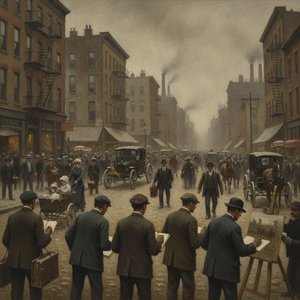
The Ashcan School: Capturing the Raw, Unfiltered Soul of Urban Life through American Realism
Discover the raw beauty of the Ashcan School. Explore how masters like Bellows and Henri captured the gritty, vibrant soul of early 20th-century New York through profound American Realism and evocative urban landscapes.

The Unvarnished Truth: A Cultural Journey Through the Soul of American Realism
Explore the profound beauty of American Realism. From the Ashcan School's urban grit to intimate portraits, discover how artists captured the authentic soul of a nation through unvarnished truth and masterful observation.
Utforska konstverk sorterade efter tema, stil och egenskaper.


