Önizleme yap
 Paylaş
 Paylaş
 Detayları Gör
 Rehber

 İndir
İndir
 Benzerlerini gör
 X-Işını
 Slayt Gösterisi
 İstatistikler
إناء القديس يان
 Tuval Üzerine Akrilik Boya
- Duvar Sanatı
- Early Netherlandish Renaissance
 6.0 x 24.0 cm
 Musée de Pont-Aven
إناء القديس يان، لوحة زيتية كلاسيكية لجان فان إيك في عام ١٤٣٣، تظهر وجهًا متعبًا وموجهًا نحو المشاهد ببراعة فنية ودقة تفصيلية، وتعتبر من أهم الأعمال الفنية في عصر النهضة الإنجليزية.
 Tümünü Gör
Explore the captivating paintings of Émile Alfred Dezaunay (1854-1938), a French artist blending Impressionist & Pont-Aven styles. Known for seascapes, landscapes, and scenes of Brittany & Nantes. Discover his legacy!
El Yapımı Yağlı Boya Reproduksiyon
Sanatçılarımız tarafından sipariş üzerine hazırlanan; istediğiniz boyut ve çerçevede, tuval üzerine el boyaması yağlı boya. ( Baskı Moduna Geç Dijital Görsele Geç)




P118B $10

P118H $10

P118W $10

P438Z $10

P508JH $12

P508YH $12

P805H $10

P805Z $10

P919BZ $10

P919G $10

P919XJ $10

P959ZH $10

P968JZ $12

W106C $8

W218G $10

W218JH $8

W218Y $10

W307PJ $10

W316G $10

W316PJ $8

W316Y $10

W398PJ $8

W4111J $10

W500HY $15

W500JH $15

W692G $12

W849H $8

W940BG $15

W953PJ $8




Standart
kişiye özel
CM
INCH
Eserin orijinal oranlarıyla uyumlu, önceden belirlenmiş boyutlarımız arasından seçim yapın.
Loading sizes...

genişlik
yükseklik
Belirli bir çerçeveye veya alana uyması için kendi boyutlarınızı girebilirsiniz. Seçtiğiniz boyut orijinal görüntünün oranlarıyla eşleşmiyorsa, sanat eserini kırparak veya ek el boyaması öğelerle resmi uzatarak ayarlayacağız. Üretim başlamadan önce onayınız için dijital bir taslak gönderilecektir.
Lütfen ekrandaki önizlemenin gerçek kırpmayı veya uzatmayı yansıtmadığını unutmayın. Nihai kompozisyonu yalnızca hazırlanan taslak doğru şekilde gösterecektir.
Özel boyutlar mevcut olsa da, orijinal oranları korumak adına önceden tanımlanmış listeden bir boyut seçmenizi öneririz.
Değiştirilebilecek örneklere dair: Yüzün müşteri fotoğrafıyla değiştirilmesi; Evcil hayvan eklenmesi (örneğin kedinin köpek ile değiştirilmesi); Arka plana gizli bir mesaj dahil edilmesi; Arka plan manzarasının veya öğelerinin değiştirilmesi.
Siparişten sonra, TopImpressionists.com ekibi talimatlar için müşteriye e-posta gönderecek ve bir taslak önizleme sunacaktır
Siparişten sonra, TopImpressionists.com ekibi talimatlar için müşteriye e-posta gönderecek ve bir taslak önizleme sunacaktır
Dünya Çapında Teslimat (); standart 5 hafta yerine 3/4 haftada. (23 Eylül). Kaliteden ödün verilmez.

Dünya Çapında Ücretsiz Ekspres Kargo

Yüksek Kaliteli Keten Tuval

Tam Kapsamlı Nakliye Sigortası

Gümrük Vergisi İade Garantisi

Gerçek Renk Uyumu Garantisi

100 Günlük İade Politikası (Sadece Kusurlu Ürünler İçin)

%100 Para İade Garantisi

Toplu Alım İndirimi
 Cam seçeneği yalnızca 110 cm altındaki boyutlar için mevcuttur.

إناء القديس يان
Reproduksiyon Tekniği
Reproduksiyon Boyutu
-


Toplam Tutar
$ 269
A Window into Renaissance Confidence
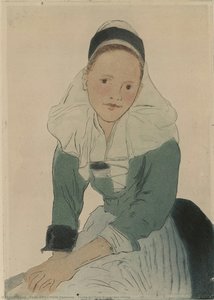
Émile Alfred Marie Dezaunay’s “Portrait of a Man,” executed around 1890, stands as a testament to the enduring fascination with capturing human psychology through meticulous observation and masterful technique. This unassuming canvas—measuring just 6 x 24 cm—holds within it a profound statement about artistic ambition and the artist's unwavering belief in his craft.
Dezaunay’s stylistic approach draws heavily from the Pont-Aven school, blending Impressionistic luminosity with Symbolist explorations of inner emotion. The painting eschews grand narratives; instead, it focuses on a single figure—a man seated at a table—whose gaze directs itself outwards, conveying a contemplative seriousness that transcends mere representation.
Technical Brilliance: Watercolor and Observation
Executed in watercolor, Dezaunay’s technique is characterized by delicate brushstrokes and subtle color gradations. The artist skillfully utilizes light to sculpt the contours of the face and drapery, creating a palpable sense of depth and texture. Microscopic examination reveals preparatory underdrawings—a hallmark of Dezaunay's meticulous process—demonstrating his dedication to achieving unparalleled accuracy.
The composition is remarkably restrained, prioritizing clarity and emotional resonance over elaborate ornamentation. The muted palette—dominated by blues and browns—reflects the artist’s connection to Brittany, where he resided for much of his life. This deliberate choice contributes to the painting's tranquil atmosphere, inviting viewers to contemplate the complexities of human experience.
Symbolism Beyond Appearance
More than just a likeness, “Portrait of a Man” embodies Dezaunay’s artistic philosophy: an unwavering commitment to capturing not only what is seen but also what is felt. The man's direct gaze—piercing yet thoughtful—suggests introspection and awareness—a reflection of the artist himself. As Craig Harbison observes, "each wrinkle of the cloth, each fold, each soft glimmer of light across the soft weave, is painted with the holy precision Jan van Eyck helped introduce to art."
The painting’s placement within the Pont-Aven school—a movement devoted to exploring spiritual themes through landscape and portraiture—further underscores its significance. Dezaunay's work speaks to a broader artistic tradition concerned with conveying inner truths through careful observation and expressive brushwork.
A Legacy of Quiet Confidence
“Portrait of a Man” remains an exceptional example of watercolor painting, demonstrating Dezaunay’s mastery of technique and his profound understanding of human psychology. Its understated beauty—coupled with its symbolic depth—continues to inspire admiration and intrigue among art historians and collectors alike.
Sanatçı Özgeçmişi
Early Life and Education
- Born: Nantes, France (1854)
- Died: 1938 in Nantes, France
- Émile Alfred Marie Dezaunay was born into a family of artists, fostering an early passion for art.
- He received formal training at the École des Beaux-Arts in Paris, studying under renowned artists Jules-Élie Delaunay and Pierre Puvis de Chavannes. This education emphasized traditional techniques which he later integrated with his own evolving style.
Artistic Career and Style
- Dezaunay's artistic career was marked by participation in various art movements, notably Impressionism and the Pont-Aven school.
- His work reflects a unique blend of these styles, characterized by beautiful use of color and light to capture the essence of his subjects.
- He frequently depicted seascapes, landscapes, and scenes of Brittany and Nantes, showcasing his deep connection to his homeland.
- Dezaunay's technique involved swirling brushstrokes and flickering colors, creating a sense of movement and vibrancy in his paintings.
Influences and Development
- The influence of Jules-Élie Delaunay is evident in Dezaunay’s early training and attention to detail.
- Pierre Puvis de Chavannes' emphasis on classical composition and idealized forms likely shaped Dezaunay’s approach to depicting landscapes and figures.
- His association with the Pont-Aven school, alongside artists like Gauguin and Bernard, exposed him to new artistic explorations and a more expressive style. This led to his distinctive use of color and brushwork.
Notable Works and Recognition
- Dezaunay’s paintings are featured in various museums and collections, including the Musée des Beaux-Arts de Carcassonne and the Musée des Beaux-Arts de Nantes.
- Some notable works include: Young girl from Rosporden sitting, Study of children, and Portrait of a man. These pieces exemplify his skill in capturing both portraiture and landscape scenes.
- His work can be found on TopImpressionists.com as high-quality reproductions.
Legacy and Historical Significance
- Dezaunay’s legacy lies in his ability to synthesize traditional techniques with innovative artistic ideas, creating a unique style that blended Impressionism and the Pont-Aven aesthetic.
- He is remembered for his mastery of color and light, which brought life and movement to his depictions of Brittany and its people.
- As a member of both the Impressionist movement and the Pont-Aven school, Dezaunay played a role in bridging different artistic approaches and contributing to the evolution of 19th-century French art.

émile alfred marie dezaunay
1854 - 1938 , France
Kısa Bilgiler
- Artistic Movement Or Style:
- Impressionism
- Pont-Aven
- Artists Who Influenced This Artist:
- Jules-Élie Delaunay
- Pierre Puvis de Chavannes
- Date Of Birth: 1854
- Date Of Death: 1938
- Full Name: Émile Alfred Marie Dezaunay
- Nationality: French
- Notable Artworks:
- The Grain Sifters
- Young girl from Rosporden sitting
- Study of children
- Portrait of a man
- Place Of Birth: Nantes, France
İlgili Makaleler

Rembrandt'ın En Ünlü 25 Eseri: Sanat Tarihine Işık Tutan Başyapıtlar
Rembrandt'ın en ünlü 25 eserini keşfedin! Hollanda Altın Çağı'nın bu Barok dehasının ışık ve gölge oyunlarıyla dolu portreleri, tarihi resimleri sizi büyüleyecek. Sanat baskıları ve ev dekorasyonu için TopImpressionists.com'da Rembrandt koleksiyonunu inceleyin.

Early Netherlandish Masters: 10 Paintings That Revolutionized Art & Decor
Journey into the world of Early Netherlandish painting! Explore 10 masterpieces by Jan van Eyck, Rogier van der Weyden & more. Discover stunning detail, symbolism & Renaissance art for your home decor. Find museum-quality reproductions on TopImpressionists.com

Jan van Eyck: Innovation, Symbolism & the Dawn of Early Netherlandish Painting
Explore the revolutionary art of Jan van Eyck! Discover his groundbreaking oil painting techniques, hidden symbolism, and lasting impact on the Early Netherlandish Renaissance. A deep dive for art enthusiasts.

Early Netherlandish Masters: 10 Paintings That Revolutionized Art & Decor
Journey into the Early Netherlandish Renaissance! Explore 10 iconic paintings by Jan van Eyck, Rogier van der Weyden & more. Discover stunning detail, symbolism, and oil painting techniques. Find museum-quality art reproductions for your home at TopImpressionists.com.

Illuminating Realism: A Comprehensive Exploration of the Early Netherlandish Renaissance Movement
Explore the captivating world of Early Netherlandish painting! Discover Jan van Eyck & other Flemish masters, their revolutionary techniques, hidden symbolism, and lasting legacy. A comprehensive guide for art enthusiasts.
Temalara, stillere ve özelliklere göre düzenlenmiş sanat eserlerini keşfedin.