Atelier — Complimentary worldwide shipping — 2–6 hafta içinde teslimat
Wishlist Sepet
Baskıyı satın al Baskıyı satın alGörseli Satın Al Görseli Satın Al PaylaşPaylaş
Detayları GörDetayları Gör Favorilere ekle Favorilere ekle İndirİndir Benzerlerini görBenzerlerini gör X-IşınıX-Işını Slayt GösterisiSlayt Gösterisi

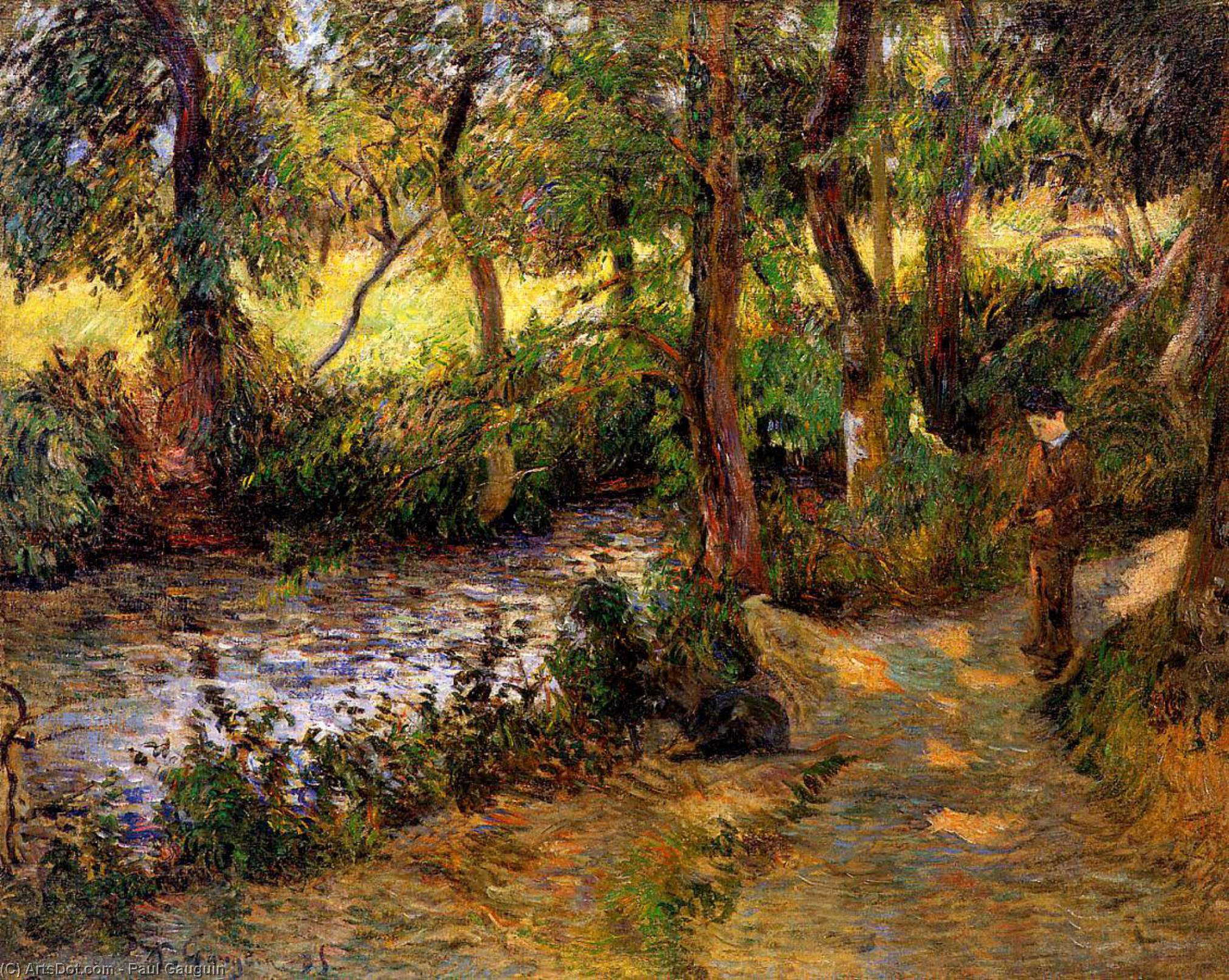
Su Çocuğu

Paul Gauguin'ın büyüleyici "Su Çocuğu" eserinde İntişar eden doğal ışık ve huzurlu atmosferin güzelliğini keşfedin. Post-İmpresyonizm sanatının ruhunu yakalayan etkileyici bir manzara resmi.

Paris France Eugène Henri Paul Gauguin gauguin, eugene henri paul gauguin, Paul Gauguin Post-İmpresyonist ressam Paul Gauguin, cesur renkleri, egzotik temaları ve sembolizm tarzıyla tanınır. Tahiti'deki yaşamı ve 'Vahine no te miti' gibi eserleriyle modern sanatın öncülerindendir. Post-İmpresyonizm, Sembolizm Pablo Picasso Camille Pissarro 1848 1903 Eugène Henri Paul Gauguin Fransız Cl

El Yapımı Yağlı Boya Reproduksiyon

Sanatçılarımız tarafından sipariş üzerine hazırlanan; istediğiniz boyut ve çerçevede, tuval üzerine el boyaması yağlı boya.

P118B $10
P118H $10
P118W $10
P438Z $10
P508JH $12
P508YH $12
P805H $10
P805Z $10
P919BZ $10
P919G $10
P919XJ $10
P959ZH $10
P968JZ $12
W106C $8
W218G $10
W218JH $8
W218Y $10
W307PJ $10
W316G $10
W316PJ $8
W316Y $10
W398PJ $8
W4111J $10
W500HY $15
W500JH $15
W692G $12
W849H $8
W940BG $15
W953PJ $8

Standard
custom
CM
INCH

Eserin orijinal oranlarıyla uyumlu, önceden belirlenmiş boyutlarımız arasından seçim yapın.

genişlik
yükseklik

Belirli bir çerçeveye veya alana uyması için kendi boyutlarınızı girebilirsiniz. Seçtiğiniz boyut orijinal görüntünün oranlarıyla eşleşmiyorsa, sanat eserini kırparak veya ek el boyaması öğelerle resmi uzatarak ayarlayacağız. Üretim başlamadan önce onayınız için dijital bir taslak gönderilecektir.
Lütfen ekrandaki önizlemenin gerçek kırpmayı veya uzatmayı yansıtmadığını unutmayın. Nihai kompozisyonu yalnızca hazırlanan taslak doğru şekilde gösterecektir.
Özel boyutlar mevcut olsa da, orijinal oranları korumak adına önceden tanımlanmış listeden bir boyut seçmenizi öneririz.

Değiştirilebilecek örneklere dair: Yüzün müşteri fotoğrafıyla değiştirilmesi; Evcil hayvan eklenmesi (örneğin kedinin köpek ile değiştirilmesi); Arka plana gizli bir mesaj dahil edilmesi; Arka plan manzarasının veya öğelerinin değiştirilmesi.
Siparişten sonra, TopImpressionists.com ekibi talimatlar için müşteriye e-posta gönderecek ve bir taslak önizleme sunacaktır

Dünya Çapında Teslimat (); standart 5 hafta yerine 3/4 haftada. (17 Temmuz). Kaliteden ödün verilmez.

why_choose_icon
Dünya Çapında Ücretsiz Ekspres Kargo
why_choose_icon
Yüksek Kaliteli Keten Tuval
why_choose_icon
Tam Kapsamlı Nakliye Sigortası
why_choose_icon
Gümrük Vergisi İade Garantisi
why_choose_icon
Gerçek Renk Uyumu Garantisi
why_choose_icon
60 Günlük İade Politikası (Sadece Kusurlu Ürünler İçin)
why_choose_icon
%100 Para İade Garantisi
why_choose_icon
Toplu Alım İndirimi

Toplam Fiyat

-

reproduction

Su Çocuğu

Reproduksiyon Tekniği

Reproduksiyon Boyutu

-

Toplam Tutar

-

Hızlı Bilgiler

  • subject: A young boy by a body of water with trees and birds.
  • artist: Paul Gauguin
  • title: Boy by the Water
  • influences:
    • Camille Pissarro
    • Vincent van Gogh
  • year: 1885
  • medium: Oil on canvas

Sanat Bilgisi Testi

Her soru için yalnızca bir doğru cevap bulunmaktadır.

Soru 1:
In what year was Paul Gauguin's 'Boy by the Water' painted?
Soru 2:
Which artistic movement is 'Boy by the Water' most closely associated with?
Soru 3:
The image description notes a key characteristic of the brushstrokes used in 'Boy by the Water'. What is it?
Soru 4:
According to the provided text, what do the birds symbolize in Gauguin's 'Boy by the Water'?
Soru 5:
Which artist is mentioned as having influenced Paul Gauguin’s style?

Eser Açıklaması

Boy by the Water - Paul Gauguin's Poetic Reflection on Innocence and Nature

Paul Gauguin’s “Boy by the Water,” painted in 1885, transcends mere depiction; it embodies the very spirit of Post-Impressionism—a yearning for authenticity and a bold departure from academic conventions. More than just capturing a young boy amidst a tranquil landscape, this artwork delves into profound themes of childhood innocence, harmonious communion with nature, and the burgeoning artistic freedom that characterized Gauguin’s era. The painting isn't simply observed; it’s felt—a visceral response to Gauguin’s masterful manipulation of color and form.

Subject & Composition: A Rural Sanctuary

The scene unfolds in a secluded riverside setting, dominated by dense foliage that creates an intimate enclosure around the boy figure. Gauguin meticulously arranges elements within the frame, positioning the child slightly off-center to the right—a subtle gesture that imparts dynamism and balance. The lower portion of the canvas is occupied by the reflective surface of the water, mirroring the trees above and establishing a visual connection between earth and sky. This deliberate compositional choice isn’t accidental; it serves to heighten the sense of tranquility and focus attention on the boy's presence as he interacts with his environment. Gauguin’s aim wasn’t merely to represent what he saw but to convey an emotional state—a profound appreciation for unspoiled beauty.

Style & Technique: Synthetism – Beyond Impressionistic Illusion

“Boy by the Water” firmly establishes Gauguin's embrace of *Synthetism*, a stylistic movement that prioritized expressive color and simplified forms over meticulous realism. Unlike Impressionists who fragmented light into shimmering brushstrokes, Gauguin employs bold, flat planes of pigment—a technique reminiscent of cloisonné enamelware—to achieve an immediate visual impact. The palette is rich with earthy greens, blues, and ochres, colors chosen not for their literal representation but for their ability to evoke feelings of serenity and contemplation. Thick impasto brushstrokes contribute textural richness, lending a tactile quality to the painting that invites viewers to engage with its surface on a sensory level. This deliberate departure from Impressionistic conventions underscores Gauguin’s desire to communicate emotion directly—to bypass intellectual analysis in favor of instinctive perception.

Historical Context & Artistic Influences: Symbolism's Embrace

Painted during Gauguin’s formative years in Tahiti, “Boy by the Water” reflects the influence of Polynesian culture and Symbolist aesthetics. Gauguin sought inspiration from myths and legends—drawing upon primal imagery to express spiritual truths. The boy figure itself symbolizes purity and innocence—a counterpoint to the complexities of Western civilization. Furthermore, Gauguin’s stylistic innovations foreshadowed his later explorations into abstraction, anticipating developments in modern art that would challenge traditional notions of representation. He was responding to a broader artistic dialogue—one fueled by Nietzsche's philosophy and Wagnerian opera—that questioned established moral values and championed subjective experience.

Emotional Resonance: A Moment Frozen in Time

Ultimately, “Boy by the Water” succeeds in capturing a fleeting moment of profound beauty—a snapshot of rural life imbued with symbolic significance. Gauguin’s masterful use of color and texture creates an atmosphere of stillness and contemplation, inviting viewers to contemplate themes of childhood wonder and connection with nature. The painting transcends its formal elements; it communicates an emotional core—a yearning for simplicity and a celebration of the unspoiled world—making it a timeless masterpiece that continues to inspire admiration and provoke reflection.

Sanatçı Özgeçmişi

Eugène Henri Paul Gauguin: A Revolutionary Post-Impressionist Painter

Paul Gauguin, a name synonymous with bold color and defiant individualism, stands as one of the most influential figures in the artistic landscape of the late nineteenth century—a pivotal innovator who irrevocably altered the course of modern art. Born June 7, 1848, in Paris, France, his life unfolded far from the conventional paths expected of a young man of his era, marked by an upbringing steeped in intellectual curiosity and shaped by encounters with cultures radically different from those of Western Europe. His father, a journalist, instilled in him a passion for storytelling and observation; his mother, descended from Peruvian aristocracy—a lineage that carried echoes of Flora Tristan’s pioneering feminist activism—provided him with a grounding in progressive ideals. These formative influences would profoundly permeate Gauguin's artistic vision, fostering an unwavering desire to transcend mere representation and delve into the realm of emotion and spiritual truth.

Early Years & Influences

Gauguin’s early education was unremarkable, yet it served as a springboard for his burgeoning interest in art. He initially absorbed Impressionist techniques—particularly those championed by Monet, Pissarro, and Renoir—capturing fleeting moments of light and color with remarkable precision. However, Gauguin quickly recognized the limitations of Impressionism's preoccupation with optical perception, perceiving it as incapable of conveying deeper psychological complexities. The Impressionists’ focus on capturing the surface appearance of reality left little room for exploring inner states or grappling with existential questions—a distinction that resonated deeply within Gauguin’s artistic sensibilities. Recognizing this divergence, he sought guidance from Camille Pissarro, who encouraged him to experiment with new approaches and championed his exploration of expressive color palettes.

The Financial World & Artistic Awakening

Despite pursuing a career as a stockbroker—a profession seemingly antithetical to the creative pursuits that would define his life—Gauguin’s artistic passions burned brightly beneath the surface. He spent countless hours honing his skills in secret, immersing himself in painting alongside fellow artists and absorbing inspiration from diverse sources. The financial crisis of 1882 proved a transformative moment, forcing him to abandon his lucrative profession and wholeheartedly embrace his artistic vocation. This wasn't merely a change in occupation; it represented a fundamental recalibration of priorities—a conscious decision to prioritize artistic fulfillment over material success.

Voyages & Exploration: Brittany & Tahiti

Driven by an irresistible urge to escape the confines of Parisian society and reconnect with the natural world, Gauguin embarked on a series of expeditions that would profoundly shape his artistic style and subject matter. His initial foray into landscape painting took him to Brittany—a region characterized by rugged coastlines and dense forests—where he meticulously studied the interplay of light and color, attempting to capture the essence of Breton rural life. Influenced by Cézanne’s exploration of form and perspective, Gauguin pushed Impressionistic conventions further, prioritizing expressive brushstrokes and simplified compositions over photographic realism. However, it was his arrival in Tahiti—a Polynesian island nestled in the South Pacific—that truly ignited his artistic imagination. Seeking refuge from European materialism and societal pressures, Gauguin immersed himself in Tahitian culture, documenting its rituals, traditions, and landscapes with unparalleled fervor.

Tahitian Style & Symbolism

The Tahitian experience irrevocably altered Gauguin’s artistic trajectory. Rejecting Impressionistic ideals of optical accuracy, he embraced a bold new style characterized by vibrant hues, flattened perspectives, and stylized depictions—techniques heavily indebted to Japanese prints (Japonisme). He deliberately eschewed meticulous detail, prioritizing emotional resonance over visual realism. This stylistic choice reflected Gauguin’s conviction that art should serve as a conduit for spiritual contemplation—a means of accessing deeper truths beyond the surface appearance of things. Iconic paintings such as “Vahine no te miti,” “Manao Tupapau,” and “The Vision After The Sermon” exemplify this Tahitian style, capturing the mystical atmosphere of Polynesian rituals and conveying profound emotional states. Gauguin’s use of color—particularly reds, yellows, and blues—became increasingly expressive, serving not to reproduce reality but to convey emotion and spiritual significance. He was a pioneer in synthesizing disparate influences—Medieval art, Cézanne's geometric forms, Japanese prints—into a singular artistic vision that continues to captivate audiences today. ### Legacy & Influence Paul Gauguin’s impact on the course of modern art is undeniable. His rejection of Impressionistic conventions paved the way for movements like Fauvism and Expressionism, inspiring artists to prioritize emotional intensity over visual accuracy. He championed the notion that art should transcend mere representation, urging painters to explore inner states and grapple with existential questions—a legacy that resonates powerfully in contemporary artistic discourse. Gauguin’s unwavering commitment to artistic freedom—his willingness to challenge societal norms and forge his own path—remains an enduring symbol of creative rebellion. His work continues to inspire artists worldwide, cementing his place as one of the most transformative figures in the history of art.

Eugène Henri Paul Gauguin

Eugène Henri Paul Gauguin

1848 - 1903 , Fransa

Kısa Bilgiler

  • Artistic Movement Or Style: Post-Impressionizm
  • Artists Or Movements Influenced By This Artist: ['Pablo Picasso']
  • Artists Who Influenced This Artist: ['Camille Pissarro']
  • Date Of Birth: 1848
  • Date Of Death: 1903
  • Full Name: Eugène Henri Paul Gauguin
  • Nationality: Fransa
  • Notable Artworks:
    • Clearing
    • Vahine no te miti
    • Manao Tupapau
    • Little Breton Shepherd
  • Place Of Birth: Paris
Temalara, stillere ve özelliklere göre düzenlenmiş sanat eserlerini keşfedin.
© TopImpressionists.com — Tüm Hakları Saklıdır  ·  100% El Boyası · Memnuniyet Garantili · Dünya Çapında Ücretsiz Gönderim
VISA MASTERCARD