


 Önizleme yap
 Paylaş
 Paylaş
 Detayları Gör
 Rehber

 İndir
İndir
 Benzerlerini gör
 X-Işını
 Slayt Gösterisi
 İstatistikler
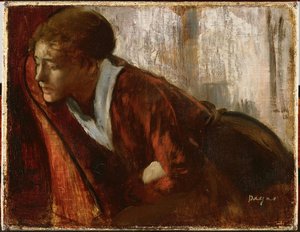
Melankoli


Edgar Degas’ın ‘Melankoli’ adlı etkileyici portresiyle içsel düşünce ve duyguyu yakalayın. 1874 yapımı, Phillips Koleksiyonu’nda sergilenen bu başyapıt, onun özgün tarzını ve psikolojik derinliğini ortaya koyuyor.
 Tümünü Gör
Edgar Degas: Fransız sanatçıları etkileyen ikonik balerin eserleriyle ve yenilikçi teknikleriyle modern sanatın ustası. Klasik çizim becerisi ve gerçekçi yaşam tasvirleriyle tanınır.
El Yapımı Yağlı Boya Reproduksiyon
Sanatçılarımız tarafından sipariş üzerine hazırlanan; istediğiniz boyut ve çerçevede, tuval üzerine el boyaması yağlı boya. ( Baskı Moduna Geç Dijital Görsele Geç)




P118B $10

P118H $10

P118W $10

P438Z $10

P508JH $12

P508YH $12

P805H $10

P805Z $10

P919BZ $10

P919G $10

P919XJ $10

P959ZH $10

P968JZ $12

W106C $8

W218G $10

W218JH $8

W218Y $10

W307PJ $10

W316G $10

W316PJ $8

W316Y $10

W398PJ $8

W4111J $10

W500HY $15

W500JH $15

W692G $12

W849H $8

W940BG $15

W953PJ $8




Standart
kişiye özel
CM
INCH
Eserin orijinal oranlarıyla uyumlu, önceden belirlenmiş boyutlarımız arasından seçim yapın.
Loading sizes...

genişlik
yükseklik
Belirli bir çerçeveye veya alana uyması için kendi boyutlarınızı girebilirsiniz. Seçtiğiniz boyut orijinal görüntünün oranlarıyla eşleşmiyorsa, sanat eserini kırparak veya ek el boyaması öğelerle resmi uzatarak ayarlayacağız. Üretim başlamadan önce onayınız için dijital bir taslak gönderilecektir.
Lütfen ekrandaki önizlemenin gerçek kırpmayı veya uzatmayı yansıtmadığını unutmayın. Nihai kompozisyonu yalnızca hazırlanan taslak doğru şekilde gösterecektir.
Özel boyutlar mevcut olsa da, orijinal oranları korumak adına önceden tanımlanmış listeden bir boyut seçmenizi öneririz.
Değiştirilebilecek örneklere dair: Yüzün müşteri fotoğrafıyla değiştirilmesi; Evcil hayvan eklenmesi (örneğin kedinin köpek ile değiştirilmesi); Arka plana gizli bir mesaj dahil edilmesi; Arka plan manzarasının veya öğelerinin değiştirilmesi.
Siparişten sonra, TopImpressionists.com ekibi talimatlar için müşteriye e-posta gönderecek ve bir taslak önizleme sunacaktır
Siparişten sonra, TopImpressionists.com ekibi talimatlar için müşteriye e-posta gönderecek ve bir taslak önizleme sunacaktır
Dünya Çapında Teslimat (); standart 5 hafta yerine 3/4 haftada. (23 Eylül). Kaliteden ödün verilmez.

Dünya Çapında Ücretsiz Ekspres Kargo

Yüksek Kaliteli Keten Tuval

Tam Kapsamlı Nakliye Sigortası

Gümrük Vergisi İade Garantisi

Gerçek Renk Uyumu Garantisi

100 Günlük İade Politikası (Sadece Kusurlu Ürünler İçin)

%100 Para İade Garantisi

Toplu Alım İndirimi
 Cam seçeneği yalnızca 110 cm altındaki boyutlar için mevcuttur.

Melankoli
Reproduksiyon Tekniği
Reproduksiyon Boyutu
-


Toplam Tutar
$ 269
The Enigmatic Depths of “Melancholy” by Edgar Degas
Edgar Degas, a name synonymous with Impressionism yet profoundly resistant to easy categorization, offers us in "Melancholy" (1874) a work that transcends simple portraiture. Housed within the esteemed Phillips Collection, this painting isn’t merely a depiction of a woman; it's an invitation into the quiet contemplation of the human psyche—a testament to Degas’s extraordinary ability to capture not just appearances but the very essence of emotion. The piece immediately draws the eye with its carefully orchestrated composition: a woman, partially veiled by a curtain, positioned within a space defined by rich, layered colors and subtle gestures. It's a scene pregnant with unspoken narratives, inviting viewers to become active participants in deciphering her inner world.
Degas’s artistic vision is rooted in his meticulous observation of the world around him, a characteristic that aligns perfectly with his self-proclaimed status as a realist. He wasn’t interested in grand historical scenes or idealized beauty; instead, he sought to portray the everyday lives of ordinary people—and here, particularly, the complexities of female experience. The painting's palette is masterfully controlled – the dominant red of the woman’s clothing and furnishings creates a vibrant focal point, expertly balanced against the cooler blues and greens that permeate the background. This interplay of color isn’t merely decorative; it subtly reinforces the mood of introspection and perhaps even sadness that permeates the scene.
Symbolism Woven into the Fabric of the Image
The most striking element of “Melancholy” is undoubtedly the woman herself, her face partially obscured by the curtain. This deliberate concealment isn’t simply a stylistic choice; it functions as a potent metaphor for the barriers we erect between ourselves and our own emotions. The curtain becomes a visual representation of the ‘veil’ separating the external world from the internal landscape—a space where thoughts, feelings, and memories reside in quiet contemplation. Her downward gaze, tilted slightly to the left, is crucial. It speaks volumes about her state of mind: she's not looking outward, but inward, lost in a private reverie.
Beyond this central image, subtle details contribute to the painting’s layered symbolism. The arrangement of furniture—a sofa, a fireplace—suggests a domestic setting, yet it feels strangely sterile and devoid of warmth. This contributes to the overall sense of isolation and melancholy. Even the lighting, with its dramatic interplay of light and shadow, reinforces this mood, casting long shadows that seem to deepen the woman’s solitude.
A Masterpiece within the Context of Symbolism
“Melancholy” is a pivotal work in Degas's oeuvre, firmly situated within the broader context of Symbolist painting. Emerging in the late 19th century, Symbolism sought to explore the realm of subjective experience—the hidden depths of human consciousness and the power of emotions. Artists like Edvard Munch and James Ensor were deeply influenced by this movement’s emphasis on capturing inner states rather than simply representing external reality. Degas, while resisting the label of “Impressionist,” shared many affinities with Symbolists in his interest in portraying psychological complexity and emotional nuance.
The painting's creation coincided with a period of significant social and cultural change—a time when traditional values were being questioned and new forms of artistic expression were emerging. Degas’s willingness to delve into the darker aspects of human experience, as evidenced by “Melancholy,” reflects this broader shift in sensibility. It’s a work that speaks not only to the artist's personal vision but also to the anxieties and uncertainties of his era.
A Legacy Enduring Through Reproduction
“Melancholy” remains a profoundly moving artwork, captivating viewers with its evocative atmosphere and subtle symbolism. Its influence can be seen in countless subsequent works of art—from Expressionist paintings that sought to convey intense emotional states to contemporary artists who continue to explore the complexities of human psychology. For those seeking to experience Degas’s genius firsthand, TopImpressionists offers meticulously crafted hand-painted reproductions of this iconic masterpiece. These high-quality reproductions capture not only the painting's visual beauty but also its emotional depth, allowing you to bring this timeless work into your own home or office.
Beyond “Melancholy,” exploring Degas’s other works—such as “Dancers at the Barre” and “Ballet Rehearsal on the Set”—provides a deeper understanding of his artistic range and his fascination with movement, light, and human interaction. For further insight into Impressionism and Symbolism, we encourage you to visit “Discover the Musée Des Beaux-Arts Tourcoing, France” or consult resources like Wikipedia’s entry on Symbolist Painting.
Benzer Eserler



Sanatçı Özgeçmişi
A Life Immersed in Movement
Edgar Degas (19 Temmuz 1834 – 27 Eylül 1917), tam adı Hilaire-Germain-Edgar De Gas olan, Fransız ressam, heykeltıraş ve çizer. İzlenimcilik akımının kurucularından biri kabul edilse de ressam bu terimi reddedip gerçekçi olarak tanınmayı tercih ettiğini açıklamıştır. Tekniği başarılı bir ressam olan Degas, daha çok dans temalı resimleri ile tanındı. Çalışmalarının yarısından fazlası dansçılarla ilgiliydi. Bu çalışmaları aynı zamanda onun hareketin betimlemesindeki ustalığını gösteriyordu. Dans kadar at yarışları ve çıplak kadınlar çizmekte de başarılıydı. Portreleri de sanat tarihinin en başarılılarından kabul edilir.Early Life and Artistic Beginnings
Degas, Célestine Musson De Gas ve Augustin De Gas'nın en büyük çocukları olarak Paris’te dünyaya geldi. Babası bankacıydı. Ressamın ailesi varlıklı sayılırdı. 11 yaşında Lycée Louis-le-Grand’e başlayan Degas, 1853 yılında edebiyat dalında derece alarak mezun oldu. Onun gençlik yılları rahat bir aile ortamında geçti ve klasik sanat eğitimine eriştiği için şanslıydı. Özellikle Jean Auguste Dominique Ingres ile olan tanışması onun sanat hayatının önemli bir dönüm noktası oldu. Ingres’in tavsiyesiyle “Çizgiler çiz genç adam. Pek çok çizgi.” Degas’ın sanat anlayışını şekillendirdi ve klasik sanat eserlerini kopyalamaya başlamasını sağladı. Bu çalışma sırasında Louvre müzesindeki eserlerin dikkatli bir şekilde analizini yapmaya başladı ve bu konuda önemli deneyim kazandı. Aynı yılın Nisan ayında Degas, Ecole des Beaux-Arts’a kabul edildi. Burada Louis Lamothe ile birlikte çalıştı ve Ingres’in tarzını takip etti. Temmuz 1856'da İtalya’yı ziyaret etti ve bu ülkede üç sene kaldı. O yıllar boyunca Michelangelo, Raphael, Titian ve Rönesans’ın diğer ressamlarının eserlerini kopyaladı. Akademik ve klasik sanat tekniklerini çalıştı ve bu konularda tecrübe kazandı. Bu dönemde Degas’ın temel ilgi alanı Ingres’in öğretimiydi ve onun çizgi tekniği özellikle etkisini gösteriyordu.Impressionism and Beyond
Degas, İzlenimcilik akımının kurucularından biri olarak kabul edilse de bu terimi reddedip gerçekçi olarak tanınmayı tercih ettiğini açıklamıştır. Ancak İzlenimcilikten etkilenmiş ve onun ışık oyunlarına vurgusu Degas’ın eserlerinde kendini göstermişti. Özellikle Monet ile olan arkadaşlığı onun sanat yaşamında önemli bir rol oynadı. Monet’in dışarıda yapılan çalışmalarına rağmen Degas daha çok stüdyosunda çalıştı ve hareketin canlılığını yakalamak için özel teknikler geliştirdi. Dansçılar, at yarışları ve denizciler gibi modern konuları işledi ve bu eserlerinde gerçekçi bir anlatım sağlamaya özen gösterdü. Onun kompozisyonlarında geleneksel yöntemlerden uzaklaşmaya çalıştığı ve figürleri beklenmedik yerlerde kesmekte olduğu görülmektedir. Bu yaklaşım onun eserlerine dinamizm ve canlılık katıyordu. Özellikle dans temalı eserlerinde hareketin ifadesini ustalıkla yakalaması dikkat çekiyordu. Dansçılarla ilgili yaptığı çalışmalarında sadece güzel ballerinas çizmekle kalmayıp aynı zamanda onların performansının zorluklarını ve güzelliğini ortaya koymaya çalıştı. Bu eserleri onun sanatçı kişiliğinin önemli bir parçasıydı ve İzlenimcilik akımına katkıda bulunduğu söylenebilir.Notable Works and Artistic Legacy
Degas’ın en ünlü eserlerinden bazıları arasında *Dancer and Tambourine*, *The Ballet Class*, *Degas in a Green Jacket*, *The Collector*, *Women Combing Their Hair* bulunmaktadır. Bu eserlerinde Degas’ın çizgisel ustalığı ve hareketin ifadesindeki başarısı öne çıkmaktadır. Onun eserleri sadece teknik açıdan değil aynı zamanda duygusal olarak da etkileyiciydi. Özellikle dansçılarla ilgili yaptığı çalışmalarında insan figürünün karmaşıklığını ve duygularını gerçekçi bir şekilde betimlemesi dikkat çekiyordu. Degas’ın etkisi Picasso ve Matisse gibi diğer sanatçılara taşındı ve onların eserlerinde İzlenimcilik akımının temel prensiplerini görmekteyiz. Ayrıca Japon sanatından etkilenmiş ve özellikle Ukiyo-e baskıları onun kompozisyonlarına yeni bir perspektif kazandırdı. Onun sanat tarihi içindeki yeri tartışılmazdır ve gelecek nesillerin sanatçıları için önemli bir örnek teşkil etmektedir. Degas’ın eserleri bugün dünyanın başlıca müzelerinde sergilenmektedir ve onun yaratıcılığının gücünü göstermektedir.
Hilaire Germain Edgar De Gas
1834 - 1917 , Fransa
Kısa Bilgiler
- Artistic Movement Or Style: İzlenimcilik, Gerçekçilik
- Artists Or Movements Influenced By This Artist:
- Picasso
- Matisse
- Artists Who Influenced This Artist:
- Ingres
- Courbet
- Pissarro
- Date Of Birth: 1834
- Date Of Death: 1917
- Full Name: Hilaire Germain Edgar De Gas
- Nationality: Fransız
- Notable Artworks:
- Dansçı ve Tambur Çalgısı
- Bal Klasörü
- Degas Yeşil Giyside
- Toplayıcı
- Kadınlar Saçlarını Bürütüyor
- Place Of Birth: Paris, Fransa
İlgili Makaleler

Impressionism's Masterpieces: 10 Paintings That Defined a Movement | TopImpressionists
Journey through Impressionism's heart with 10 iconic paintings by Monet, Renoir & Degas. Explore light, color & the stories behind these masterpieces. Find museum-quality art reproductions and elevate your home decor on TopImpressionists.com.

Paul Cézanne'ın En İyi 25 Eseri: Sanat Tarihinin İkonik Yapıtları ve Ev Dekorasyonu İçin İlham Veren Seçkiler
Paul Cézanne'ın en iyi 25 eserini keşfedin! Modern sanatın öncüsü Cézanne'ın post empresyonist tabloları, natürmortları ve renkli manzaralarıyla evinizi sanatsal bir atmosfere taşıyın. TopImpressionists.com'da yüksek kaliteli sanat baskıları ve dekor fikirleri sizi bekliyor.

Crimson Threads of Narrative: Exploring Symbolism & Representation in Artworks Featuring the Red Dress
Explore the rich symbolism of the red dress in art history! From ancient power displays to iconic portraits like Cézanne’s 'Madame Cezanne', discover the cultural and artistic significance behind this captivating color. Expert analysis & insights.

İzlenimciliğin Zirvesi: Sanat Tarihini Şekillendiren 10 Başyapıt
İzlenimciliğin en etkileyici 10 başyapıtını keşfedin! Monet, Renoir ve Degas gibi ustaların eserleriyle sanat tarihine ışık tutun. Evinizi TopImpressionists'ın benzersiz duvar sanatı koleksiyonuyla güzelleştirin. Sanat satın al & dekore edin! TopImpressionists.com

İzlenimci Sanatı Tanımlayan 10 Başyapıt: Renklerin ve Işığın Büyüsü
İzlenimci Sanat'ın zirvesi! Monet, Renoir ve daha fazlasıyla 10 başyapıtı keşfedin. Renklerin büyüsüyle evinizi dönüştürün. TopImpressionists.com’da sanatla yaşamı deneyimleyin.
Temalara, stillere ve özelliklere göre düzenlenmiş sanat eserlerini keşfedin.


