

Görüntülenen: · Çerçevesiyle birlikte:
 Gerçek Boyutta Önizle

 Paylaş
 Paylaş
 Detayları Gör
 Bilgi Formu


 İndir
 Benzer ürünler
 X-Işını
 Slayt Gösterisi
 Soru & Cevap

 İstatistikler
Found (Max Klinger)


36 x 28 cm boyutunda, ₺2480'den başlayan kanvas ve sanat baskıları
₺12402'den başlayan el yapımı yağlı boya reprodüksiyonlar
- 3-4 Hafta İçinde Ücretsiz Dünya Çapında Gönderim
- Rulo halindeki baskıların teslimat süresi 3-4 haftadır
- 100 gün içinde iade ve para iadesi garantisi
- ArtShopReviews.com'da 241 müşteri tarafından 4.9/5 puanlandı
₺ 3847
Giclée / Sanat Baskısı
Hızlı üretim ve esnek bitiş seçenekleriyle müze kalitesinde giclée veya kanvas baskı. ( Empresyonist Yağlıboya Dijital Kopyayı Satın Al
)
Teknik ve Malzeme Türü
 Daha fazla bilgi edinin
Ekonomik baskı seçeneğimiz: Aynı görselin pamuk yerine 260 g/m² polyester kanvasa basılmış hali; standart posta ile rulo halinde bir tüp içerisinde 3 ila 4 hafta içinde teslim edilir. Sadece rulo olarak gönderilir (şasi veya çerçeve yoktur), öncelikli üretim kapsamı dışındadır ve en az bir kenarı 80 cm veya daha küçük olan boyutlar için geçerlidir. Pamuk kanvas baskıya göre yaklaşık %30 daha uygundur.
Bu boyut için uygun değil: en az bir kenar 80 cm veya daha kısa olmalıdır.
Sadece rulo olarak: Bu baskıyı seçmek için rulo halindeki kanvas seçeneğini belirleyin.
Her iki kenarı da 110 cm veya daha küçük olan boyutlar için uygundur. Daha büyük boyutlar için baskı, mat pamuklu kanvas üzerine yapılır.
Mat arşivlik kanvas bu boyut için uygun değildir: her iki kenar da 110 cm veya daha kısa olmalıdır. Baskınız bunun yerine mat pamuklu kanvas üzerine hazırlanmıştır.
Cam seçeneği yalnızca 110 cm altındaki boyutlar için mevcuttur.
Boyut Seçimi
·Eserin orijinal oranlarıyla uyumlu, önceden belirlenmiş boyutlarımız arasından seçim yapın.
Boyutlar yükleniyor...

genişlik
yükseklik
Çerçevenize veya duvarınıza uygun olması için ihtiyacınız olan genişlik ve yüksekliği yazın. Bir baskı yalnızca kesilebilir, görselden daha büyük hale getirilemez; bu nedenle farklı bir formdaki boyut seçimi, görselin bir kısmının kaybına neden olur. Herhangi bir baskı yapmadan önce onaylamanız için size bir dijital taslak gönderiyoruz. Bu sayfada gösterilen resim gerçek kesimi göstermez — bunu yalnızca taslak gösterir.
Standart
özel boyutlu
CM
İNÇ
Bitir
·
Beyaz kenar bitişi ₺1

Bulanık kenar bitişi ₺1

Kenar boyalı ₺1

P118B ₺10

P118H ₺10

P118W ₺10

P438Z ₺10

P508JH ₺12

P508YH ₺12

P805H ₺10

P805Z ₺10

P919BZ ₺10

P919G ₺10

P919XJ ₺10

P959ZH ₺10

P968JZ ₺12

W106C ₺8

W218G ₺10

W218JH ₺8

W218Y ₺10

W307PJ ₺10

W316G ₺10

W316PJ ₺8

W316Y ₺10

W398PJ ₺8

W4111J ₺10

W500HY ₺15

W500JH ₺15

W692G ₺12

W849H ₺8

W940BG ₺15

W953PJ ₺8
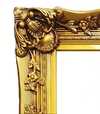
H24-GOLD ₺30
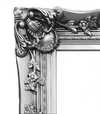
H24-SILVER ₺30
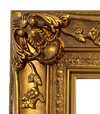
H36-GOLD ₺70
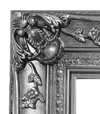
H36-SILVER ₺70
Koruyucu bir tüp içerisinde gönderilir, kendi çerçeveletmeniz için hazırdır.
Ekstralar
isteğe bağlıEkstralar neleri içeriyor?
Dünya Çapında Teslimat (); standart 4/5 hafta yerine 2 haftada. (23 Aralık)
Ekonomi polikumaş baskı seçeneği sadece standart posta ile gönderildiğinden, bu seçenekle acil üretim ve ekspres kurye hizmeti sunulamamaktadır.
Koruyucu Vernik Katmanı
Eser Etiketi
İşlemeli Bronz Plaka Detayları
Zamansız bir sunum için sanatçının ismini ve eserin başlığını ince bir işçilikle üzerinde taşıyan bu zarif plaka, esere estetik bir dokunuş katar.
Rafine ve zarif bir bitişe sahip bronzdan üretilmiştir. Metin, keskin ve kalıcı bir sonuç için hassas bir şekilde lazerle kazınmıştır. 9x2 cm ölçülerindeki plaka, kompakt olmasına rağmen kolayca okunabilir. Dayanıklı ve çizilmeye karşı dirençli yapısıyla profesyonel, müze kalitesinde bir görünüm sunar. Dahil olan yapışkanlı arka yüzey sayesinde montajı oldukça basittir.
Şeffaf Akrilik Plaka Detayları
Plaka; sanatçının adı, eserin başlığı, yapım tarihi, yağlı boya veya suluboya gibi kullanılan teknik, eserin kısa bir açıklaması ve eserin tüm bilgilerine yönlendiren bir QR kod gibi temel kazıma detaylarını içerir.
Şeffaf akrilikten üretilen bu plaka, şık ve modern bir görünüm sunar. Metin, güçlü bir görsel kontrast sağlamak amacıyla siyah renkte UV lazer ile kazınmıştır. 10x15 cm boyutlarındaki yapısı, en iyi okunabilirliği sağlar. Duvara güvenli bir şekilde monte edilebilmesi için iki adet metal kanca ile birlikte gelir. Farklı ortamlara uyum sağlaması için hava koşullarına dayanıklı olarak tasarlanan plaka, akıllı telefon taramasıyla sorunsuz çalışan etkileşimli özelliklere sahiptir.
Siyah Akrilik Plaka Detayları
Bu zarif plaka; sanatçının adı, eserin başlığı, yapım tarihi, kullanılan teknik (tuval üzerine yağlı boya veya suluboya gibi), eserin kısa bir açıklaması ve daha fazla bilgiye hızlı erişim için bir QR kod gibi kazınmış bilgiler içerir.
Plaka, birinci sınıf bir yüzey işlemine sahip, rafine siyah akrilikten üretilmiştir. Metin, yüksek kontrast ve okunabilirlik için beyaz renkte lazerle kazınmıştır. Kolay okunabilmesi için 10x15 cm boyutlarında tasarlanmıştır. Profesyonel montaj için iki adet metal kanca ile birlikte gelir. Şık tasarımıyla her türlü iç mekan stiline uyum sağlar. Ayrıca hava koşullarına dayanıklı, uzun ömürlüdür ve mobil uyumluluk için yerleşik dijital entegrasyona sahiptir.
Cam seçeneği yalnızca 110 cm altındaki boyutlar için mevcuttur.
 Cam seçeneği yalnızca 110 cm altındaki boyutlar için mevcuttur.
- 3-4 Hafta İçinde Ücretsiz Dünya Çapında Gönderim
- Yüksek Kaliteli Keten Kanvas
- Tam Nakliye Sigortası
- Gümrük Vergisi İadesi Garantisi
- Gerçek Renk Uyumu Garantisi
- 100 gün içinde iade ve para iadesi garantisi
- %100 Para İade Garantisi
- Toplu Alım İndirimi


Found: Max Klinger ve Symbolism dönemi
Two figures kneel in despair beneath a suspended form in this dramatic monochromatic etching filled with dense, swirling cross-hatching.
Max Klinger: biyografi
Eldivenin Bulunuşu Üzerine Parafrazı bir rüyadan esinlenmiştir: Eldivenin her levhada nasıl göründüğünü inceleyin.
Eser hakkında bilgi
The Artwork Found by Max Klinger
In the quiet tension of Found, the viewer encounters a scene of profound emotional distress. Max Klinger, born in 1857 in Leipzig, Germany, presents a vision that feels caught in a moment of sudden, sharp anguish. The composition draws the eye upward through a pyramidal arrangement, where two figures kneel in supplication at the base. Above them, a third figure remains suspended on a rigid rectangular plane, creating a sense of unsettling verticality. The atmosphere is heavy with a feeling of helplessness, as if the figures are trapped within a swirling chaos of lines that refuse to settle.
The imagery suggests a narrative of torment or judgment, though the exact nature of the suffering remains a mystery. Shadows and highlights dance across the forms, emphasizing the intensity of the facial expressions and the physical strain of the subjects. There is a palpable sense of unease in the way the figures interact with the space around them. The scene does not offer the comfort of a clear light source, leaving the viewer to navigate the deep shadows and the turbulent, textured background that seems to pulse with internal turmoil.
Composition and Visual Elements
A heavy, pyramidal structure dictates the movement of the scene, pulling the eye upward through a tense arrangement of forms. At the base, two figures kneel in a state of supplication, their bodies anchoring the bottom of the triangle. Above them, a third figure remains suspended on a rigid, rectangular plane, creating a jarring contrast between the organic curves of the human forms and the unyielding geometry of the platform. This vertical tension holds the viewer in a state of suspended animation, caught between the grounded suffering below and the hovering presence above.
The background refuses to remain still. Dense, swirling lines churn through the space, suggesting a world in a state of constant, chaotic turmoil. These lines wrap around the figures, blurring the distinction between the subjects and the atmosphere surrounding them. Light and shadow dance unevenly across the scene, with deep, heavy blacks clashing against pale highlights to emphasize the emotional weight of the figures. The perspective feels strangely flattened, yet the layering of these dark, textured shapes creates a sense of depth that pulls the viewer into the center of the struggle.
Technique and Artistic Materials
The scene emerges from a monochromatic world, where every shadow and highlight relies on a careful dance of gray tones. This is the result of a meticulous printmaking process, likely an etching or an engraving. One can almost feel the physical resistance of the metal plate as the artist uses sharp etching needles to incise deep, deliberate lines into the surface. These marks do not merely outline forms; they build a dense, textured landscape through heavy cross-hatching that catches the light and holds the darkness in place.
The materials used in this creation speak to a tactile, hands-on labor. A metal plate, perhaps zinc or copper, receives the initial wounding of the needle, creating the channels that will eventually hold the ink. Once the incised lines are ready, ink is pressed into these grooves, transferring the soul of the plate onto paper. This method allows for a staggering level of detail, where the swirling, chaotic lines of the background and the sharp, angular contours of the figures emerge from the interplay of ink and fiber.
Style and Artistic Movement
The work breathes with the heavy, restless energy of late 19th-century Expressionism. Every line seems to vibrate with an internal tension, pushing beyond mere representation to capture a raw, psychological state. This approach finds a striking kinship with the visual language of Edvard Munch, where the external world bends and twists to mirror the turbulence of the human spirit. The figures do not simply exist in space; they appear caught in a moment of profound emotional upheaval, their forms shaped by the weight of what they feel rather than the strict rules of anatomy.
At its core, the piece is deeply rooted in the Symbolist movement. It moves away from the literalism of the natural world to explore the shadowy, subjective realms of the subconscious. Rather than depicting a clear, objective reality, the imagery functions through a language of signs and metaphors that point toward deeper, unseen truths. The atmosphere is thick with the sense of a dream or a nightmare, where the boundaries between the physical self and the internal psyche begin to dissolve into a swirl of dark, textured lines.
Emotional and Symbolic Themes
Anguish and fear pulse through the scene, casting a heavy shadow over the figures. A profound sense of desperation grips the viewer as the subject matter unfolds, depicting a moment of intense emotional distress and torment. The two kneeling figures at the base of the composition seem trapped in a state of supplication, their bodies conveying a deep-seated helplessness. Above them, a third figure remains suspended on a rigid rectangular plane, watching the suffering below. This triangular arrangement creates a palpable tension, suggesting a heavy power dynamic or the weight of an inevitable judgment.
Chaos swirls in the background, where dense, agitated lines churn like a storm. These movements suggest a state of inner turmoil or perhaps the presence of overwhelming external forces acting upon the souls depicted. The darkness and light do not merely define form; they heighten the psychological weight of the moment. Every line contributes to an atmosphere of unease, as if the very air around the figures is thick with their collective despair. The struggle feels immediate, caught in a perpetual state of spiritual or emotional crisis.
Related Works by Max Klinger
The shadows of the artist's imagination stretch into other graphic cycles, where the boundaries between reality and the subconscious continue to blur. In the series Paraphrase on the Finding of a Glove, a single lost object transforms into a potent fetish, triggering a sequence of dreamlike visions and unsettling encounters. This narrative exploration of desire and loss finds a musical counterpart in the Brahms Fantasies from 1894, where the artist translates the spirit of composition into visual form. These works reveal a mind preoccupied with the hidden currents of human longing and the irrational forces that govern our inner lives.
Other explorations move through the realms of myth and movement. The artist's hand traces the tension found in The Rape of Prometheus and the rhythmic energy of Preparation for the dance. Each piece acts as a window into a world where the physical and the psychological are inseparable. Whether through the meticulous lines of an etching or the heavy presence of a sculpture, the artist's vision remains fixed on the tension between the seen world and the unseen impulses that drive it.
Soru ve Cevaplar
Found adlı eserin bu reprodüksiyonu el ile mi boyanmıştır yoksa baskı mıdır?
Baskı: Found, pamuklu kanvas üzerine veya Epson arşivlik kanvas kağıda giclée baskı olarak üretilir.
Found için hangi boyutu seçmeliyim?
Boyutlar 36.3 x 27.5 cm (₺2480) ile 248.4 x 188.4 cm (₺22476) arasında değişmektedir; bu sayfadaki tablo ana seçenekleri ve fiyatlarını listelemektedir.
Teslimat ne kadar sürer?
Tüp içinde rulo yapılmış baskılar, standart posta ile ücretsiz olarak 3 ila 4 hafta içinde ulaşır; gerilmiş veya çerçeveli baskıların teslimatı ise 4 ila 5 hafta sürer. Ekspres kurye ile teslimat, yalnızca bu sayfada sunulan ücretli Ekspres Teslimat seçeneği ile mümkündür. Ürünlerinizi, herhangi bir koşul aranmaksızın 100 gün içinde tam iade ile geri gönderebilirsiniz.
Max Klinger, Found eserinde hangi tekniği/malzemeyi kullanmıştır?
Etching
Kısa bilgiler ve sanat testi
Max Klinger Hakkında

Max Klinger
1857 - 1920, Almanya
Max Klinger hakkında: yaşamı, eserleri ve biyografisi
Max Klinger hakkında kısa bilgiler
- Doğum Tarihi: 1857
- Doğum Yeri: Leipzig, Almanya
- Etkilediği Sanatçılar: ['Tıbbi Hermeneutikler']
- Kendisini Etkileyen Sanatçılar:
- Menzel
- Goya
- Sanatsal Akım: Sembolizm
- Tam Adı: Max Klinger
- Uyruğu: Alman
- Ölüm Tarihi: 1920
- Önemli Eserleri:
- Eldivenin Bulunuşu
- Beethoven heykeli
Temalara, stillere ve özelliklere göre düzenlenmiş sanat eserlerini keşfedin.


Max Klinger
Found
() ·
Çerçevesiyle birlikte: ·
Toplam Tutar